

Introduction
Face tattoos have always been one of the most controversial and attention-grabbing forms of body art. Once associated with rebellion, gangs, or underground culture, they have now entered the mainstream fashion and celebrity world. From minimalist symbols to bold artistic designs, face tattoos are no longer just shock value—they are becoming personal statements of identity, creativity, and confidence.
But before anyone decides to get inked on the face, it’s important to understand what it really represents, the risks involved, the styles available, and whether it fits your lifestyle. This guide breaks everything down in a clear, honest, and practical way.
The Meaning Behind Face Tattoos
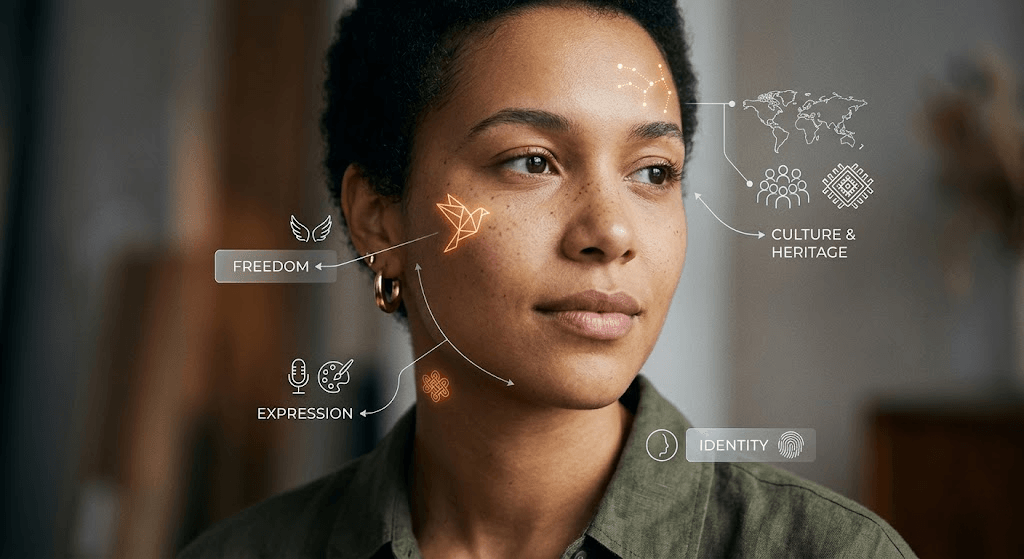
Face tattoos are not just decoration—they are powerful symbols. Since the face is the most visible part of the body, any design placed there carries strong meaning.
For many people, face tattoos represent:
- Identity and self-expression: A way to show individuality without saying a word
- Cultural or spiritual significance: Some designs are rooted in heritage or beliefs
- Rebellion or freedom: Breaking social norms and expectations
- Personal milestones: Marking a major life event or transformation
- Artistic commitment: Treating the face as a permanent canvas
Unlike tattoos on arms or back, face tattoos cannot be easily hidden. That makes the decision deeply personal and often permanent in its social impact.
Popular Face Tattoo Styles for Men and Women
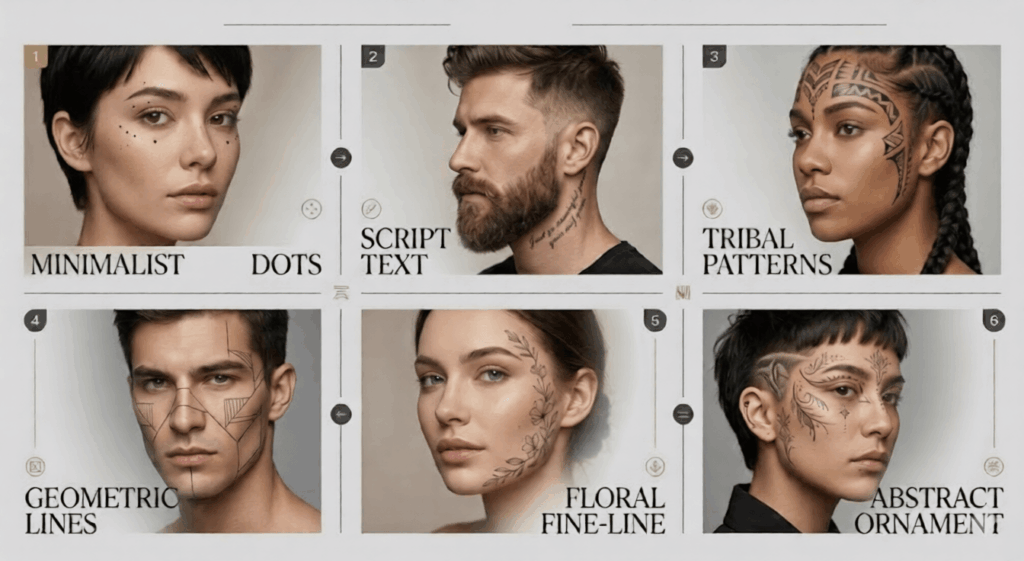
Face tattoos today are not limited to aggressive or heavy designs. Modern tattoo culture has expanded creativity, offering styles for both men and women that range from subtle to bold.
1. Minimalist Tattoos
Small symbols like dots, stars, hearts, or tiny lines are becoming very popular. These are often placed near the eye, temple, or cheekbone and give a subtle aesthetic look.
2. Script and Lettering
Words, initials, or meaningful phrases tattooed along the jawline or under the eye are widely used. These often represent personal beliefs, names, or motivational words.
3. Tribal and Cultural Designs
Many men still prefer bold tribal patterns or traditional markings that reflect cultural identity or heritage.
4. Geometric Patterns
Clean lines, shapes, and symmetrical designs are popular among people who prefer a modern, artistic look.
5. Feminine Fine-Line Tattoos
Women often choose delicate designs like flowers, moons, butterflies, or tiny constellations placed softly near the cheek or eyebrow.
Pain Level and What to Expect
Let’s be honest—face tattoos are painful. The skin on the face is thin, sensitive, and filled with nerve endings.
Here’s what you should know:
- Forehead and cheek areas are moderately painful
- Areas near eyes, lips, and jawline can be very painful
- Sessions may feel intense but are usually shorter than body tattoos
Pain tolerance varies from person to person, but mentally preparing yourself is important. Unlike other tattoos, there’s no “easy spot” on the face.
Risks, Social Impact, and Career Considerations

Face tattoos are not just a style choice—they can affect your life in real ways.
1. Social Perception
Even though tattoos are more accepted today, face tattoos still carry strong reactions. Some people may see them as bold and artistic, while others may judge them negatively.
2. Employment Limitations
Many professional industries—like corporate jobs, healthcare, or law—still have strict appearance policies. Face tattoos may limit career opportunities in traditional fields.
3. Permanence and Regret
Removing face tattoos is expensive, painful, and often incomplete. Even laser removal may leave marks or shadows.
4. Impulsive Decisions
One of the biggest risks is getting a face tattoo without long-term thinking. Trends change, but tattoos stay.
Because of these risks, face tattoos require serious thought, not impulse decisions.
Aftercare and Maintenance
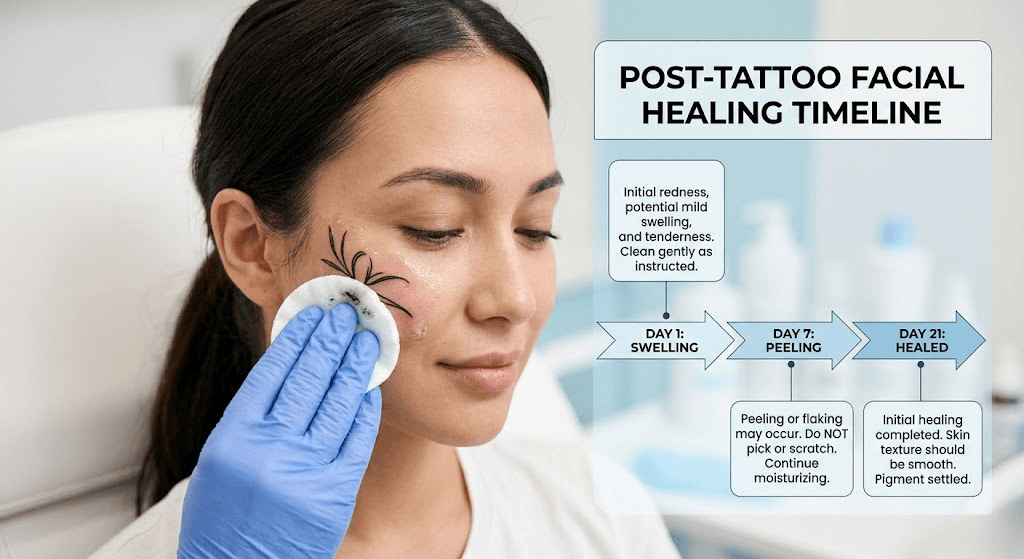
Proper aftercare is essential for healing and long-term appearance.
Healing Process
- First few days: swelling, redness, and sensitivity
- First 2 weeks: scabbing and peeling
- 3–4 weeks: skin starts settling and design becomes clearer
Care Tips
- Keep the area clean and avoid touching it
- Use recommended healing ointments
- Avoid sun exposure during healing
- Do not scratch or peel scabs
- Stay away from makeup on fresh tattoos
Face skin heals faster than some body areas, but it is also more exposed to damage, so careful protection is necessary.
Modern Trends and Celebrity Influence
Face tattoos have gained popularity largely due to celebrities and influencers who made them visible in pop culture. Rappers, athletes, and artists have turned face tattoos into a fashion statement rather than just a subculture symbol.
Current trends include:
- Tiny micro tattoos near the eye or temple
- Single-word tattoos like “faith,” “loyalty,” or “hope”
- Matching face tattoos for couples or friends (though often controversial)
- Artistic face framing tattoos that follow bone structure
- Temporary or cosmetic tattoo styles for experimentation
Social media platforms have also played a major role in normalizing face tattoos, especially among younger audiences.
However, the trend is still polarizing. What looks stylish today may not always remain acceptable in every environment.
Should You Get a Face Tattoo? Honest Reality Check
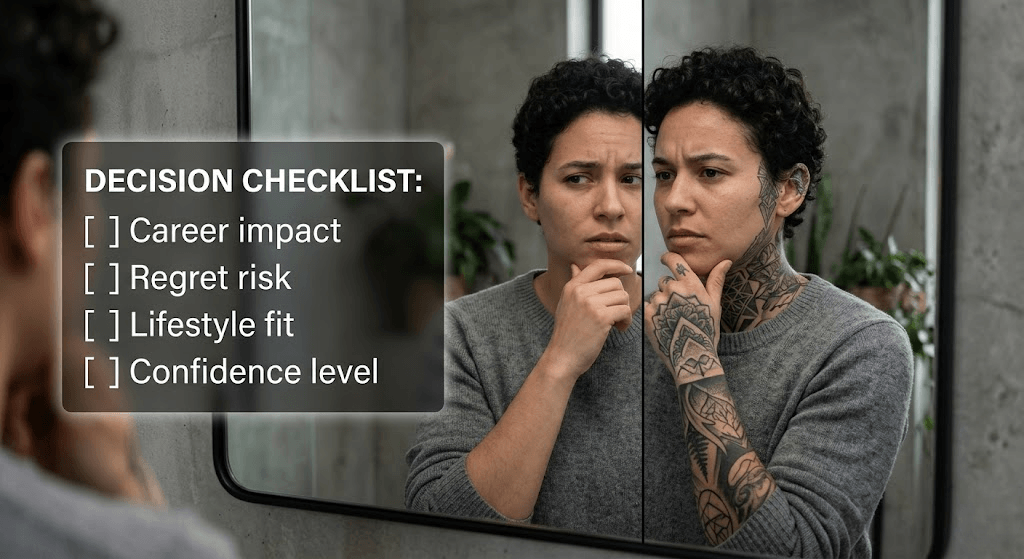
Before getting a face tattoo, ask yourself a few serious questions:
- Am I prepared for permanent visibility?
- Will this affect my future career or education?
- Is this decision based on emotion or long-term thinking?
- Have I considered how I will feel in 5–10 years?
Face tattoos are not “just another tattoo.” They are a lifestyle statement. They can be empowering for some people and limiting for others.
There is no universal right or wrong choice—but there is responsibility in making the decision.
Conclusion
Face tattoos for men and women represent one of the boldest forms of body art in modern culture. They combine identity, creativity, and personal expression in a way that no other tattoo placement can match. From minimalist designs to full artistic patterns, face tattoos continue to evolve with fashion and social acceptance.
However, they also come with real consequences—social judgment, career limitations, pain, and permanence. This is why face tattoos should never be rushed or treated as a trend alone.
If chosen thoughtfully, they can become a powerful reflection of personality. If chosen carelessly, they can become a lifelong regret.
In the end, face tattoos are not just about ink on skin—they are about the story you are willing to show the world every single day.
FAQs
1. Are face tattoos painful?
Yes, face tattoos are generally more painful due to sensitive skin and nerve endings, especially around the eyes and jawline.
2. Do face tattoos fade faster than other tattoos?
Yes, face tattoos may fade faster because the skin is more exposed to sunlight and environmental factors.
3. Can face tattoos affect jobs?
Yes, some industries still prefer professional appearance standards, which may limit job opportunities.
4. Are face tattoos removable?
They can be removed with laser treatment, but removal is expensive, time-consuming, and may not fully erase the ink.
5. What are the most popular face tattoo designs?
Minimalist symbols, script words, geometric patterns, and small artistic designs are currently the most popular choices.


