

Table of Contents
- Introduction
- What Is Numbing Cream
- How Numbing Cream Works
- Benefits of Using Numbing Cream
- Types of Numbing Creams
- Key Ingredients to Look For
- How to Choose the Best Option
- How to Apply Numbing Cream
- Safety Tips and Precautions
- Do Tattoo Artists Recommend It
- Common Mistakes to Avoid
- Alternatives to Numbing Cream
- Conclusion
- FAQs
Introduction
Getting a tattoo is an exciting experience, but for many people, pain can be a major concern. This is where the tattoo numbing cream comes in. These creams are designed to reduce discomfort during the tattooing process, allowing you to stay relaxed and sit through longer sessions with ease.
In recent years, numbing creams have become increasingly popular, especially among beginners and those getting tattoos in sensitive areas. However, not all products are created equal. Choosing the wrong cream can lead to poor results, skin irritation, or even affect how the tattoo ink settles.
This guide will help you understand how numbing creams work, what to look for, and how to choose the best option for your needs while staying safe and informed.
What Is Numbing Cream
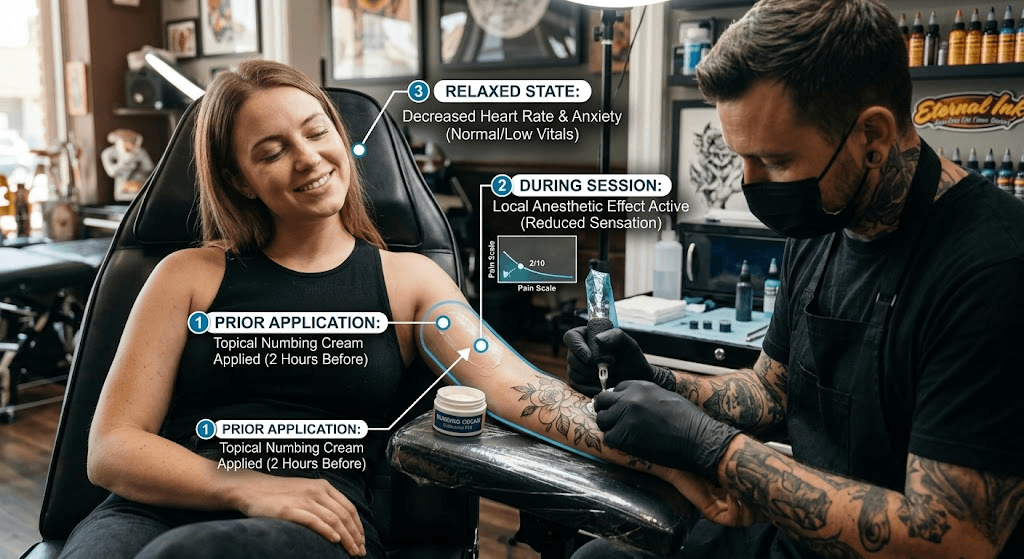
The tattoo numbing cream is a topical anesthetic applied to the skin before a tattoo session. It temporarily reduces sensation in the area, making the process less painful.
These creams are commonly used for cosmetic procedures, minor skin treatments, and tattoos. They are especially helpful for people with low pain tolerance or those getting tattoos in sensitive areas like ribs, neck, or hands.
How Numbing Cream Works
Understanding how the tattoo numbing cream works can help you use it effectively.
Most numbing creams contain ingredients that block nerve signals in the skin. This prevents pain signals from reaching the brain, resulting in reduced discomfort during the tattoo process.
The effect usually starts within 20–45 minutes and can last for a few hours, depending on the product and application method.
Benefits of Using Numbing Cream

Using the tattoo numbing cream offers several advantages:
- Reduces pain and discomfort
- Helps you stay still during long sessions
- Makes the experience less stressful
- Ideal for sensitive body areas
For beginners, it can make the first tattoo experience much more manageable.
Types of Numbing Creams
There are different types of the tattoo numbing cream, and each works slightly differently:
- Lidocaine-based creams: Most common and effective
- Combination creams: Include multiple numbing agents
- Fast-acting creams: Work quickly but may not last long
- Extended-release creams: Provide longer-lasting effects
Choosing the right type depends on your tattoo session length and personal needs.
Key Ingredients to Look For
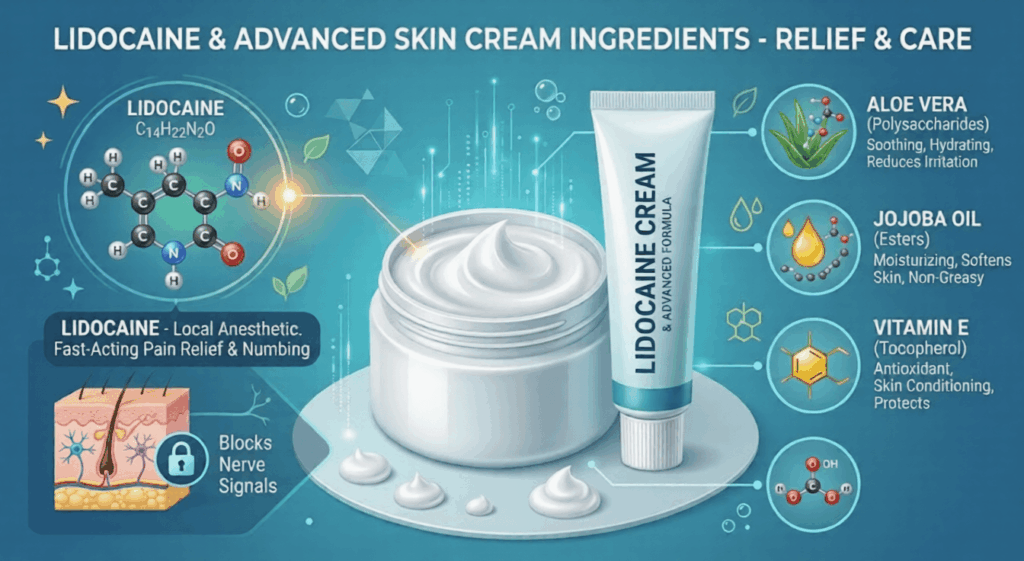
When selecting the tattoo numbing cream, ingredients matter the most.
Look for:
- Lidocaine (primary numbing agent)
- Prilocaine
- Benzocaine
These ingredients are widely used and generally safe when applied correctly. Always check the concentration levels and follow instructions.
How to Choose the Best Option
Choosing the tattoo numbing cream requires careful consideration.
Keep these factors in mind:
- Skin type (sensitive or normal)
- Tattoo location
- Duration of session
- Product reviews and reliability
Avoid low-quality or unverified products, as they may cause irritation or ineffective results.
How to Apply Numbing Cream
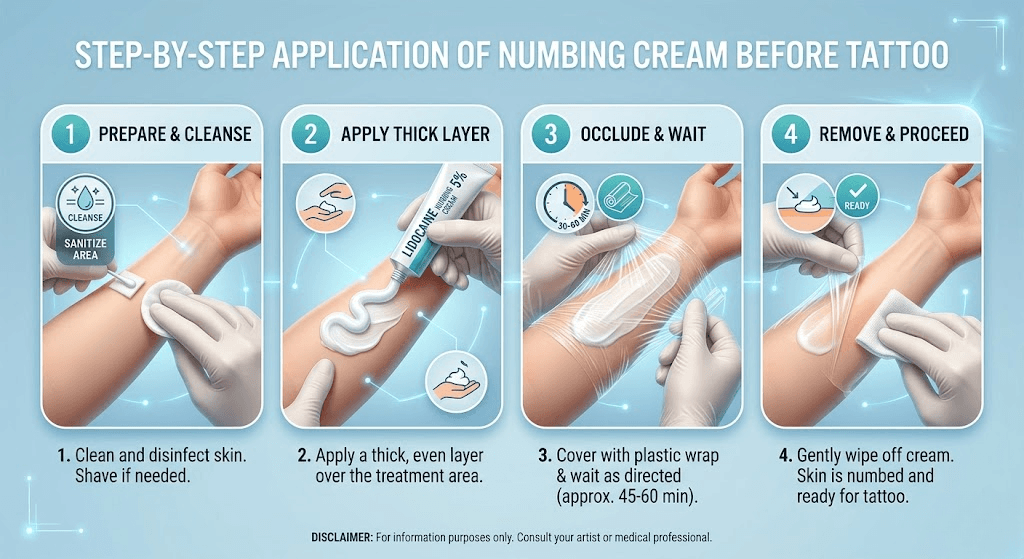
Proper application is essential to get the most out of the tattoo numbing cream.
Follow these steps:
- Clean the skin thoroughly
- Apply a thick layer of cream
- Cover with plastic wrap (if recommended)
- Wait 30–45 minutes before the session
Correct application ensures better absorption and longer-lasting effects.
Safety Tips and Precautions
While using the tattoo numbing cream, safety should always come first.
- Do a patch test before use
- Avoid broken or irritated skin
- Do not exceed recommended amounts
- Consult a professional if unsure
Overuse or misuse can lead to side effects such as redness or irritation.
Do Tattoo Artists Recommend It
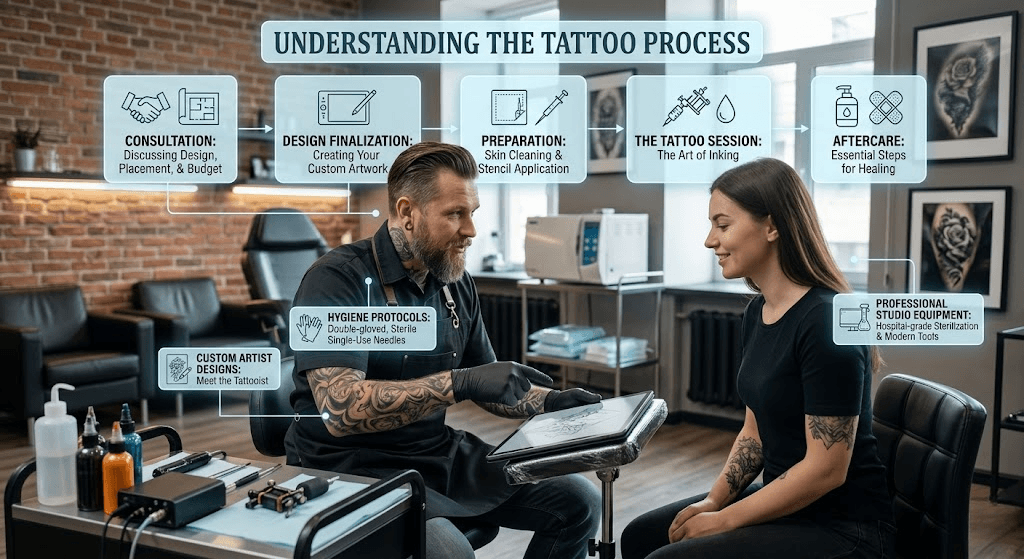
Opinions about the tattoo numbing cream vary among tattoo artists.
Some artists support its use, especially for long sessions or sensitive areas. Others prefer working without it, as it may slightly affect skin texture during tattooing.
It’s always best to discuss it with your tattoo artist beforehand.
Common Mistakes to Avoid
Many people misuse the tattoo numbing cream, leading to poor results.
Avoid:
- Applying too little or too late
- Using unknown products
- Skipping instructions
- Overapplying the cream
Proper use ensures both safety and effectiveness.
Alternatives to Numbing Cream
If you prefer not to use the tattoo numbing cream, there are other ways to manage pain:
- Deep breathing techniques
- Taking breaks during the session
- Staying hydrated
- Choosing less sensitive areas
Mental preparation can also make a big difference.
Conclusion
The tattoo numbing cream can make a significant difference in your tattoo experience by reducing pain and improving comfort. However, choosing the right product and using it correctly is essential for safe and effective results.
By understanding how these creams work and following proper guidelines, you can enjoy your tattoo session with greater ease and confidence.
FAQs
1. Is numbing cream safe for tattoos?
Yes, when used correctly and in recommended amounts.
2. How long does numbing cream last?
Usually 1–3 hours depending on the product.
3. Can numbing cream affect tattoo quality?
In some cases, it may slightly change skin texture.
4. Do all tattoo artists allow numbing cream?
Not all, so it’s best to ask beforehand.
5. Can beginners use numbing cream?
Yes, it is especially helpful for first-time tattoo clients.


