
Table of Content:
- Introduction
- Plaque buildup is the most common cause of bleeding gums
- Brushing technique plays a critical role in gum health
- Hormonal changes can increase gum sensitivity and bleeding risk
- Medical conditions and deficiencies may contribute to gum bleeding
- Poor flossing habits and dental appliances can worsen the problem
- Lifestyle habits such as smoking can mask and worsen gum issues
- When bleeding gums indicate a serious problem
- Practical steps to stop gum bleeding and restore healthy gums
- Final Perspective
Introduction:
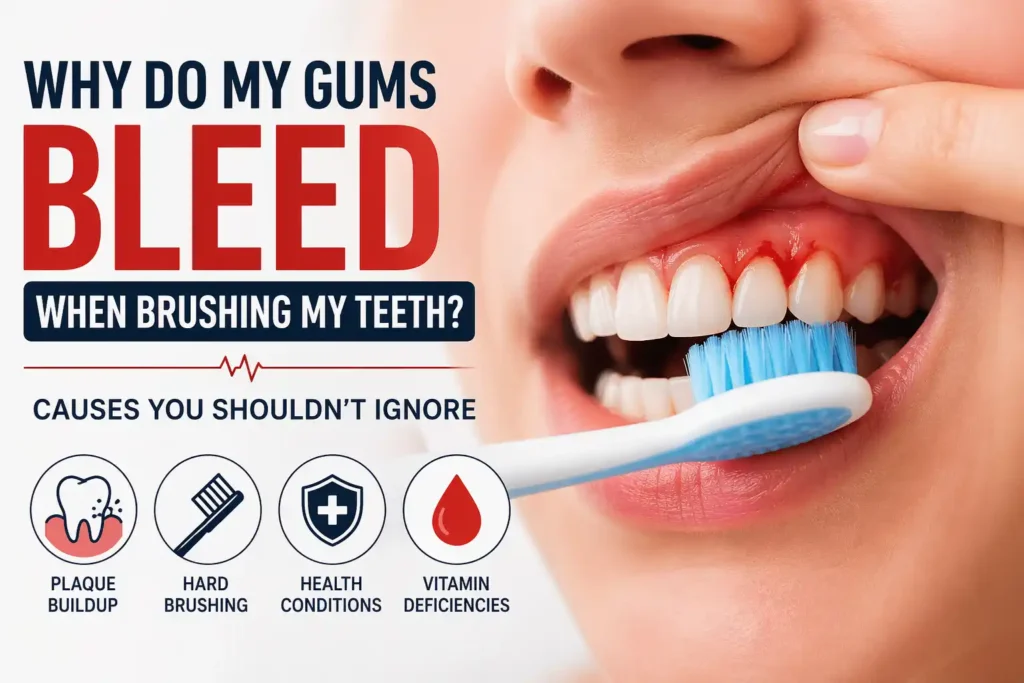
Bleeding gums during brushing often feel alarming, yet many people dismiss this warning sign as harmless or temporary. That assumption can delay proper care and allow minor gum irritation to progress into more serious dental problems. Your gums should not bleed regularly during routine brushing, even if you recently changed your toothbrush or oral care routine. In most cases, bleeding gums indicate inflammation or irritation that requires attention rather than being ignored. This condition may start subtly, but it can evolve into gum disease if underlying causes are not addressed early. Understanding why your gums bleed when brushing your teeth helps you take the right steps toward prevention and treatment. This guide explains the most common causes, potential risks, and effective solutions you can apply to protect your oral health. You will also learn when bleeding gums signal a deeper health concern that requires professional evaluation.
Plaque Buildup Is the Most Common Cause of Bleeding Gums:
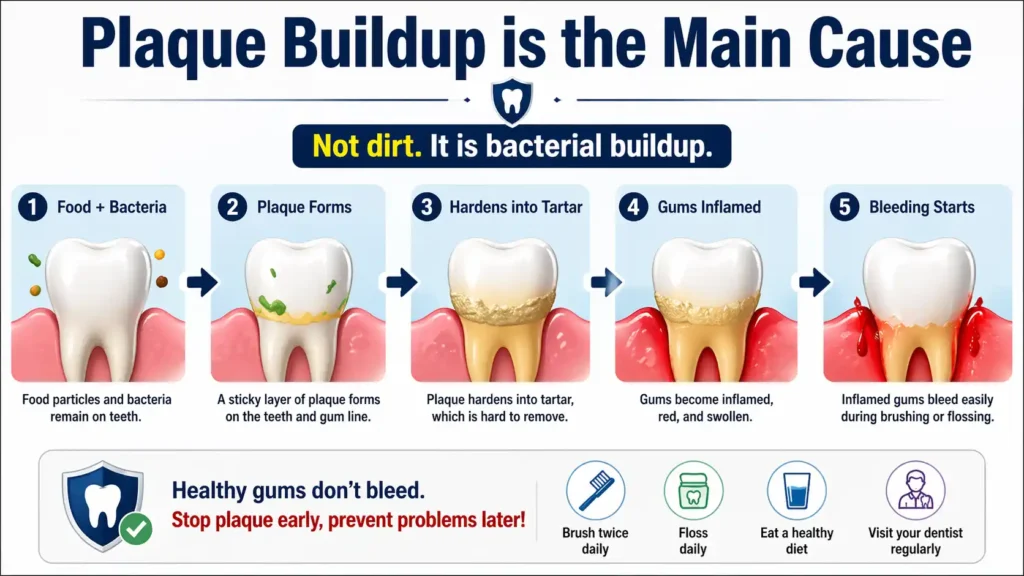
The leading cause of bleeding gums during brushing is the accumulation of plaque along the gum line over time. Plaque is a sticky layer of bacteria that forms on teeth when food particles and saliva combine without proper cleaning. If plaque is not removed regularly through brushing and flossing, it hardens into tartar, which irritates the surrounding gum tissue. This irritation triggers inflammation, causing gums to become swollen, sensitive, and more likely to bleed during brushing or flossing. The early stage of this condition is called gingivitis, which is reversible if treated promptly with improved oral hygiene practices. However, if gingivitis remains untreated, it can develop into periodontitis, a more serious form of gum disease that damages supporting bone structures. Bleeding gums at this stage may become more frequent and severe, indicating deeper infection and tissue damage. Addressing plaque buildup early prevents long term complications and helps restore healthy gum conditions.
Brushing Technique Plays a Critical Role in Gum Health:
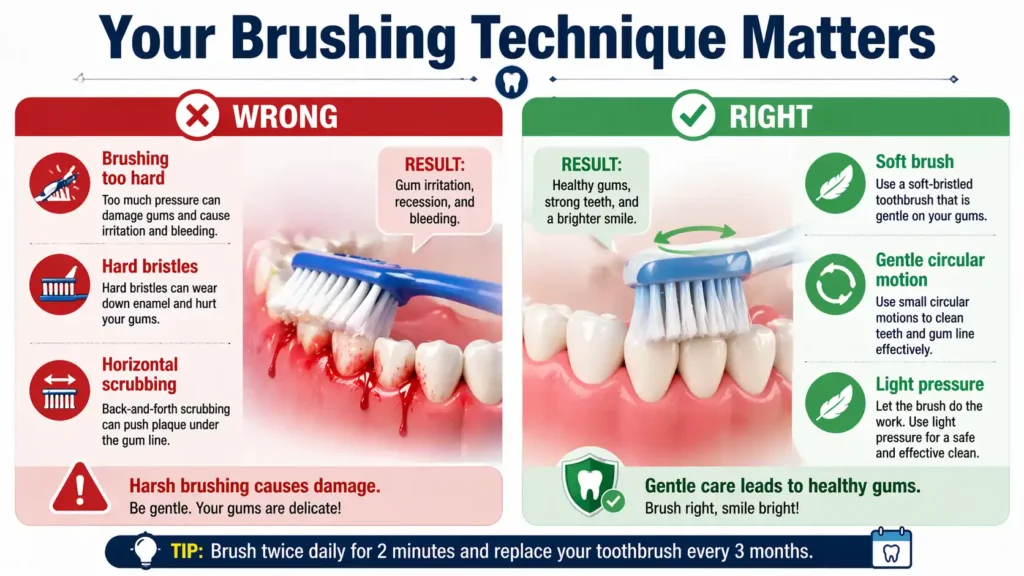
Many people assume that brushing harder will clean their teeth more effectively, but this belief often causes more harm than benefit. Brushing too aggressively can damage delicate gum tissue and lead to irritation, which results in bleeding during routine oral care. Using a hard bristled toothbrush or applying excessive pressure increases the risk of micro injuries along the gum line. These small injuries can make gums more sensitive and prone to inflammation, especially when combined with existing plaque buildup. A proper brushing technique involves gentle circular motions using a soft bristled toothbrush that cleans effectively without damaging the gums. Brushing should last at least two minutes, ensuring all areas of the mouth receive equal attention without excessive force. Switching to a softer brush and reducing pressure often leads to noticeable improvement in gum health within a short period. This simple adjustment can prevent unnecessary irritation while maintaining effective plaque removal.
Hormonal Changes Can Increase Gum Sensitivity and Bleeding Risk:
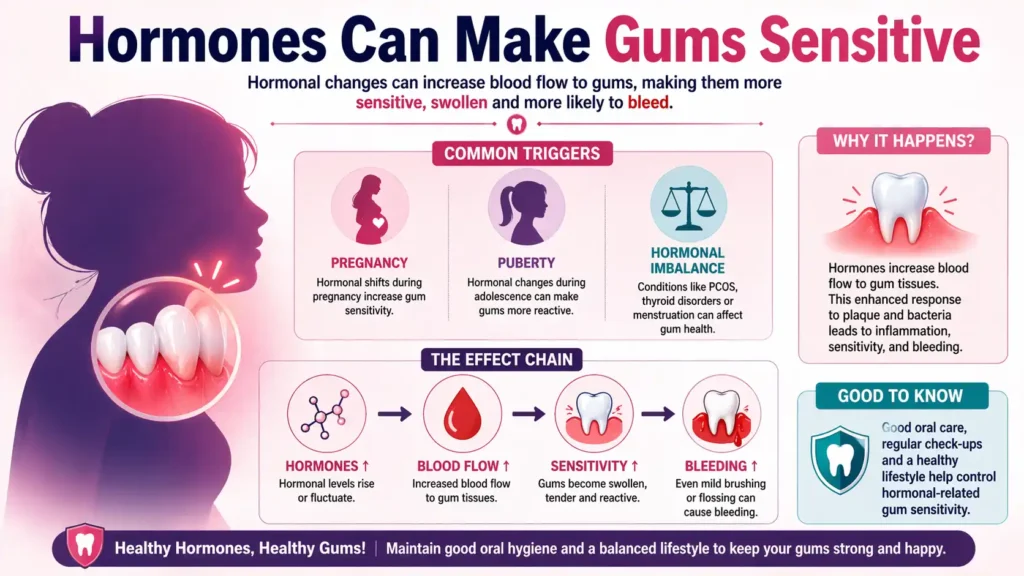
Hormonal fluctuations can significantly affect gum health, especially during pregnancy, puberty, or certain medical conditions that influence hormone levels. These changes increase blood flow to gum tissues, making them more sensitive and reactive to plaque and bacteria. As a result, gums may swell easily and bleed more frequently during brushing or flossing, even with proper oral hygiene. Pregnancy gingivitis is a well documented condition where hormonal shifts exaggerate the body’s response to plaque, leading to noticeable gum inflammation. Although this condition is usually temporary, neglecting oral care during this period can increase the risk of developing more severe gum disease. Maintaining consistent oral hygiene and regular dental visits helps manage symptoms and prevent complications during hormonal changes. Understanding this connection allows individuals to adjust their care routine rather than assuming the bleeding is unrelated or unavoidable.
Medical Conditions and Deficiencies May Contribute to Gum Bleeding:
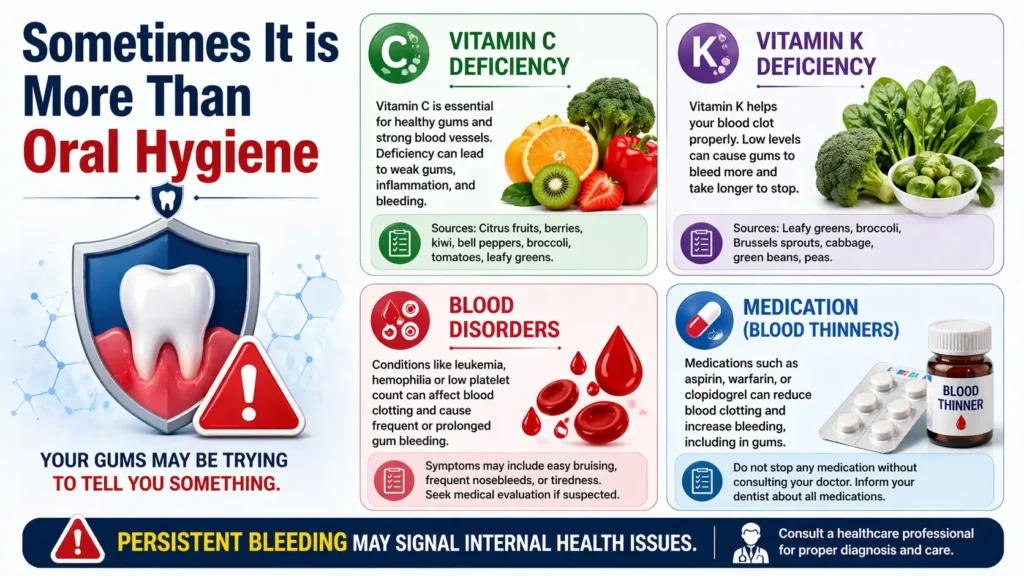
While dental hygiene is the primary factor, certain medical conditions can also contribute to bleeding gums during brushing. Blood disorders, vitamin deficiencies, and immune related conditions can affect how your body responds to minor irritation in gum tissues. For example, vitamin C deficiency weakens connective tissues, making gums more prone to bleeding and inflammation. Similarly, vitamin K plays an essential role in blood clotting, and its deficiency may increase the likelihood of prolonged bleeding. More serious conditions such as leukemia can also present symptoms that include persistent gum bleeding, although this is less common. Medications such as blood thinners may also increase bleeding sensitivity by reducing the body’s ability to clot effectively. These underlying factors highlight the importance of considering overall health when evaluating gum bleeding rather than focusing only on oral hygiene. If bleeding persists despite proper care, a medical evaluation may be necessary to identify contributing conditions.
Poor Flossing Habits and Dental Appliances Can Worsen the Problem:
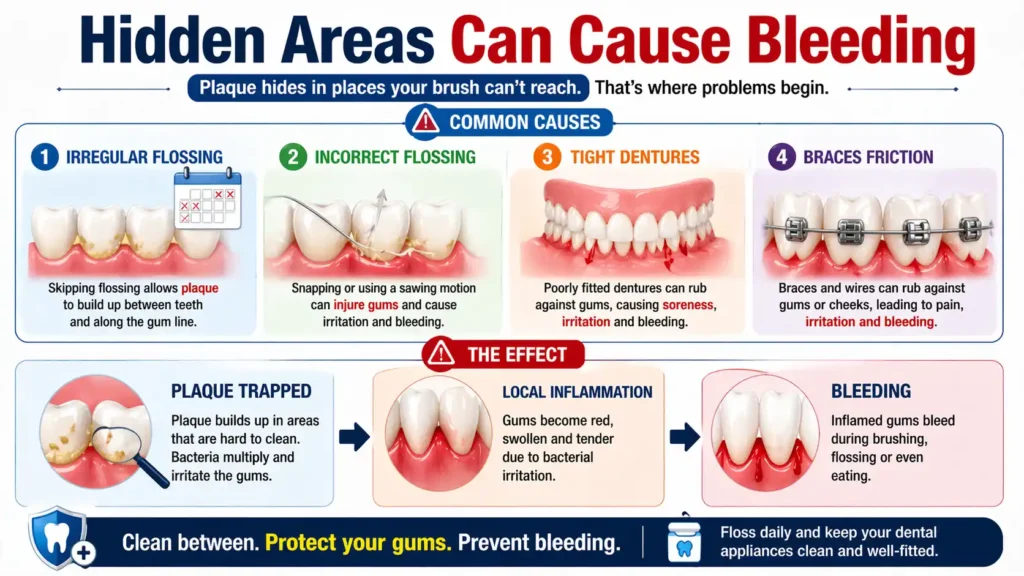
Improper flossing techniques or irregular flossing habits can contribute to plaque buildup between teeth, which often leads to gum irritation and bleeding. When plaque accumulates in areas that brushing cannot reach, it creates localized inflammation that becomes noticeable during brushing. Inconsistent flossing may also cause sudden irritation when resumed after a long gap, making gums appear more sensitive than usual. Dental appliances such as poorly fitted dentures or braces can also create friction against gum tissues, leading to soreness and bleeding. These issues often go unnoticed until discomfort becomes more frequent or visible during daily oral care routines. Ensuring proper flossing technique and addressing any discomfort caused by dental appliances can significantly improve gum health. Small adjustments in daily habits often produce noticeable improvements within a short period when combined with consistent care.
Lifestyle Habits Such as Smoking Can Mask and Worsen Gum Issues:
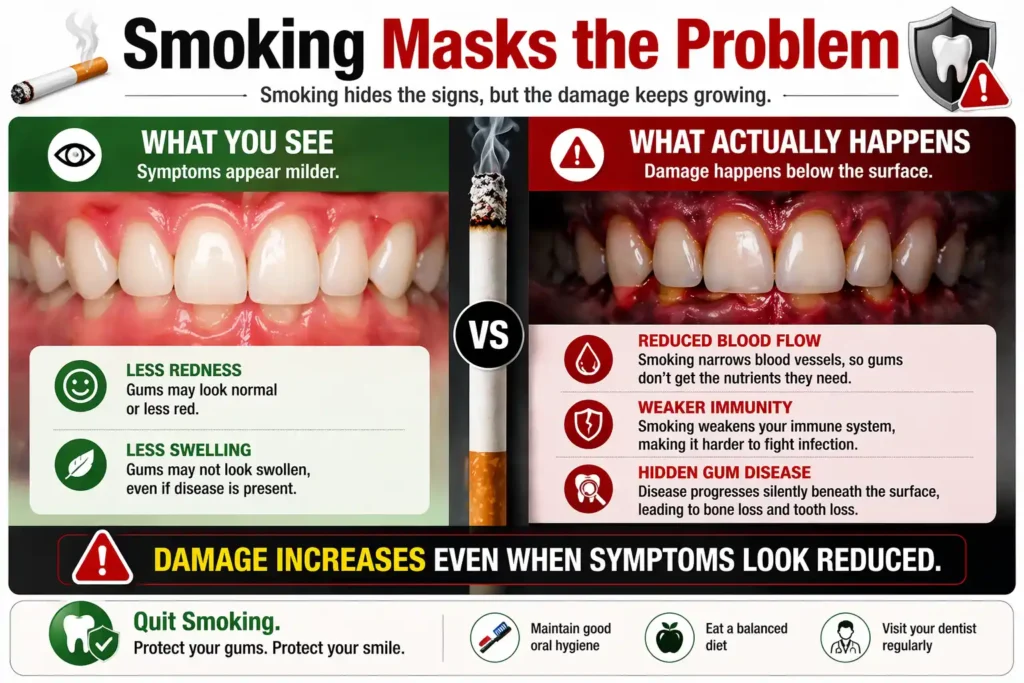
Tobacco use has a complex impact on gum health, making it both a contributing factor and a masking agent for gum disease symptoms. Smoking reduces blood flow to the gums, which can suppress visible signs of inflammation while allowing underlying damage to progress unnoticed. This means gums may appear less red or swollen, even when disease is advancing beneath the surface. At the same time, tobacco use weakens the immune response, making it harder for the body to fight infections caused by plaque bacteria. This combination increases the risk of severe gum disease and long term oral health complications. Quitting tobacco significantly improves gum health and allows early symptoms to become visible, making treatment more effective. Addressing lifestyle habits plays a critical role in preventing recurring gum issues and maintaining overall oral health stability.
When Bleeding Gums Indicate a Serious Problem?
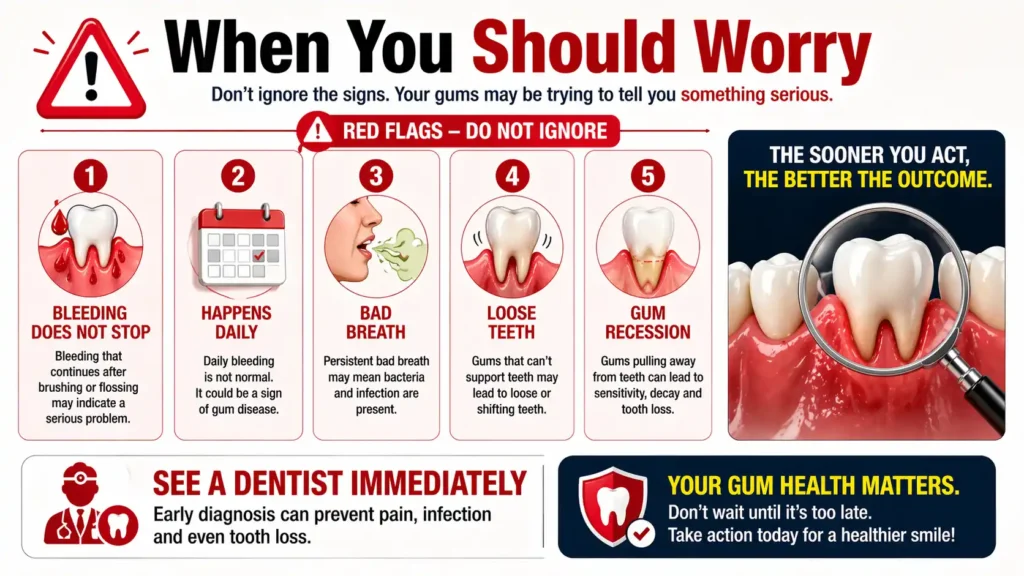
Occasional gum bleeding may occur due to minor irritation, but persistent or severe bleeding should not be ignored under any circumstances. If your gums bleed regularly despite maintaining proper oral hygiene, this may indicate an advanced stage of gum disease or an underlying medical condition. Additional symptoms such as bad breath, gum recession, or loose teeth often accompany more serious cases and require immediate attention. Chronic bleeding can also signal systemic issues that extend beyond oral health, making professional evaluation essential for accurate diagnosis. Dentists typically examine gum condition, oral hygiene habits, and medical history to determine the root cause of the problem. In some cases, additional tests such as blood work or dental imaging may be required to assess overall health. Early intervention significantly improves treatment outcomes and prevents complications that may affect both oral and general health.
Practical Steps to Stop Gum Bleeding and Restore Healthy Gums:
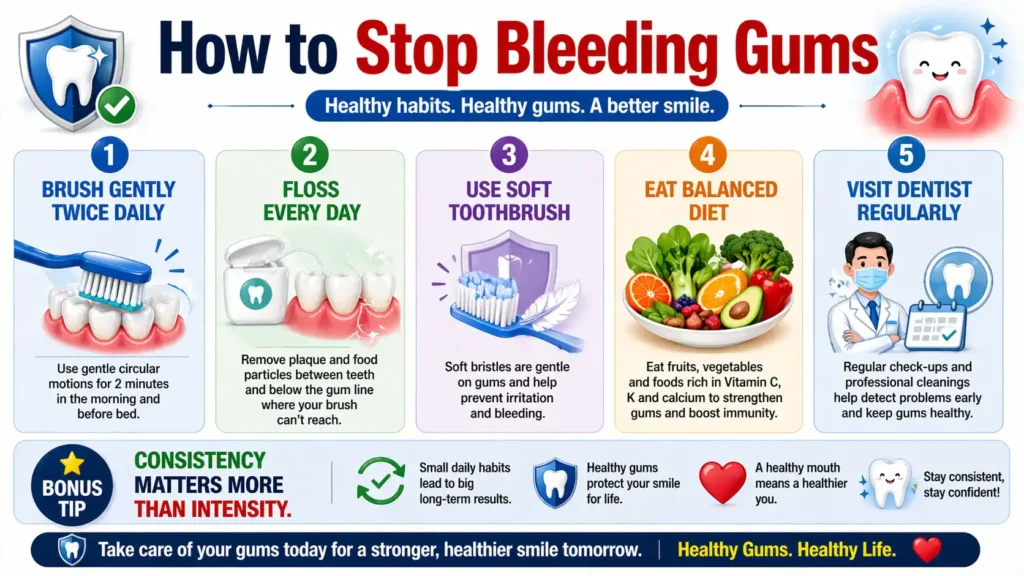
Improving gum health requires a combination of proper oral care techniques, lifestyle adjustments, and regular professional evaluations. Brushing twice daily with a soft bristled toothbrush and fluoride toothpaste helps remove plaque without damaging gum tissues. Flossing at least once daily prevents plaque accumulation between teeth, which is a common source of gum irritation. Using an antibacterial mouth rinse may help reduce bacterial growth and support gum healing when recommended by a dental professional. Maintaining a balanced diet that includes essential vitamins supports overall tissue health and strengthens the body’s natural defense system. Regular dental checkups allow early detection of issues and provide professional cleaning that removes hardened tartar deposits. These steps, when followed consistently, help reduce inflammation and prevent recurrence of bleeding gums over time.
Final Perspective:
Bleeding gums during brushing should always be treated as an early warning sign rather than a minor inconvenience that will resolve on its own. Whether caused by plaque buildup, improper brushing, or underlying health conditions, this symptom indicates that your gums need attention and care. Addressing the root cause early prevents progression into more serious conditions that require complex treatment. Reliable information sources like Freaky Thread aim to simplify these health insights so you can take informed action without confusion. Maintaining consistent oral hygiene, seeking professional advice when needed, and understanding your body’s signals are essential steps toward long term dental health. By treating bleeding gums as a signal rather than ignoring them, you protect not only your smile but also your overall well being.
You May Also Like:


