
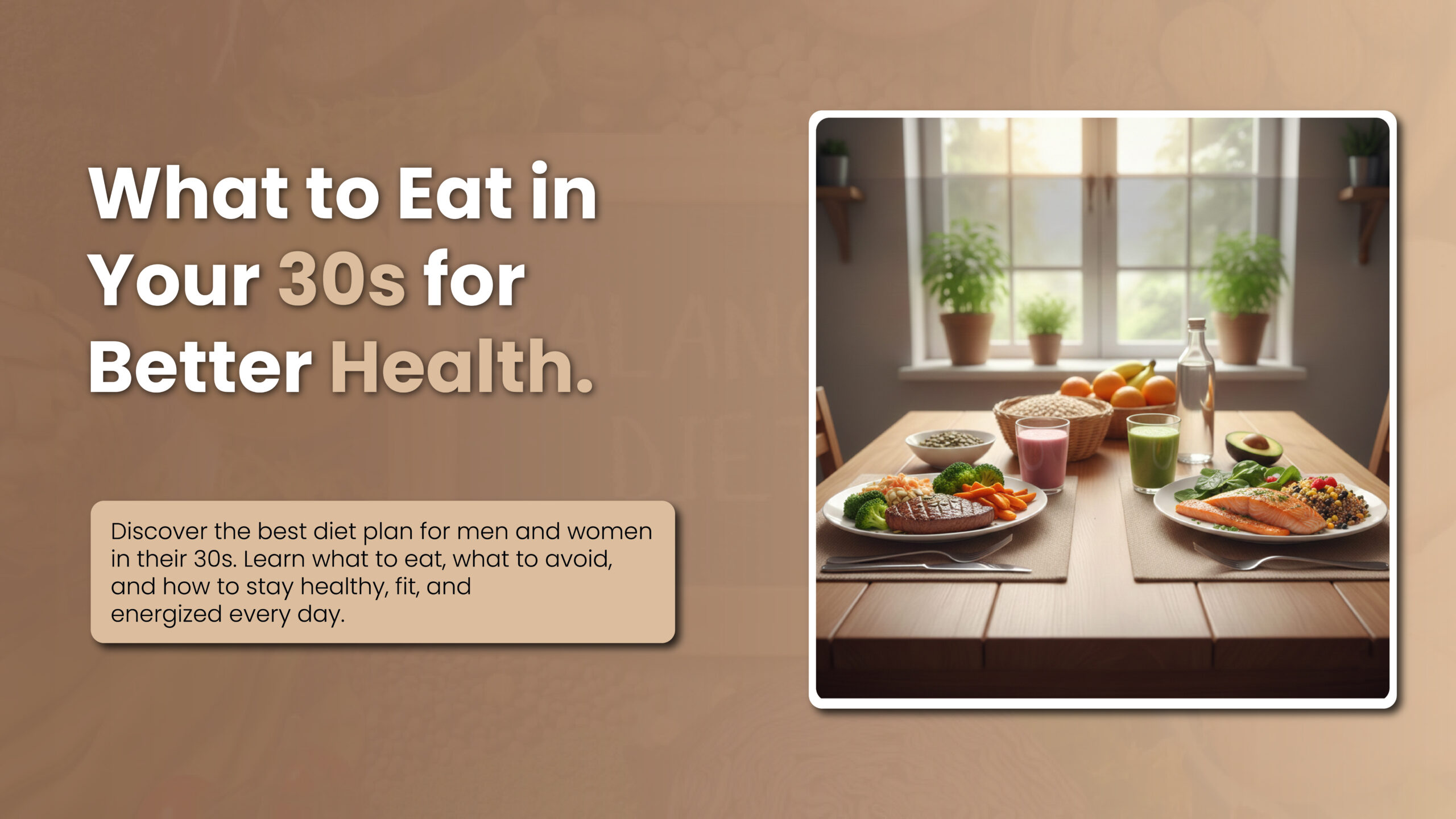
Healthy Diet for Men and Women in Their 30s: What to Eat and Why It Matters
Turning 30 marks a significant milestone not just in your personal life, but in your body’s nutritional requirements. This decade brings metabolic shifts, changing hormone levels, and new health priorities that demand a fresh approach to eating. The food choices you make during your thirties lay the groundwork for how healthy you’ll be in your forties, fifties, and beyond. This guide provides evidence-based recommendations for both men and women navigating their thirties. We’ll explore the best diet for a woman in her 30s, outline a practical healthy diet for men in 30s, and answer the crucial question: what to eat in your 30s to maximize health, energy, and longevity.
The Crucial Importance of Nutrition in Your Third Decade
Your thirties represent a turning point where your body’s needs diverge from your younger years. Here’s what changes and why it matters. Metabolic Slowdown: Starting around age 30, your resting metabolic rate decreases by roughly 2% each year. This natural decline means you burn approximately 100-200 fewer calories daily compared to your twenties, making thoughtful food selection more important than ever.
Shifting Hormones: Women may experience early hormonal fluctuations affecting mood, energy, and weight distribution. Men begin a gradual decline in testosterone that impacts muscle mass and fat storage. Both scenarios require nutritional support. Peak Bone Mass: Your skeletal system reaches maximum density around age 30, then begins gradually weakening. The nutrients you consume now determine whether you maintain strong bones or face osteoporosis later.
Foundation for Disease Prevention: Medical research consistently demonstrates that dietary patterns established during your thirties directly correlate with chronic disease development. Proper nutrition now can reduce cardiovascular disease, diabetes, and cancer risk by nearly half.
Core Nutritional Requirements for Your Thirties
Both genders share fundamental nutritional needs during this decade, with some gender-specific variations.
Universal Nutritional Priorities:
Quality Protein Intake: Consume between 0.8 and 1.2 grams per kilogram of body weight daily. Protein becomes increasingly vital for preserving lean muscle tissue, which naturally diminishes with age. Excellent sources include poultry, seafood, eggs, dairy, beans, and plant-based proteins. Dietary Fiber: Strive for 28-38 grams daily from whole food sources. Adequate fiber intake supports digestive function, maintains cardiovascular health, and provides lasting satiety. Vegetables, fruits, legumes, and whole grains deliver this essential nutrient. Anti-Inflammatory Fats: Omega-3 fatty acids combat inflammation and protect both cardiovascular and cognitive health. Include fatty fish twice weekly, or obtain these beneficial fats from walnuts, ground flaxseed, and chia seeds. Bone-Building Minerals: Adults need roughly 1,000 milligrams of calcium alongside 600-800 international units of vitamin D daily. Dairy products, fortified alternatives, sardines, and leafy vegetables provide calcium, while sunlight exposure and fortified foods supply vitamin D. Energy-Supporting Vitamins: B-complex vitamins, especially B12 and folate, fuel cellular energy production and support healthy metabolism. Find these in whole grains, green vegetables, eggs, and fortified breakfast cereals.
Women-Specific Nutritional Needs:
Iron Supplementation Through Diet: Until menopause, women require approximately 18 milligrams of iron daily to compensate for monthly blood loss. Red meat, poultry, seafood, beans, and fortified cereals provide absorbable iron. Combining iron-rich foods with vitamin C enhances absorption. Folate for Reproductive Health: Women of childbearing age need 400-600 micrograms daily. This B vitamin supports healthy cell division and is critical during pregnancy. Leafy greens, citrus, beans, and fortified grains are excellent sources. Enhanced Calcium Focus: Women should prioritize calcium consumption as they approach the period when bone density naturally decreases.
Men-Specific Nutritional Needs:
Zinc for Hormonal Balance: Men require about 11 milligrams of zinc daily to support testosterone production and immune function. Oysters, red meat, poultry, pumpkin seeds, and legumes provide ample zinc. Prostate-Protecting Antioxidants: Lycopene, found abundantly in cooked tomatoes, watermelon, and pink grapefruit, supports prostate health and may reduce cancer risk. Magnesium for Muscle and Hormones: Men benefit from 400-420 milligrams daily from nuts, seeds, whole grains, and dark leafy greens to support muscle function and testosterone levels.
Healthy Diet for Women in 30s: Practical Eating Strategy
The diet plan for 30 year old woman balances hormonal wellness, bone strength, potential fertility support, and long-term disease prevention.
Structured Daily Eating Pattern:
Morning Meal: Combine protein with fiber-rich carbohydrates to maintain stable blood sugar and reduce mid-morning hunger.
- Plain Greek yogurt topped with fresh berries and sliced almonds
- Egg-based vegetable scramble with whole grain bread
- Steel-cut oats prepared with chia seeds and banana slices
Midday Meal: Emphasize colorful plant foods, quality protein, and unrefined carbohydrates.
- Mixed greens salad with grilled chicken, quinoa, and olive oil vinaigrette
- Hearty lentil stew with whole grain crackers and raw vegetables
- Whole wheat wrap filled with turkey breast, avocado, and crunchy vegetables
Evening Meal: Control portions while maximizing vegetable intake.
- Wild-caught salmon with roasted Brussels sprouts and baked sweet potato
- Vegetable and tofu stir-fry served over brown rice
- Grass-fed beef with colorful roasted vegetables and quinoa
Between-Meal Options: Select nutrient-dense snacks that provide sustained energy.
- Fresh apple paired with natural almond butter
- Raw vegetables with chickpea-based hummus
- Small portion of mixed unsalted nuts
Complete Daily Menu Example for Women:
7:00 AM Breakfast:
- One cup plain Greek yogurt
- Half cup mixed fresh berries
- Two tablespoons ground flaxseed
- Unsweetened green tea
10:00 AM Snack:
- One medium apple
- Twelve raw almonds
1:00 PM Lunch:
- Large garden salad with mixed greens
- Four ounces grilled chicken breast
- Half cup cooked chickpeas
- Two tablespoons olive oil and fresh lemon dressing
- One small whole wheat dinner roll
4:00 PM Snack:
- Sliced carrots and cucumber
- Quarter cup hummus
7:00 PM Dinner:
- Four ounces baked salmon
- One cup steamed broccoli florets
- Half cup cooked quinoa
- Small mixed greens salad with balsamic vinegar
Optional 9:00 PM:
- Herbal tea without caffeine
- Small handful walnuts if genuinely hungry
Nutritional Profile: Delivers approximately 1,800-2,000 calories with 95-105 grams protein, 28-32 grams fiber, plus abundant calcium, iron, and omega-3 fatty acids.
Healthy Diet for Men in 30s: Practical Eating Strategy
A well-designed diet plan for 30 year old man emphasizes muscle preservation, cardiovascular protection, metabolic support, and sustained energy throughout demanding days.
Structured Daily Eating Pattern:
Morning Meal: Focus on protein to preserve muscle tissue and provide lasting energy.
- Scrambled eggs with sautéed spinach and whole grain toast
- Protein smoothie blended with banana, rolled oats, and natural peanut butter
- Chicken sausage with roasted vegetables and sliced avocado
Midday Meal: Balance quality protein with complex carbohydrates and abundant vegetables.
- Grilled chicken breast served with brown rice and steamed mixed vegetables
- Tuna salad over mixed greens with whole grain crackers
- Lean beef stir-fried with colorful vegetables over quinoa
Evening Meal: Include substantial protein portions alongside plenty of vegetables.
- Grilled grass-fed steak with roasted sweet potato and asparagus spears
- Baked chicken thighs with Brussels sprouts and wild rice
- Grilled fish with roasted vegetables and whole grain pasta
Between-Meal Options: Choose protein-focused and healthy fat snacks.
- Whey or plant-based protein shake
- Mixed nuts combined with dried fruit
- Cottage cheese topped with fresh pineapple
Complete Daily Menu Example for Men:
7:00 AM Breakfast:
- Three scrambled eggs with spinach and diced tomatoes
- Two slices whole grain toast with mashed avocado
- Black coffee or unsweetened green tea
10:00 AM Snack:
- Protein shake with one banana and tablespoon almond butter
- Alternatively, a protein bar containing 20+ grams protein
1:00 PM Lunch:
- Six ounces grilled chicken breast
- One cup cooked brown rice
- Stir-fried mixed vegetables
- Side garden salad with olive oil dressing
4:00 PM Snack:
- Quarter cup mixed raw nuts
- One orange or medium apple
7:00 PM Dinner:
- Six ounces grilled salmon or lean steak
- One large baked sweet potato
- One and a half cups steamed broccoli and carrots
- Small side salad with vinegar dressing
Optional 9:00 PM:
- Greek yogurt with berries if genuinely hungry
- Caffeine-free herbal tea
Nutritional Profile: Provides approximately 2,200-2,500 calories with 140-165 grams protein, 33-38 grams fiber, plus abundant zinc, magnesium, and omega-3 fatty acids.
Priority Foods for Everyone in Their Thirties
Regardless of gender, these whole foods should form the foundation of what to eat in your 30s:
Quality Protein Sources:
- Skinless chicken breast
- Ground turkey breast
- Wild-caught fish (particularly salmon, mackerel, and sardines)
- Pasture-raised eggs
- Plain Greek yogurt
- Beans, lentils, and chickpeas
- Organic tofu and tempeh
Whole Grain Options:
- Quinoa
- Brown or wild rice
- Steel-cut or rolled oats
- 100% whole wheat bread and pasta
- Barley
- Farro
Beneficial Fats:
- Fresh avocados
- Extra virgin olive oil
- Raw nuts (almonds, walnuts, cashews, pecans)
- Seeds (chia, flax, pumpkin, sunflower)
- Fatty cold-water fish
- Natural nut and seed butters without added oils
Fruits and Vegetables:
- Dark leafy greens (spinach, kale, collards, arugula)
- Cruciferous vegetables (broccoli, cauliflower, cabbage, Brussels sprouts)
- Fresh berries (blueberries, strawberries, blackberries, raspberries)
- Citrus fruits (oranges, grapefruits, lemons)
- Colorful bell peppers
- Orange-fleshed sweet potatoes
- Fresh and cooked tomatoes
Calcium-Rich Selections:
- Low-fat or fat-free dairy products
- Calcium-fortified plant-based milk
- Canned sardines with edible bones
- Collard greens and kale
- Raw almonds
Foods to Minimize or Eliminate
Protecting your health in your thirties means limiting:
Ultra-Processed Products: These contain excessive sodium, unhealthy fats, and provide minimal nutrition while promoting inflammation and unwanted weight gain.Added Sugars: Beverages, candy, and commercial baked goods containing refined sugars accelerate cellular aging, promote fat storage, and dramatically increase diabetes risk.Alcohol Consumption: Limit intake to moderate levels (one drink daily for women, two for men maximum). Excessive drinking disrupts sleep quality, hormonal balance, and liver function.Artificial Trans Fats: Some fried foods and processed snacks still contain these harmful fats that elevate harmful cholesterol levels and cardiovascular disease risk.Excessive Salt: Keep daily sodium intake below 2,300 milligrams. High sodium consumption elevates blood pressure and strains cardiovascular health.
Supporting Lifestyle Practices
Your dietary efforts multiply when combined with these health-promoting habits:Adequate Hydration: Consume eight to ten glasses of pure water daily. Proper hydration optimizes metabolism, maintains skin health, and sustains energy levels.Consistent Physical Activity: Combine aerobic exercise (150 minutes weekly minimum) with resistance training (two to three sessions weekly) to preserve muscle mass and strengthen bones.Quality Sleep: Prioritize seven to nine hours nightly. Insufficient sleep disrupts hunger-regulating hormones and intensifies cravings for nutrient-poor foods. Stress Reduction: Chronic stress elevates cortisol levels, promoting abdominal fat accumulation and emotional eating. Incorporate meditation, yoga, deep breathing, or other proven stress-management techniques. Regular Meal Patterns: Consume balanced meals every three to four hours to maintain steady blood sugar and consistent energy. Never skip breakfast.
Frequent Dietary Errors to Avoid
Maintaining Your Twenties Eating Habits: Your metabolism has fundamentally changed. Food quality and portion awareness matter significantly more now.Missing Meals: This strategy backfires by further slowing metabolism and typically causing excessive eating later. Maintain regular, balanced meal timing. Following Extreme Diet Trends: Severe restriction fails long-term for nearly everyone. Embrace sustainable, balanced eating approaches instead. Insufficient Protein Consumption: Inadequate protein intake accelerates muscle tissue loss, which compounds metabolic slowdown. Overlooking Portion Control: Even nutritious foods contribute to weight gain when consumed excessively. Practice portion awareness. Failing to Plan Meals: Without preparation, you’re vulnerable to poor food choices when hungry and time-pressured.
Actionable Success Strategies
Batch Cooking Sessions: Dedicate two to three hours weekly to preparing proteins, chopping vegetables, and cooking whole grains ahead of time. Stock Nutritious Snacks: Fill your home and workplace with healthy options to bypass vending machine temptations. Study Food Labels: Examine serving sizes, added sugar content, and sodium levels before purchasing. Prepare Home Meals: Restaurant offerings typically contain significantly more calories, sodium, and unhealthy fats compared to home-prepared food. Eat Mindfully: Consume meals slowly, eliminate distractions, and honor genuine hunger and fullness signals. Monitor Intake Initially: Use a food journal or tracking application for several weeks to understand your actual consumption patterns and portion sizes.
Conclusion
Your thirties establish the health foundation for your remaining decades. Both the healthy diet for women in 30s and healthy diet for men in 30s emphasize whole, minimally processed foods, adequate protein, beneficial fats, and abundant plant foods. Gender-specific differences relate primarily to certain nutrient requirements addressing unique health concerns. Understanding what to eat in your 30s through a structured diet plan for 30 year old woman or diet plan for 30 year old man doesn’t require deprivation or complex rules. It means making educated choices that nourish your body, sustain your vitality, and protect your future wellness. Begin with manageable, lasting changes. Substitute one processed snack with fresh fruit and raw nuts. Add an extra vegetable serving to dinner. Choose whole grains instead of refined versions. These gradual improvements accumulate over time, generating lasting health advantages that will serve you throughout your forties, fifties, and beyond. Consider your body a worthwhile investment rather than an expense. Nourish it properly during your thirties, and you’ll enjoy vitality, energy, and robust health for many decades ahead.


