
Table of Contents:
- Introduction
- Why Seasonal Changes Quietly Disrupt Your Daily Life
- How Changing Seasons Affect Sleep Patterns and Energy Levels
- The Impact of Seasons on Food Choices and Digestion
- Seasonal Changes and Their Effect on Mental Health
- How Exercise and Physical Activity Shift With Each Season
- Effects of Seasonal Transitions on Skin, Immunity, and Health
- Simple Lifestyle Adjustments for Every Season
- Conclusion
Introduction
People often believe their changing moods and habits come from stress, poor discipline, or busy schedules. In reality, seasonal shifts quietly influence daily life more than most people realize. The way we sleep, eat, exercise, and think changes throughout the year because the human body constantly reacts to environmental conditions.
Many people never notice these patterns because the changes happen gradually over several weeks. Energy levels fall during colder months, while warmer seasons often increase activity and social interaction naturally. Understanding how do changing seasons affect our lifestyle can help people create healthier routines before problems appear.
Modern lifestyles also disconnect people from natural seasonal rhythms. Artificial lighting, indoor workspaces, and digital habits make seasonal effects harder to recognize clearly. Still, the body continues responding to daylight exposure, temperature changes, humidity levels, and seasonal food availability every single year.
At Freaky Thread, lifestyle trends and wellness topics often reveal how strongly environmental changes shape daily routines. Learning these patterns helps people make smarter adjustments instead of struggling through avoidable seasonal discomfort.
Why Most People Do Not Realize Seasonal Changes Are Quietly Disrupting Their Daily Life

Most people blame themselves when motivation suddenly disappears during colder months. They often assume they became lazy or mentally exhausted without considering seasonal influence first. Environmental changes affect hormone production, sleep cycles, emotional balance, and physical energy much more than expected.
Seasonal transitions usually happen slowly, which makes their effects difficult to identify immediately. Someone may gradually wake up later, lose exercise consistency, or experience mood swings without connecting those changes to reduced daylight or temperature shifts.
People also adapt reactively instead of proactively preparing for new seasonal demands. Winter routines often begin only after energy levels already decline significantly. Summer adjustments usually happen after dehydration, poor sleep, or heat exhaustion starts affecting productivity.
Modern culture encourages people to maintain identical routines throughout the entire year. Unfortunately, human biology does not function consistently under changing environmental conditions. The body constantly adapts to weather, daylight exposure, and temperature variations.
Ignoring seasonal influence can create unnecessary frustration because people expect stable performance year round. Understanding these natural cycles helps reduce guilt while improving physical and emotional wellbeing more effectively.
How Changing Seasons Affect Our Sleep Patterns and Energy Levels

One major answer to how do changing seasons affect our lifestyle involves sleep quality and daily energy levels. Seasonal light exposure directly influences circadian rhythms, which control sleep timing and alertness naturally.
During winter, shorter daylight hours increase melatonin production earlier in the evening. This hormone helps people feel sleepy, but excessive melatonin can create constant fatigue and slow morning productivity. Many people struggle waking up consistently because winter darkness confuses the body clock significantly.
Cold weather also encourages longer indoor stays with limited sunlight exposure. Without enough natural light during daytime hours, energy levels often remain lower throughout the entire day. Seasonal fatigue becomes especially common during late autumn and winter months.
Summer creates different sleep challenges that people frequently underestimate. Higher nighttime temperatures reduce deep sleep quality, even when total sleeping hours remain unchanged. People wake up feeling tired despite spending enough time in bed overnight.
Longer summer evenings can also delay sleep schedules naturally. Many individuals stay awake later because sunset arrives much later during warmer seasons. This pattern gradually disrupts healthy sleeping consistency and lowers daytime concentration levels.
Maintaining stable sleep routines throughout seasonal transitions helps reduce these biological disruptions considerably. Morning sunlight exposure, consistent bedtime schedules, and cooler sleeping environments improve seasonal sleep adaptation effectively.
The Impact Seasonal Changes Have on What We Eat and How We Digest

Seasonal changes strongly influence food cravings, appetite patterns, and digestive health throughout the year. The body naturally seeks different nutrients depending on temperature changes and energy requirements.
Cold weather usually increases cravings for heavy comfort foods containing higher fat and carbohydrate levels. Warm soups, fried foods, sugary snacks, and processed meals become emotionally comforting during colder seasons. Unfortunately, excessive comfort eating often slows digestion and reduces overall energy levels significantly.
Winter also encourages lower physical activity, which makes overeating more problematic for digestion and metabolism. Many people consume more calories while moving less frequently throughout colder months.
Summer creates opposite dietary challenges that many people ignore completely. High temperatures suppress appetite naturally, causing irregular eating patterns and nutritional imbalances. Some individuals skip important meals during hot weather because they feel less hungry throughout the day.
Hydration habits also change dramatically across different seasons. Dehydration becomes more common during summer because increased sweating removes fluids rapidly. Meanwhile, winter dehydration frequently goes unnoticed because people feel less thirsty in cold weather conditions.
Seasonal produce availability historically helped humans maintain nutritional balance naturally. Fresh fruits and vegetables change throughout the year because different crops support seasonal biological needs effectively. Modern diets often ignore these natural eating cycles completely.
People who adjust their meals according to seasonal conditions usually experience better digestion, stable energy levels, and improved overall health throughout the year.
How Changing Seasons Affect Mental Health and Emotional Wellbeing

Mental health changes are another important part of understanding how do changing seasons affect our lifestyle. Seasonal shifts influence brain chemistry, emotional stability, and social behavior more than many people realize.
Reduced sunlight exposure during winter directly lowers serotonin production in the brain. Serotonin helps regulate mood, emotional balance, and motivation levels daily. Lower serotonin levels commonly increase sadness, irritability, and emotional exhaustion during colder months.
Many individuals also experience reduced social interaction during winter seasons. Colder temperatures discourage outdoor activities, social gatherings, and spontaneous movement outside the home. Isolation gradually increases without people fully recognizing the emotional impact.
Seasonal Affective Disorder, commonly called SAD, affects millions of people worldwide every year. Symptoms often include low energy, mood swings, oversleeping, and reduced interest in normal activities. Many cases remain undiagnosed because symptoms resemble ordinary seasonal tiredness.
Summer can also create emotional stress despite being associated with happiness and vacations. Excessive heat increases irritability, mental fatigue, and emotional discomfort for many individuals. Sleep disruption during hot weather further worsens emotional balance and concentration levels.
Seasonal anxiety sometimes appears during major weather transitions because changing routines create uncertainty and discomfort subconsciously. Emotional wellbeing improves significantly when people recognize seasonal patterns instead of ignoring them entirely.
Regular outdoor exposure, healthy sleep routines, physical activity, and strong social connections help stabilize emotional health across every season effectively.
Physical Activity and Exercise Habits That Shift With Every Season

Exercise consistency changes dramatically throughout the year because environmental conditions influence motivation and physical performance naturally. Many fitness routines collapse completely when seasonal conditions become uncomfortable.
Summer often encourages outdoor activities such as walking, cycling, running, and sports participation. Longer daylight hours and warmer temperatures make physical movement feel easier and more enjoyable consistently.
Unfortunately, many people depend entirely on outdoor exercise habits during warmer months. Once winter arrives, those routines suddenly disappear without replacement plans. Gym attendance may increase briefly, but long term consistency usually declines during colder seasons.
Winter inactivity affects both physical and mental health significantly. Reduced movement lowers cardiovascular fitness, weakens motivation, and contributes to emotional fatigue over time. Many people experience noticeable energy decline because exercise levels decrease dramatically during cold weather periods.
Hot summer conditions also create exercise difficulties that people frequently underestimate. Heat and humidity increase dehydration risks while reducing workout intensity naturally. Recovery time often becomes longer because the body experiences additional physical stress during extreme temperatures.
Flexible exercise planning helps maintain year round fitness consistency much more effectively. Indoor workout alternatives, shorter training sessions, and seasonal routine adjustments prevent long gaps in physical activity.
At Freaky Thread, lifestyle improvement discussions often highlight consistency over perfection. Sustainable movement habits adapted for seasonal conditions usually produce better long term health results.
How Seasonal Transitions Affect Skin, Immunity, and Physical Health

Seasonal transitions place significant stress on the body because environmental conditions change rapidly within short periods. Skin health, immune function, and physical wellbeing often become more vulnerable during these adjustment phases.
Winter air contains less humidity, which weakens the skin barrier and removes natural moisture protection. Indoor heating systems worsen dryness by reducing indoor air moisture levels further. Many people experience cracked skin, irritation, and increased sensitivity throughout colder months.
Seasonal temperature shifts also challenge immune system performance considerably. Rapid weather changes force the body to constantly adapt to new environmental conditions. This stress sometimes increases vulnerability to infections and seasonal illnesses.
Allergy seasons create additional health difficulties during spring and autumn months. Pollen exposure, dust circulation, and changing air quality often trigger respiratory discomfort and allergic reactions. Many people wait until symptoms become severe before making lifestyle adjustments.
Summer heat increases risks of dehydration, sun damage, and heat exhaustion when people ignore seasonal health needs. Protective skincare, hydration, and proper rest become more important during warmer seasons.
Simple preventative habits make seasonal transitions easier for the body to manage naturally. Consistent hydration, balanced nutrition, quality sleep, and skincare adjustments support stronger immunity and overall health stability.
Simple Lifestyle Adjustments to Make as Each Season Changes

Most people react to seasonal problems only after discomfort already affects daily life negatively. Proactive adjustments work much better because the body adapts gradually instead of struggling suddenly.
Small sleep schedule changes before seasonal transitions help stabilize circadian rhythms naturally. Adjusting bedtime slowly before winter or summer begins reduces sleep disruption significantly. Morning sunlight exposure also supports healthier energy regulation throughout the year.
Dietary changes should reflect environmental conditions and physical needs more carefully. Winter meals benefit from nutrient rich foods supporting immunity and energy balance. Summer nutrition should emphasize hydration, lighter meals, and electrolyte support consistently.
Exercise routines also require seasonal flexibility for long term success. Indoor workout plans prevent winter inactivity, while shorter summer sessions reduce overheating risks effectively.
Mental health benefits greatly from intentional seasonal awareness and preparation. Scheduling social activities during colder months reduces isolation and emotional fatigue considerably. Outdoor time during daylight hours supports serotonin production naturally during winter seasons.
Creating a seasonal lifestyle review habit twice each year helps people stay aligned with changing environmental demands. Small consistent adjustments prevent larger health disruptions from developing later.
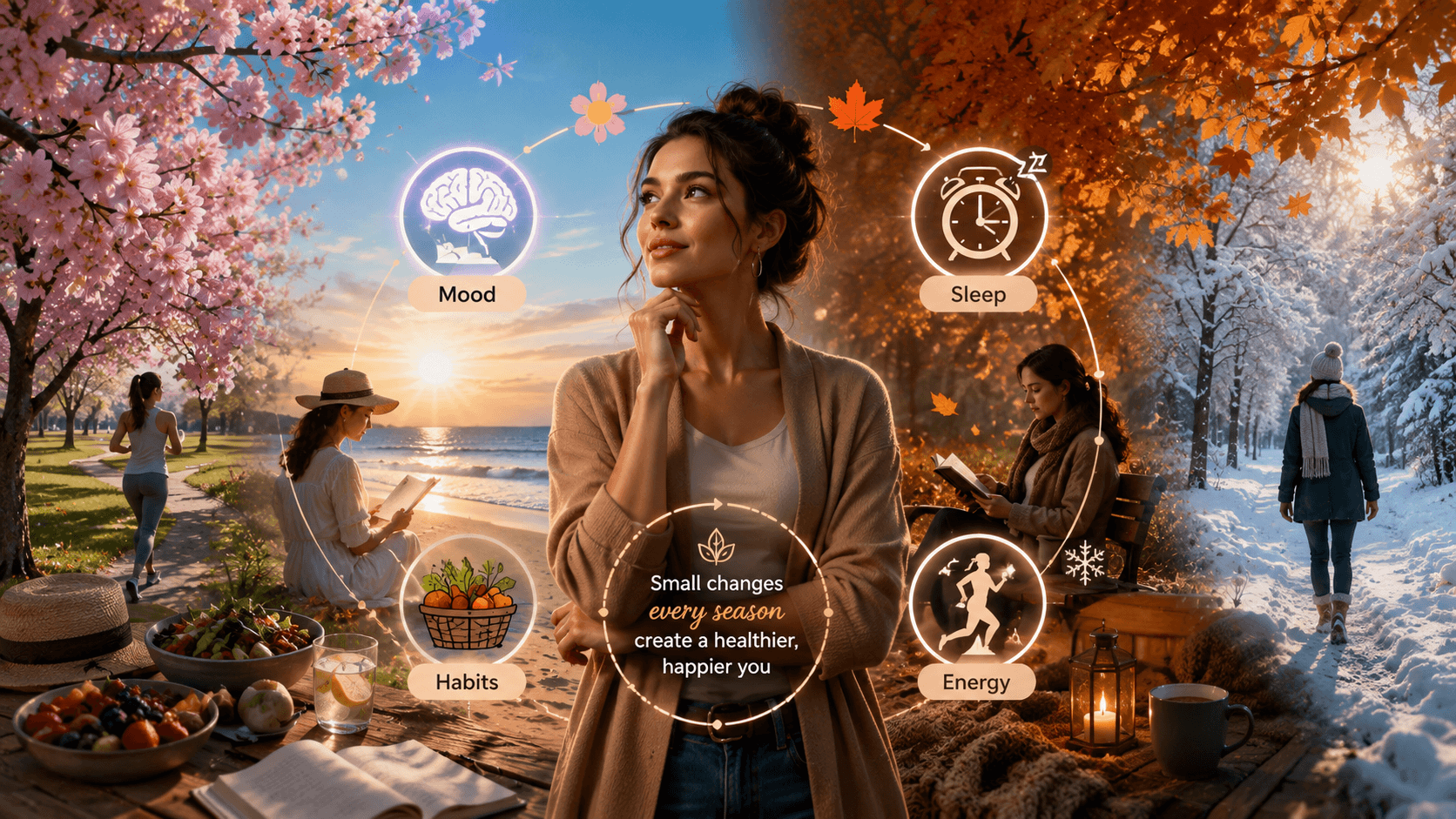
Understanding how do changing seasons affect our lifestyle allows people to work with natural rhythms instead of constantly fighting against them. Seasonal changes will always influence human behavior, but awareness makes adaptation much healthier and easier.
Conclusion
Seasonal changes influence far more than just the weather outside your window, they quietly shape your sleep, mood, energy, diet, and daily habits in ways most people never fully notice. When you understand how do changing seasons affect our lifestyle, it becomes easier to stop blaming yourself for low motivation, irregular routines, or emotional shifts that actually have natural environmental triggers behind them.
Each season brings its own challenges, from winter fatigue and reduced sunlight to summer heat and disrupted sleep patterns. Instead of resisting these changes, adapting your lifestyle in small, consistent ways can help your body stay balanced throughout the year. Simple adjustments in sleep timing, food choices, physical activity, and mental health habits can make a noticeable difference in overall wellbeing.
Living in alignment with seasonal rhythms is not about changing your entire life every few months, but about making smart, timely tweaks that support your body and mind. When you learn to work with nature instead of against it, life feels more stable, productive, and emotionally balanced.
Ultimately, seasonal awareness helps you build a healthier and more sustainable lifestyle that flows naturally with the world around you, rather than constantly fighting against it.


