
Table of Content:
Introduction:
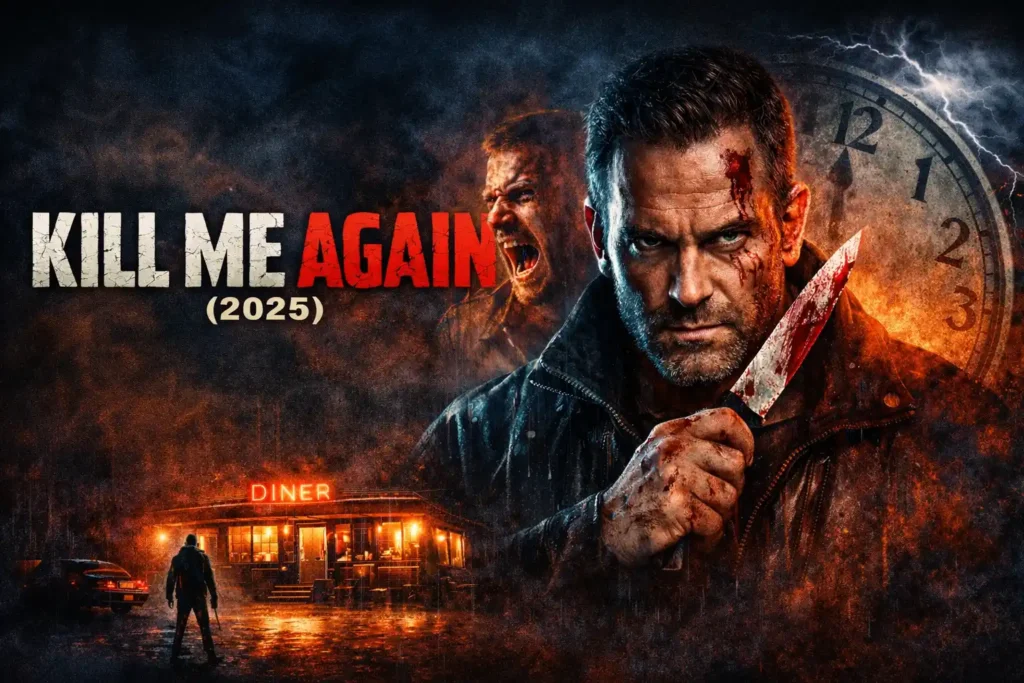
The film Kill Me Again enters a crowded genre with a concept that feels familiar at first glance. Many viewers initially assume it follows a typical action or revenge formula based on early promotional material. However, the film quickly shifts expectations by embracing a darker psychological approach built around repetition, consequence, and moral tension. This approach places it closer to experimental thrillers rather than mainstream horror releases in recent years.
What makes this film stand out is its decision to focus on a morally complex central character instead of a traditional hero. The narrative places the audience in an uncomfortable position where empathy is not easily granted, yet curiosity continues to build. This tension drives the viewing experience and separates it from safer, more predictable storytelling structures. The result is a film that may not appeal to everyone, but it certainly invites discussion among those willing to engage with its premise.
Plot Overview Without Spoilers:

At its core, the story follows a violent individual trapped in a recurring sequence of events that resets after a critical moment. Each cycle forces the character to relive the same scenario while retaining memory of previous outcomes. This structure introduces a psychological layer where actions are no longer driven by instinct alone, but by accumulated knowledge and shifting intentions. Over time, the repetition becomes less about survival and more about control, manipulation, and eventual understanding.
The setting remains relatively contained, which strengthens the sense of isolation and inevitability surrounding the character’s journey. Instead of expanding outward, the film turns inward, exploring subtle changes in behaviour and decision making across repeated loops. This approach may feel slow to viewers expecting constant action, but it rewards those who pay attention to small narrative shifts. The film builds tension gradually, relying on atmosphere rather than spectacle to maintain engagement.
Storytelling and Structure:

The time loop concept is not new, but its execution here attempts to shift the focus from victimhood to accountability. Instead of asking how someone escapes the loop, the film asks whether the character deserves to escape at all. This subtle shift changes the emotional weight of each scene and creates a more unsettling viewing experience. The repetition is not simply a narrative device, but a tool for exploring consequences and moral ambiguity.
However, this structure also introduces pacing challenges that cannot be ignored. Some sequences feel deliberately extended to emphasise repetition, which may test viewer patience over time. The film relies heavily on psychological tension rather than plot progression, and this choice may divide audiences based on their expectations. Those seeking fast paced storytelling may find the experience uneven, while others may appreciate the deliberate pacing and thematic focus.
Performance and Character Depth:

The central performance carries most of the film’s emotional weight, and its success depends on how convincingly the actor portrays gradual transformation. The character begins as distant and difficult to understand, which aligns with the narrative intention. Over time, subtle changes in expression, tone, and behaviour suggest internal conflict that becomes more apparent with each loop. This progression is not dramatic, but it is consistent and carefully developed.
Supporting characters serve more as narrative anchors than fully developed individuals, which may feel limiting in certain moments. Their primary function is to reinforce the cyclical nature of the story rather than evolve independently. While this approach supports the central theme, it also reduces the emotional range of interactions within the film. A stronger supporting cast dynamic could have added additional layers to the overall experience.
Cinematography and Atmosphere:

Visually, the film adopts a restrained style that prioritises mood over spectacle. Lighting choices emphasise shadows and confined spaces, reinforcing the sense of entrapment experienced by the main character. Camera movements remain controlled and deliberate, avoiding unnecessary complexity while maintaining focus on character behaviour. This approach complements the narrative and helps sustain tension throughout repeated sequences.
Sound design also plays a significant role in shaping the viewing experience. Subtle audio cues highlight changes between loops, creating a sense of familiarity that gradually becomes unsettling. Instead of relying on loud or sudden effects, the film builds tension through repetition and variation. This technique may go unnoticed by casual viewers, but it contributes significantly to the overall atmosphere.
Strengths That Stand Out:

One of the film’s strongest elements is its commitment to a clear thematic direction. It does not attempt to satisfy every audience expectation, which allows it to maintain a distinct identity. The focus on moral ambiguity and psychological tension creates a unique experience within the time loop genre. This clarity of vision is often missing in similar films that rely too heavily on familiar formulas.
Another notable strength is the consistency of tone throughout the film. From beginning to end, the narrative maintains a sense of unease that supports its central premise. There are no sudden tonal shifts that disrupt immersion, which helps sustain engagement even during slower moments. This consistency reflects careful direction and a strong understanding of the story being told.
Weaknesses and Limitations:

Despite its strengths, the film is not without flaws that may affect its reception. The pacing remains the most significant issue, particularly for viewers expecting a more dynamic narrative structure. Extended sequences of repetition may feel excessive, even when they serve a thematic purpose. This creates a barrier for audiences who prefer faster storytelling with clearer progression.
Character accessibility is another challenge that limits broader appeal. The decision to centre the story around a morally complex figure reduces emotional connection for some viewers. While this choice is intentional, it requires a level of engagement that not all audiences are willing to provide. As a result, the film may struggle to maintain interest beyond its core concept.
How It Compares to Other Time Loop Films?

Within the broader landscape of time loop narratives, this film positions itself closer to psychological exploration than entertainment driven storytelling. Unlike lighter or more comedic entries in the genre, it avoids humour and focuses on tension and consequence. This distinction helps it stand out, but also narrows its target audience significantly.
Compared to mainstream examples, the film takes more risks in terms of character perspective and narrative focus. These risks do not always pay off, but they contribute to a sense of originality that is worth acknowledging. The film does not redefine the genre, but it offers a different angle that may appeal to viewers seeking something less conventional.
Final Verdict:
Kill Me Again (2025) is not a film designed for universal appeal, and that is both its strength and its limitation. It presents a familiar concept through an unconventional lens, focusing on psychological depth rather than surface level entertainment. The result is a film that feels deliberate and thoughtful, but occasionally struggles with pacing and accessibility.
For viewers interested in darker narratives and morally complex storytelling, the film offers a compelling experience that rewards attention and patience. However, those seeking fast paced action or emotionally driven characters may find it difficult to fully engage. The film succeeds in creating a distinct identity, even if it does not satisfy every expectation associated with its genre.
In the end, the question of whether it is worth watching depends largely on what you expect from a time loop thriller. If you value atmosphere, character study, and thematic depth, the film delivers a unique perspective that stands apart from more conventional entries. If not, it may feel like an experiment that does not fully justify its runtime.
You May Also Like:


