Table of Contents:
- Introduction
- Start With a Calm Foundation for Your Nursery
- Choose Colors and Lighting That Create Comfort
- Create a Quiet Corner for Connection and Relaxation
- Bring Natural Elements Into Your Nursery Decor
- How to Decorate a Nursery on a Budget
- Organize Your Nursery Without Creating Visual Clutter
- Conclusion
Introduction:
Creating a nursery involves more than choosing attractive furniture and decorative accessories. The room should feel comfortable, organized, practical, and welcoming for everyday family life. Thoughtful nursery decor can create visual interest without filling every surface with unnecessary decorations. At Freaky Thread, we believe beautiful nursery spaces can remain simple, practical, and personal.
Many parents begin decorating by selecting a theme before considering how the room will function. However, a beautiful nursery should also support feeding, changing, sleeping, storing clothes, and relaxing. Planning these everyday activities first makes decorating decisions much easier and more practical.
When considering how to decorate a nursery, think about the atmosphere you want to create. Calm colors, natural elements, comfortable lighting, and sensible storage can work together beautifully. You also do not need expensive furniture or countless accessories to create an inviting space.
Start With a Calm Foundation for Your Nursery:

A peaceful nursery usually benefits from a simple foundation instead of excessive decoration. Too many competing colors, patterns, and objects can make the room feel visually crowded. Choosing a small group of complementary colors can create greater balance throughout the space.
Neutral shades can provide a flexible foundation while allowing smaller decorations to introduce personality. Soft greens, warm creams, muted blues, gentle beige, and earthy tones can create appealing combinations. You can then introduce brighter colors through artwork, storage baskets, rugs, or removable decorative accents.
Calm does not mean boring or completely empty because personal details still matter. A thoughtfully placed picture, textured blanket, or colorful accessory can create visual interest. The goal involves balancing attractive details with enough open space around the room.
Think about the room from your child’s eventual perspective rather than adult eye level. A lower viewpoint can reveal crowded displays or overwhelming patterns adults might overlook. This simple perspective can help create more thoughtful and child-centered nursery decor.
Choose Colors and Lighting That Create Comfort:
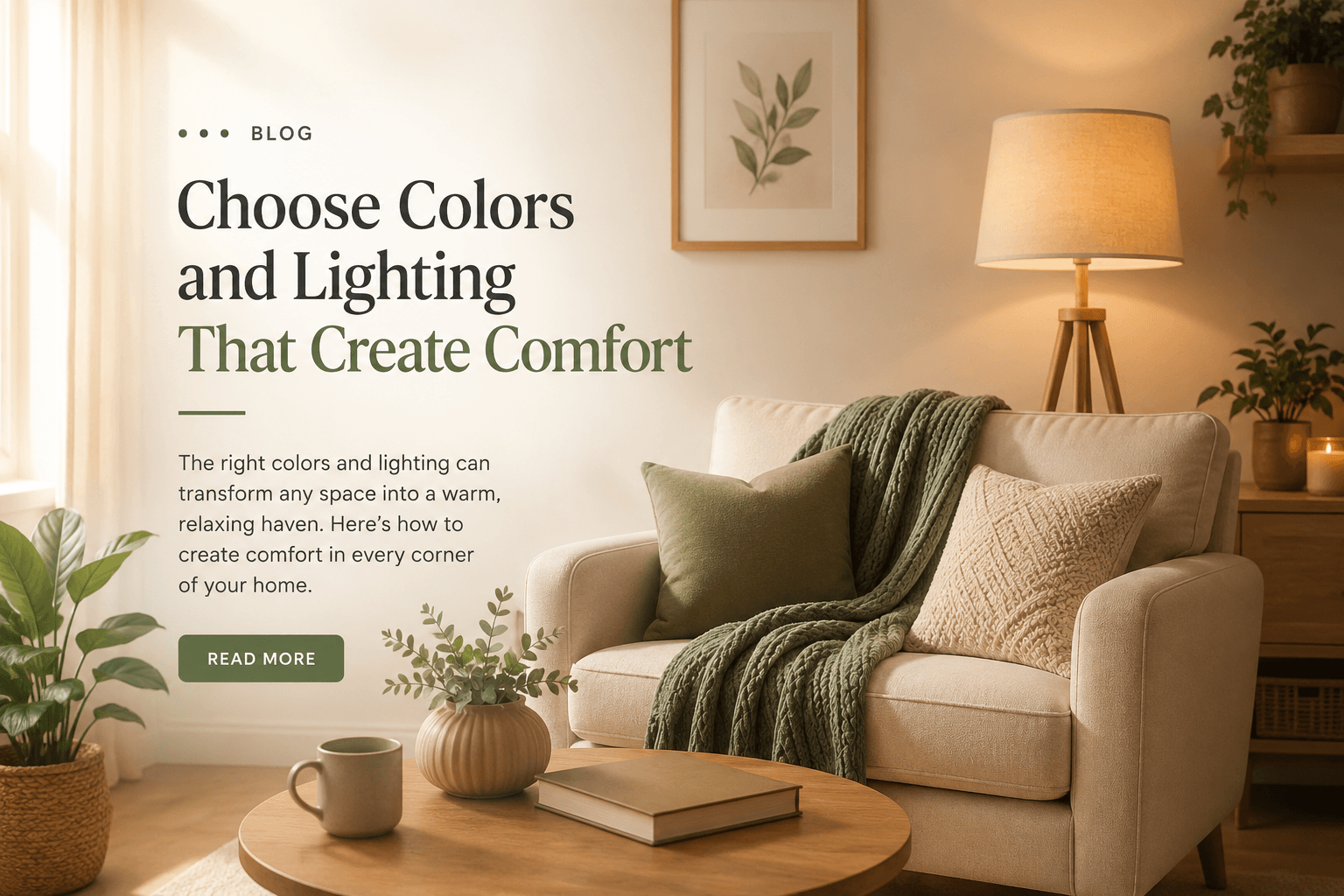
Color plays an important role in establishing the overall visual character of your nursery. Instead of following every decorating trend, consider colors that create an atmosphere you genuinely enjoy. A flexible palette also makes future updates easier when your child’s interests begin changing.
You can use one primary wall color alongside two or three complementary accent shades. This approach prevents decorative elements from competing against each other throughout the room. Artwork, curtains, rugs, and storage accessories can provide additional color without requiring permanent changes.
Natural light can also make a nursery feel brighter, warmer, and more welcoming. Keep windows reasonably unobstructed when possible while still providing suitable ways to control brightness. Curtains or blinds can help manage strong daylight during naps and nighttime routines.
Artificial lighting should support different activities throughout the day and evening. Brighter lighting can help with cleaning and organization, while softer lighting can support calmer nighttime routines. Keep cords organized and positioned away from areas where children could eventually reach them.
Create a Quiet Corner for Connection and Relaxation:
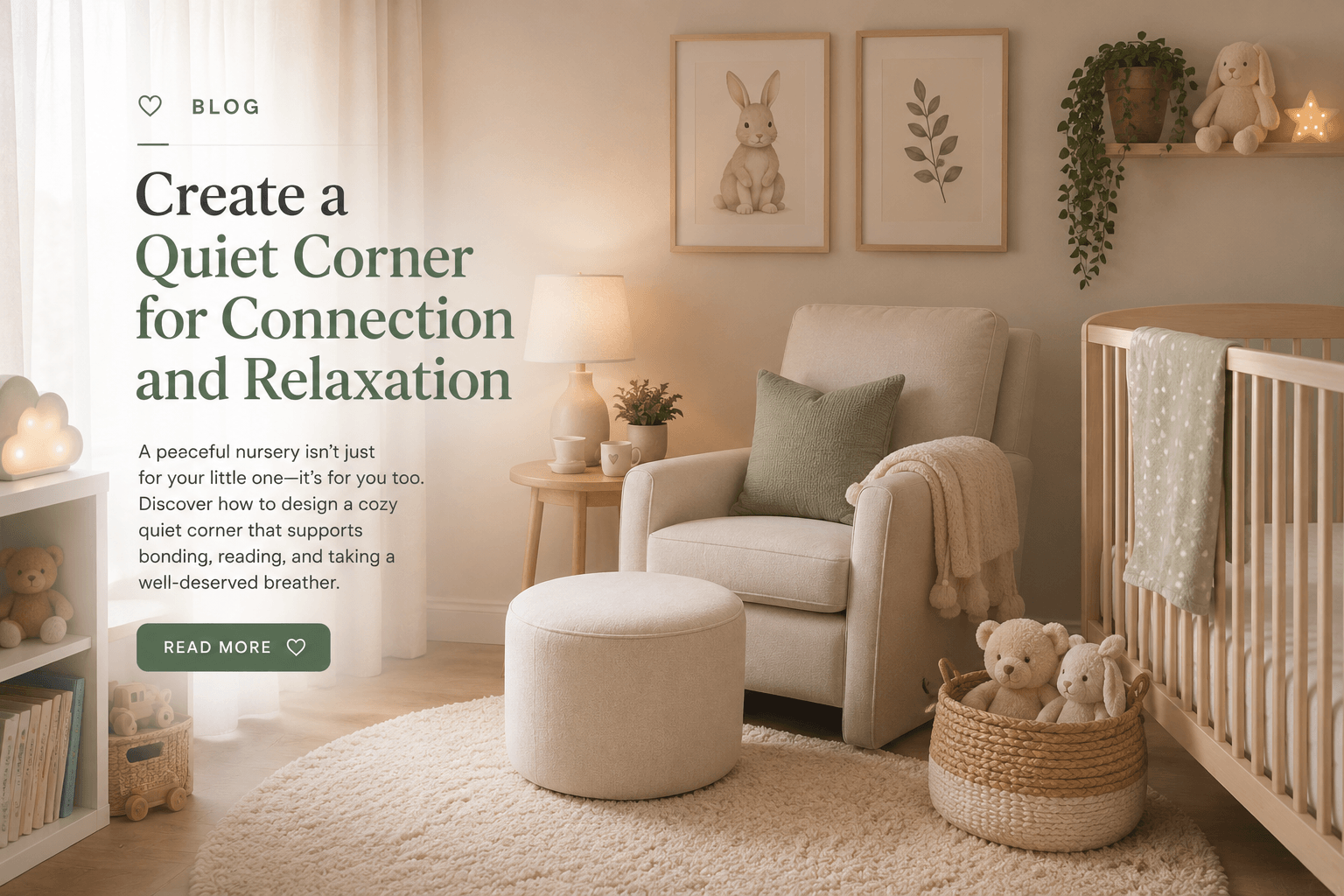
A dedicated quiet corner can make a nursery feel more comfortable without requiring expensive furniture. A comfortable chair beside a small table can create space for feeding, reading, cuddling, or quiet conversations. Keep nearby essentials organized so they remain convenient during everyday routines.
You can make this area inviting through gentle artwork, natural textures, or a small comfortable rug. However, avoid filling the space with unnecessary accessories that reduce usable room. The best quiet corner should feel comfortable while remaining simple to clean and maintain.
A quiet space can also become useful as your child grows and develops new interests. Books, simple artwork, or carefully selected sensory materials can gradually become part of this area. Keep potentially hazardous objects inaccessible and adapt the space as your child’s abilities change.
The reference approach also emphasizes viewing children’s environments from their own perspective. Getting down to a child’s eye level can reveal what feels inviting or overwhelming. This small design exercise can help parents create spaces that encourage comfort and curiosity.
Bring Natural Elements Into Your Nursery Decor:
Natural materials can add warmth and texture without requiring complicated decorating techniques. Wooden furniture, woven baskets, cotton textiles, and nature-inspired artwork can create a softer visual atmosphere. These materials can also complement neutral color palettes particularly well.
Nature-inspired decorations might include illustrations of leaves, animals, clouds, trees, or landscapes. Family photographs from outdoor experiences can also provide more personal decoration. Meaningful artwork often creates greater emotional value than generic decorations purchased simply to fill empty walls.
You can also introduce natural textures through blankets, curtains, rugs, baskets, or simple wooden accessories. However, every material should be selected with practicality and safety in mind. Avoid decorations that create unnecessary risks as your child becomes increasingly mobile.
If you use plants, consider accessibility and maintenance before placing them inside the nursery. Keep unsuitable plants and decorative objects away from children who may eventually reach them. Decorative choices should support the room’s safety while maintaining the natural atmosphere you want.
How to Decorate a Nursery on a Budget:
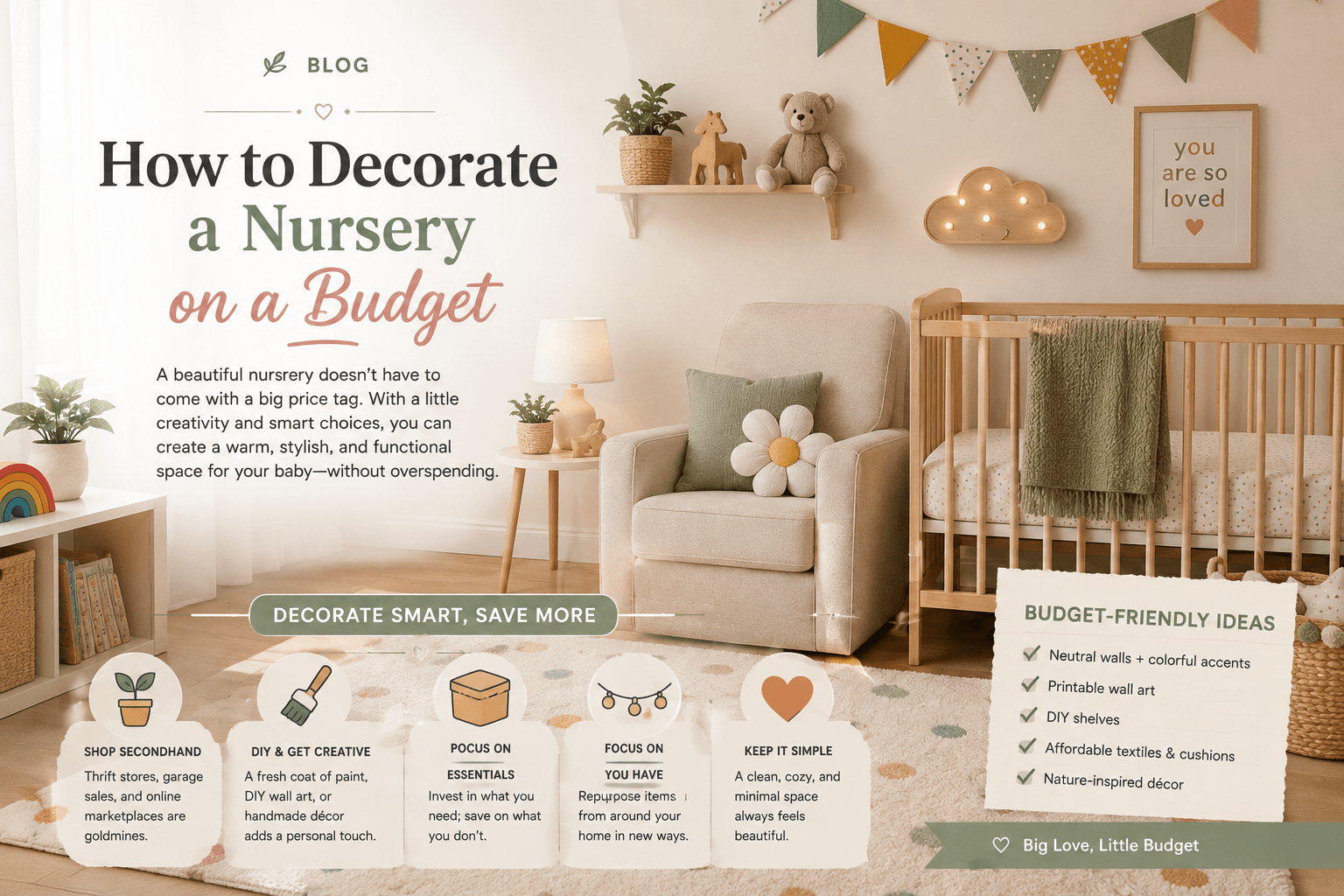
Learning how to decorate a nursery on a budget starts with identifying what you genuinely need. Make a list of essential furniture and everyday supplies before purchasing decorative accessories. This approach prevents attractive but unnecessary products from consuming most of your decorating budget.
You can save money by repurposing suitable furniture, creating simple artwork, and choosing versatile accessories. Secondhand furniture may also reduce costs, but inspect every item carefully before bringing it into the nursery. Check product information, recalls, condition, and safety requirements before using previously owned children’s furniture.
DIY decorations can provide personality without requiring a large investment. Simple framed prints, handmade artwork, fabric accents, and personalized photographs can transform plain walls. You can also reuse storage baskets and suitable household items instead of purchasing complete matching nursery collections.
Budget decorating does not mean choosing the cheapest option available for everything. Prioritize safety, durability, and functionality for essential items before spending money on decorative details. Then use affordable accessories to add personality without compromising important practical requirements.
Organize Your Nursery Without Creating Visual Clutter:
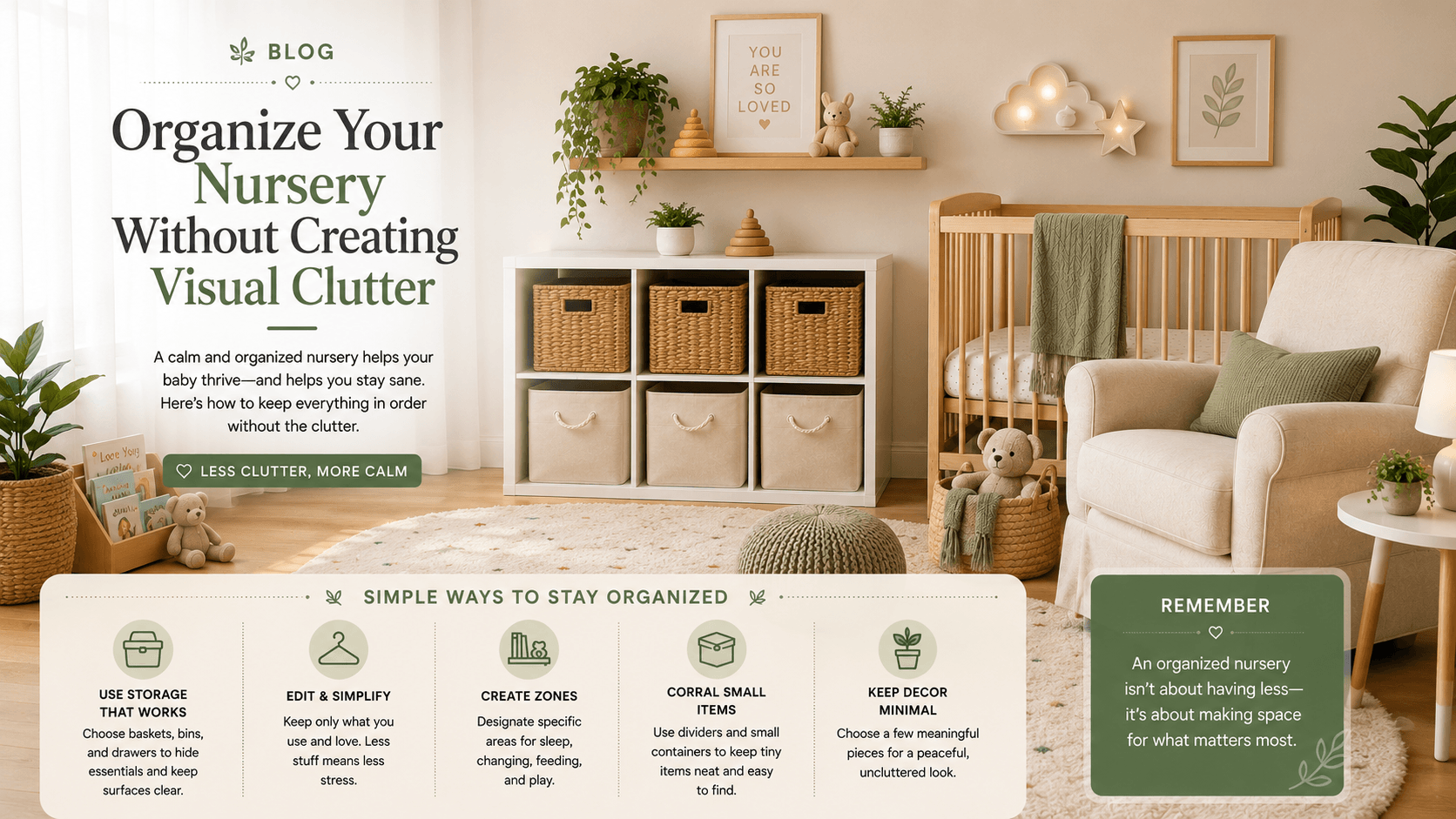
Good organization can make a nursery look calmer while making everyday routines easier. Use baskets, drawers, shelves, and storage containers to keep frequently needed items organized. Group similar products together so you can quickly locate clothing, blankets, books, and other essentials.
Open storage should remain intentionally arranged rather than becoming another collection of miscellaneous objects. Rotate decorative items when necessary instead of displaying everything simultaneously. This strategy can refresh the room without requiring additional purchases.
Furniture placement also affects how spacious and organized the nursery feels. Leave comfortable pathways between major furniture pieces and avoid unnecessary obstacles. Secure appropriate furniture according to manufacturer instructions because unstable furniture can create serious tip-over risks.
The U.S. Consumer Product Safety Commission recommends securing furniture that could tip over. Parents should follow manufacturer instructions and use appropriate anchoring hardware. Regularly checking furniture stability becomes especially important as children become more mobile.
Remember that organization should support your routines rather than simply create an attractive appearance. Frequently used items should remain convenient for adults while unsuitable items stay inaccessible. This balance makes your nursery easier to maintain throughout changing family routines.
Conclusion:
The best nursery decor combines comfort, organization, personality, and thoughtful design. You do not need countless accessories or an expensive makeover to create an attractive nursery. Instead, focus on purposeful choices that make the room practical and welcoming.
If you are learning how to decorate a nursery, begin by considering your family’s actual routines and available space. If your budget is limited, prioritize essential pieces before purchasing decorative accessories. Simple artwork, natural textures, repurposed furniture, and thoughtful storage can create beautiful results.
Safety should remain part of every decorating decision, especially around sleeping areas and accessible furniture. The American Academy of Pediatrics recommends keeping soft objects and loose bedding outside an infant’s sleep space.
Most importantly, avoid feeling pressured to create a perfect nursery before your baby arrives. Your family’s needs will change as your child grows and develops new abilities. At Freaky Thread, we believe the best nursery is comfortable, safe, personal, and designed around real family life.