

Table of Contents:
- Introduction
- What Are Peptides for Weight Loss and Why Are They So Popular?
- How Do Peptides Work for Weight Loss?
- What Is Peptide Therapy for Weight Loss?
- What Is the Best Peptide for Weight Loss?
- Do Peptides Work for Weight Loss?
- Are Peptides Safe for Weight Loss?
- Who Is a Good Candidate for Peptides for Weight Loss?
- Conclusion
Introduction:
Weight loss trends come and go, but peptide medications have gained serious attention recently. Many people are now exploring these treatments after seeing promising clinical results and medical endorsements. However, confusion still exists because not everyone understands what these medications actually do.
Peptides for weight loss are not magic fat burning substances. They are prescription therapies that mimic natural hormones involved in appetite regulation and blood sugar control. Healthcare professionals often prescribe them alongside healthy lifestyle changes rather than using them as standalone solutions.
The growing popularity of these treatments has also created misinformation online. Many websites promote unregulated peptide products without discussing safety risks or medical supervision. This makes it important to understand the science before making any decisions.
This guide explains how peptides work, their benefits, potential risks, and who may qualify for treatment. You will also learn whether these medications are truly effective and safe. At Freaky Thread, we believe informed decisions always lead to better long term health outcomes.
What Are Peptides for Weight Loss and Why Are They So Popular?
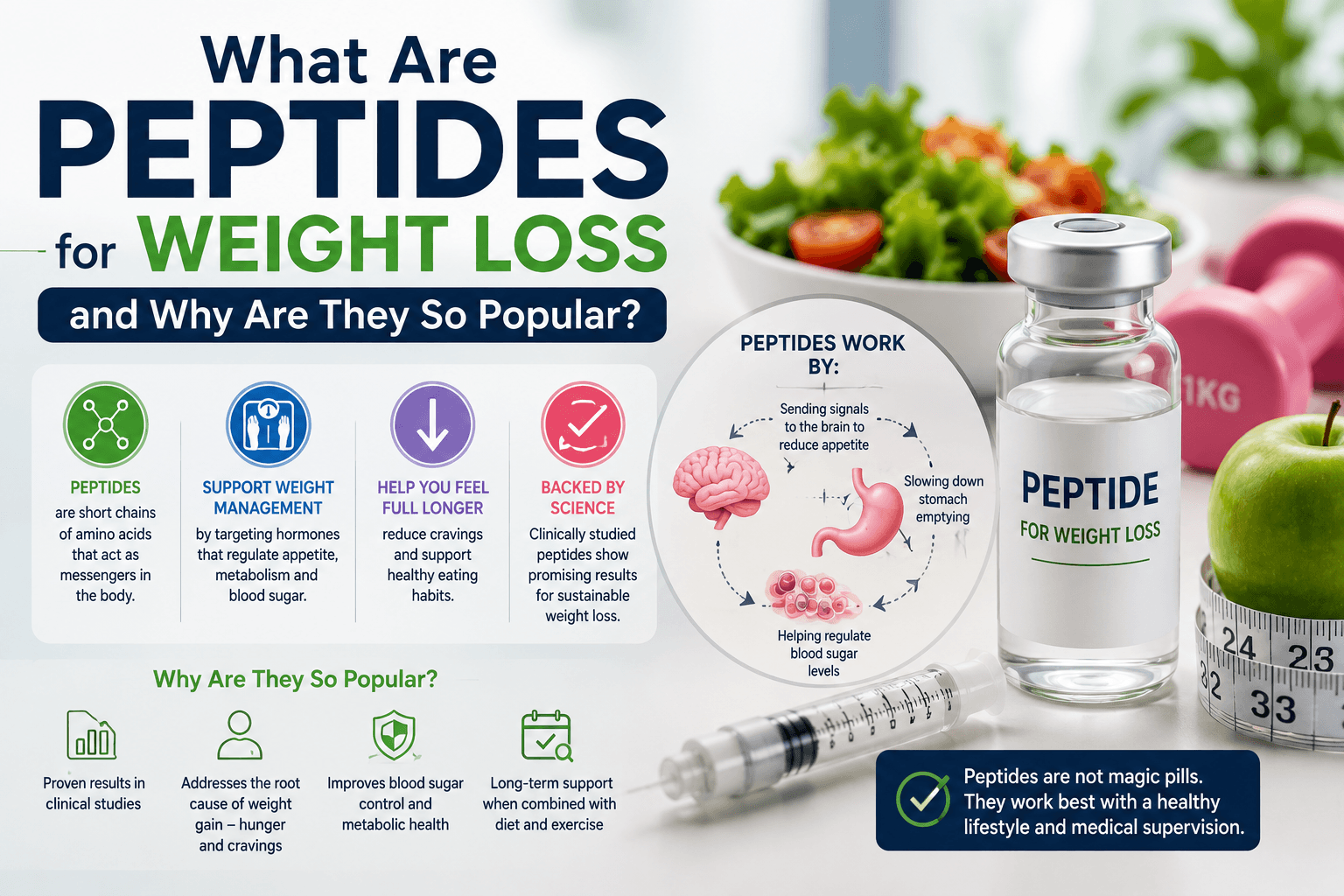
Many people ask, what are peptides for weight loss? Peptides are short chains of amino acids that help different systems communicate inside your body. Some prescription medications mimic natural hormones that influence hunger, digestion, and blood sugar levels.
These treatments have become popular because they address several weight related challenges simultaneously. Instead of simply increasing metabolism, they help regulate appetite and reduce cravings. This creates a more sustainable approach to long term weight management.
Social media has also contributed to their popularity. Celebrities and influencers frequently discuss medications such as semaglutide and tirzepatide. Unfortunately, many discussions leave out important details about medical eligibility and proper supervision.
It is also important to distinguish prescription medications from unregulated products sold online. Approved treatments undergo extensive clinical testing before reaching patients. Unregulated products may contain unknown ingredients and carry significant health risks.
Their popularity continues to grow because obesity remains a major global health concern. Healthcare providers now have more evidence based tools to help patients achieve healthier outcomes.
You may also like:
How Do Peptides Work for Weight Loss?
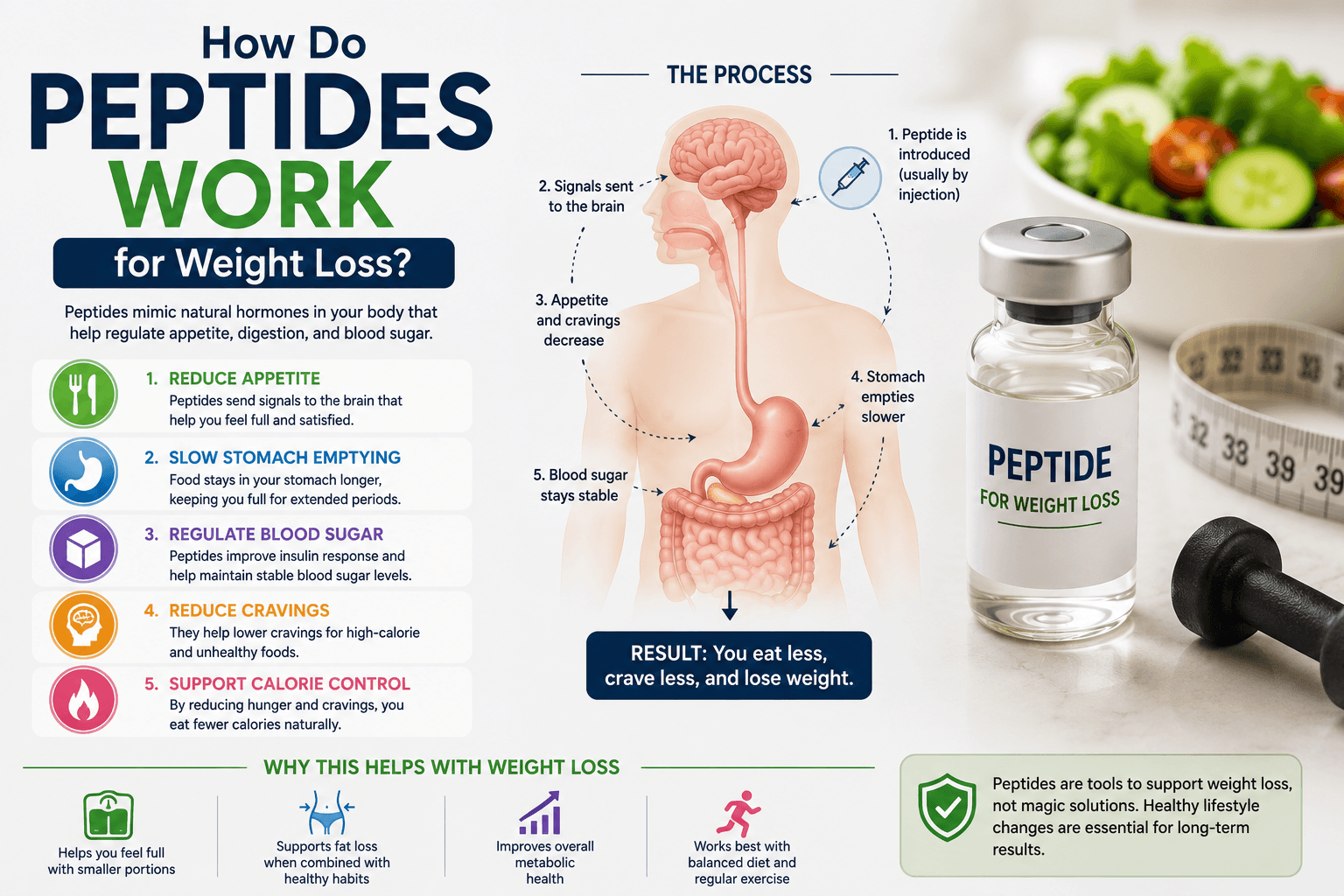
Peptides work by influencing hormones that regulate hunger and digestion. Most approved medications target receptors involved in appetite control and blood sugar balance. This creates several effects that support weight loss efforts.
One of their primary functions involves slowing stomach emptying. Food remains in the digestive system longer, which helps people feel full for extended periods. This naturally reduces calorie intake throughout the day.
These medications also reduce hunger signals sent to the brain. Many patients report feeling satisfied with smaller portions after beginning treatment. This can make it easier to maintain healthier eating habits.
Blood sugar control is another important benefit. Stable blood sugar levels often reduce sudden hunger spikes and sugar cravings. This helps people avoid overeating and unhealthy snacking habits.
However, these medications do not replace healthy lifestyle habits. Doctors strongly encourage balanced nutrition and regular exercise during treatment. Sustainable weight management still depends on long term behavioural changes.
You may also like:
What Is Peptide Therapy for Weight Loss?
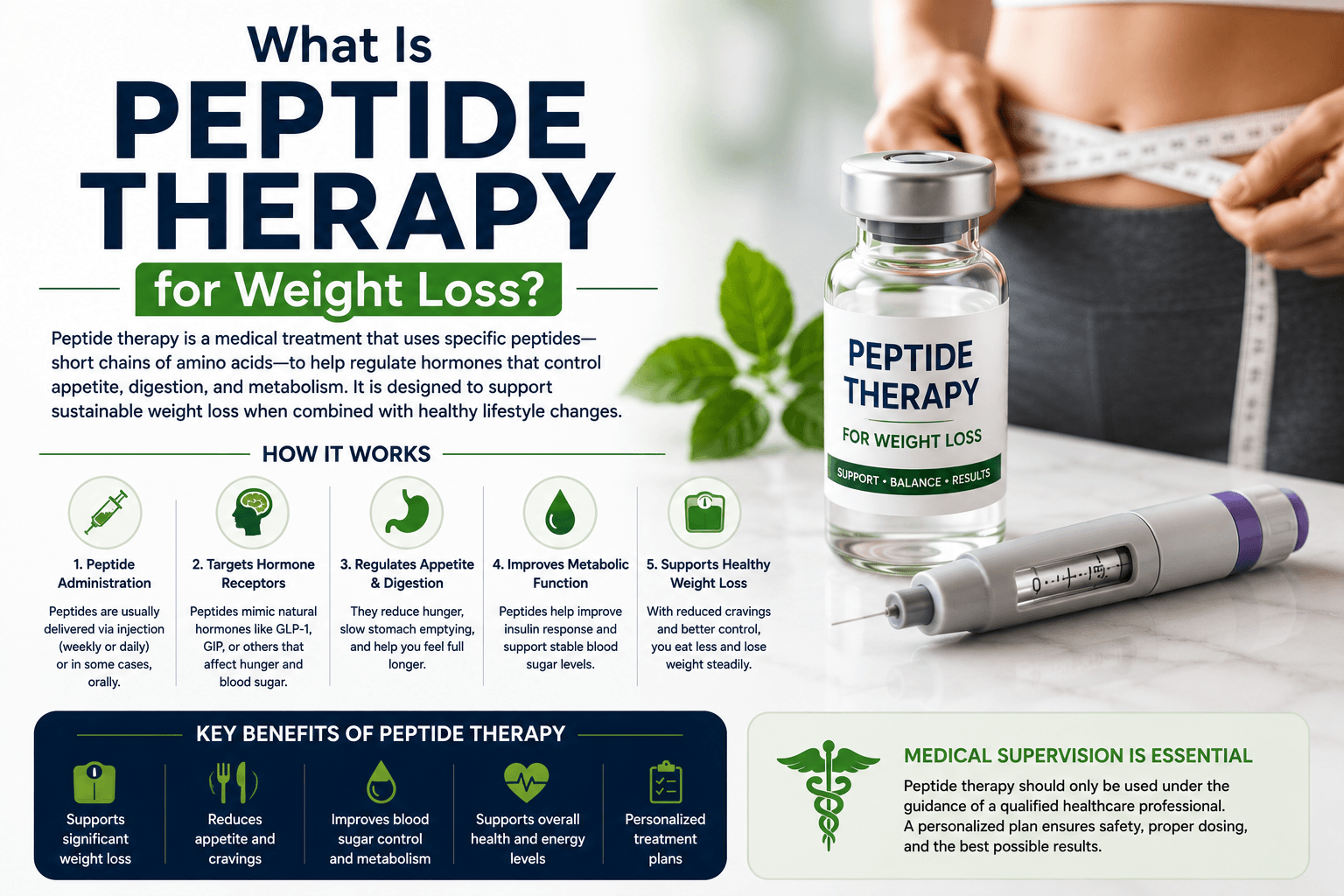
Many people wonder, what is peptide therapy for weight loss? Peptide therapy refers to a medically supervised treatment plan that uses specific peptide medications. These treatments help people manage obesity and certain weight related conditions.
Doctors usually prescribe these medications after evaluating a person’s health history. Body mass index, existing medical conditions, and previous weight loss attempts are often considered. Treatment plans are personalised to each patient’s needs.
Most peptide therapies involve weekly injections, although some oral options exist. Dosages gradually increase over time to minimise side effects. Regular medical follow ups help monitor progress and adjust treatment when necessary.
Peptide therapy is not a cosmetic procedure designed for quick results. It is intended for people who meet specific medical criteria. Patients should never begin treatment without professional guidance.
Healthcare providers also emphasise realistic expectations throughout the process. Weight loss occurs gradually and requires ongoing commitment. Successful outcomes depend on combining medication with healthier daily habits.
You may also like:
What Is the Best Peptide for Weight Loss?
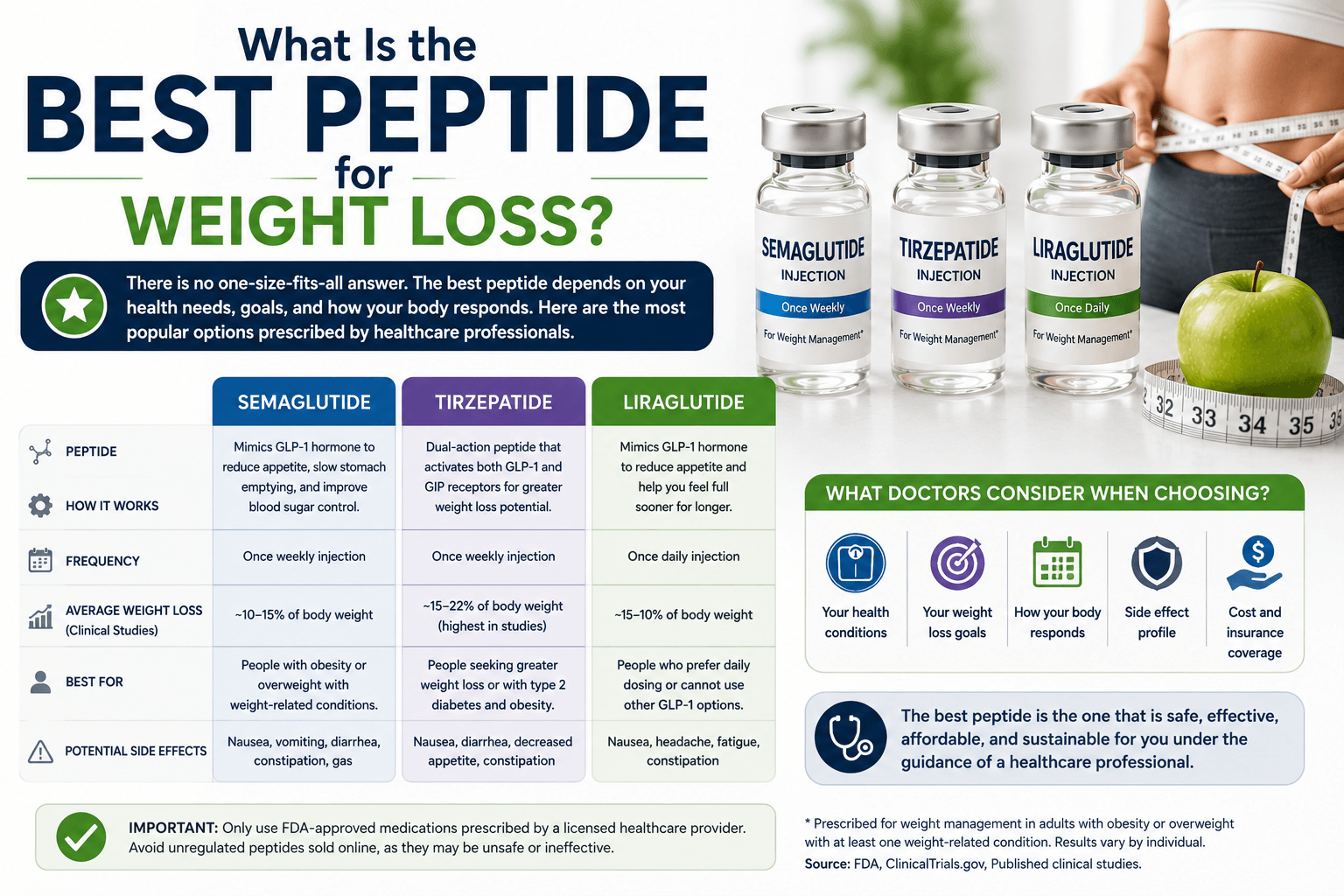
Many patients ask, what is the best peptide for weight loss? There is no single answer because each medication works differently. Healthcare providers choose treatments based on individual health needs.
Semaglutide is one of the most widely known options. It mimics a hormone called GLP 1, which helps control appetite and blood sugar levels. Many patients experience significant weight reduction while using this medication.
Tirzepatide is another advanced treatment that targets both GLP 1 and GIP receptors. Research suggests it may provide greater weight loss for some individuals. However, suitability varies from person to person.
Liraglutide is another approved option that works similarly to semaglutide. Unlike weekly injections, it usually requires daily administration. Some patients may prefer one treatment schedule over another.
Doctors determine the most appropriate option after evaluating your overall health. Factors such as diabetes, medication history, and weight loss goals influence these decisions. Individualised treatment often produces the best outcomes.
You may also like:
Do Peptides Work for Weight Loss?
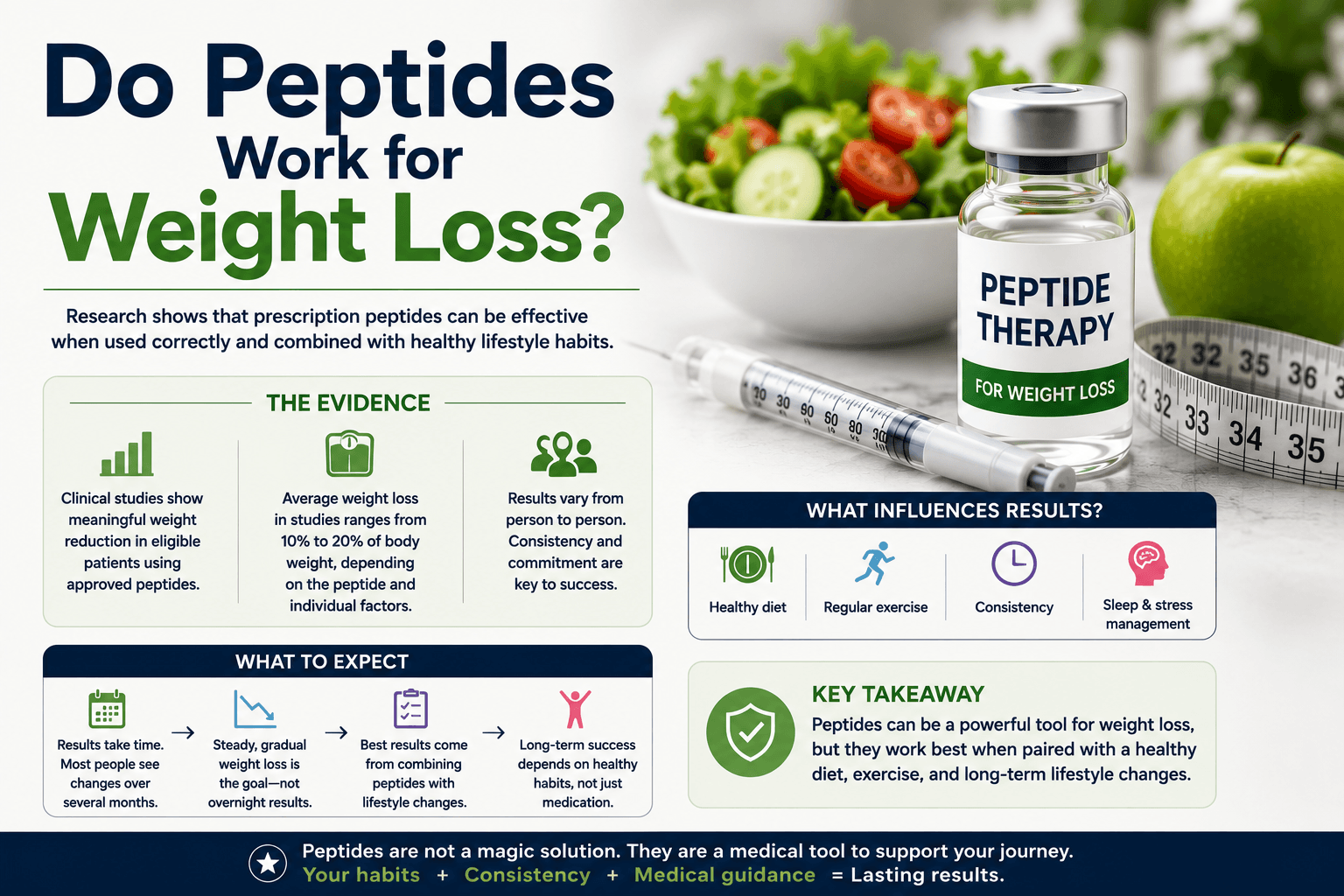
Many people ask, do peptides work for weight loss? Scientific evidence suggests that certain prescription peptides can be effective when used correctly. Several clinical studies have shown meaningful weight reduction among eligible patients using these medications.
Results vary from person to person because every body responds differently. Some individuals lose weight steadily over several months, while others may progress more slowly. Factors such as diet, physical activity, and consistency play important roles.
It is important to understand that peptides are tools rather than miracle solutions. People who rely only on medication without changing their habits may struggle to maintain results. Long term success usually depends on building healthier routines.
Doctors often recommend combining these treatments with a balanced diet and regular exercise. Small lifestyle improvements can significantly enhance the benefits of peptide therapy. Patients who follow medical advice generally experience better outcomes.
Weight loss also takes time and patience. Most people do not see dramatic changes within a few weeks. Sustainable progress often occurs gradually over several months.
Another important point is weight maintenance after treatment. Some people may regain weight if healthy habits are abandoned. This is why doctors encourage long term behavioural changes throughout the treatment process.
Setting realistic expectations helps prevent disappointment. Peptides can support weight management, but they cannot replace personal commitment. Consistency remains one of the most important factors for lasting success.
You may also like:
Are Peptides Safe for Weight Loss?
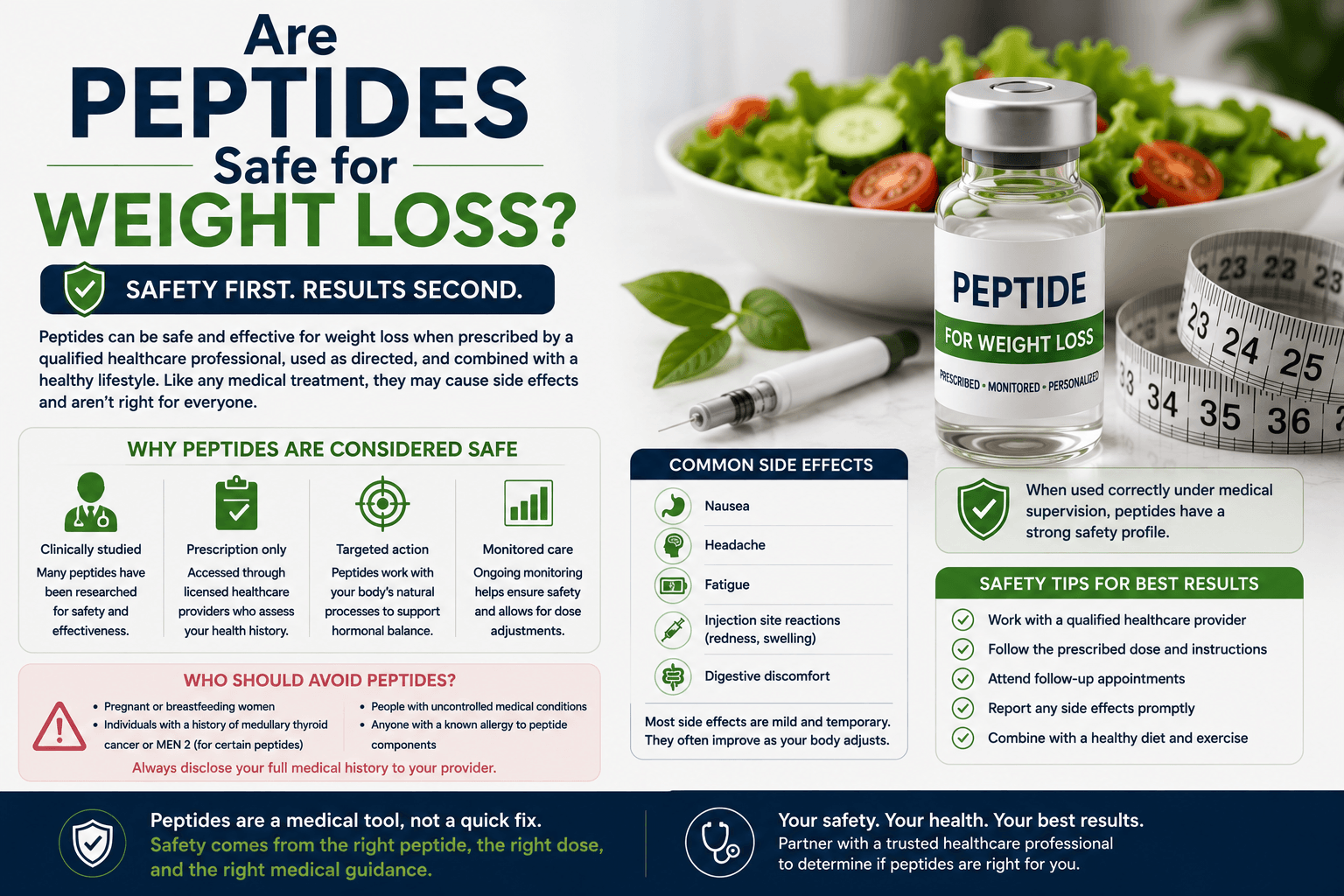
Many people wonder, are peptides safe for weight loss? Approved prescription medications are considered safe for many eligible patients when used under medical supervision. However, like all medications, they can cause side effects.
The most common side effects involve the digestive system. Patients may experience nausea, vomiting, constipation, diarrhoea, or mild stomach discomfort. These symptoms often improve as the body adjusts to treatment.
Doctors usually increase dosages gradually to reduce unwanted side effects. Following the prescribed schedule can help minimise discomfort during the early stages of treatment. Regular communication with your healthcare provider is also essential.
These medications are not suitable for everyone. Pregnant women and people with certain medical conditions may need alternative options. A complete health evaluation is necessary before starting treatment.
One major concern involves unregulated products sold online. Some companies market peptide products without proper approval or quality testing. These products can contain unknown ingredients that may pose serious health risks.
People should never purchase injectable medications from unofficial sources. Approved treatments are only available through licensed healthcare professionals and regulated pharmacies. Medical supervision helps ensure both safety and effectiveness.
At Freaky Thread, we encourage readers to prioritise evidence based information over social media trends. Protecting your health should always come before chasing rapid results.
You may also like:
Who Is a Good Candidate for Peptides for Weight Loss?
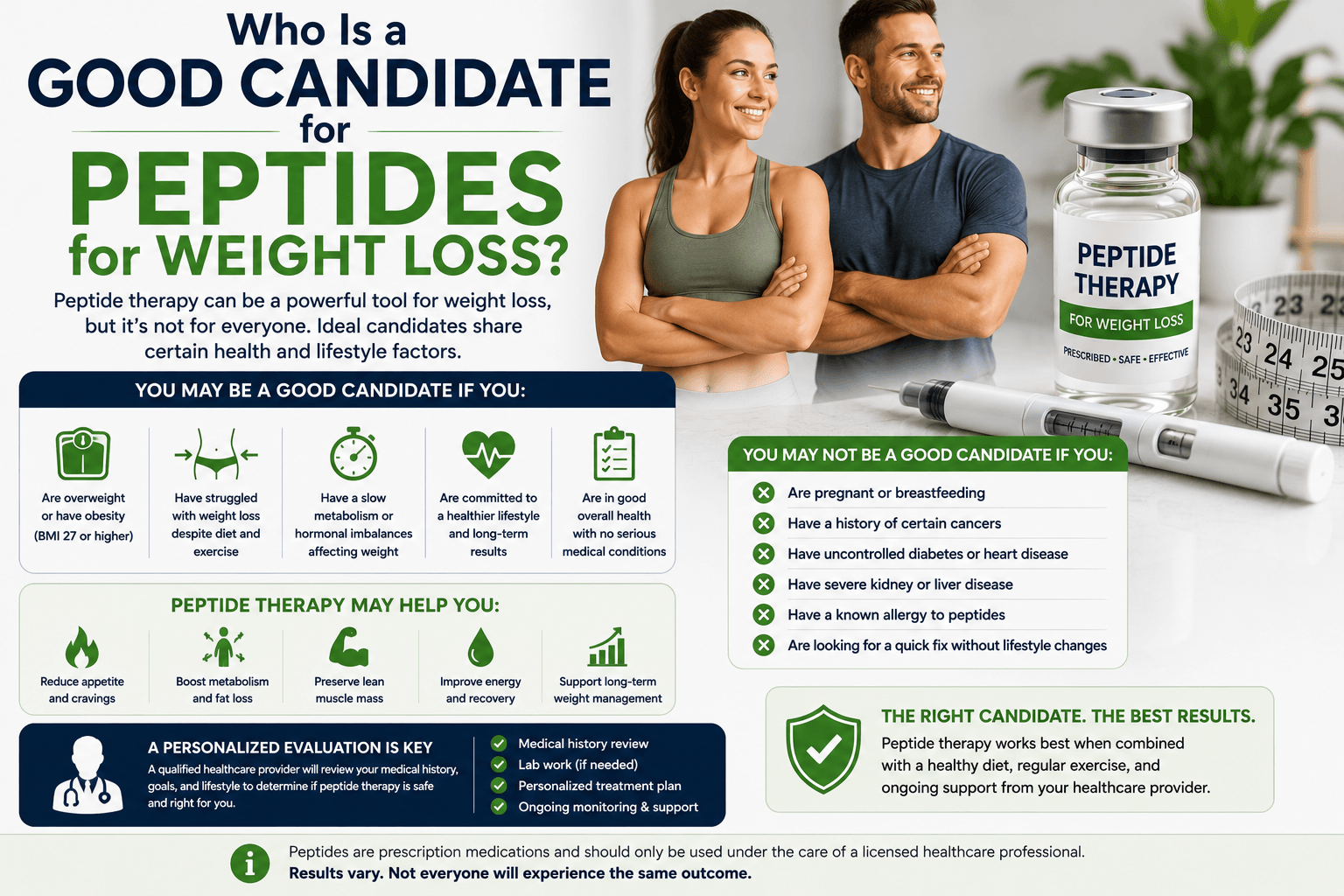
Not everyone qualifies for peptide treatments. Doctors use specific criteria to determine whether these medications are appropriate for a patient. Eligibility often depends on body mass index and overall health conditions.
Many patients qualify if they have a body mass index of 30 or higher. Others may qualify with a body mass index of 27 or higher if they have weight related conditions. Examples include high blood pressure, type 2 diabetes, or high cholesterol.
Healthcare providers also review previous weight loss attempts. Lifestyle modifications are usually encouraged before prescribing medication. Doctors want to ensure patients are prepared for long term changes.
People seeking a quick cosmetic solution may not be suitable candidates. Peptide treatments are designed to support medical weight management rather than temporary appearance goals. Commitment to healthier habits is extremely important.
Patients must also understand the responsibilities involved. Regular appointments, dietary adjustments, and exercise plans often become part of the treatment process. Successful outcomes require active participation rather than passive reliance on medication.
Mental readiness also matters during treatment. Weight management is a long term journey that requires patience and consistency. Patients who embrace gradual progress often experience better results.
If you think you may qualify, speak with a licensed healthcare professional. Personalised advice is always safer than self diagnosing through online sources.
You may also like:
Conclusion:
Peptides for weight loss have changed how doctors approach obesity treatment. These medications provide new opportunities for people struggling with long term weight management challenges. However, they should never be viewed as effortless solutions.
Understanding how these treatments work can help people make informed decisions. Peptides influence appetite, digestion, and blood sugar regulation, but they still require healthy habits. Sustainable results depend on combining medical treatment with lifestyle improvements.
Safety should always remain a priority throughout the process. Avoid unregulated products and seek guidance from qualified healthcare professionals. Evidence based treatment plans offer far greater protection than internet trends.
Long term success comes from consistency rather than speed. Small daily improvements often produce more sustainable results than extreme approaches. Healthy habits remain essential even while using medication.
If you are considering treatment, discuss your options with a healthcare provider first. A personalised plan can help determine whether these medications are appropriate for your situation.
As research continues to evolve, peptides may become an even more important tool for weight management. For now, education and medical supervision remain the best ways to achieve safe and lasting results.


