
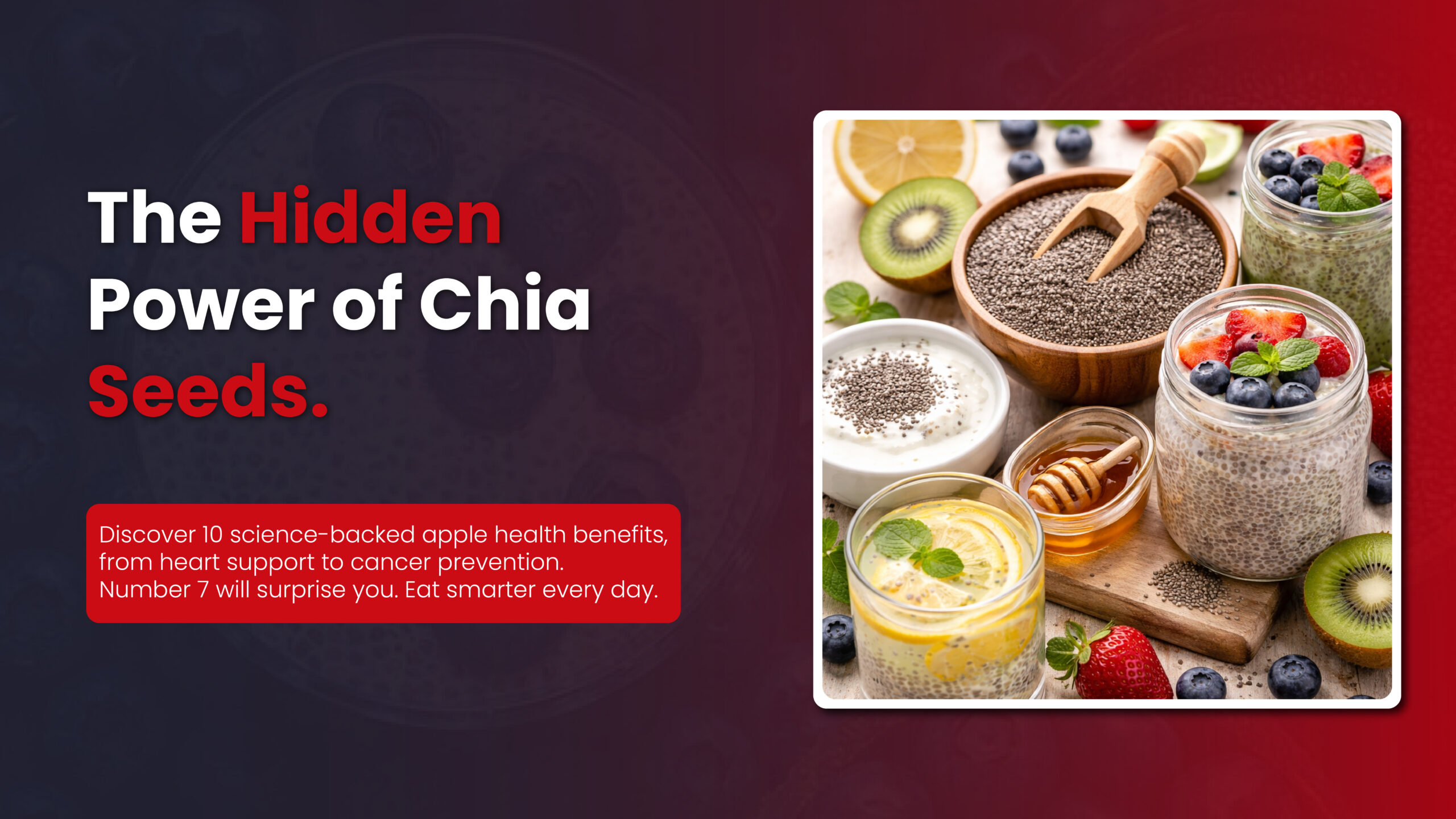
The Hidden Power of Chia Seeds: 8 Health Benefits You Didn’t Know
Introduction
In the modern search for optimal health, we often look for complicated solutions or expensive supplements. Yet, one of the most potent nutritional tools available to us is likely sitting in your pantry right now. Chia seeds, the tiny black and white specks from the Salvia hispanica plant, are often dismissed as just a trendy texture for smoothie bowls. This is a mistake. These seeds are not merely a fad. They represent one of the most nutrient-dense foods on the planet. Historically, they were valued so highly by Aztec civilizations that they were used as currency. Today, modern science is finally catching up to ancient wisdom, confirming that these seeds are a biological powerhouse. When you consume chia seeds, you are not just eating food. You are providing your body with a concentrated dose of structural support, cellular protection, and energy. Below, we explore eight scientifically validated benefits that reveal the true, hidden power of this unassuming superfood.
Unmatched Nutritional Efficiency
The most compelling argument for eating chia seeds is their sheer efficiency. Most foods require you to eat large portions to obtain significant vitamins and minerals. Chia seeds are different. They act like a nutritional concentrate. A standard serving size is about one ounce, or roughly two tablespoons. Within this small volume, you receive a massive biological payload. That single ounce delivers 11 grams of dietary fiber and 4 grams of protein. Furthermore, it provides 9 grams of fat, but the majority of this fat is the healthy, heart-supporting variety. Beyond the macros, these seeds are rich in micronutrients. They supply roughly 18% of your daily calcium needs, 30% of your magnesium requirements, and significant amounts of manganese and phosphorus. They also contain zinc, potassium, and B vitamins. What makes this truly impressive is the caloric cost. You get all of this nutrition for roughly 137 calories. If you consider that the fiber is not digested as energy, the usable calorie count is even lower. There are very few foods in nature that offer this level of nutrient density for such a low caloric investment.
A Fortress of Antioxidants
You have likely heard that antioxidants are good for you, but chia seeds take this to another level. The seeds are packed with diverse antioxidants that protect the delicate fats inside the seed from going rancid. When you eat them, that protection is transferred to your cells. The primary role of these antioxidants is to fight oxidative stress. This is a process where unstable molecules called free radicals attack your cell structures, contributing to aging and diseases like cancer. Chia seeds contain specific compounds such as chlorogenic acid, caffeic acid, myricetin, quercetin, and kaempferol. Each plays a distinct role. For instance, quercetin is linked to reducing heart disease risks, while chlorogenic acid helps regulate blood pressure. By adding chia seeds to your diet, you are essentially fortifying your cells against daily wear and tear.
The Complete Protein Puzzle
For those following a plant-based diet, finding high-quality protein can be a challenge. Most plant proteins are “incomplete,” meaning they lack one or more of the nine essential amino acids that the human body cannot produce on its own. Chia seeds are an anomaly in the plant kingdom. They are a “complete” protein. They contain all nine essential amino acids in the correct proportions. This makes them incredibly valuable for vegetarians, vegans, and even meat-eaters looking to diversify their protein sources. With protein making up about 14% of their weight, they outperform most other plant foods. Protein is the fundamental building block for muscle tissue, skin repair, and enzyme production. A morning bowl of oatmeal topped with chia seeds instantly transforms a carb-heavy breakfast into a balanced, muscle-supporting meal.
The Gel Factor and Gut Health
If you have ever soaked chia seeds in water, you have seen their unique physical property. They are hydrophilic, meaning they love water. They can absorb ten to twelve times their weight in liquid, forming a thick, viscous gel. This gelatinous coating is due to soluble fiber, and it provides massive benefits for your digestive system. When this gel forms in your stomach, it slows down the digestion process. It acts as a prebiotic, which serves as fuel for the beneficial bacteria living in your gut. A healthy microbiome is linked to improved immunity and mental health. By feeding your good bacteria with the soluble fiber from chia seeds, you are supporting your entire internal ecosystem. Additionally, the insoluble fiber in the seeds adds bulk to stool, which helps maintain regularity and prevents constipation.
Chia Seeds for Weight Loss
While no single food acts as a magic eraser for weight, chia seeds provide a mechanical advantage for those trying to lose weight. This goes back to their high fiber and protein content. Because the seeds expand in your stomach and turn into a gel, they physically take up space. This creates a sensation of fullness, or satiety, which signals to your brain that you are done eating. This can prevent overeating and help you stick to a calorie deficit without feeling starved. Furthermore, the protein content helps reduce obsessive thoughts about food. Research suggests that high-protein intakes reduce appetite and the desire for night-time snacking. By integrating chia seeds into your morning routine, you may find yourself naturally eating less throughout the rest of the day.
The Omega-3 Advantage
We often associate omega-3 fatty acids with fish like salmon, but chia seeds are the kings of the plant world when it comes to this nutrient. Gram for gram, they actually contain more omega-3s than salmon. It is important to note the specific type of fatty acid found here. Chia seeds are rich in Alpha-Linolenic Acid (ALA). While the body must convert ALA into active forms like EPA and DHA to use it, ALA itself has powerful health properties. These essential fats are vital for reducing inflammation throughout the body. Chronic inflammation is the root cause of many modern ailments, including joint pain and metabolic issues. A daily dose of chia seeds helps balance your ratio of omega-6 to omega-3 fatty acids, promoting a less inflamed and healthier internal environment.
Cardiovascular Protection
Heart disease remains a leading killer globally, but dietary choices can dramatically alter your risk profile. Chia seeds address heart health from multiple angles.First, the soluble fiber binds to cholesterol in the digestive tract and drags it out of the body before it can be absorbed. This helps lower LDL (bad) cholesterol levels. Second, the antioxidants and omega-3s help reduce inflammation in the arteries and blood vessels. Third, studies indicate that chia seeds may help lower blood pressure in individuals with hypertension. High blood pressure is a silent risk factor for heart attacks and strokes. By relaxing blood vessels and improving circulation, chia seeds act as a cardioprotective agent.
Skeletal Strength Without Dairy
When we think of strong bones, we usually think of a glass of milk. However, for those who are lactose intolerant or vegan, chia seeds are a superior alternative. These seeds are incredibly rich in calcium, phosphorus, and magnesium. These three minerals are the holy trinity of bone density. As mentioned earlier, a single ounce of chia seeds provides nearly 20% of your daily calcium recommendation. When you compare this by weight, chia seeds actually have a higher calcium concentration than most dairy products. Regular consumption can help maintain bone mineral density, which becomes increasingly critical as we age and the risk of osteoporosis rises. What is the Best Way To Eat Chia Seeds? One of the greatest advantages of chia seeds is their culinary versatility. They have a mild, nutty flavor that is easily masked by other ingredients. Unlike flaxseeds, which must be ground up for your body to access the nutrients, chia seeds can be eaten whole. Here are simple methods to include them in your daily regimen:
The Classic Chia Pudding: This is the most popular method. Mix two tablespoons of seeds with a half-cup of almond milk, oat milk, or dairy milk. Let it sit in the refrigerator for at least two hours or overnight. The seeds will absorb the liquid and turn into a pudding consistency. Top with fruit or honey.
The Smoothie Booster: Add a tablespoon of raw seeds to your blender. This adds thickness to the smoothie and provides a nutrient kick without altering the taste.
The Egg Substitute: For vegan baking, you can make a “chia egg.” Mix one tablespoon of seeds with three tablespoons of water and let it sit for five minutes. It becomes gooey and can bind ingredients together in baking recipes just like an egg would.
Salad Topper: Sprinkle raw seeds over your lunchtime salad for a subtle crunch and a protein boost.
Hydration Hack: The Tarahumara tribe of Mexico, known for their long-distance running, drink “Iskiate.” This is a mixture of water, chia seeds, lemon juice, and sugar. It acts as a natural energy drink. Important Safety Considerations While chia seeds are generally safe, there are two factors to consider.
Digestive Adjustment: If you currently eat a low-fiber diet, suddenly introducing a large amount of chia seeds can cause bloating or gas. Your gut bacteria need time to adjust. Start with half a tablespoon a day and slowly work your way up. ** hydration is Key:** Because these seeds absorb so much liquid, you must drink plenty of water when you eat them. If you eat a spoonful of dry seeds and do not drink water, they could potentially expand in your throat or esophagus. It is always safer to eat them pre-soaked or to drink a tall glass of water immediately after consuming them.
Conclusion
It is rare to find a food that delivers on so many promises. Chia seeds are not just a health fad. They are a legitimate superfood backed by nutritional science. They offer a unique combination of high-quality protein, essential fats, critical minerals, and digestion-regulating fiber. Whether your goal is to lose weight, strengthen your bones, protect your heart, or simply improve your overall nutrition, these tiny seeds provide a simple solution. You do not need to overhaul your entire lifestyle to see benefits. By simply adding a spoonful of chia seeds to your morning routine, you are making a profound investment in your long-term health. The power may be hidden inside a tiny shell, but the results for your body are massive.


