

Table of Content:
- Introduction
- Build a Daily Routine That Creates Structure and Focus
- Learn a New Skill That Adds Value to Your Future
- Practice Mindfulness and Meditation for Mental Clarity
- Declutter and Organise Your Living Space
- Stay Connected Through Meaningful Virtual Interactions
- Engage in Creative Activities to Reduce Stress and Boost Expression
- Focus on Physical Health Through Simple Home Workouts
- Final Thoughts
Introduction:
Spending long periods at home can feel restrictive, yet it also creates a rare chance to reset your habits and priorities. Many people experienced this shift during global lockdowns, when daily routines slowed and personal time increased significantly. Research in behavioural psychology shows that consistent small habits can improve mood, productivity, and long term life satisfaction. This means your time at home can become a powerful tool for self improvement if used intentionally. Instead of focusing on limitations, you can focus on meaningful activities that strengthen your mental health, skills, and daily structure. The key is choosing activities that are simple to start, easy to maintain, and aligned with your goals. In this blog, Freaky Thread will discuss seven positive social distancing activities that can genuinely improve your life while you stay at home.
1. Build a Daily Routine That Creates Structure and Focus:
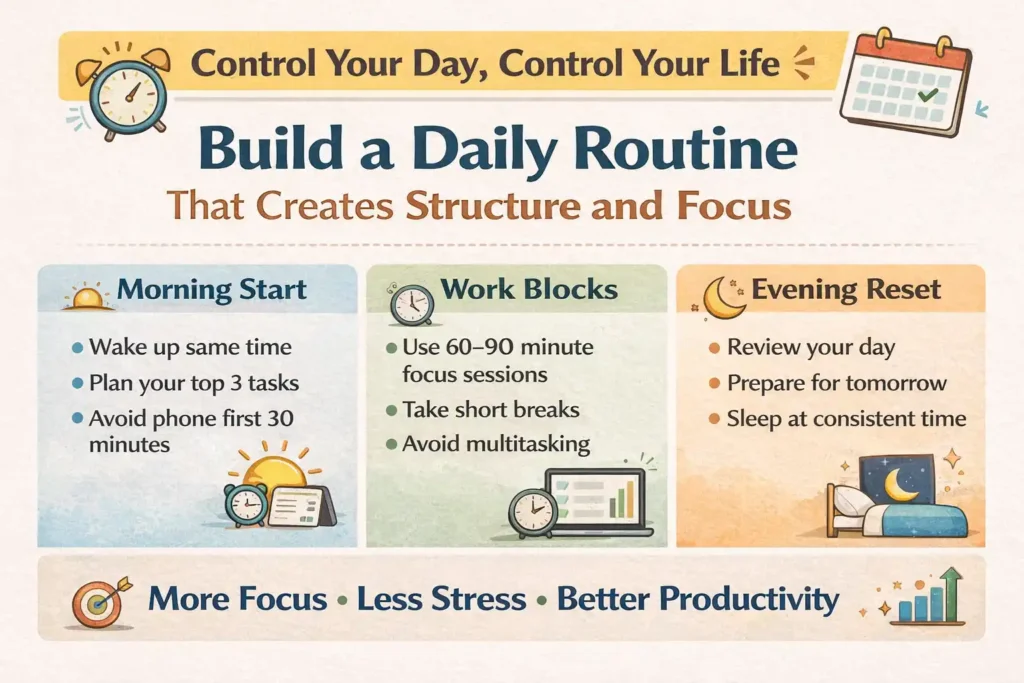
Creating a daily routine is one of the most effective ways to regain control over your time at home. Studies show that structured routines reduce stress and improve productivity by giving your brain a predictable pattern to follow. Without a routine, it becomes easy to drift between tasks and lose focus throughout the day. Start by setting fixed times for waking up, meals, work, and relaxation, then gradually adjust based on your energy levels. You do not need a perfect schedule, but consistency matters more than complexity in this process. A simple routine with clear priorities can help you stay motivated and avoid procrastination. Over time, these small structured actions build discipline and create a sense of achievement every day.
2. Learn a New Skill That Adds Value to Your Future:
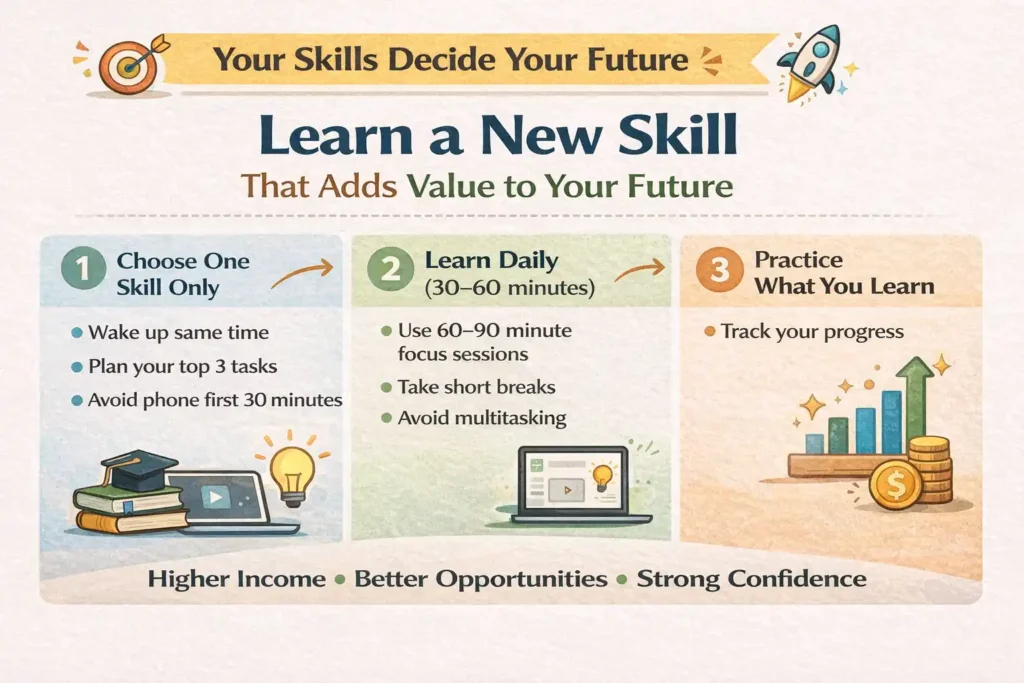
Learning a new skill at home is one of the most productive ways to use your time during social distancing. Online platforms have made it easier than ever to access courses in digital marketing, design, coding, and communication. Research indicates that continuous learning improves cognitive flexibility and keeps your brain active and engaged. Choose a skill that aligns with your interests or career goals, then break it into small learning sessions each day. Instead of trying to learn everything quickly, focus on consistent progress and practical application of knowledge. Even thirty minutes of focused learning daily can lead to noticeable improvement within a few weeks. Over time, this investment can open new opportunities and increase your confidence in your abilities.
3. Practice Mindfulness and Meditation for Mental Clarity:
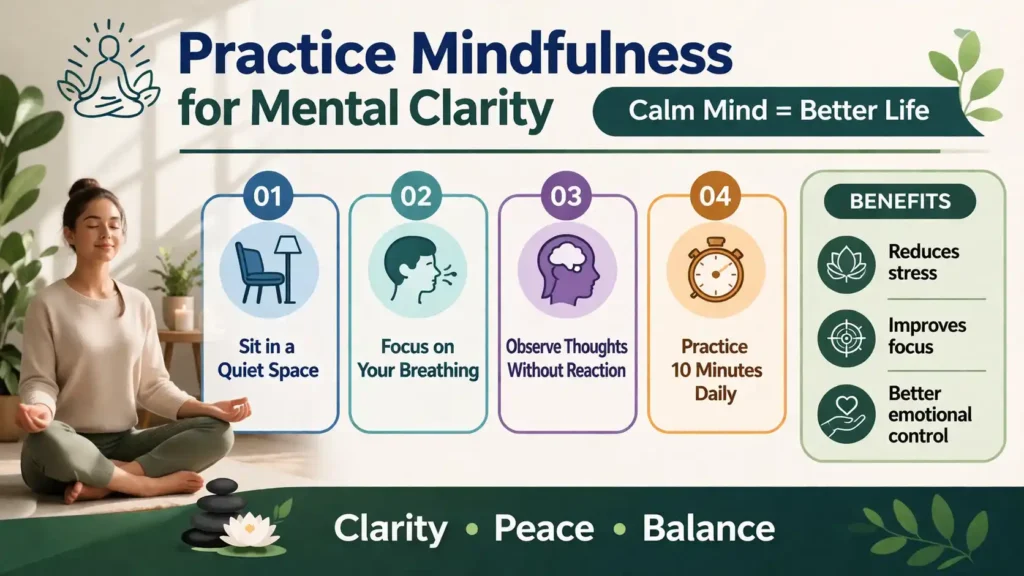
Mental health is often the first area affected when people spend extended time in isolation. Mindfulness and meditation are proven techniques that help reduce anxiety, improve focus, and enhance emotional stability. Scientific studies show that regular meditation can lower stress hormones and improve overall well being. You can start with short guided sessions using mobile apps or simple breathing exercises at home. Sit in a quiet space, focus on your breathing, and gently bring your attention back when distractions arise. This practice does not require perfection, but it benefits greatly from consistency and patience. Over time, mindfulness helps you respond calmly to challenges instead of reacting impulsively to stress. This creates a more balanced mindset and improves your ability to handle daily situations.
4. Declutter and Organise Your Living Space:
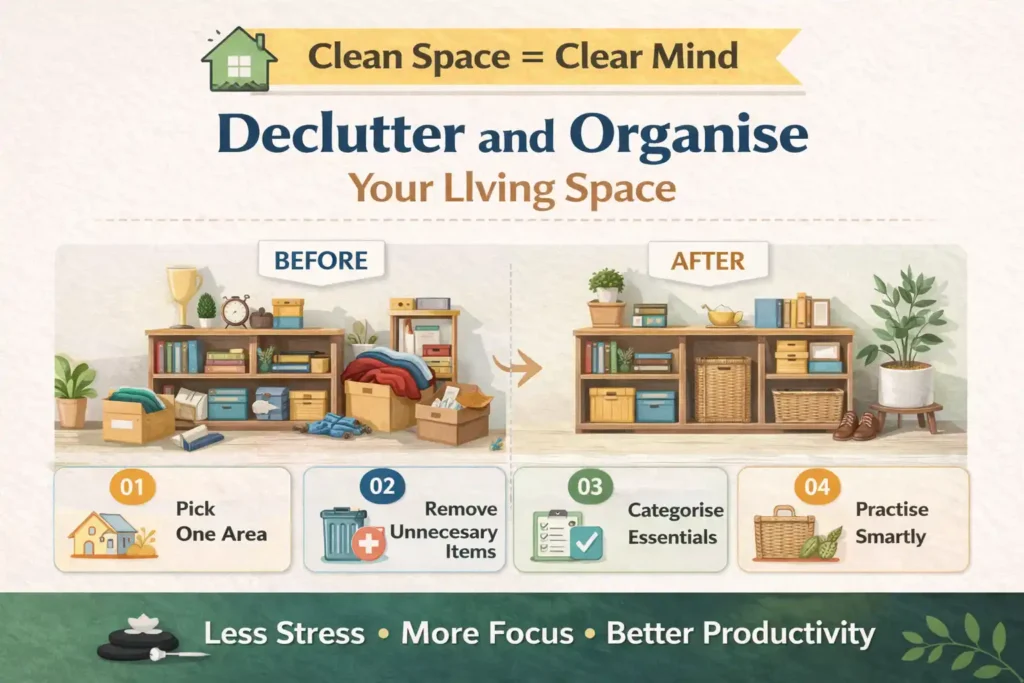
Your environment has a direct impact on your mental state, focus, and productivity levels. Studies in environmental psychology suggest that cluttered spaces can increase stress and reduce concentration. Social distancing provides the perfect opportunity to organise your home and create a more functional space. Start by clearing one area at a time, such as your desk, wardrobe, or kitchen. Sort items into categories like keep, donate, or discard, then arrange what remains in a logical way. A clean and organised environment makes it easier to focus on important tasks and reduces unnecessary distractions. It also creates a sense of control and accomplishment that positively affects your mood. Maintaining this order over time becomes easier once the initial effort is completed.
5. Stay Connected Through Meaningful Virtual Interactions:
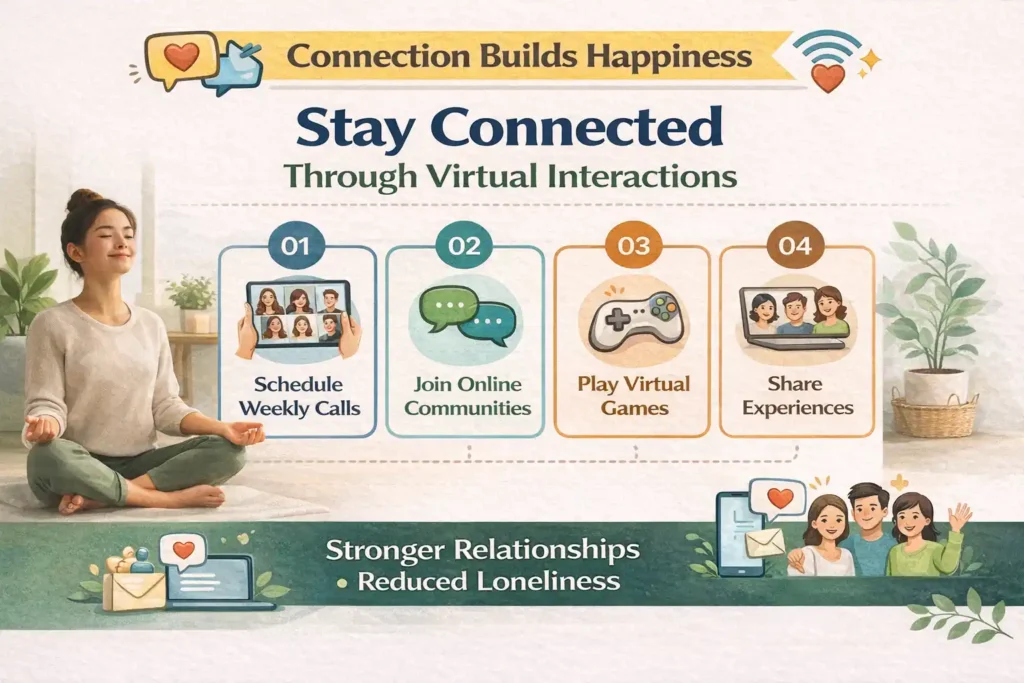
Social distancing does not mean complete social isolation, as technology allows people to stay connected in meaningful ways. Maintaining relationships is important for emotional health, especially during periods of reduced physical interaction. Research shows that strong social connections can reduce stress and improve overall happiness. Schedule regular calls with friends, family members, or colleagues to share experiences and support each other. Instead of passive scrolling on social media, focus on active communication that builds real connection. Virtual activities such as online games, discussions, or shared learning sessions can make interactions more engaging. These connections help reduce feelings of loneliness and create a sense of belonging even when you are physically apart.
6. Engage in Creative Activities to Reduce Stress and Boost Expression:
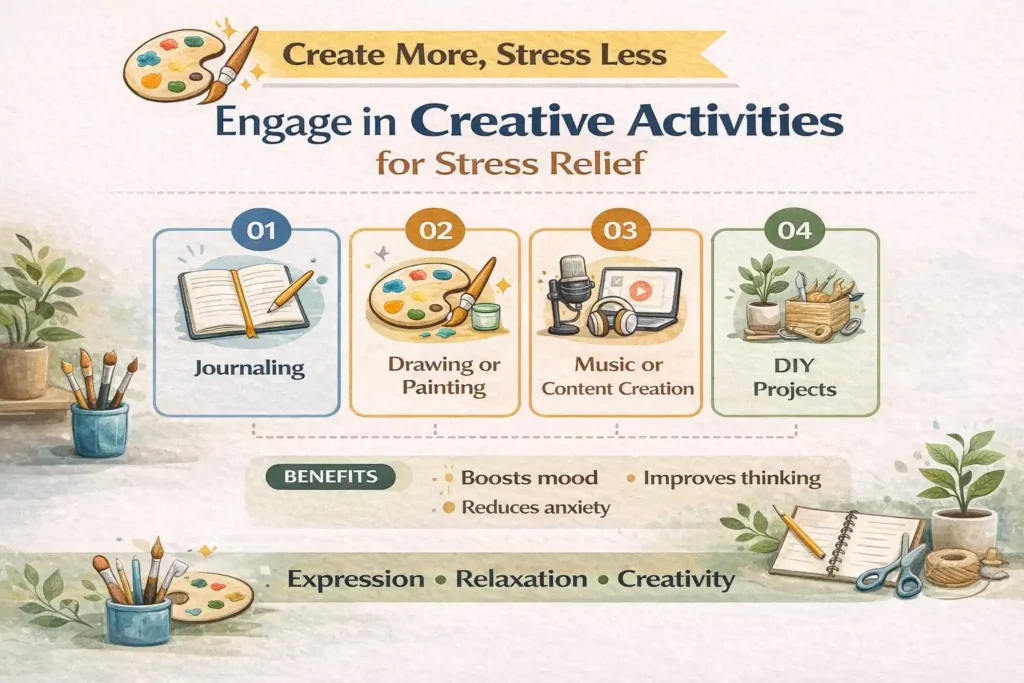
Creative activities are powerful tools for self expression and emotional release during challenging times. Engaging in art, writing, music, or crafting can significantly reduce stress and improve mental well being. Studies suggest that creative expression activates parts of the brain associated with reward and relaxation. You do not need professional skills to benefit from creativity, as the process itself is what matters most. Set aside time each day to explore something creative without worrying about perfection or results. This can include journaling your thoughts, drawing simple sketches, or experimenting with new ideas. Over time, creative habits can improve your mood and help you understand your thoughts more clearly. This makes creativity both a productive and therapeutic activity at home.
7. Focus on Physical Health Through Simple Home Workouts:
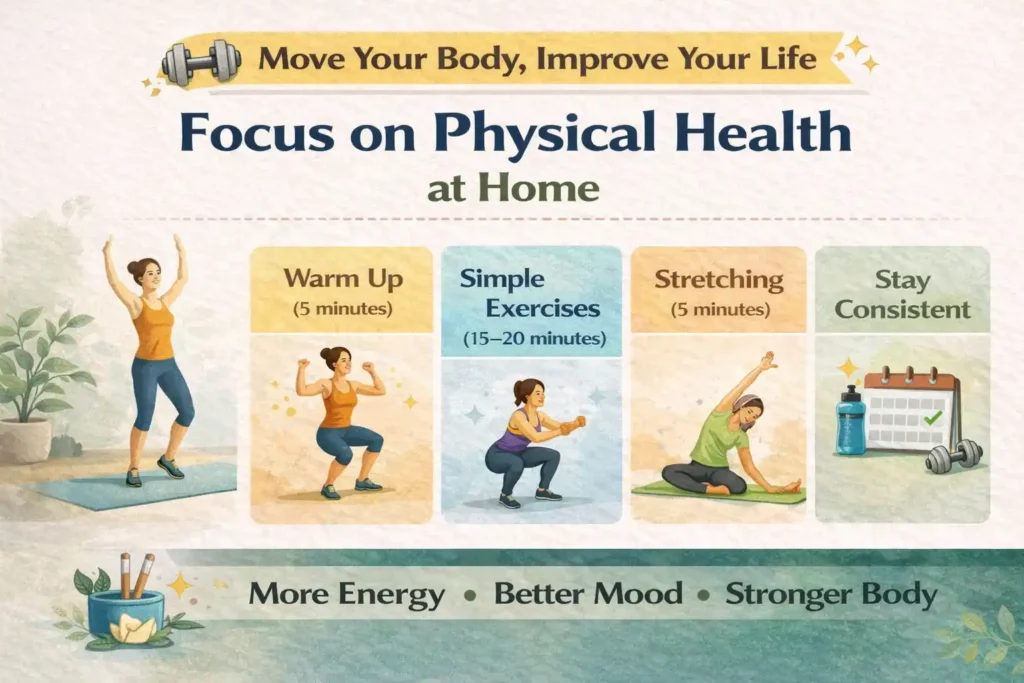
Physical activity plays a crucial role in maintaining both physical and mental health during social distancing. Regular exercise has been proven to improve mood, boost energy levels, and support overall health. You do not need a gym membership to stay active, as many effective workouts can be done at home. Start with simple exercises such as stretching, bodyweight movements, or short fitness routines available online. Consistency is more important than intensity, so aim for regular sessions that fit your schedule. Even moderate activity can release endorphins that improve your mood and reduce stress levels. Over time, building this habit can increase your stamina, strength, and overall sense of well being.
Final Thoughts:
Social distancing can feel limiting at first, but it can also become a powerful opportunity for growth and improvement. The activities listed above are simple, practical, and backed by research on mental health, productivity, and habit formation. The key is to start small and remain consistent with your chosen activities over time. You do not need to implement all seven ideas at once, but selecting a few that align with your goals is a good starting point. As you build these habits, you will begin to notice positive changes in your mindset, productivity, and overall quality of life. Your time at home can either pass without purpose or become a foundation for meaningful progress. The choice depends on how you decide to use it.
You May Also Like:


