Table of Contents:
- Introduction
- Why Indoor Herb Gardens Are Perfect for Small Spaces
- Best Herbs to Grow Indoors
- Light, Soil, and Water Requirements
- How to Start an Indoor Herb Garden Step by Step
- Best Locations in Your Home for Herbs
- Care and Maintenance Tips
- Common Mistakes to Avoid
- Creative Indoor Herb Garden Ideas
- Benefits of Indoor Herb Gardens
- Conclusion
Introduction
Why Indoor Herb Gardens Are Perfect for Small Spaces
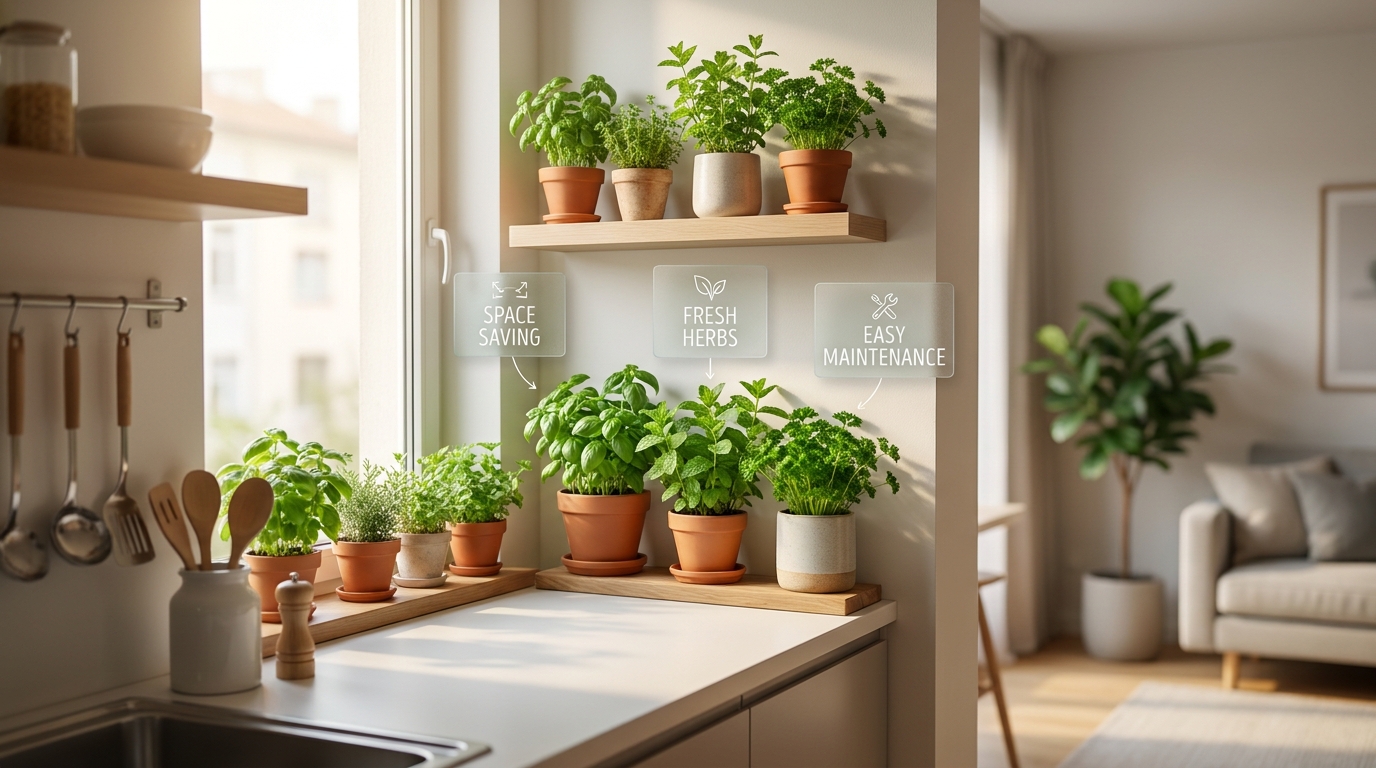
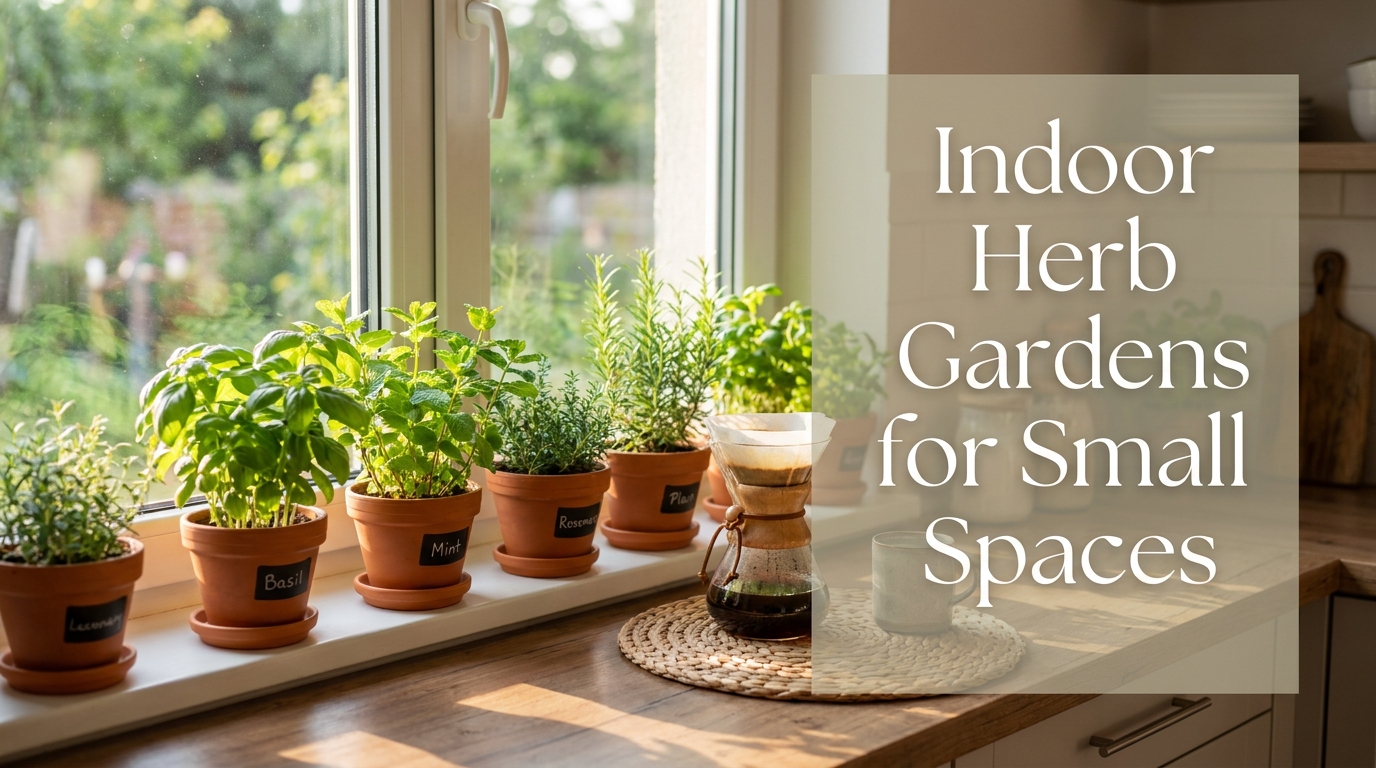
Indoor herb gardens provide easy access to fresh herbs throughout the year. Fresh herbs often lose flavor when stored for long periods in markets. Growing them at home ensures better taste and higher nutritional value. Many people also save money by avoiding repeated grocery purchases. Small space living does not limit the possibility of growing herbs indoors. Even a small windowsill can support a productive herb garden setup. This makes indoor herb gardening suitable for urban lifestyle needs. Indoor gardening also encourages healthier eating habits over time. It reduces dependency on store bought packaged herbs significantly. Many urban homes are now adopting this sustainable gardening practice.
Best Herbs to Grow Indoors
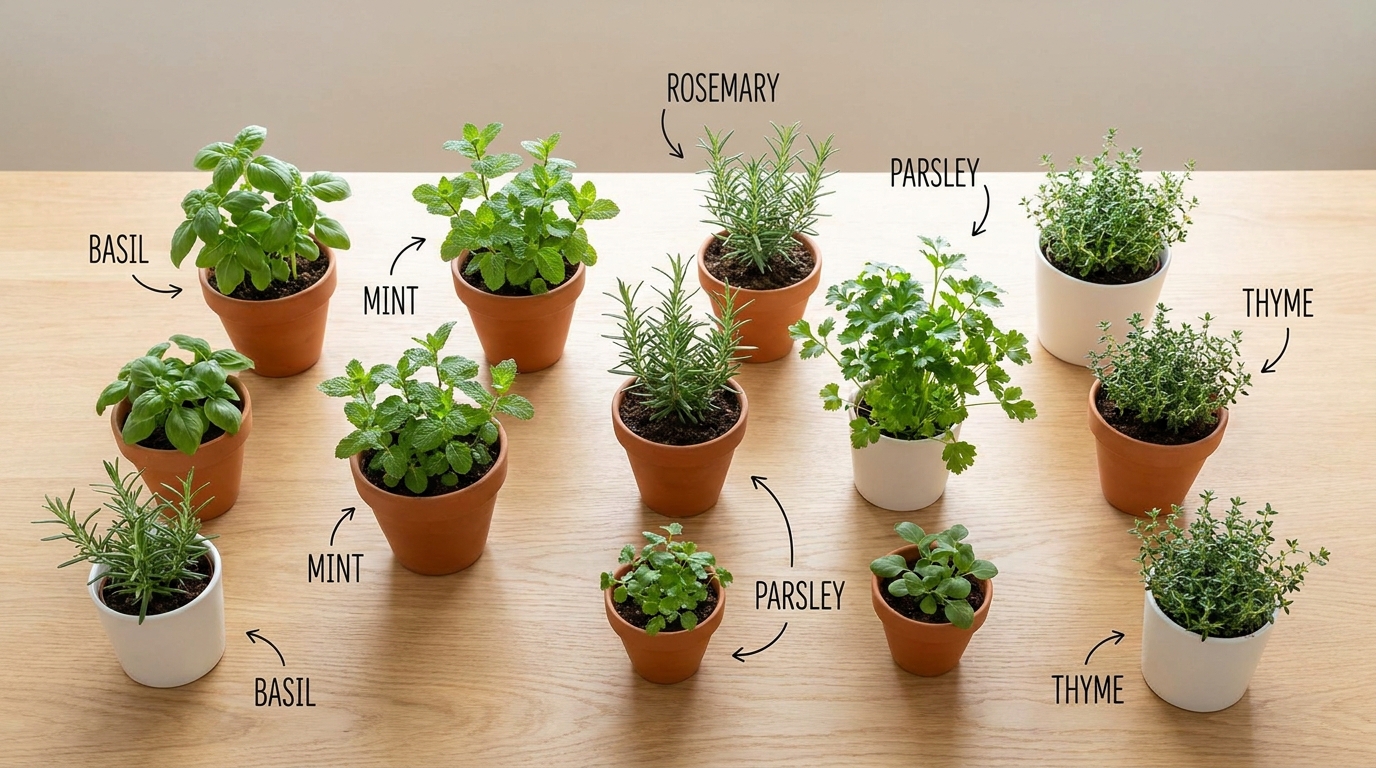
Some herbs grow better indoors and require minimal maintenance for beginners. Basil is one of the most popular choices for indoor herb gardens. Mint grows quickly and spreads easily in small containers indoors. Parsley and cilantro also adapt well to limited indoor environments. Rosemary and thyme require slightly more sunlight but still grow indoors. Chives are another easy herb that thrives in compact pots. Choosing the right herbs increases success in small space gardening. Indoor herb selection should match available light conditions in home. Mixing multiple herbs in one setup can create variety easily. Always start with low maintenance herbs for better beginner success.
Light, Soil, and Water Requirements
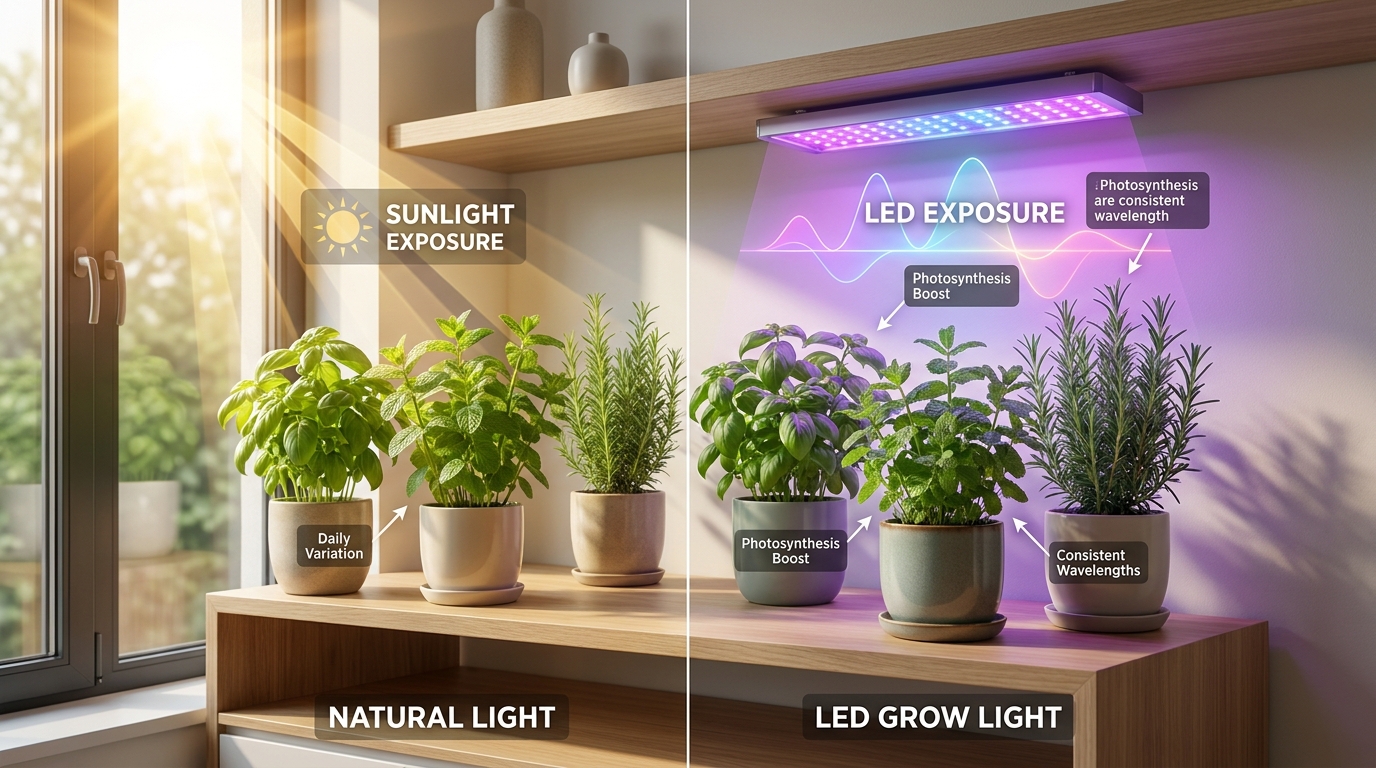
Light is the most important factor for successful indoor herb gardens. Most herbs need at least four to six hours of sunlight daily. South facing windows usually provide the best natural light exposure. If sunlight is limited, grow lights can be very helpful. Well draining soil is essential to prevent root rot problems. Containers must have drainage holes for proper water flow control. Regular watering is needed but overwatering should always be avoided. Artificial grow lights can replace sunlight in darker home areas. Consistent temperature helps herbs grow faster and more consistently indoors. Avoid placing herbs near cold drafts or heating vents indoors.
How to Start an Indoor Herb Garden Step by Step
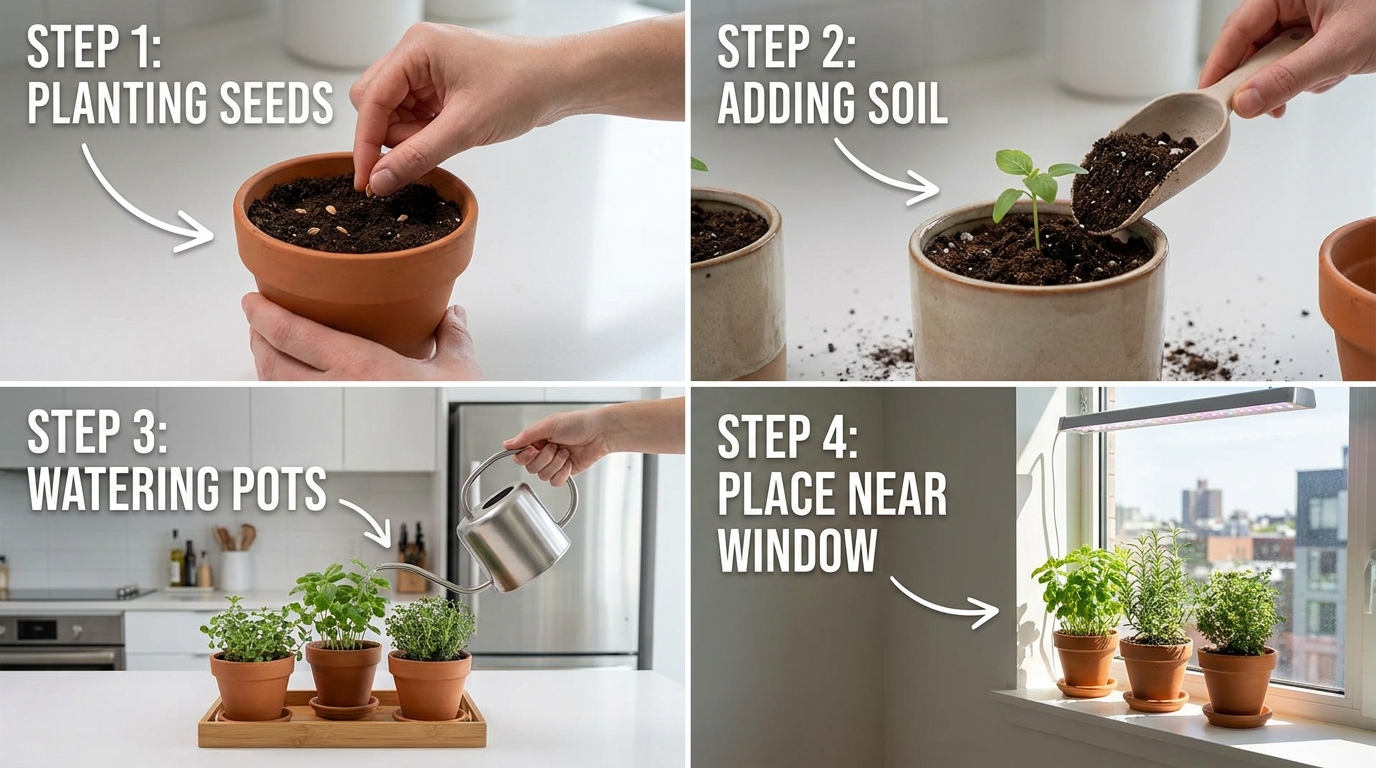
Starting indoor herb gardens requires simple planning and proper setup steps. First choose a suitable location with adequate light exposure indoors. Next select herbs based on your cooking preferences and needs. Use good quality pots and nutrient rich soil for planting herbs. Plant seeds or small seedlings depending on your gardening experience level. Water lightly after planting to help roots settle properly in soil. Place containers in a bright location for healthy herb growth. Labeling each herb helps beginners manage their garden more effectively. Regular monitoring ensures early detection of any growth issues. Patience is important because herbs take time to establish roots.
Best Locations in Your Home for Herbs
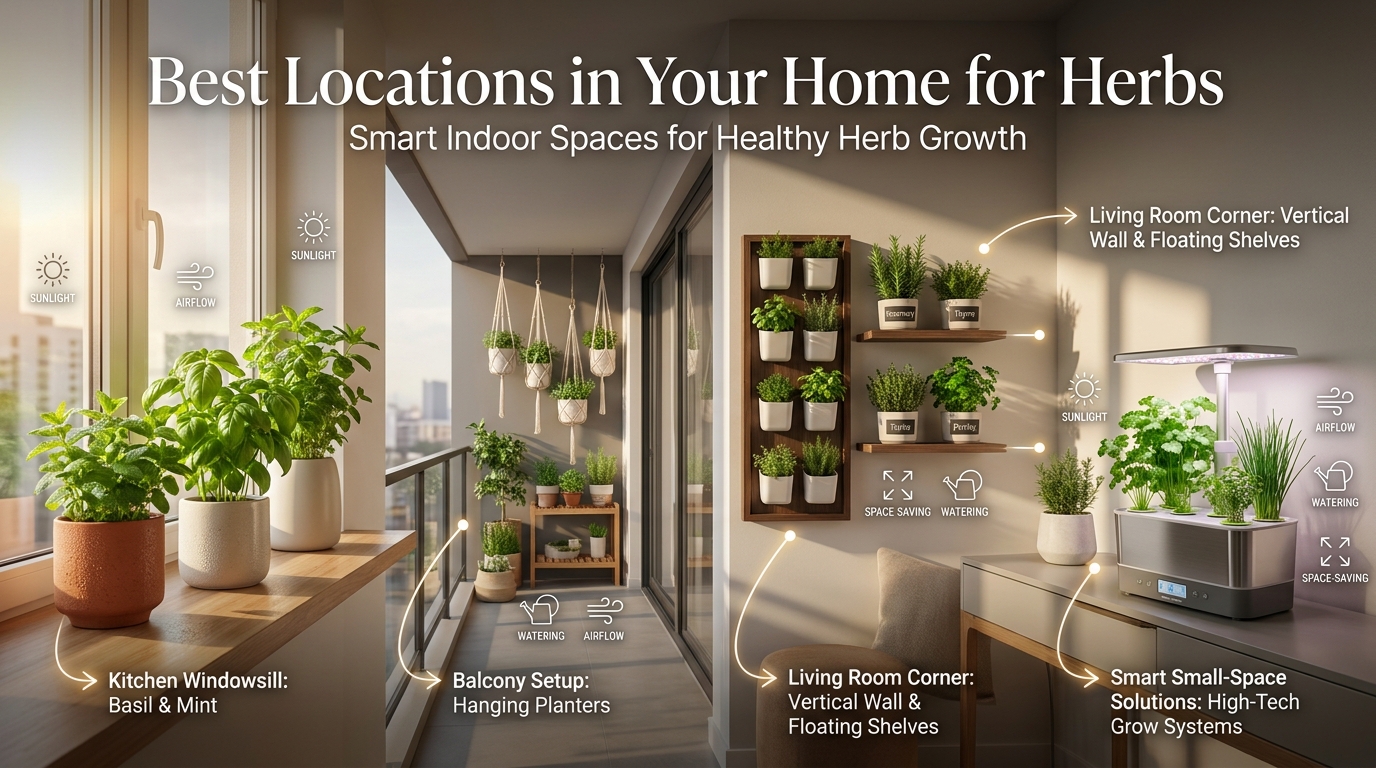
Choosing the right location improves success of indoor herb gardens significantly. Kitchen windowsills are one of the most popular growing spots. They provide easy access while cooking and natural light exposure. Balcony shelves can also support multiple herb containers efficiently. Living room corners with sunlight can be used creatively indoors. Vertical wall planters help maximize very limited small apartment space. Proper placement ensures healthier and faster growing herb plants overall. Proper air circulation also supports healthier indoor herb growth overall. Rotating pots ensures all sides of plant receive equal light. Clean surroundings help reduce pest risks in indoor gardening setups.
Care and Maintenance Tips
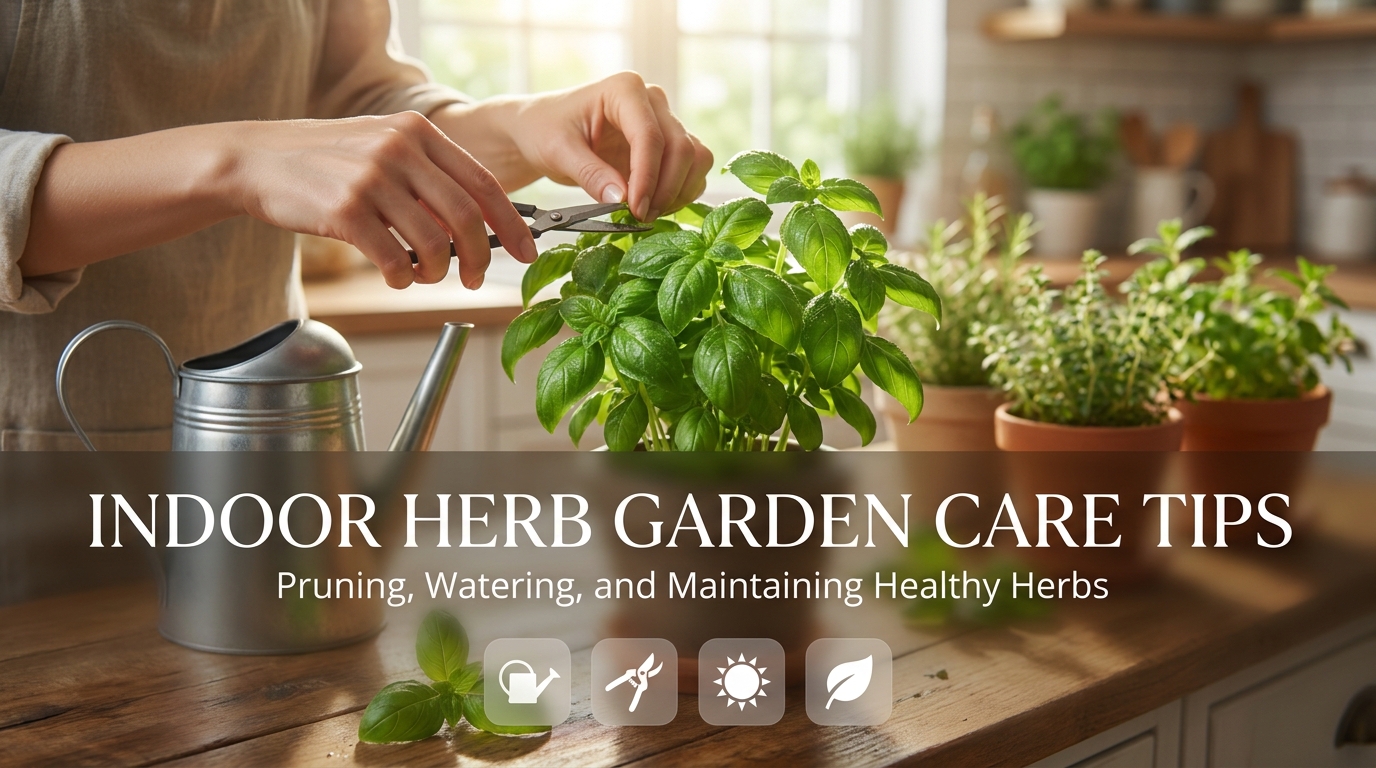
Regular care is essential for maintaining healthy indoor herb gardens. Water plants only when soil becomes slightly dry to touch. Pruning helps plants grow thicker and prevents overgrowth issues indoors. Harvest herbs regularly to encourage continuous fresh leaf production. Organic fertilizers can be used once every few weeks carefully. Watch for pests and remove them using safe natural methods. Proper maintenance ensures long lasting and productive herb garden results. Consistency in watering schedule is key for plant survival indoors. Removing dead leaves improves plant health and appearance significantly. Observation helps gardeners understand plant needs more accurately over time.
Common Mistakes to Avoid
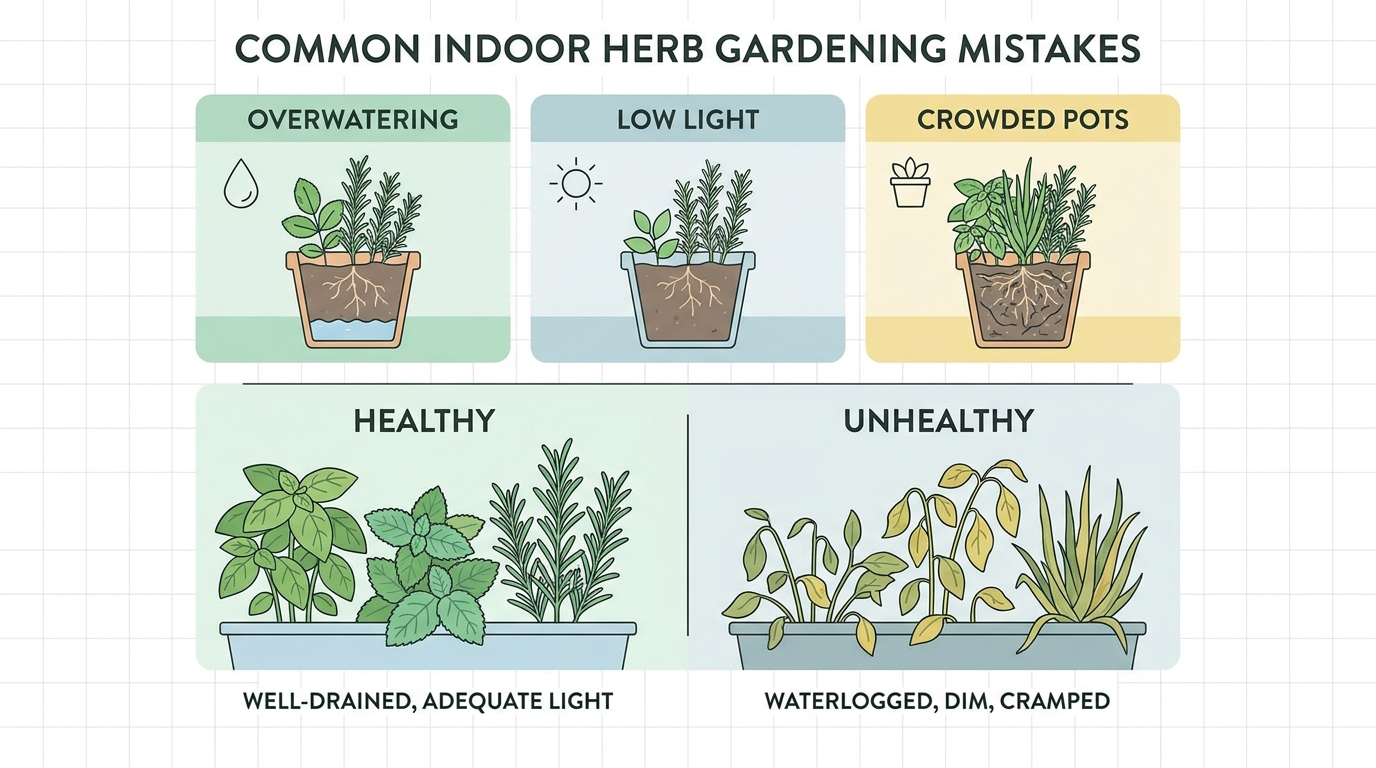
Many beginners make simple mistakes when starting indoor herb gardens. Overwatering is one of the most common problems faced early. Lack of sunlight can slow down herb growth significantly indoors. Using poor soil reduces plant health and overall yield quality. Crowding too many herbs in one pot limits proper growth. Ignoring pruning leads to weak and unhealthy plant development over time. Avoiding these mistakes improves overall success of indoor gardening efforts. Not researching herb needs before planting leads to poor results. Ignoring drainage systems often causes root damage in containers. Learning from mistakes improves gardening skills over time significantly.
Creative Indoor Herb Garden Ideas
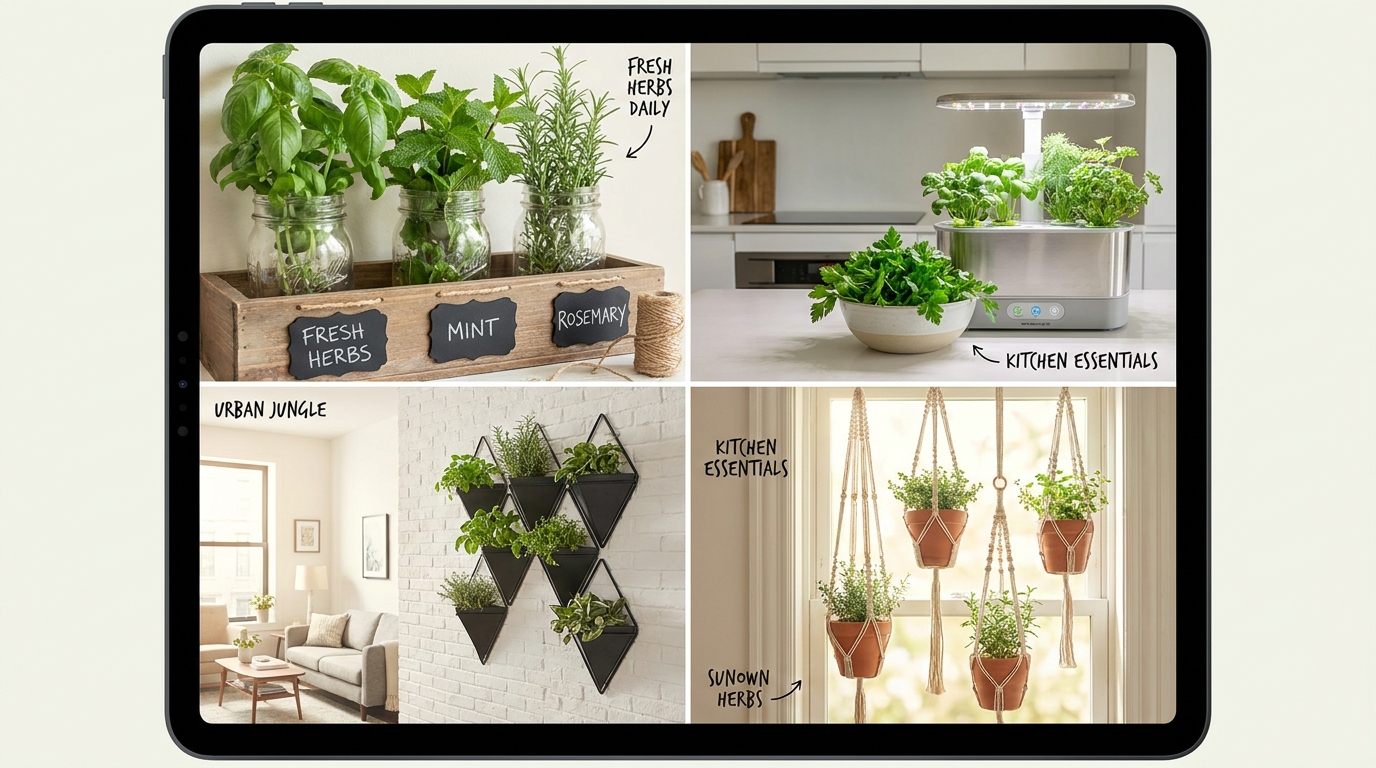
Creative setups make indoor herb gardens more attractive and enjoyable. Mason jars are popular for small decorative herb growing setups. Hanging pots save space while adding visual beauty indoors naturally. Vertical gardens are perfect for very small apartments and kitchens. Some readers of Freaky Thread enjoy stylish herb garden inspirations. These ideas help transform simple spaces into green refreshing environments. Creativity plays an important role in small space gardening success. LED grow lights can enhance decorative indoor garden arrangements easily. Transparent containers also create modern and stylish herb displays. Indoor herb setups can become a relaxing hobby for families.
Benefits of Indoor Herb Gardens
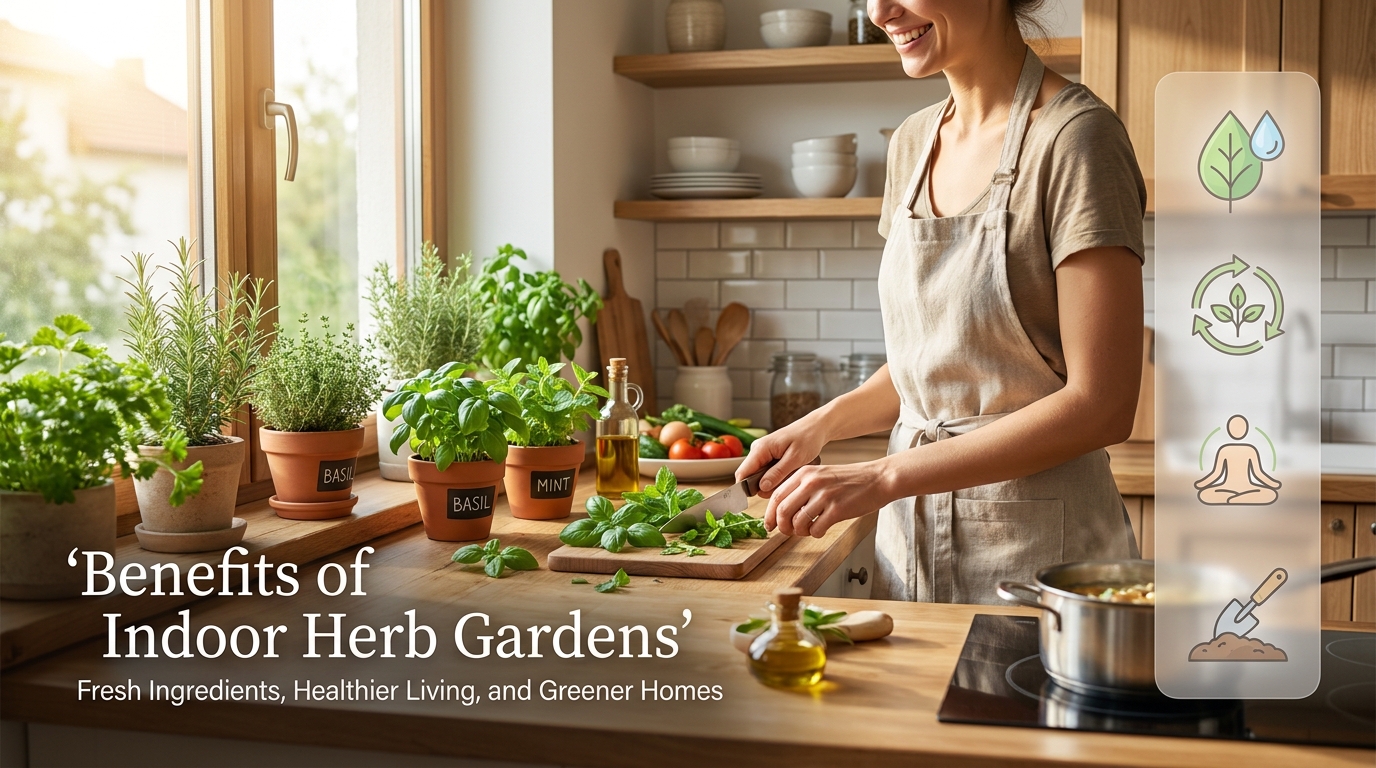
Indoor herb gardens offer many practical and lifestyle related benefits. They improve cooking experience with fresh and flavorful ingredients daily. Indoor plants also help improve air quality inside living spaces. Many readers on Freaky Thread appreciate sustainable home gardening ideas. Starting small can lead to long term gardening success easily. Even beginners can grow herbs successfully with consistent care routine. Now is the best time to start your indoor herb garden. Gardening indoors brings satisfaction and calmness to daily routine life. It is also a great activity for learning basic plant care. Start with simple herbs and gradually expand your garden collection. Consistent effort leads to long lasting and healthy herb growth. Small steps today create a greener home environment tomorrow easily.
Conclusion
Indoor herb gardens are perfect for compact modern living and suit almost every type of small home. They offer convenience, sustainability, and fresh ingredients that improve daily cooking without extra effort. Even the smallest spaces can produce healthy and useful herb plants when set up correctly and cared for regularly. You can start simple with just one or two herbs and gradually expand your garden as you gain experience and confidence. Over time, your home can become greener, fresher, and more visually calming with the presence of indoor plants. These small gardens not only enhance your cooking but also improve your indoor environment naturally.
By following these ideas and practical steps, you can build your ideal indoor herb garden even with limited space. Whether you live in an apartment or a small house, the process remains simple and highly rewarding. Consistency in care and proper placement makes a big difference in plant health and growth. This guide is shared by Freaky Threads, where you can find more helpful home and lifestyle ideas to improve your living space.