Table of Contents:
Introduction:
Minimalism is gaining acceptance. Today, more than ever, simple spaces feel calm and balanced. They alleviate stress and establish clarity in everyday life. Whether you want a serene home or a focused office, minimalist decor can truly help. In this guide, you will discover practical ideas on how to design elegant, clutter-free interiors. Fortunately, transforming your home into a contemporary haven is not difficult.
What Is Minimalist Decor?
:
Minimalist design focuses on simplicity. In essence, it removes non-essential items and highlights what truly matters. Clean lines and neutral colors make a space appear larger and more open. Additionally, materials such as wood, metal, and glass introduce subtle texture. Function always comes first.
However, minimalism does not mean boring. Instead, thoughtful choices add warmth, elegance, and comfort. It emphasizes quality over quantity. In other words, every item should serve a purpose. Minimalism promotes order, calmness, and mental clarity. As a result, this approach works beautifully in living rooms, kitchens, bedrooms, and even offices.
Minimalist Living Room Concepts :
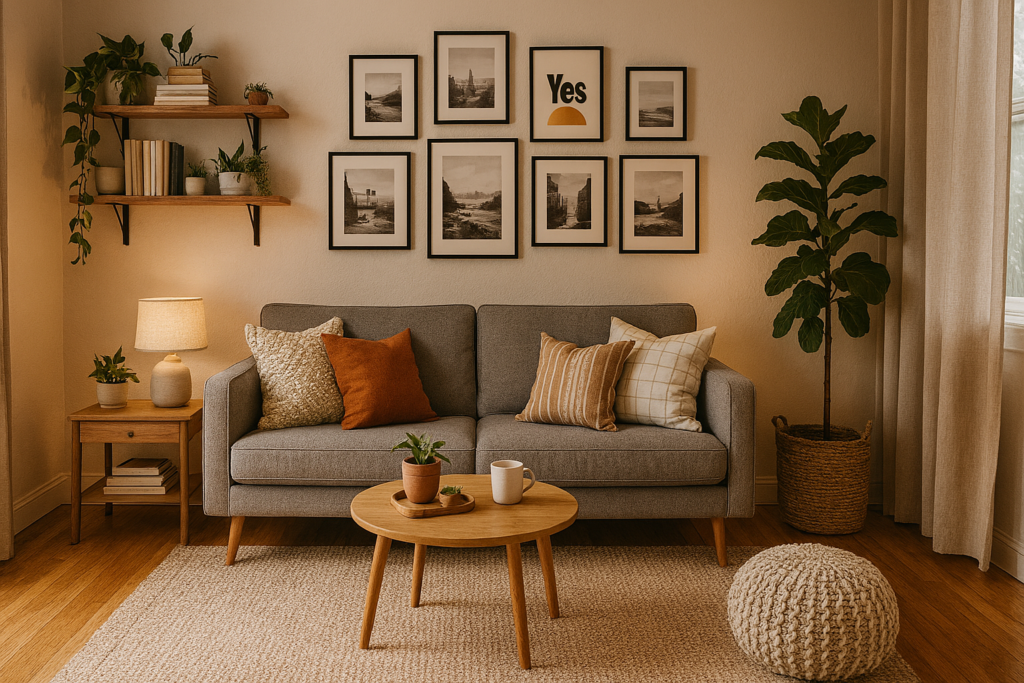
Your living room sets the tone for your entire home. Therefore, begin by reducing clutter. Remove unnecessary decorations and oversized furniture. Then, replace them with a few impactful pieces that stand out.
Neutral Color Palettes
:
White, beige, gray, and soft earthy tones create a peaceful base. Consequently, neutral shades make the room feel open and airy.
Simple Furniture Choices
:
Choose sofas and chairs with clean, straight lines. Avoid heavy ornamentation. Moreover, furniture with open legs feels lighter and more modern.
Use Negative Space :
Do not fill every corner. Instead, allow space between objects so the room can breathe. Negative space highlights the beauty of what remains.
Minimal Decorations :
Add one statement plant, artwork piece, or decorative object. Rather than displaying many small items, focus on one meaningful accent. This approach maintains elegance and visual harmony.
Minimalist Bedroom Decor :

The bedroom should promote relaxation. For this reason, minimalism removes distractions and improves sleep quality.
Low-Profile Bed Frames :
Select simple bed frames without elaborate headboards. As a result, the room instantly feels calmer.
Soft, Neutral Bedding :
Use solid colors or gentle textures. In addition, layer pillows sparingly to keep the bed neat and inviting.
Hidden Storage Solutions :
Use under-bed drawers or closet organizers. By doing so, you keep surfaces clean and clutter-free.
Minimal Wall Art :
Choose one large artwork instead of several small frames. This way, you prevent visual chaos and maintain balance.
Minimalist Dining and Kitchen Ideas :
Minimalism works beautifully in kitchens because simplicity improves function.
Open Shelving, Sparingly :
Display only essential items. Otherwise, too many objects create visual clutter. Use closed cabinets for extra storage.
Monochrome or Soft Palettes :
Stick to one or two colors. For example, white or neutral cabinets make the kitchen look brighter and more organized.
Functional Accessories :
Select tools that are both practical and visually appealing. At the same time, avoid unnecessary gadgets.
Declutter Countertops :
Keep counters mostly empty. As a result, cooking becomes easier and cleaning takes less time. The kitchen also appears more welcoming.
Minimalist Office Decor for Focus :

An organized workspace boosts productivity. Similarly, minimalist design enhances concentration.
Declutter the Desk :
Keep only essentials such as a laptop, notepad, and pen holder. Meanwhile, remove distractions.
Functional Storage :
Use drawers, boxes, and shelves to hide cables and supplies. Consequently, organized spaces reduce stress.
Natural Light :
Place your desk near a window. Not only does sunlight improve mood, but it also increases energy.
Neutral Backdrops :
Soft wall colors and simple furniture reduce visual noise. Therefore, the space feels calm and focused.
Minimalist Textures and Materials :
Although minimalism emphasizes simplicity, it should never feel flat.
Wood Finishes :
Light or medium wood tones introduce natural warmth.
Natural Fabrics :
Cotton, linen, and wool add softness and comfort. At the same time, they bring subtle texture.
Metal and Glass Accents :
Use these materials in lighting or furniture. When used carefully, they maintain a clean and refined look.
Plants and Greenery :
Plants enhance both beauty and air quality. Even so, minimal spaces require only a few well-chosen pieces.
Single Statement Plant :
A large potted plant can anchor the entire room.
Small Cacti or Air Plants :
Place them on desks, shelves, or windowsills. Because they require little maintenance, they add life without clutter.
Lighting for Minimal Spaces :

Lighting shapes both function and mood.
Layered Lighting :
Combine ambient, task, and accent lighting. For instance, warm lights create a cozy atmosphere.
Simple Fixtures :
Choose recessed lighting, sleek lamps, or minimal pendant lights. Avoid overly decorative designs.
Maximize Natural Light :
Use sheer curtains or light blinds. As sunlight fills the room, the space feels larger and brighter.
Common Minimalist Decorating Mistakes :
Even simple rooms can feel cluttered if not planned carefully.
- Do not mix too many colors. Instead, maintain a cohesive palette.
- Avoid excessive decorations. A few meaningful pieces are enough.
- Plan storage thoughtfully.
- Do not choose oversized furniture that overwhelms the space.
Above all, ensure each item serves a purpose or enhances beauty.
Conclusion :
Before purchasing anything, define the purpose of each room. Then, declutter regularly by removing unused items. Invest in quality over quantity. Additionally, maintain a neutral palette to create harmony. Finally, add texture and greenery to introduce warmth without overcrowding the space.
Minimalism is more than a design style. Ultimately, it is a lifestyle that promotes clarity, organization, and peace in both homes and offices.