Table of Contents:
Introduction
Furniture Layout Tips are essential for creating a space that feels both functional and visually appealing. A well-arranged room is not just about stylish furniture, but about how each piece works together to improve flow and usability. Whether you are designing a small room or organizing a large open space, the right layout can completely transform how it looks and feels. By focusing on balance, movement, and purpose, you can avoid common mistakes and create a space that feels comfortable, open, and easy to navigate.
Start With a Clear Plan
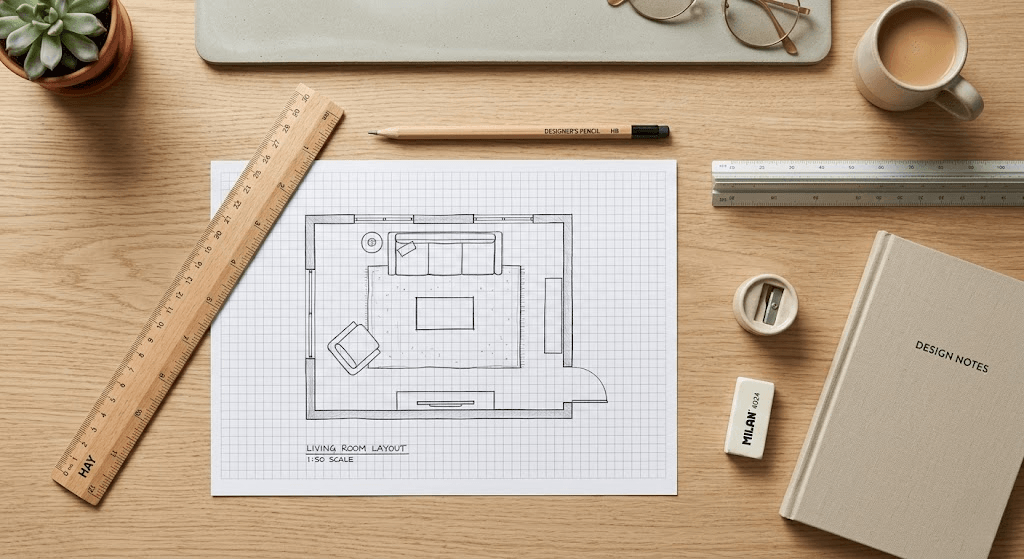
One of the most important furniture layout tips is to start with a plan before touching a single piece, because guesswork often leads to poor layouts. To begin with, measure your space accurately by noting wall lengths, window placements, door swings, and any awkward corners. After that, sketch a simple floor map; it does not need to be visually appealing, but it must be practical.
In addition, selecting the wrong furniture size can quickly ruin a room. Oversized pieces make the space feel cramped, whereas undersized furniture creates a disconnected look. Therefore, precision is essential.
Next, define the room’s purpose clearly. Whether it is used for watching TV, entertaining guests, relaxing, or working, each function requires thoughtful placement. As a result, understanding the purpose helps you position seating, tables, and storage effectively.
Identify a Focal Point
Among essential furniture layout tips, identifying a focal point is crucial, as it brings structure to the entire room. Without a focal point, the space can feel visually confusing and unorganized.
Typically, the focal point could be a fireplace, a television, a large window, or a statement artwork. Once identified, arrange the furniture around it in a natural and welcoming way. For instance, if the TV is the main feature, seating should be placed at a comfortable viewing distance. Similarly, if a window is the highlight, avoid blocking it and instead enhance its presence.
Ultimately, a clear focal point ensures that the layout feels intentional rather than random.
Leave Room to Move
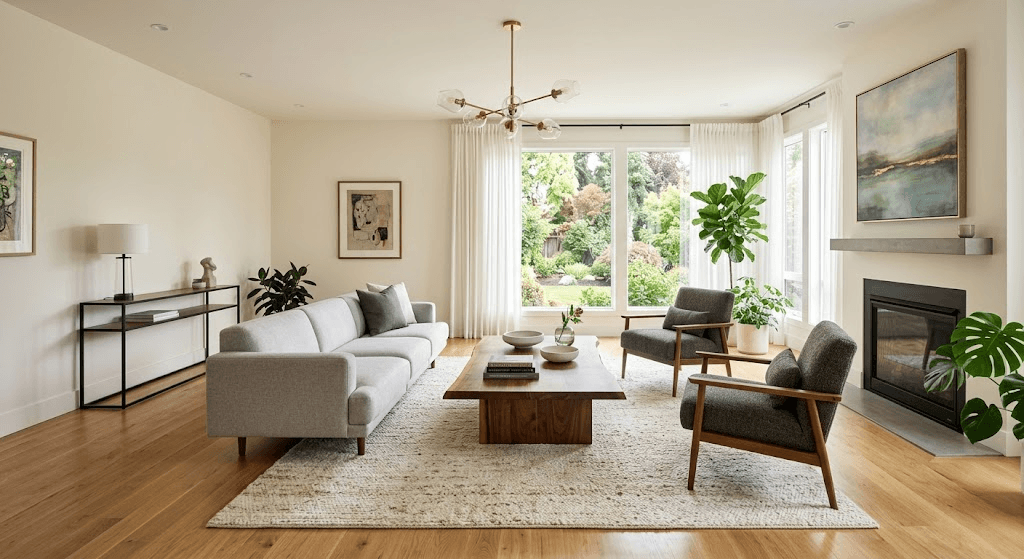
Smart furniture layout tips always prioritize movement, because a room should feel easy to navigate. In other words, people should not have to squeeze or adjust awkwardly while walking through the space.
To achieve this, maintain proper spacing throughout the room. For example, keep 30–36 inches of clearance in main walkways and 18–24 inches between seating and tables. Moreover, ensure that entryways and high-traffic areas remain unobstructed.
If movement feels restricted, the room will appear cluttered, even if it contains minimal furniture. Therefore, maintaining open pathways is essential for a smooth flow.
Move Furniture Out of the Walls
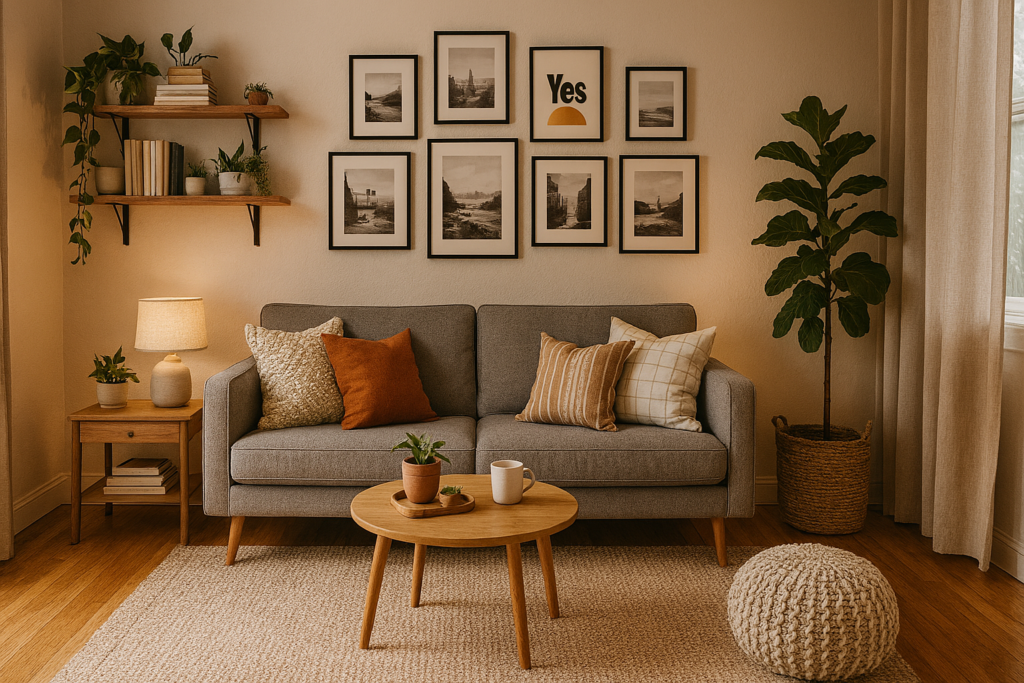
Another practical furniture layout tips strategy is to avoid placing all furniture directly against the walls, as this often makes the room feel flat and less inviting. Instead, try pulling furniture slightly inward to create a more intimate setting.
For example, arranging sofas and chairs closer together can form a natural conversation area. Even in smaller rooms, leaving a small gap between furniture and walls can make the space feel more open.
As a result, the room gains depth and a more thoughtfully designed appearance.
Create Functional Zones
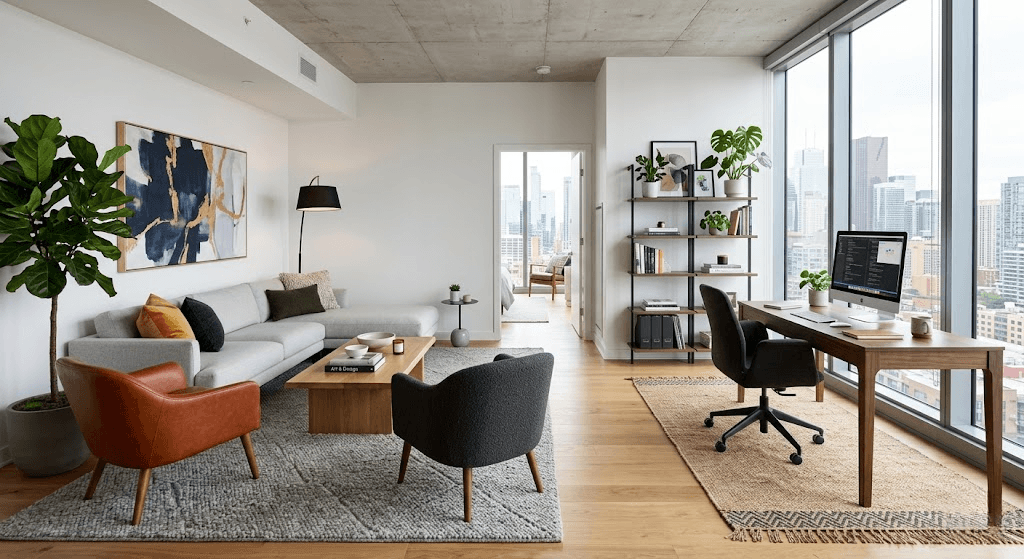
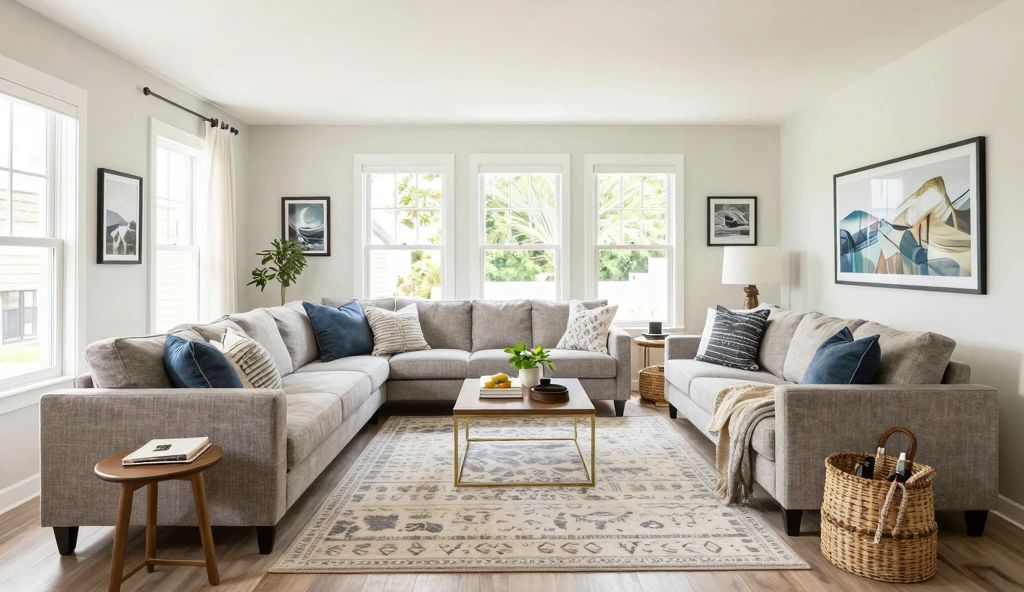
Effective furniture layout tips often involve dividing larger spaces into functional zones, especially in open-plan layouts. Rather than letting everything blend together, create distinct areas using furniture and rugs.
For instance, you can design a seating area with a sofa and chairs, a reading corner with a chair and lamp, and a workspace with a desk or console. Additionally, rugs can help visually separate these zones without the need for walls.
Consequently, each section serves a clear purpose while still maintaining a cohesive overall design.
Balance Visual Weight
Balancing visual weight is another important aspect of furniture layout tips, as it helps create a stable and comfortable look. Visual weight depends on size, shape, color, and texture, so each element should be considered carefully.
For example, if one side of the room has a large sofa, balance it with smaller chairs or accent tables on the opposite side. Furthermore, mixing different shapes, such as pairing a rectangular sofa with a round coffee table, can soften the overall look.
In this way, the room feels both dynamic and harmonious.
Use Rugs to Anchor Seating
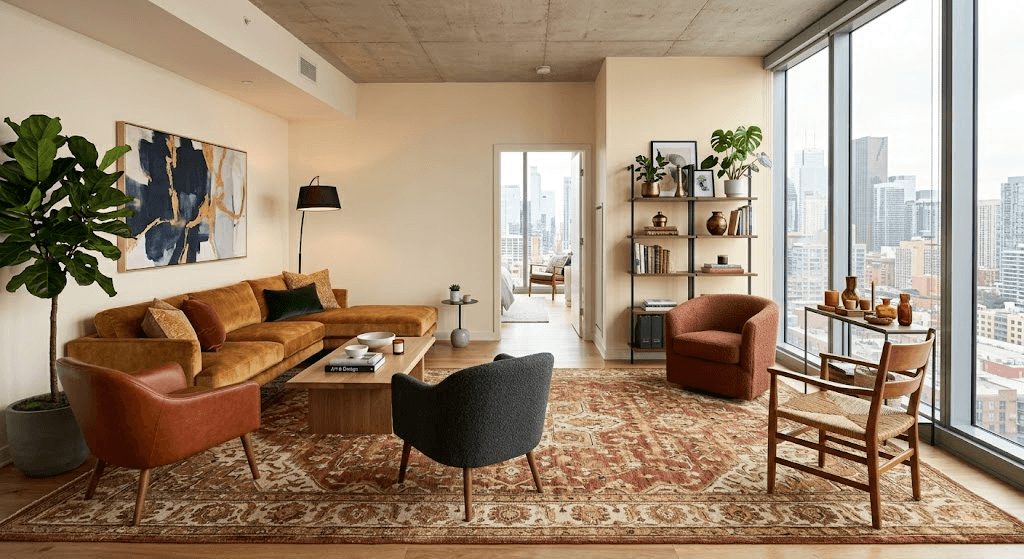
Among practical furniture layout tips, using rugs effectively can transform the layout. Rugs not only add comfort but also anchor furniture and define seating areas.
To achieve this, choose a rug large enough so that at least the front legs of sofas and chairs rest on it. Otherwise, the furniture may appear disconnected. In larger rooms, rugs can also help define separate zones.
Therefore, a well-placed rug ties the entire layout together.
Mind Sightlines
Good furniture layout tips also focus on maintaining clear sightlines, which influence how the room is perceived. When entering a space, the view should feel open and welcoming rather than blocked or cluttered.
Avoid placing large furniture pieces where they obstruct windows, doors, or key features. Instead, arrange items in a way that highlights the best aspects of the room.
As a result, the space feels more inviting and visually balanced.
Don’t Forget Proportions
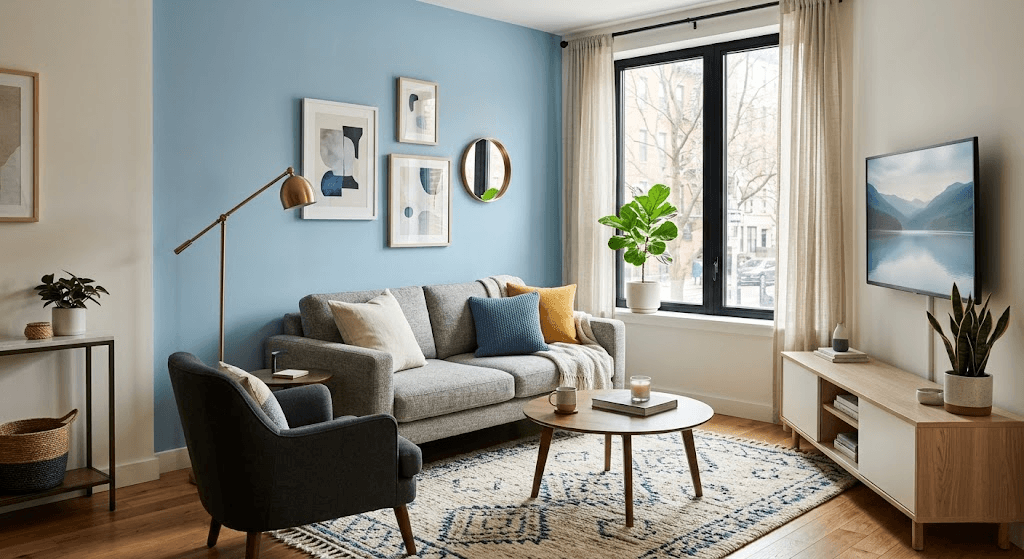
Proportion is a fundamental part of Furniture Layout Tips, because the size of furniture must match the scale of the room. Large furniture in a small room can feel overwhelming, while small pieces in a large room may seem insignificant.
Therefore, always measure your space before purchasing furniture. By doing so, you ensure that each piece fits well within the layout and contributes to a balanced design.
Ultimately, proper proportion enhances both functionality and aesthetics.
Encourage Conversation
A core principle of Furniture Layout Tips is to arrange seating in a way that encourages interaction. In many cases, this means placing sofas and chairs facing each other rather than aligning everything toward a single direction.
For example, a circular or semi-circular arrangement around a coffee table creates a more social environment. While TVs are often important, they should not completely dominate the layout.
Instead, design the space to support both comfort and communication.
Finally Add Finishing Touches
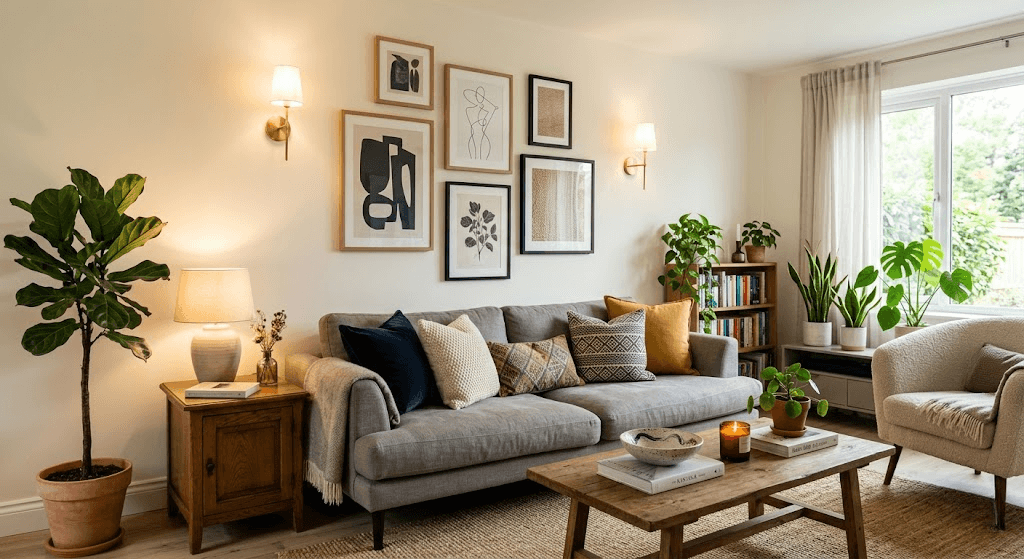
Final Furniture Layout Tips focus on adding details that complete the room. Once the main layout is set, incorporate elements such as lighting, cushions, artwork, and plants.
However, it is important to avoid overdecorating, as too many items can create visual clutter. Instead, choose accents that enhance the space without overwhelming it.
In this way, the room feels polished and cohesive.
Conclusion
Applying the right Furniture Layout Tips is not about perfection, but rather about thoughtful planning and balance. By focusing on movement, proportion, and functionality, you can create a space that feels both practical and inviting.
Ultimately, a well-designed layout improves not only the appearance of a room but also how it functions in daily life.
FAQs
1. What are the most important furniture layout tips to follow?
The most effective approach is to measure your space, define a focal point, and maintain clear pathways for movement.
2. How can I improve room flow quickly?
You can improve flow by removing unnecessary furniture and ensuring that walkways remain open and accessible.
3. Should furniture always be placed against walls?
No, pulling furniture away from walls often creates a more balanced and inviting layout.
4. How do I choose the right furniture size?
Measure your room carefully and select pieces that match the scale of the space.
5. Why is a focal point important in furniture layout?
A focal point helps organize the room and creates a clear visual structure.