
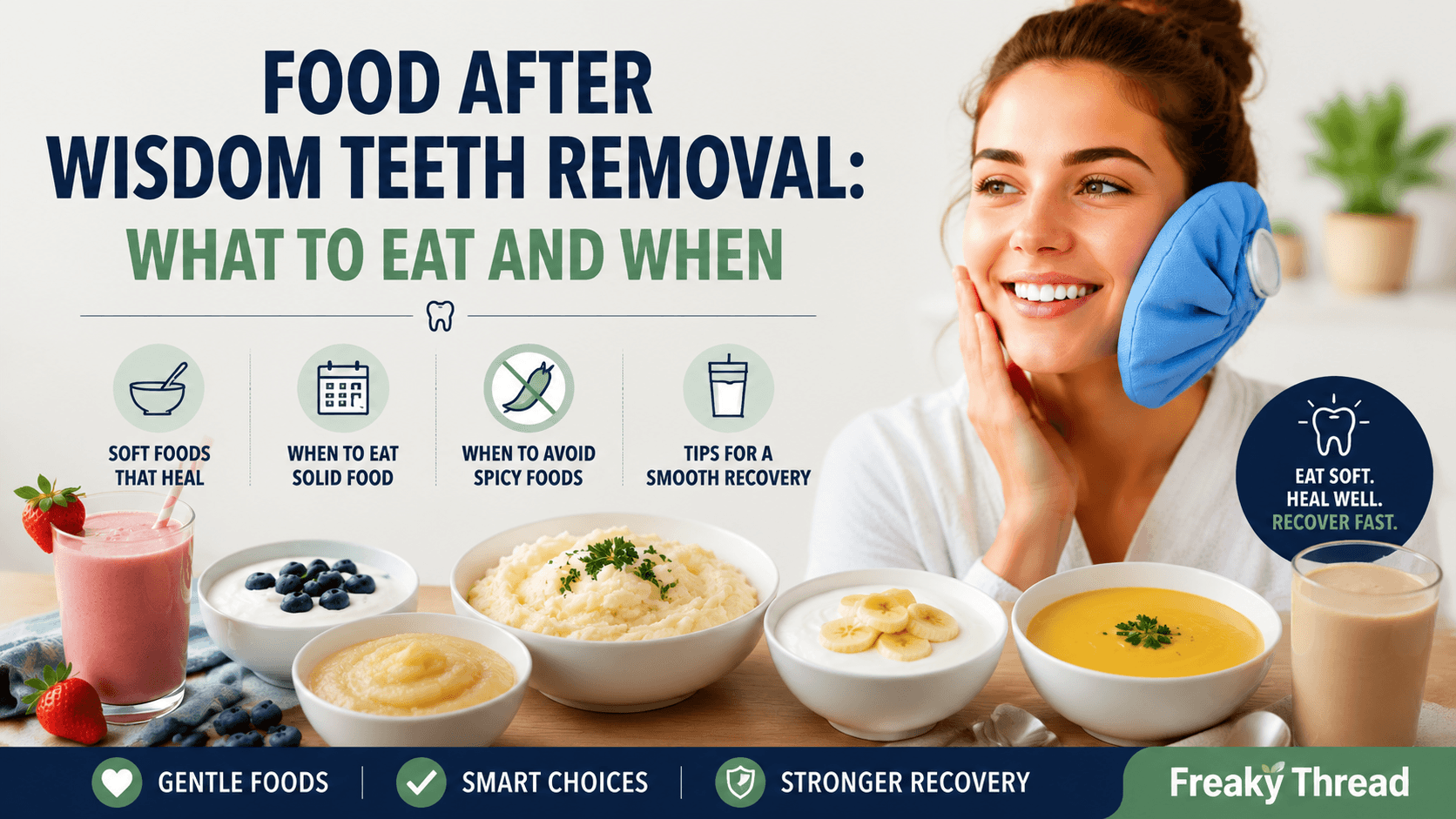
Table of Contents:
Introduction:
Recovering from wisdom teeth removal can be uncomfortable, especially when it comes to eating. Proper nutrition is essential to support healing, prevent infection, and reduce pain during the first week after surgery. Knowing the right foods to eat after wisdom teeth removal ensures your recovery is smooth and stress-free.
Choosing inappropriate foods too early can irritate sensitive gums, dislodge blood clots, and lead to complications. Understanding what food after wisdom teeth removal to consume helps you maintain energy, promote tissue repair, and protect your overall oral health.
Why Diet Matters After Wisdom Teeth Removal:
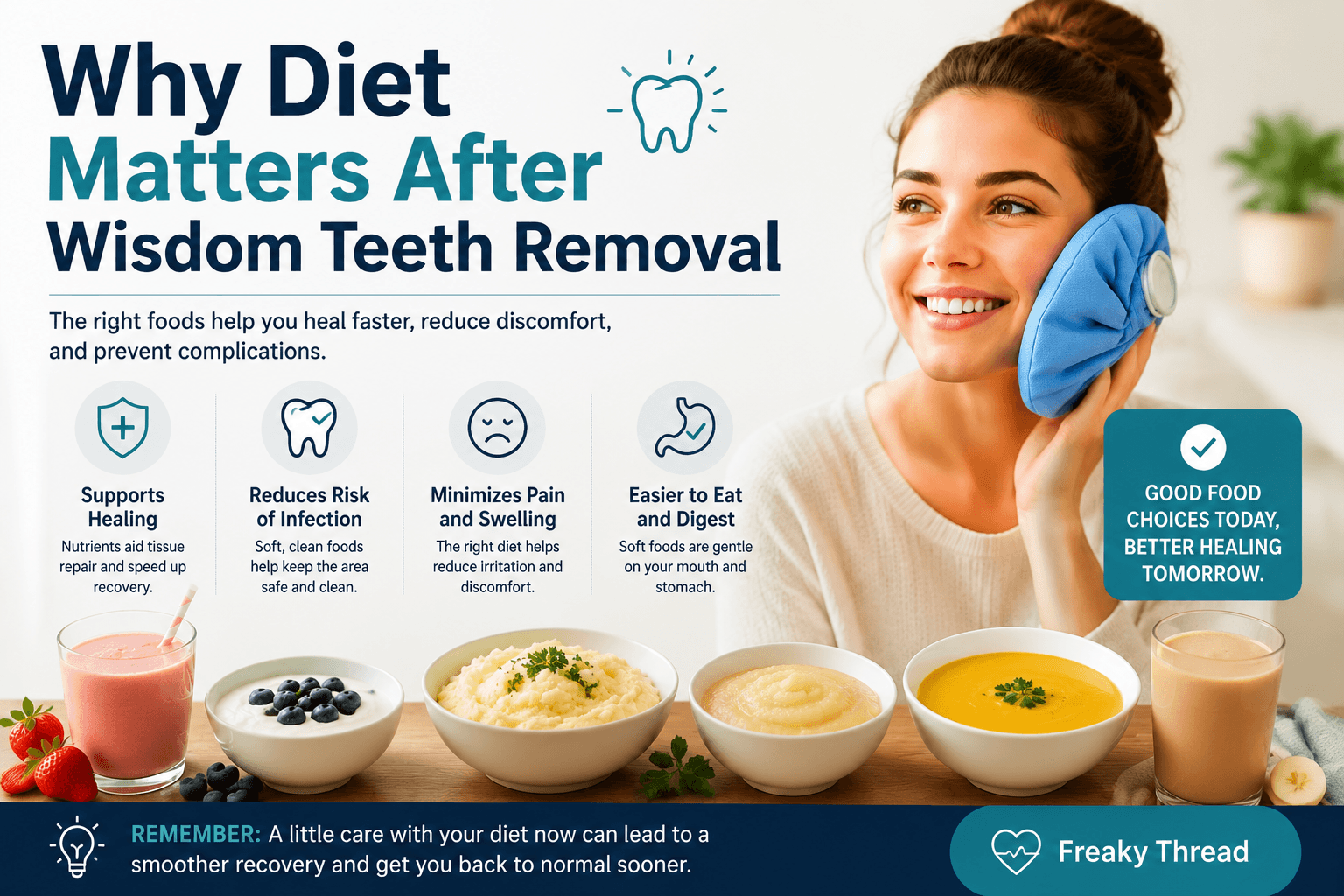
After wisdom teeth removal, your body needs balanced nutrition to repair tissues efficiently. Soft and easy-to-eat foods reduce stress on extraction sites and prevent irritation that can delay healing.
Following a carefully planned diet also helps manage pain, swelling, and discomfort. Incorporating foods to eat after wisdom teeth removal supports immune function while keeping you nourished throughout recovery.
Soft and Cold Foods for the First 24 Hours:
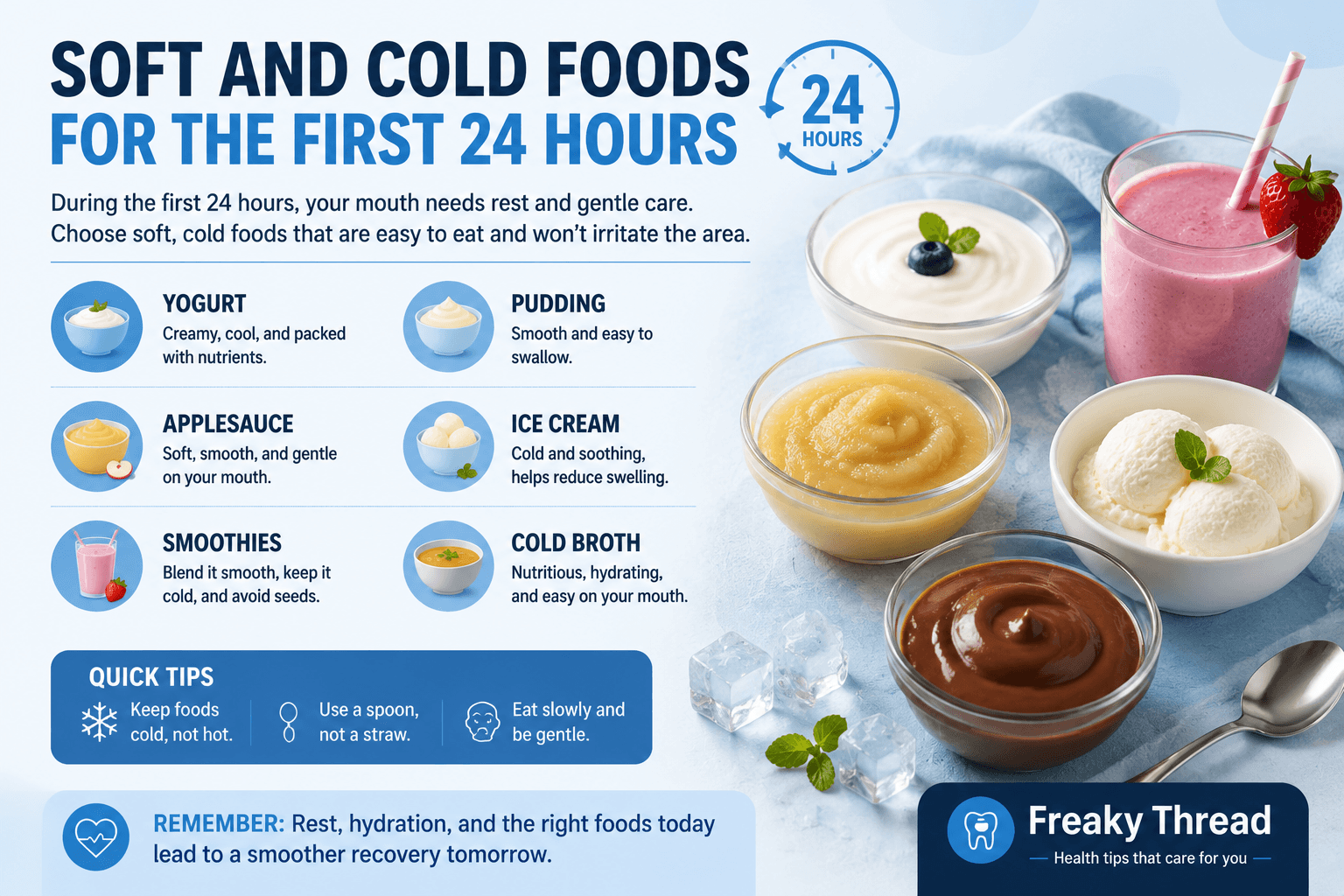
Immediately following surgery, cold and soft foods help reduce swelling and provide pain relief. Options like ice cream, yogurt, and chilled smoothies soothe sensitive gums without requiring chewing.
Using soft foods to eat after wisdom teeth removal protects blood clots and prevents complications such as dry socket. Avoiding hard, sticky, or crunchy foods during this period ensures the healing process proceeds safely.
Gradually Introducing Soft Solids:
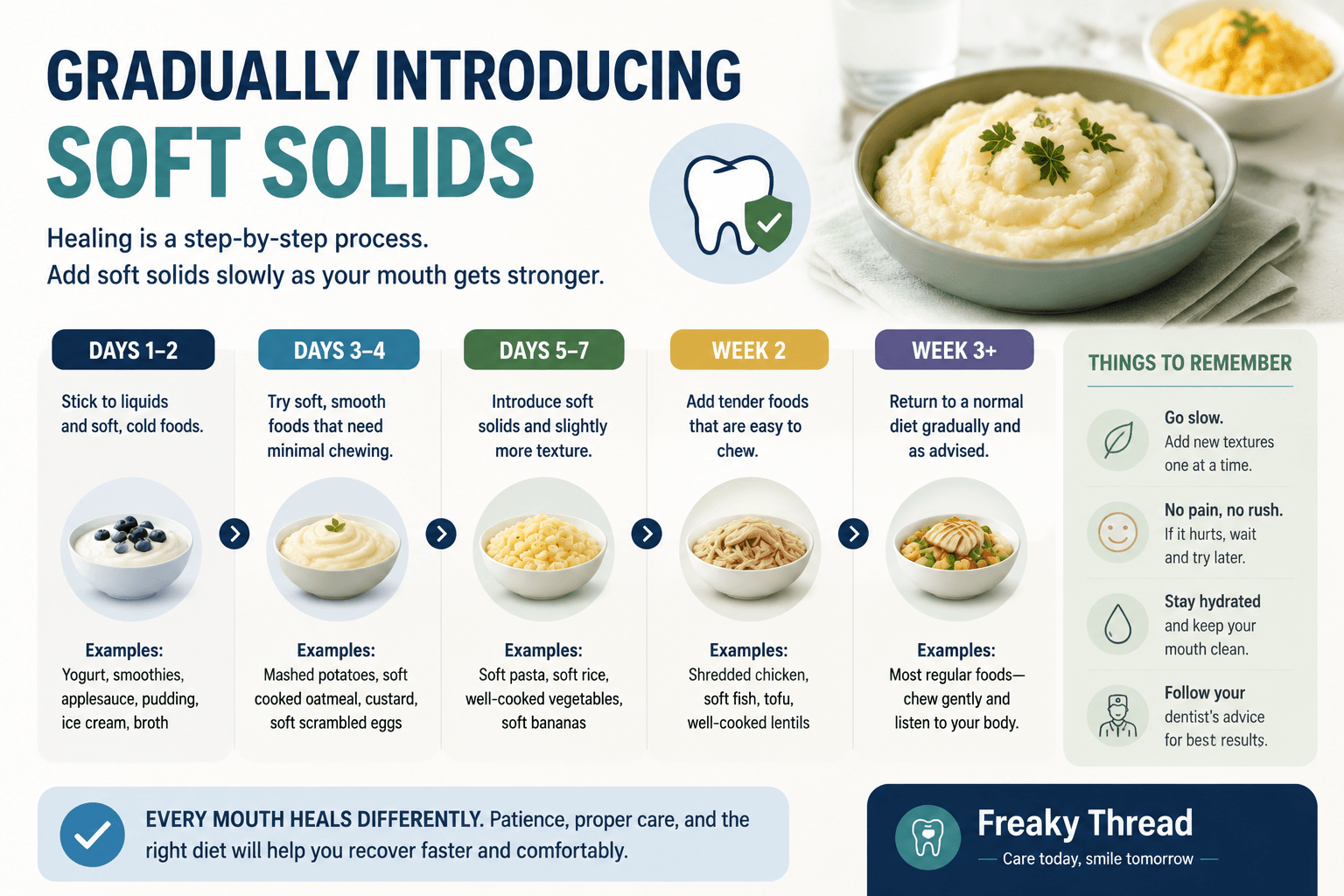
Once the first 24 hours have passed, you can gradually incorporate thicker soft foods. Mashed potatoes, scrambled eggs, and oatmeal are excellent choices for this stage because they provide warmth, nutrients, and comfort.
Soft foods to eat after wisdom teeth removal also include tender, well-cooked vegetables and fish. These foods provide protein and vitamins while allowing your gums to heal without excessive pressure or chewing.
When Can You Eat Solid Foods:
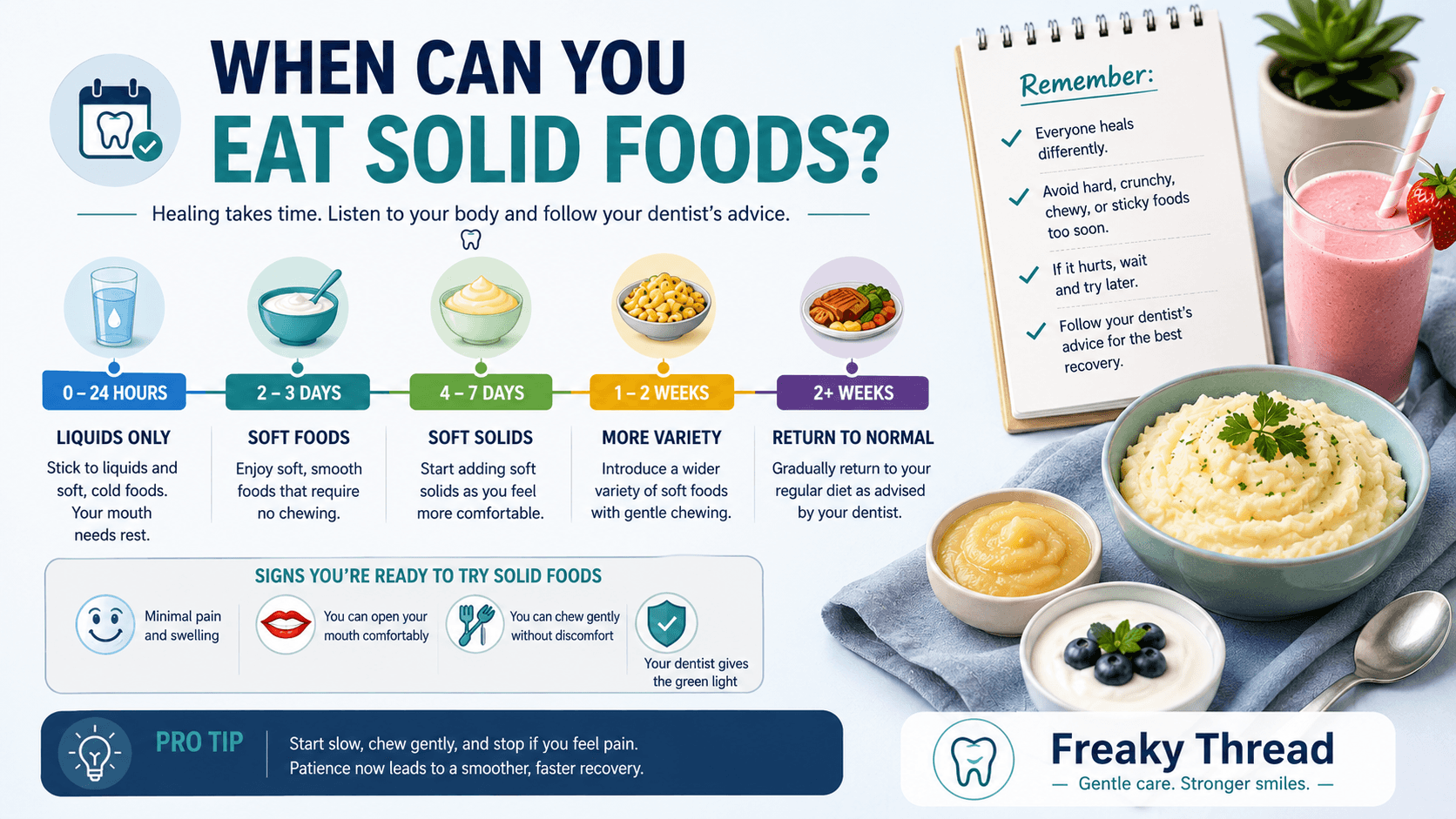
Generally, soft solids like pasta, soft-cooked vegetables, and tender proteins can be eaten three to five days after surgery. Individual healing rates vary, so pay attention to your comfort and gum sensitivity.
Avoid crunchy, hard, or sticky foods at this stage because they can damage the healing tissue. Understanding when you can eat solid food after wisdom teeth removal helps prevent unnecessary pain or infection.
Avoiding Spicy and Irritating Foods:
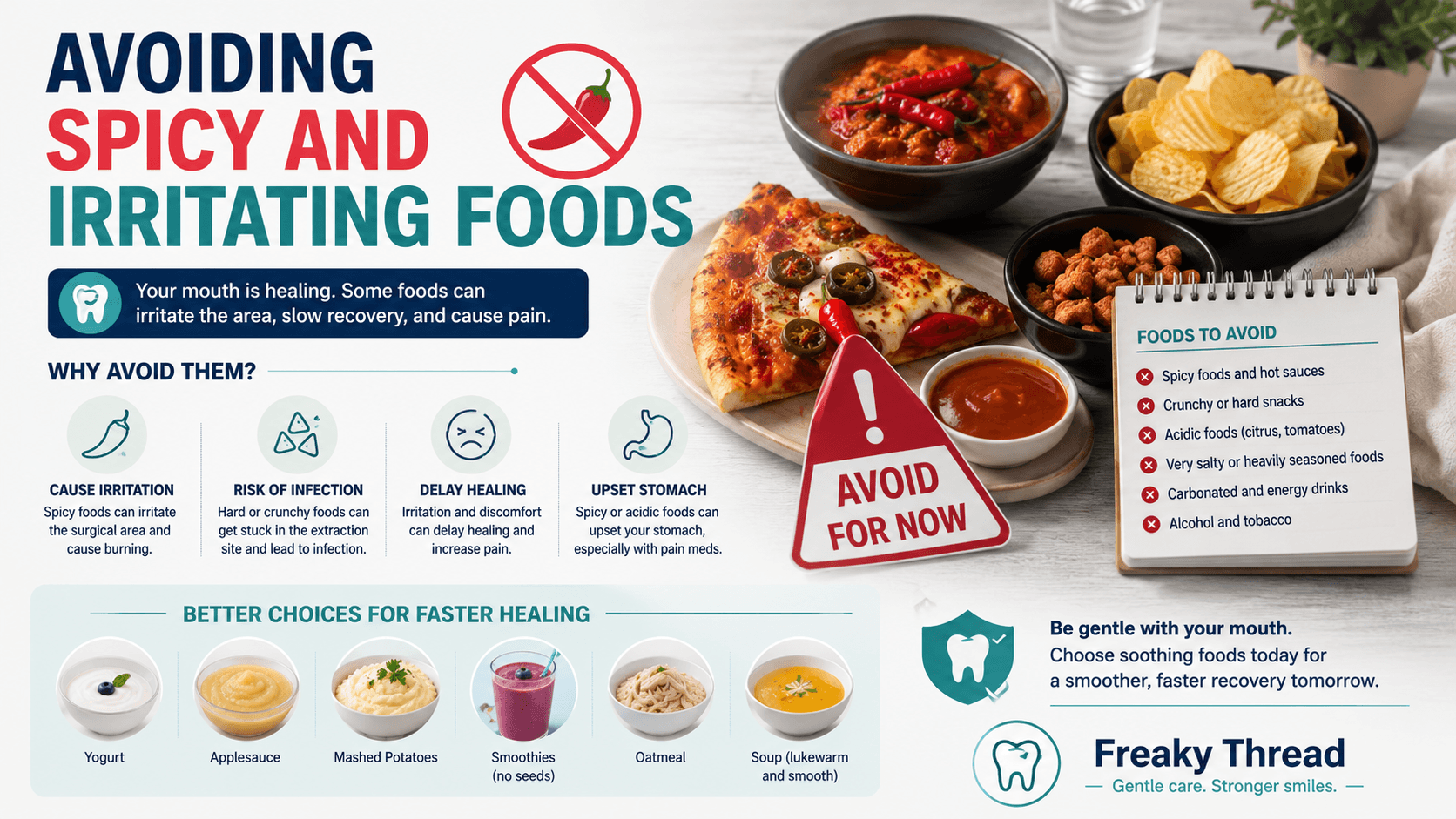
Spicy, acidic, or heavily seasoned foods can irritate surgical wounds and increase discomfort during the first week. Waiting until your gums are fully healed reduces the risk of swelling and pain.
Most dentists recommend avoiding these foods for at least seven days, depending on recovery progress. Knowing when you can eat spicy food after wisdom teeth removal helps ensure a smooth transition back to your normal diet without complications.
Best Foods for Healing and Nutrition:
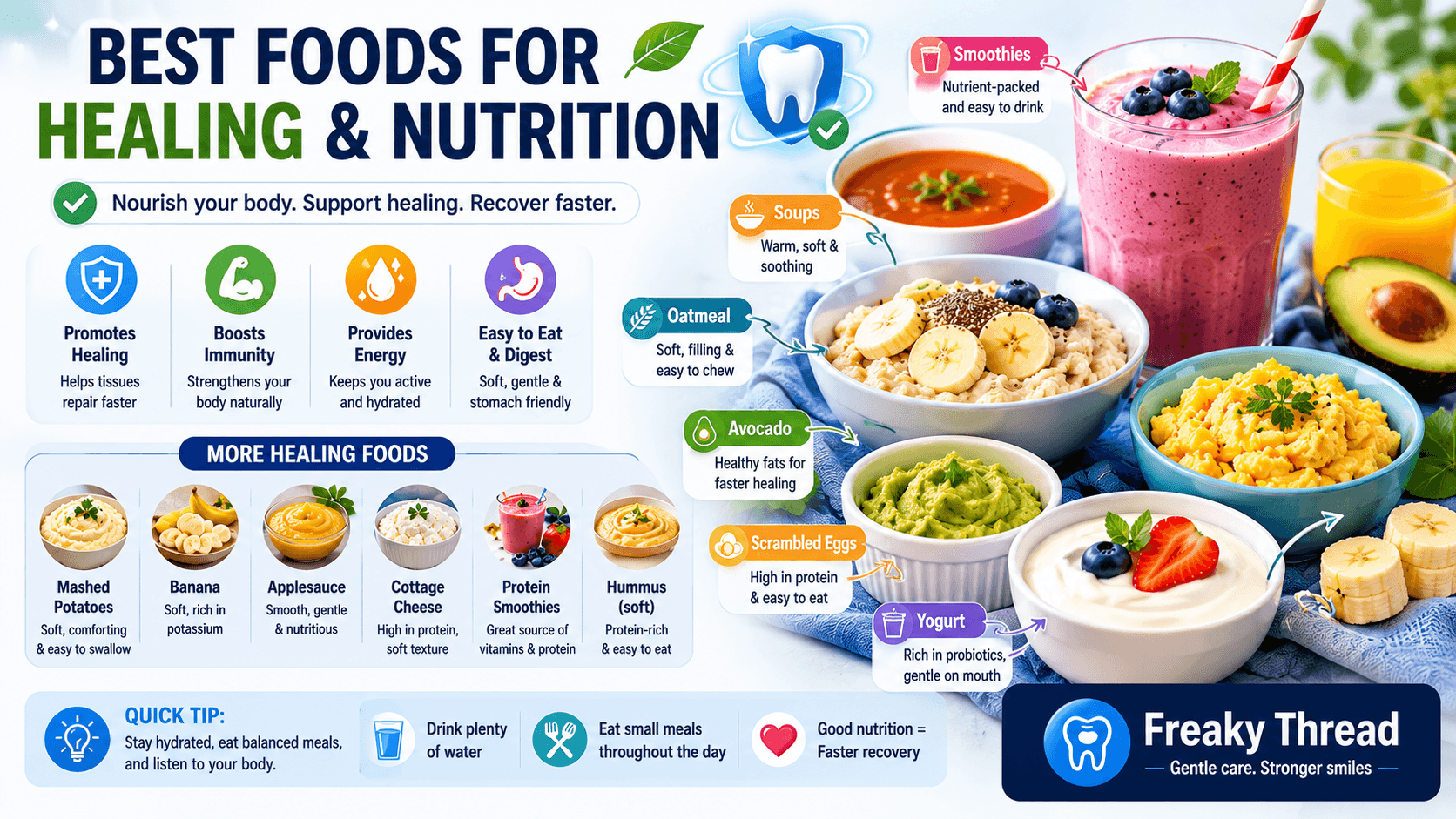
Protein-rich and soft foods such as eggs, tofu, and soft-cooked fish are excellent for repairing tissue and supporting immunity. Dairy products like yogurt, cottage cheese, and milkshakes provide calcium while remaining gentle on gums.
Smoothies made with soft fruits, blended soups, and mashed vegetables supply essential vitamins, minerals, and hydration. Following these recommendations for the best foods to eat after wisdom teeth removal promotes faster healing and overall comfort.
Tips for a Smooth Recovery:
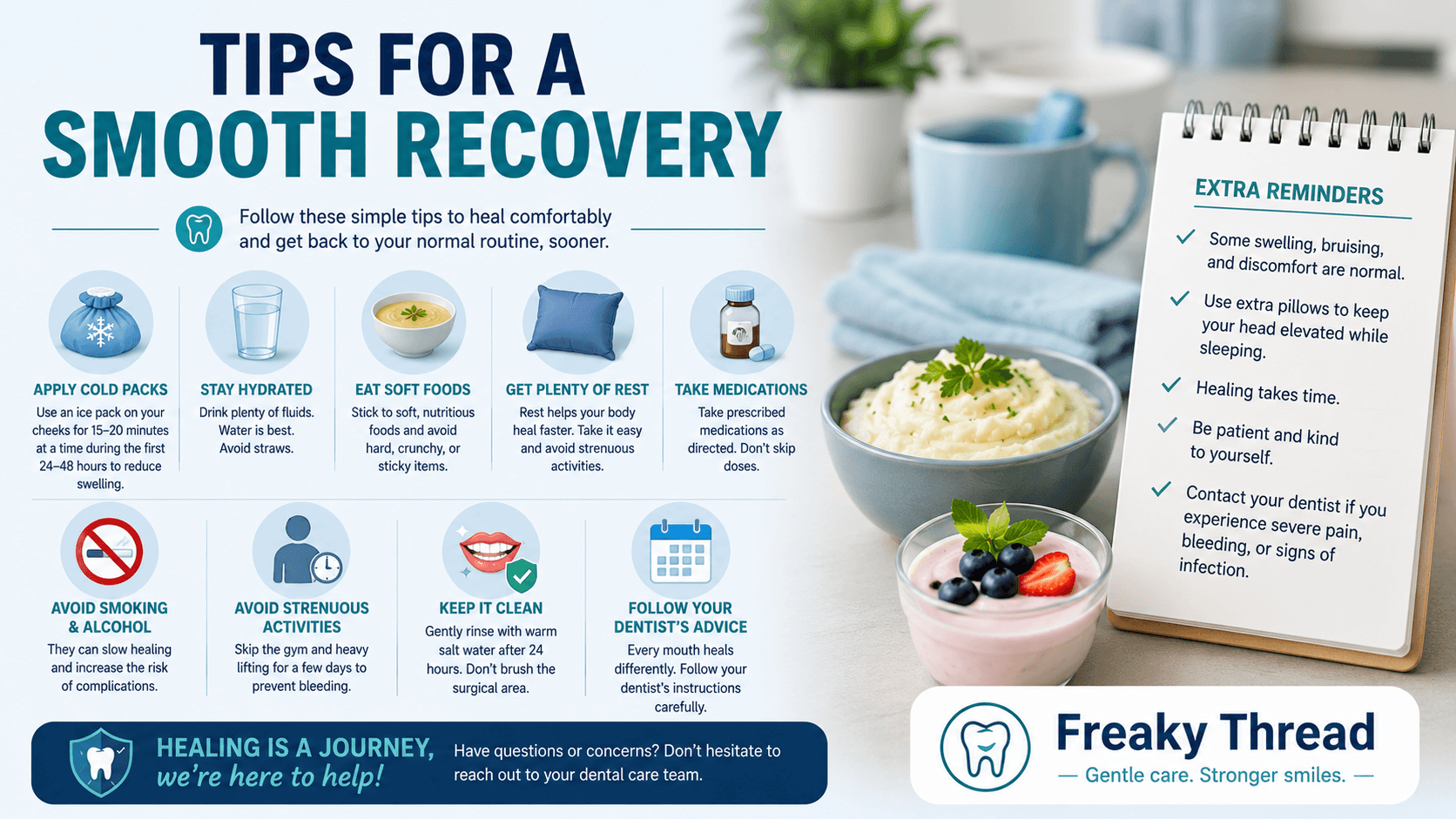
Hydration is a key factor in post-operative recovery because it keeps the mouth clean and promotes tissue repair. Drinking plenty of water helps flush bacteria and prevents infection while keeping you nourished.
Maintaining gentle oral hygiene, avoiding straws, and gradually transitioning to normal foods ensures comfort and safety. Following these tips, alongside soft foods to eat after wisdom teeth removal, reduces pain and supports a healthy, speedy recovery.
Conclusion:
the right foods after wisdom teeth removal significantly impacts recovery quality, comfort, and healing speed. Sticking to soft, nutrient-rich, and easily digestible options reduces pain and prevents complications.
By carefully monitoring when to eat solid or spicy foods and focusing on safe, soft options, you ensure a smooth recovery. For additional advice and detailed guidance on post-operative care, visit Freaky Thread, where expert tips help you recover safely while enjoying a healthy diet.


