

Table of Contents:
- Introduction
- What Coffee Actually Does to Your Body Within the First Hour
- The Science-Backed Benefits of Coffee That Are Actually Worth Talking About
- When Coffee Stops Being Beneficial and Starts Causing Problems
- How Timing Affects Whether Coffee Is Beneficial to Health
- What You Add to Coffee Matters as Much as the Coffee Itself
- Who Should Be Cautious About Coffee Regardless of the Benefits
- Conclusion
Introduction:
Coffee is one of the most consumed beverages in the world and one of the most debated. Every morning, millions reach for that first cup to kickstart the day, yet science provides mixed signals about its effects. Some studies suggest coffee extends lifespan and improves mental focus, while others warn of anxiety, heart strain, or digestive discomfort. Most people have no idea what to believe. Freaky Thread often highlights research-backed perspectives to help readers understand how coffee truly affects their bodies.
What Coffee Actually Does to Your Body Within the First Hour:
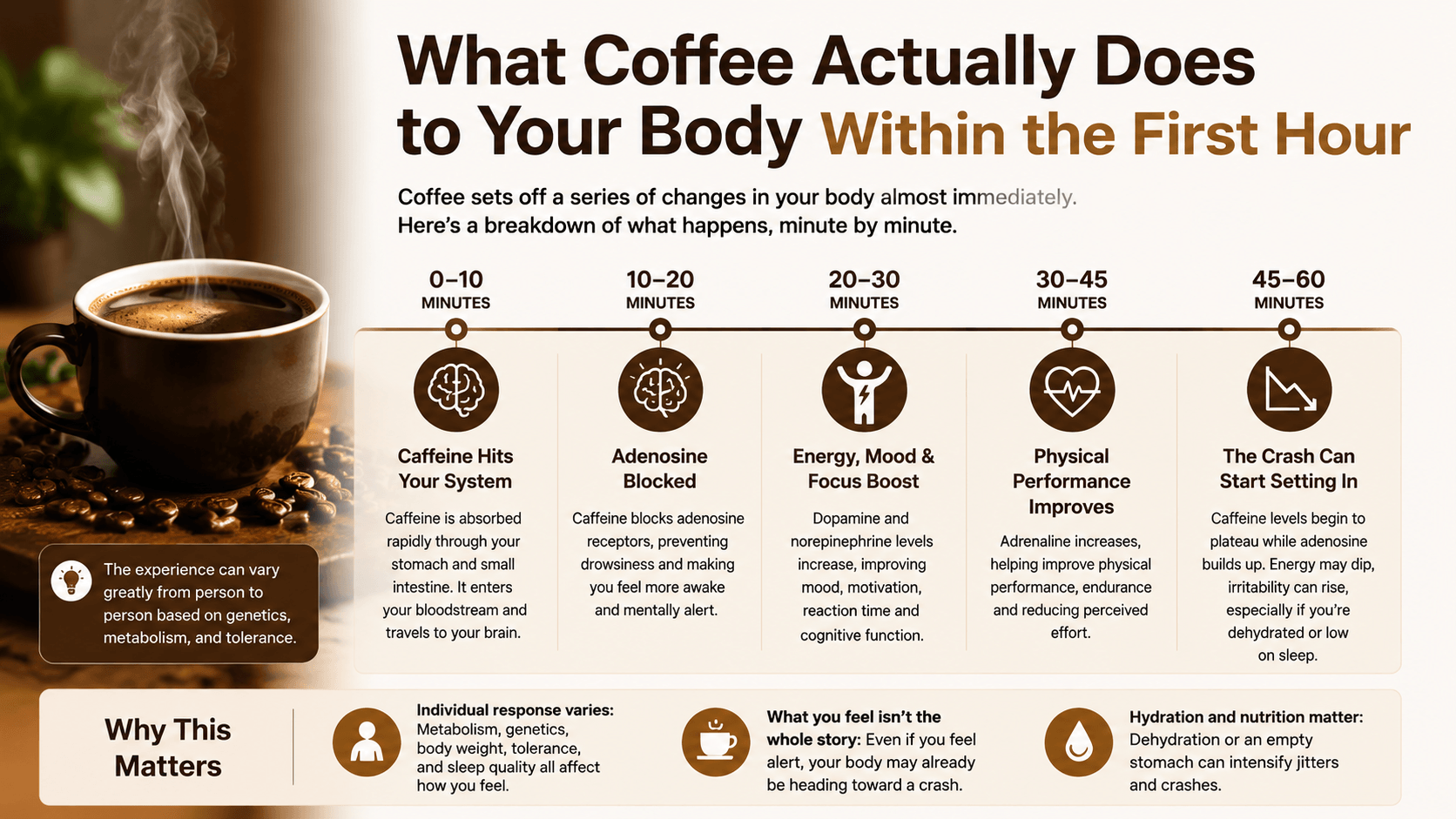
When you drink coffee, the effects begin almost immediately. Caffeine blocks adenosine receptors in your brain, reducing feelings of fatigue and increasing alertness. This creates the characteristic energy boost coffee drinkers rely on daily, but it comes with a caveat: adenosine accumulation eventually leads to an energy crash. Individual differences in caffeine metabolism mean one person’s energizing cup may cause another person’s jitteriness or racing heartbeat.
Within the first hour after consumption, coffee affects your body in ways beyond mental alertness. Blood pressure can rise slightly due to caffeine’s stimulant effects, and digestive processes may accelerate, which can be beneficial or irritating depending on individual sensitivity. People with slow caffeine metabolism may experience prolonged effects, including disrupted sleep if consumed too late in the day. Understanding how caffeine interacts with your physiology is essential to safely enjoy coffee.
The Science-Backed Benefits of Coffee That Are Actually Worth Talking About:
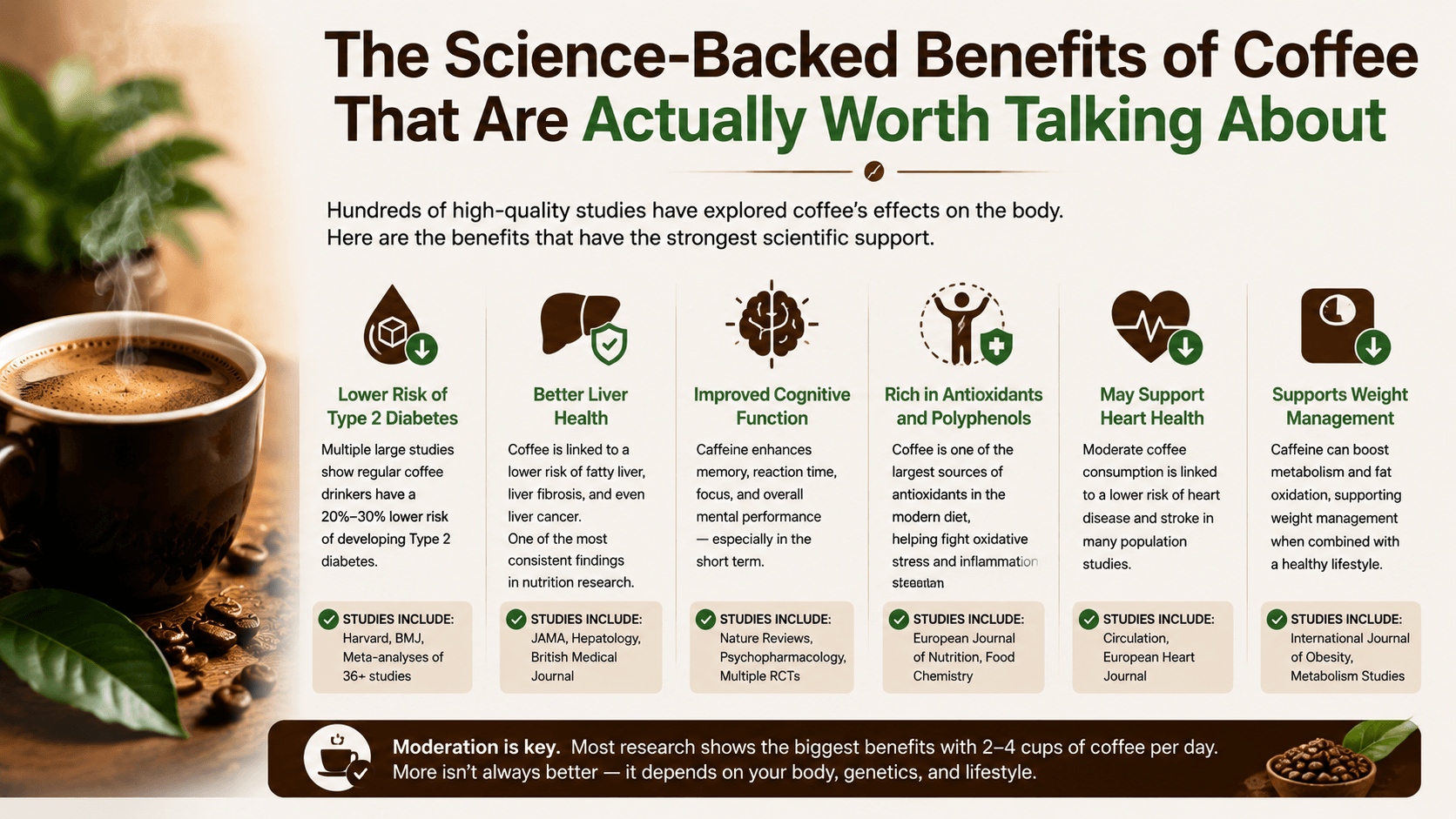
Regular coffee consumption has been linked to a lower risk of Type 2 diabetes in multiple large studies. Coffee influences glucose metabolism and insulin sensitivity, contributing to this effect. Liver health is another well-supported benefit, as moderate coffee consumption reduces the risk of liver fibrosis, fatty liver disease, and liver cancer.
Cognitive performance can also improve. Alertness, reaction time, and certain aspects of memory benefit from moderate caffeine intake. These improvements are dose-dependent, and excessive consumption may produce anxiety or restlessness. Coffee works by increasing dopamine activity in the brain, enhancing motivation and attention, though it cannot replace sleep or proper nutrition.
When Coffee Stops Being Beneficial and Starts Causing Problems:
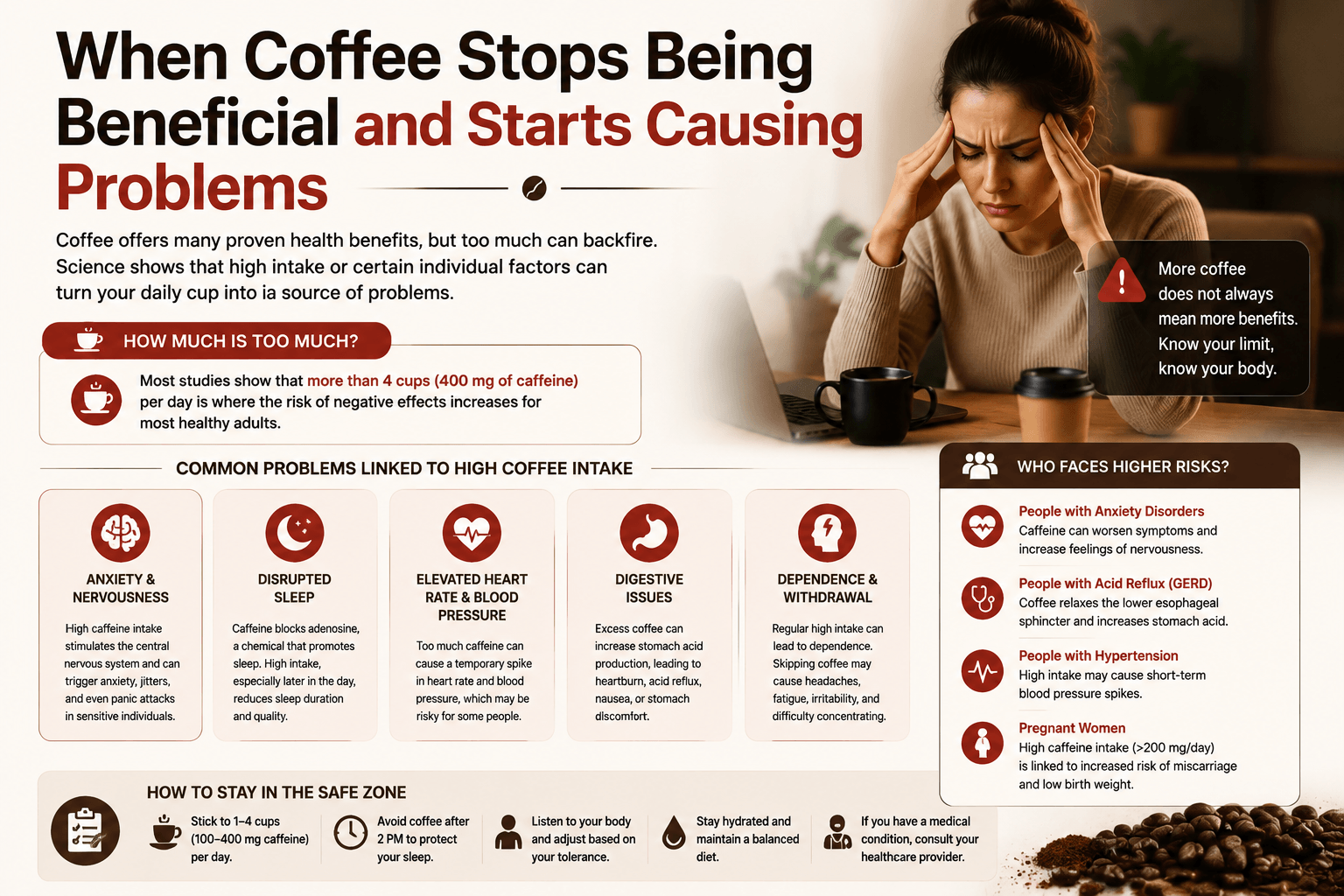
Excessive coffee consumption can have negative effects, especially beyond four cups per day. High intake can elevate heart rate, exacerbate anxiety, and disrupt sleep patterns. Even small disruptions to sleep quality may affect overall health. People with acid reflux, hypertension, or pregnancy face additional risks that many articles fail to mention, making moderation essential.
Data integrity, digestive comfort, and energy balance are also affected. Overconsumption can worsen jitters, increase dehydration, and trigger gastrointestinal discomfort. Coffee’s benefits diminish when intake exceeds your individual tolerance, highlighting the importance of knowing your limits.
How Timing Affects Whether Coffee Is Beneficial to Health:
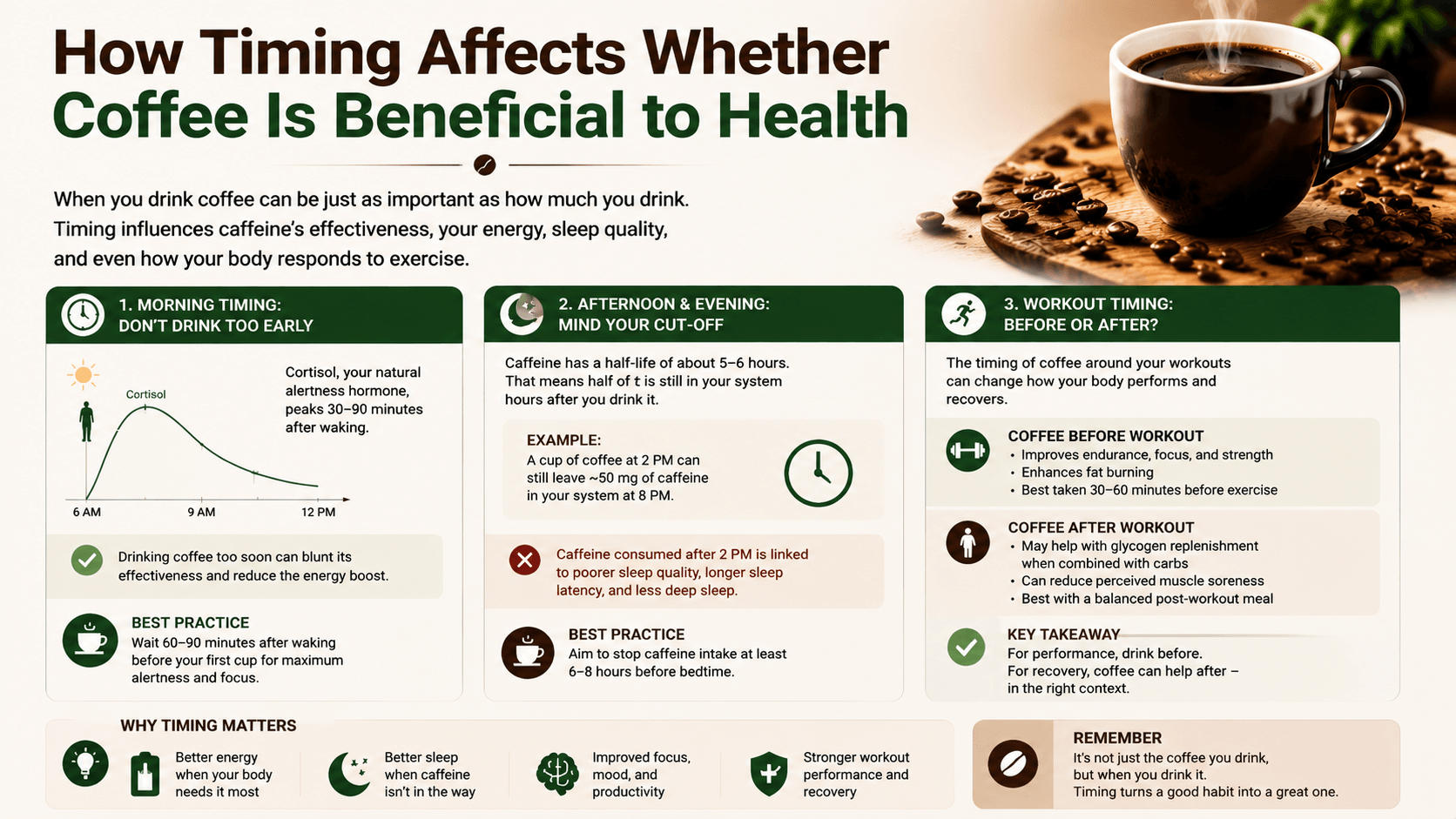
Timing matters in coffee consumption. Drinking coffee immediately after waking may blunt its effectiveness because cortisol levels are naturally high in the morning. Consuming caffeine after 2 p.m. can disrupt sleep quality even if you do not feel the effects immediately. Timing caffeine around workouts alters energy availability, fat oxidation, and endurance, so it is important to align intake with activity schedules.
Morning coffee may not produce the alertness benefits people expect, while afternoon coffee may affect nightly rest. Understanding these effects allows for smarter consumption and maximized benefits from every cup.
What You Add to Coffee Matters as Much as the Coffee Itself:
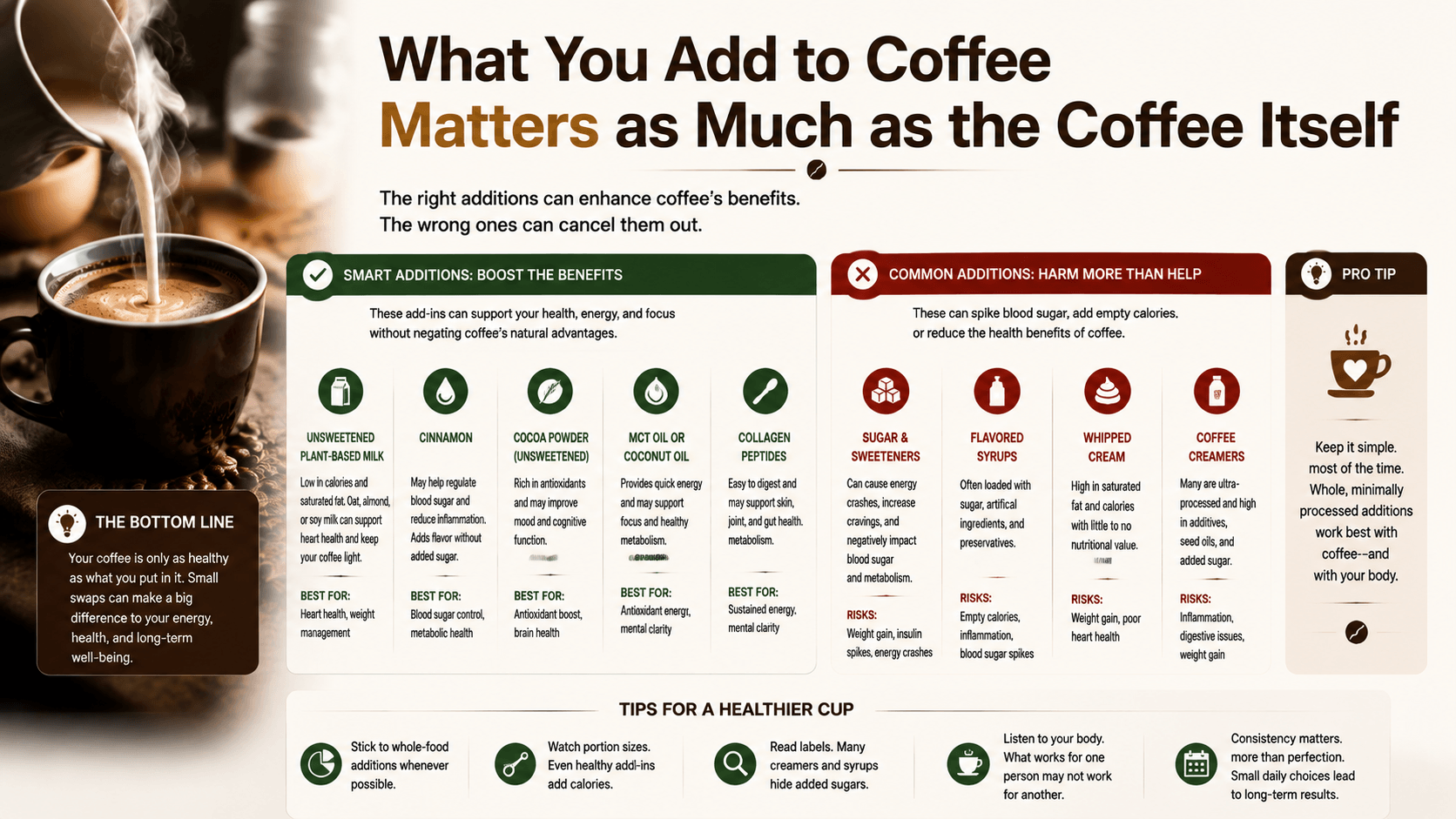
What you put in coffee can change its health impact significantly. Sugar-heavy drinks, flavored syrups, and high-fat creamers can introduce extra calories and negate metabolic benefits. A latte with syrups may have as many calories as a dessert, undoing potential health gains.
Black coffee, in contrast, contains negligible calories and preserves bioactive compounds. Understanding the nutritional implications of additives ensures that coffee remains a net health benefit rather than an overlooked source of sugar or fat.
Who Should Be Cautious About Coffee Regardless of the Benefits:
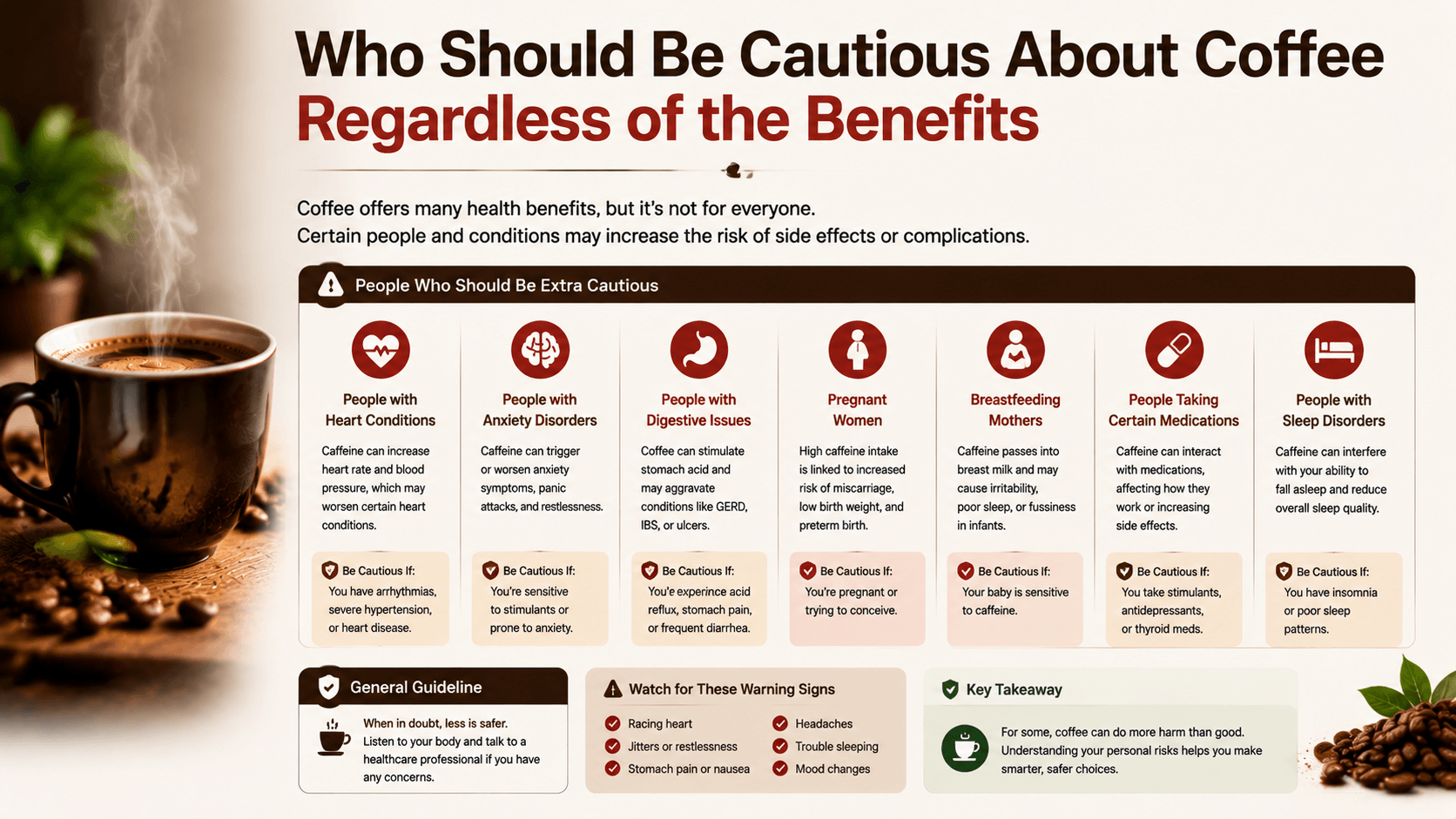
Certain populations need to exercise caution. People on medications such as heart or psychiatric drugs may face dangerous interactions with caffeine. Individuals with anxiety disorders may worsen their symptoms even at moderate intake. Children and teenagers have no established safe caffeine threshold, yet consumption among adolescents is increasing.
Awareness of personal circumstances combined with moderation helps ensure coffee contributes positively to overall health. Following scientific guidance and listening to your body is essential for safe enjoyment.
Conclusion:
Moderation is key to maximizing coffee’s benefits while minimizing risks. Experts recommend three to four cups daily, adjusting for individual sensitivity. Pairing coffee with a balanced diet, hydration, and good sleep habits enhances benefits. Monitoring your body’s responses ensures coffee contributes positively to daily health.
Ultimately, coffee can improve alertness, metabolism, liver health, and cognitive function, but excessive intake or poor timing can create negative effects. Knowledge and conscious consumption are key to enjoying coffee as part of a balanced lifestyle. Freaky Thread encourages readers to stay informed and consume coffee responsibly to optimize health benefits.


