
Introduction
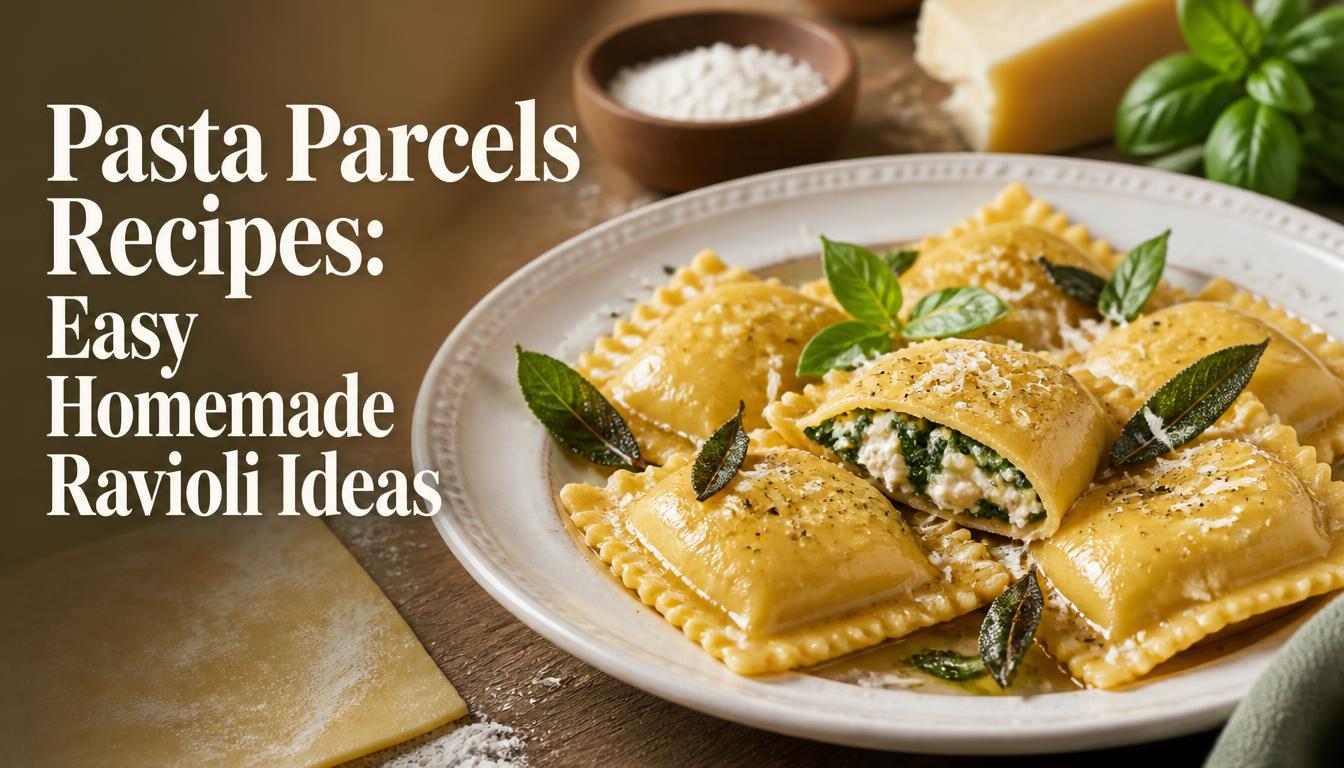
Pasta parcels are a delicious way to turn simple ingredients into something special. Ravioli is one of the most popular examples of these carefully filled pasta parcels. Fresh pasta surrounds flavorful fillings, creating a satisfying combination in every bite. Homemade ravioli also gives you plenty of freedom when choosing ingredients and sauces.
Making fresh ravioli may seem difficult when you first see the process. However, the basic technique becomes much easier after understanding each important step. You need pasta dough, a suitable filling, and careful sealing techniques. With patience, even beginners can create attractive homemade stuffed ravioli at home.
In this guide, Freaky Thread explores several easy pasta parcels recipes for home cooks. You will learn how to prepare dough, choose fillings, shape ravioli, and cook everything properly. You will also discover simple sauce ideas that complement homemade ravioli without overwhelming its flavor.
What Are Pasta Parcels and Homemade Ravioli?

Pasta parcels are pasta pieces wrapped around different types of flavorful fillings. Ravioli is a classic stuffed pasta that follows this simple preparation method. The dough creates a protective layer around ingredients such as cheese, vegetables, meat, or seafood. Different shapes and fillings can create completely different dining experiences.
The reference guide features many ravioli varieties, including beef, seafood, spinach, ricotta, pumpkin, mushrooms, and lemon fillings. This demonstrates how versatile homemade ravioli can become for different preferences. Ravioli can also feature different shapes depending on your equipment and creativity. Traditional square shapes remain especially popular among home cooks.
Ravioli is also closely connected with the Italian tradition of fresh stuffed pasta. The singular form is commonly called raviolo, while ravioli refers to multiple pasta parcels. You can serve these parcels with butter, herbs, tomato sauces, or other suitable accompaniments. Choosing a lighter sauce can help preserve the filling’s delicate flavors.
Ingredients You Need for Homemade Ravioli
Making homemade ravioli begins with a simple fresh pasta dough. Common dough ingredients include flour, eggs, salt, and sometimes small amounts of water. You should mix and knead these ingredients until the dough becomes smooth and flexible. Resting the dough afterward makes rolling easier and more manageable.
The filling depends entirely on the type of homemade stuffed ravioli you want. Ricotta and spinach create a classic vegetarian option with creamy and fresh flavors. Mushrooms provide an earthy taste that pairs nicely with cheese and herbs. Meat, seafood, pumpkin, and other vegetables can also create delicious filling combinations.
USDA food composition information includes meat-filled, cheese-filled, and cheese-and-spinach ravioli varieties. This supports the broad range of fillings commonly associated with ravioli dishes. Fresh refrigerated pasta also contains more moisture than dried pasta. Therefore, fresh pasta should remain refrigerated until you are ready to prepare it.
How Do I Make Homemade Ravioli at Home?
If you wonder, “how do I make homemade ravioli,” start with the pasta dough. Combine your flour and eggs, then work everything together until rough dough develops. Knead the dough until smooth and reasonably elastic. Cover it afterward and allow sufficient resting time before beginning the rolling process.
Divide your dough into manageable portions before rolling each piece carefully. Roll the dough until you achieve thin, even sheets suitable for filling. Place small portions of filling across one sheet while leaving enough space between portions. Cover the filling with another pasta sheet before pressing gently around each portion.
Remove trapped air around the filling before sealing the pasta completely. Cut individual ravioli using a knife, pasta cutter, or ravioli mold. Press the edges firmly to prevent the filling from escaping during cooking. The reference guide recommends using tools such as rolling pins, pasta machines, and ravioli cutters.
Easy Homemade Stuffed Ravioli Filling Ideas
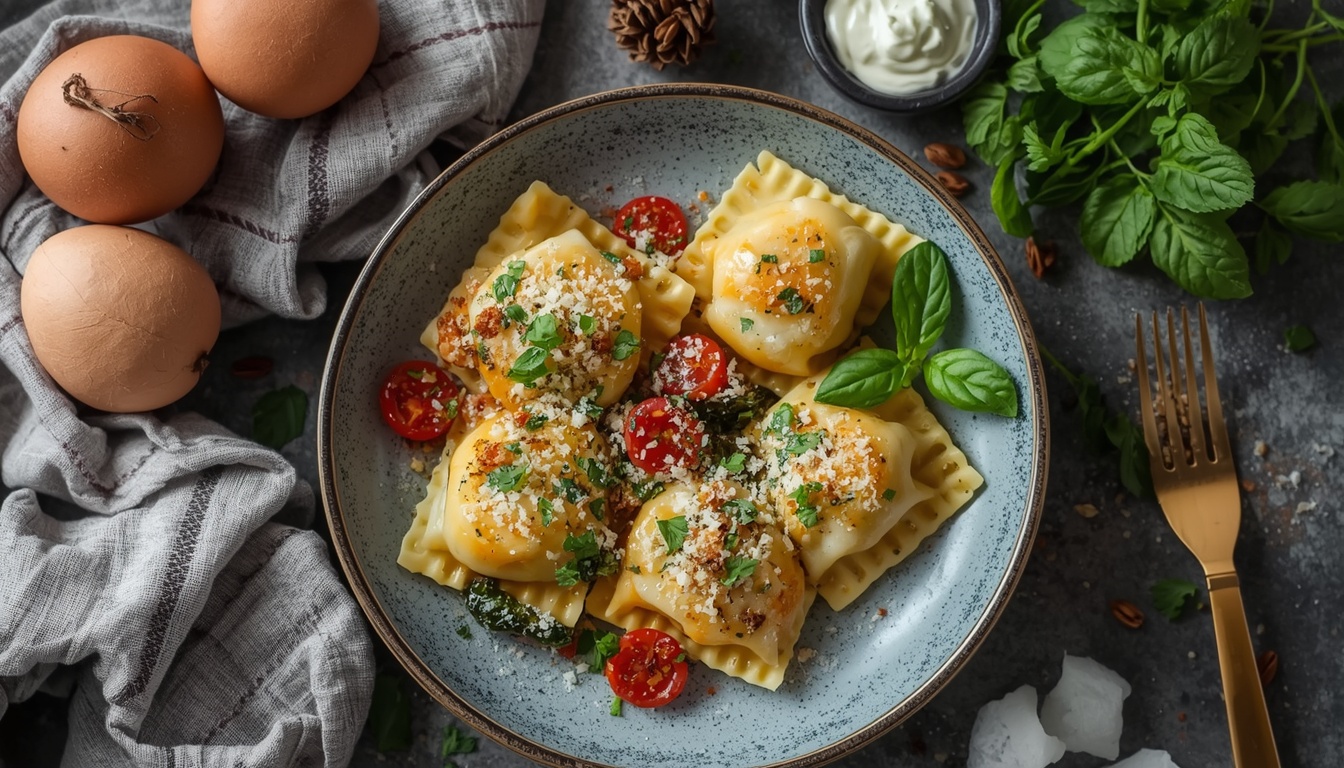
Spinach and ricotta remain excellent choices for beginners making homemade stuffed ravioli. Ricotta provides creamy texture, while spinach adds fresh vegetable flavor. Parmesan, herbs, and black pepper can add additional depth without making the filling complicated. Make sure cooked spinach contains minimal excess moisture before adding it.
Mushroom and Parmesan ravioli offers another flavorful option for home cooks. Cook mushrooms thoroughly so excess moisture evaporates before combining them with cheese. Pumpkin ravioli can provide gentle sweetness alongside savory herbs and Parmesan. These combinations work particularly well with simple butter-based sauces.
For richer pasta parcels recipes, consider beef, chicken, or seafood fillings. Meat fillings should be prepared safely before being enclosed inside fresh pasta. Seafood can include ingredients such as crab or other suitable fish varieties. The reference article includes several meat and seafood ravioli recipes alongside vegetarian alternatives.
How to Cook and Serve Homemade Ravioli
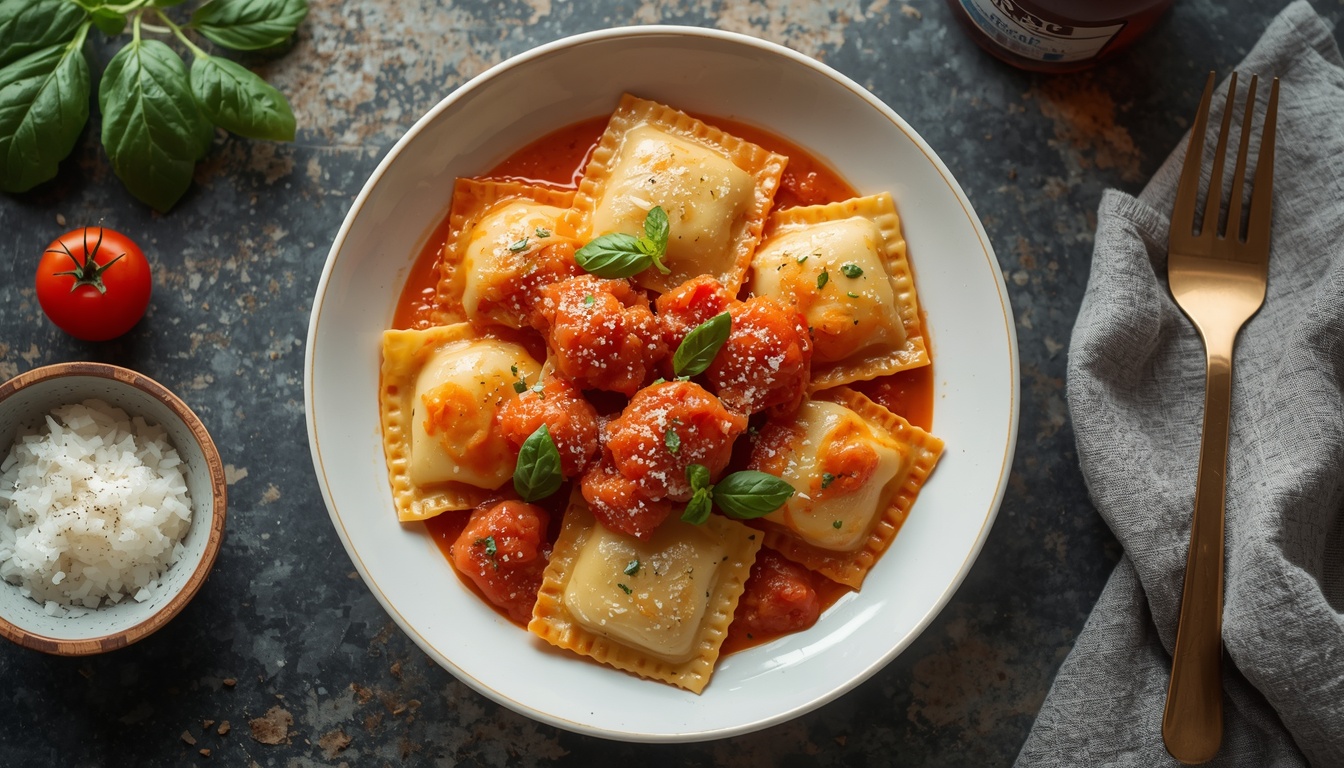
Bring a large pot of generously salted water to a gentle boil. Carefully add the ravioli without overcrowding the cooking pot. Fresh ravioli generally requires less cooking time than dried pasta products. The reference guide recommends approximately three to four minutes for al dente ravioli.
Cooking time can change depending on pasta thickness and filling ingredients. Watch the ravioli carefully and check one piece before removing everything. Use a slotted spoon when transferring cooked parcels from the water. Handle fresh ravioli gently because thin pasta can tear more easily.
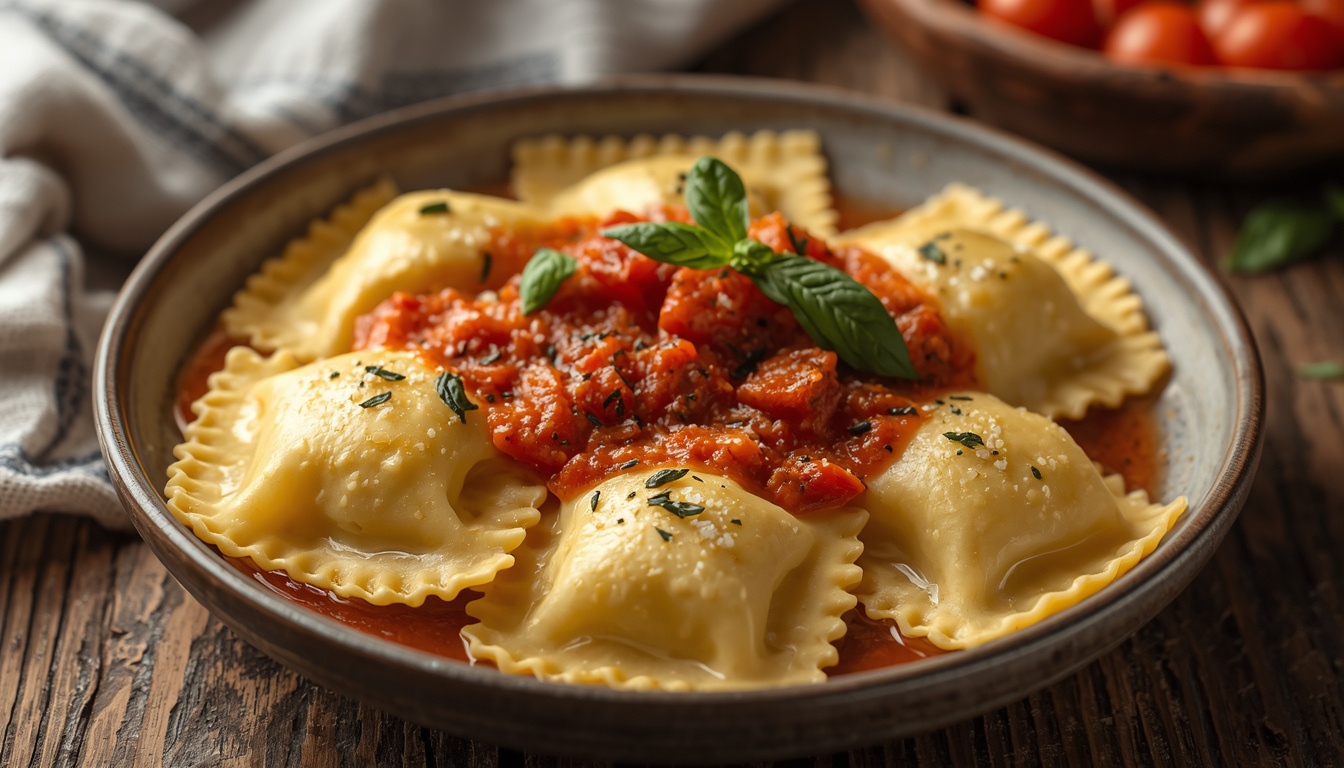
Sauce selection should complement your filling instead of covering its delicate flavors. Sage butter, garlic butter, tomato sauce, and herb-based options can work beautifully. The reference guide specifically recommends traditional compound butter with ravioli instead of heavier sauces. This approach allows the pasta and filling to remain the main focus.
Tips for Making Perfect Pasta Parcels Recipes
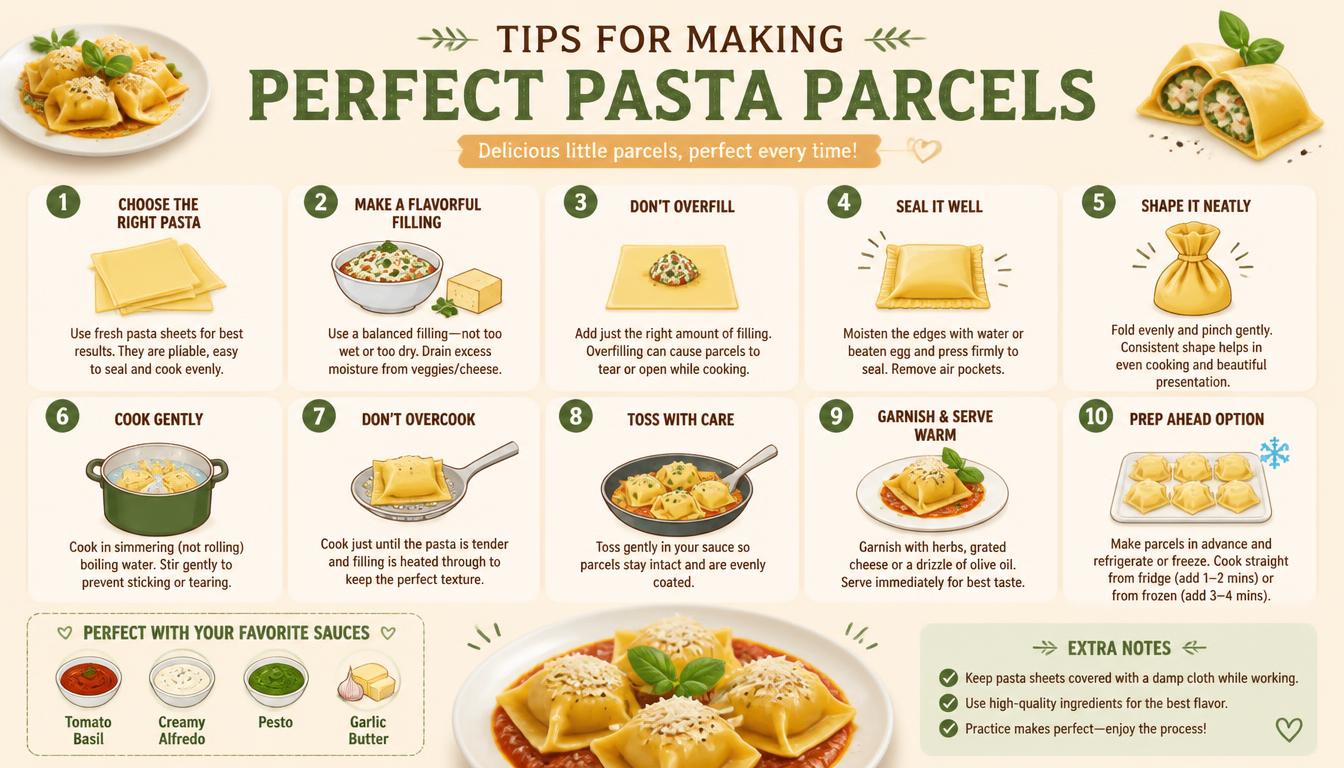
One of the biggest secrets involves controlling moisture inside your filling. Wet fillings can make pasta difficult to seal and may cause parcels to open. Cook vegetables and mushrooms thoroughly before combining them with other ingredients. Keep your filling cool and firm enough for easy portioning during preparation.
Avoid adding excessive filling because larger portions can make sealing difficult. Leave enough space around every filling portion for secure edges. Press gently around each mound to remove trapped air before sealing. Keep unused pasta sheets covered because exposed dough can dry quickly during preparation.
Food safety also matters when preparing homemade stuffed ravioli with perishable ingredients. Wash your hands and surfaces regularly while preparing ingredients and fresh pasta. Keep foods requiring refrigeration properly chilled before and after preparation. USDA guidance recommends cleaning, separating, cooking, and chilling foods safely.
Conclusion
Homemade ravioli offers an enjoyable way to experiment with fresh pasta. You can create simple fillings using cheese, vegetables, mushrooms, pumpkin, meat, or seafood. Once you understand the dough and sealing process, making pasta parcels becomes much more approachable. Different fillings can also give the same basic dough completely different flavors.
The most important techniques involve rolling evenly, controlling filling moisture, and sealing carefully. Cooking fresh ravioli gently helps protect delicate pasta and keeps fillings inside each parcel. Simple sauces can then enhance the finished dish without overpowering the homemade ingredients.
Whether you are making your first batch or experimenting with new flavors, these pasta parcels recipes provide plenty of inspiration. Start with an easy filling before exploring more creative homemade stuffed ravioli combinations. For more food ideas and useful cooking inspiration, keep exploring Freaky Thread for future recipes and guides.


