Table of Contents:
Introduction:
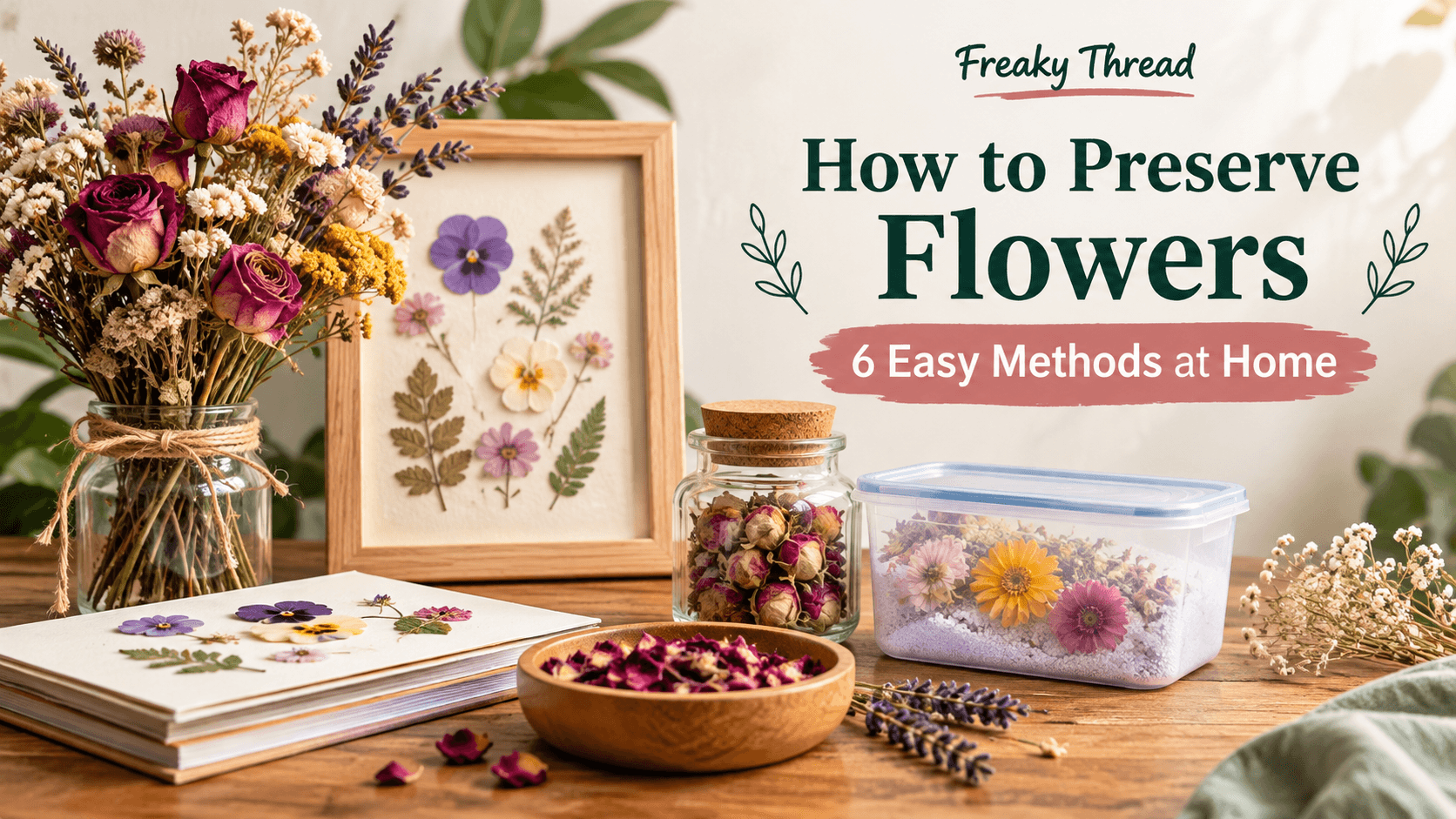
Flowers bring beauty, emotion, and meaningful memories into our everyday lives. Whether received as a gift or collected from your garden, flowers deserve thoughtful care. Unfortunately, fresh flowers eventually lose their moisture, color, and natural shape. Fortunately, several simple techniques can help you preserve flowers at home. You do not need expensive equipment or advanced crafting experience to begin. With proper preparation, you can transform beautiful blooms into lasting decorative keepsakes. In this guide from Freaky Thread, we explore six practical preservation methods. Each technique offers different results depending on your flowers and personal preferences.
The best preservation method depends on the flower variety and your desired outcome. Some techniques maintain three-dimensional shapes, while others create flat decorative pieces. Before beginning, consider whether you want to preserve an entire bouquet or individual flowers. This decision helps you select the appropriate technique and prepare your materials. Let’s explore how to preserve flowers through simple, beginner-friendly methods.
How to Preserve Flowers by Air Drying:
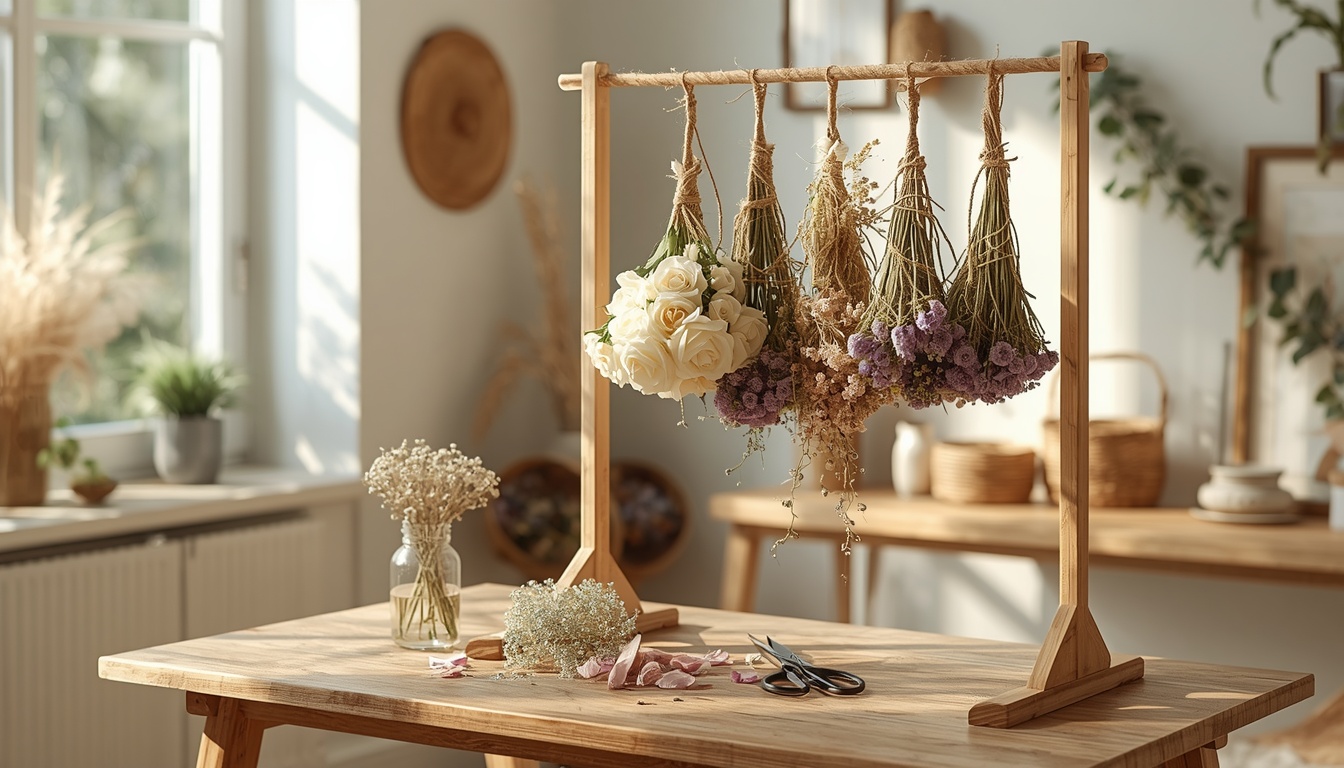
Air drying remains one of the simplest ways to preserve flowers naturally. This technique gradually removes moisture while allowing flowers to retain their general shape. It works particularly well for sturdy flowers, grasses, and certain foliage varieties. Roses, lavender, statice, and baby’s breath commonly suit air-drying projects. However, delicate flowers may lose their shape or develop more noticeable color changes.
Start by removing damaged petals, excess leaves, and unnecessary foliage from each stem. Gather small groups of flowers and secure their stems using string or rubber bands. Hang the bundles upside down in a dry, dark, and well-ventilated location. Avoid humid rooms because excess moisture can encourage mold development. Allow the flowers to dry completely before handling or storing them carefully.
Drying time varies depending on flower thickness, humidity, and ventilation conditions. Many flowers require approximately two to three weeks before becoming fully dry. Check the petals and stems gently before removing the finished bundles. Properly dried flowers should feel dry and firm rather than soft or damp. This method offers an affordable starting point for anyone learning how to preserve flowers.
You may also like:
How to Press and Preserve Flowers:
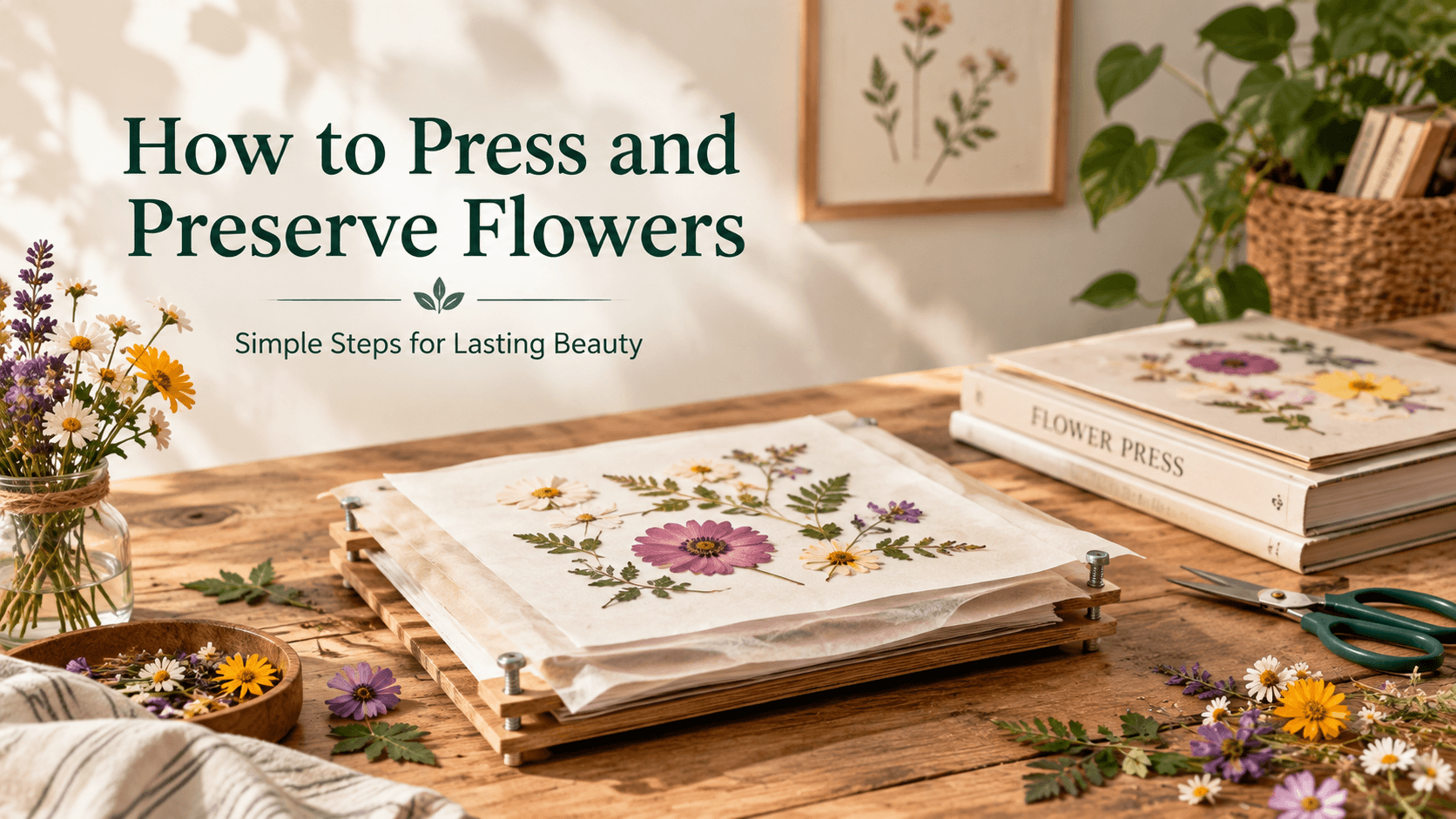
Pressing flowers creates beautiful, flat keepsakes for artwork and home decorations. This method works especially well with pansies, violets, ferns, and other relatively flat flowers. Thick flowers may require more time and careful preparation during the pressing process. Choose fresh flowers that show no signs of wilting, insects, or disease. Avoid collecting flowers immediately after rain because excess moisture complicates the drying process.
Place each flower between two sheets of clean, absorbent paper. Arrange the petals carefully before closing the book around the flower. Use a heavy book and place additional weight on top for consistent pressure. Store the book in a dry location where it will remain undisturbed. Check the flowers after approximately one week, replacing damp paper when necessary.
Many pressed flowers require around one to two weeks before drying completely. The exact time depends on flower thickness, moisture content, and environmental conditions. Once dry, carefully remove the flowers and place them inside frames or handmade cards. Pressing provides a straightforward approach for learning how to dry and preserve flowers.
You may also like:
Preserve Flowers Using Silica Gel:
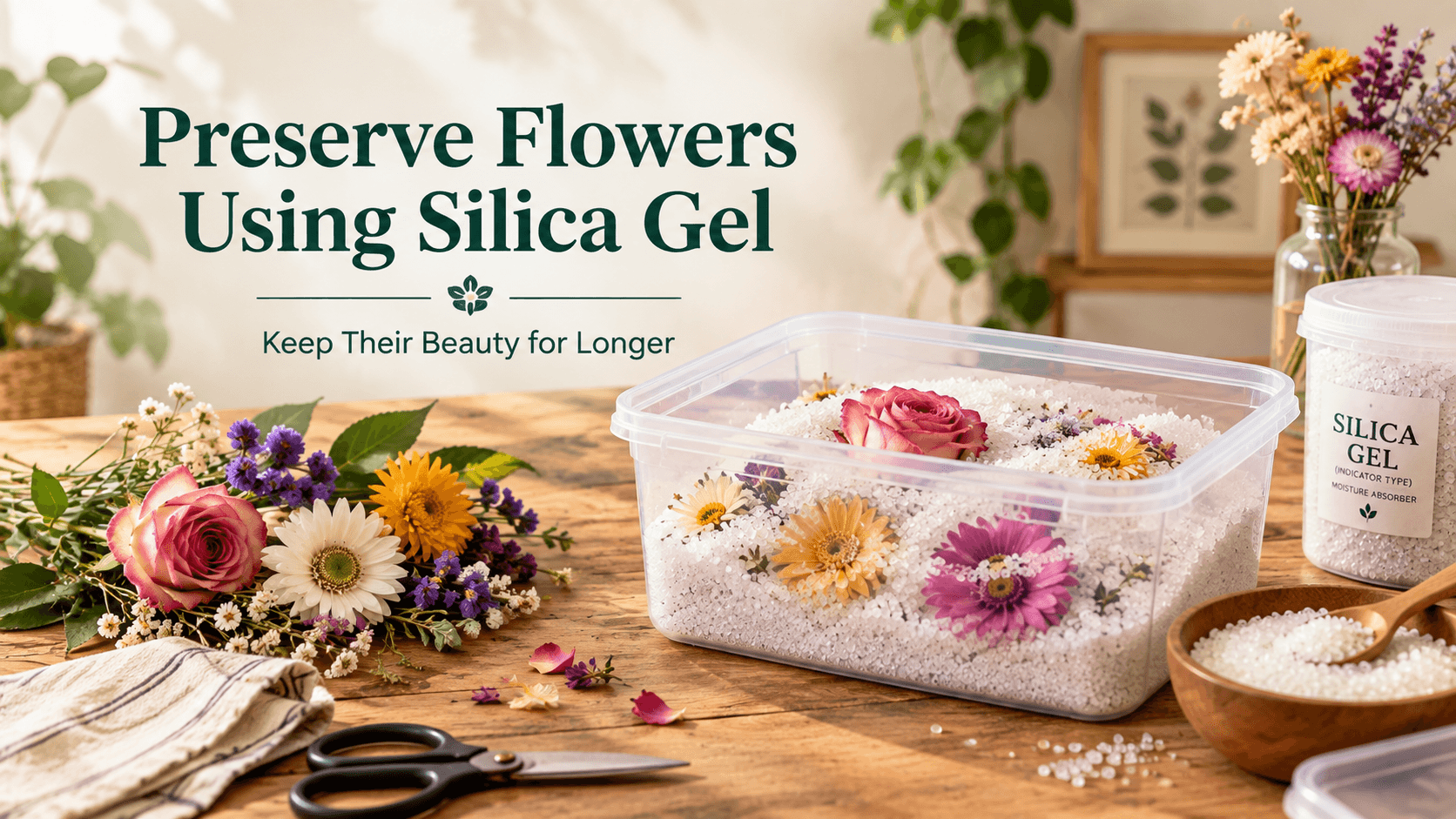
Silica gel provides another effective method for preserving flowers with their natural shape. Unlike pressing, this technique supports flowers while removing moisture from their petals. It works especially well for flowers that may lose their shape during air drying. Roses, daisies, marigolds, and other suitable flowers can produce attractive results. However, different flowers respond differently, so results may vary.
Begin by selecting a sturdy, airtight container that accommodates your flowers comfortably. Pour a layer of silica gel across the bottom of the container. Place flowers carefully inside, keeping their petals in their natural positions. Gently add silica gel around each flower until the blooms become fully covered. Avoid pressing heavily against the petals because excessive pressure can damage them.
Seal the container and leave it undisturbed for several days. Many flowers require approximately two to seven days, depending on their thickness. Check the flowers carefully before removing them from the drying material. Remove excess silica gel gently using a soft brush when necessary. Silica gel can often be reused after appropriate drying and storage procedures.
Safety note: Follow the silica gel product’s instructions and keep it away from young children. Do not confuse loose silica gel with edible materials, even when packaging looks similar.
You may also like:
How to Preserve Flowers Using Microwave Drying:
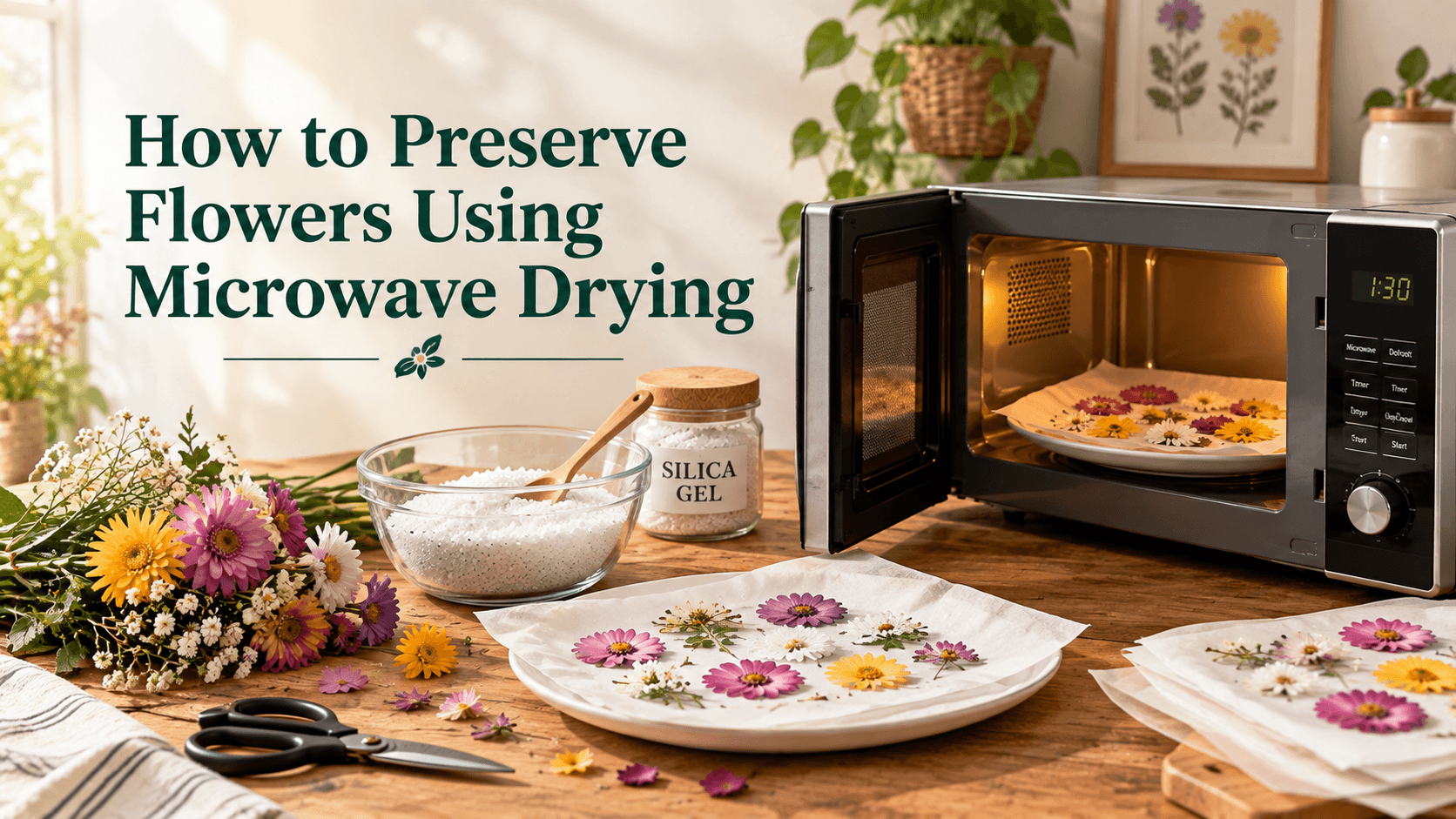
Microwave drying offers a faster alternative to traditional flower preservation techniques. This method uses gentle heating alongside a supportive drying material, commonly silica gel. It can help preserve flower shapes while reducing the overall drying time considerably. However, microwave drying requires careful supervision and suitable microwave-safe materials.
Place the flower inside an appropriate microwave-safe container containing silica gel. Arrange the petals gently so the drying material supports their natural shape. Follow a reliable flower-preservation method and your microwave manufacturer’s safety instructions. Never use metal wires, unsuitable containers, or covered containers inside the microwave. Begin with small test flowers because heating results vary between flower types.
After heating, allow the flowers to cool inside the drying material. The standing period helps complete drying and reduces unnecessary handling damage. Do not assume flowers are ready simply because their outer petals feel dry. Check the thickest areas carefully before removing the flowers from the container. Microwave drying requires experimentation, patience, and careful attention to safety.
You may also like:
How to Preserve a Bouquet of Flowers:
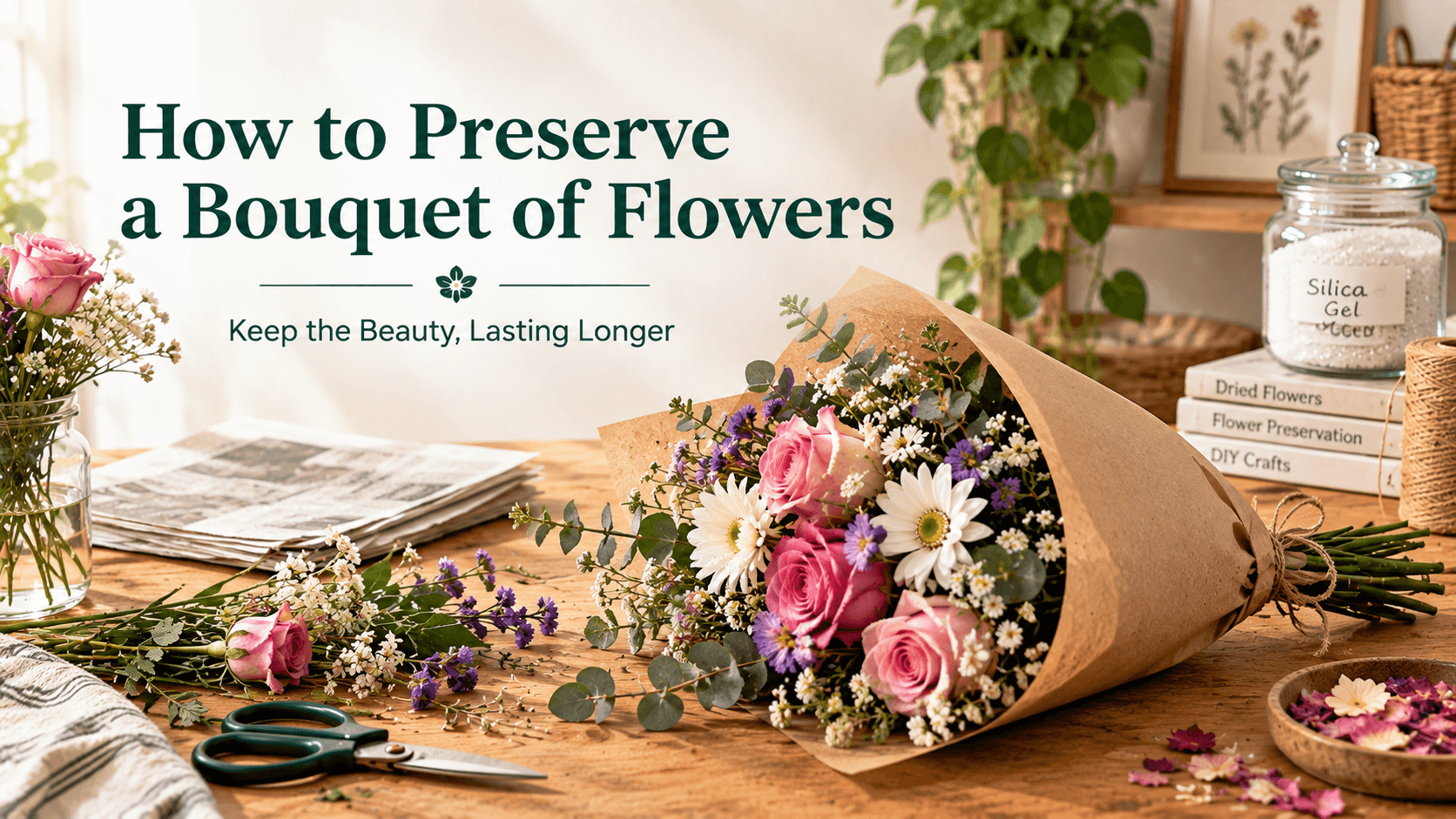
Preserving a bouquet requires thoughtful preparation because different flowers dry differently. Some bouquets contain delicate petals, thick blooms, leafy stems, and decorative foliage. These materials may need separate techniques for the most consistent preservation results. Before starting, photograph your bouquet to remember its original arrangement. Then decide whether you prefer preserving the complete bouquet or individual flowers.
For a simple approach, separate the bouquet into smaller groups of compatible flowers. Remove damaged foliage and check each stem for excess moisture. Hang suitable flowers upside down in a dry, dark, well-ventilated space. Flowers that lose their shape easily may benefit from silica gel instead. Press smaller, flatter blooms separately when creating a mixed preserved display.
If you want to preserve a bouquet’s original appearance, consider professional preservation services. Freeze-drying can produce natural-looking results but requires specialized equipment and expertise. Home drying may change colors, textures, and the arrangement’s original shape. Therefore, choose your technique according to your budget and desired final appearance.
You may also like:
How to Preserve Dried Flowers for Longer:
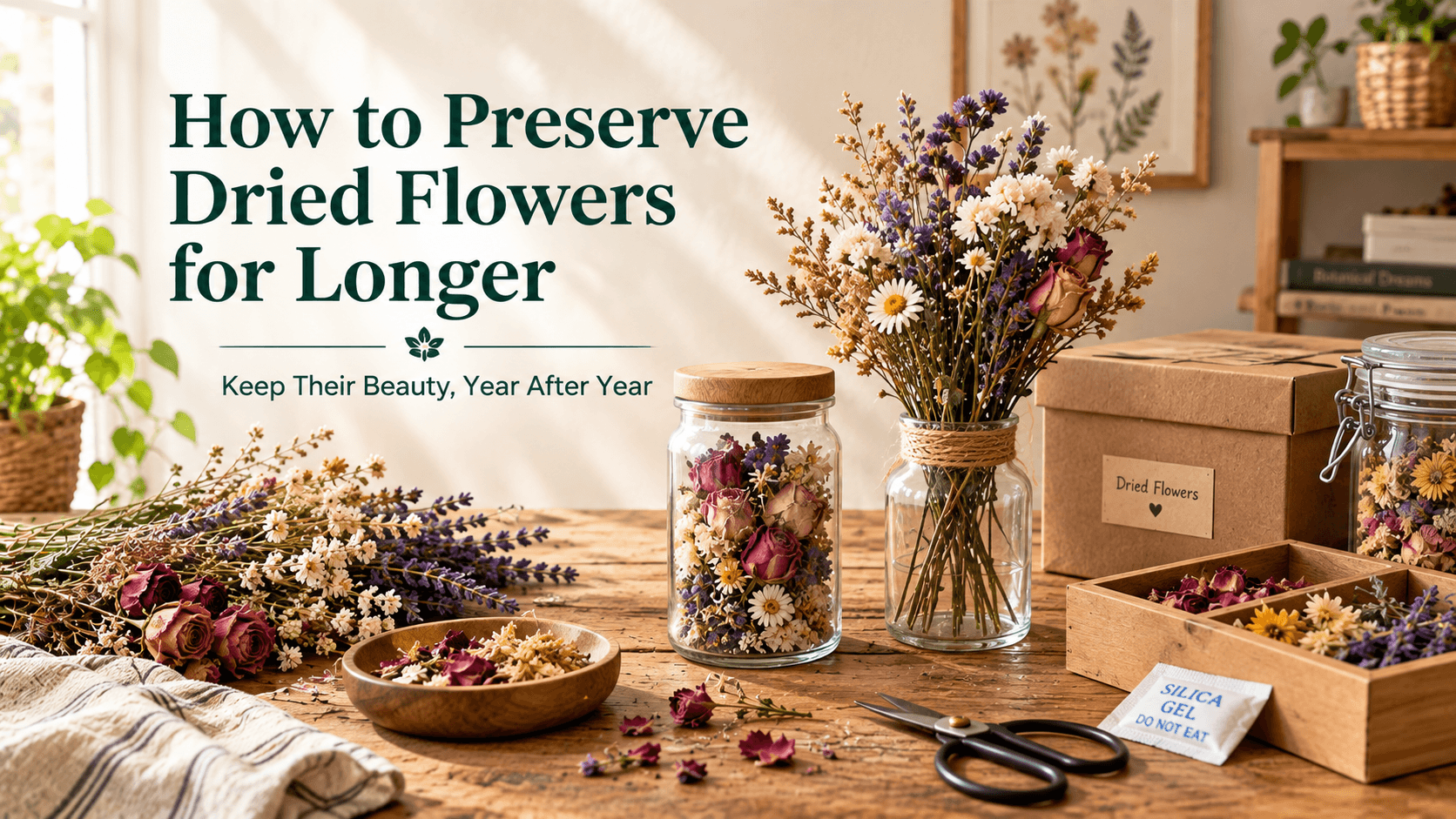
Learning how to preserve dried flowers involves proper storage and gentle handling. Drying removes moisture, but it does not make flowers completely resistant to damage. Sunlight, humidity, dust, and physical contact can gradually affect their appearance. Proper storage helps reduce these problems and extends the useful life of dried arrangements.
Display dried flowers away from prolonged direct sunlight whenever possible. Choose locations with stable humidity and good protection from accidental contact. Clean dust gently using a soft brush or suitable low-pressure cleaning method. Avoid applying water directly because moisture can soften dried petals and encourage deterioration. Inspect your arrangements regularly for loose petals, fading, or signs of moisture damage.
For long-term storage, use a clean container that protects flowers from excessive dust. Make sure flowers are completely dry before placing them inside enclosed storage. Avoid overcrowding because delicate petals can break under unnecessary pressure. With suitable care, dried flowers can remain attractive for months or longer. Their lifespan depends on the flower variety, preservation method, and surrounding conditions.
You may also like:
Tips for Better Flower Preservation Results:
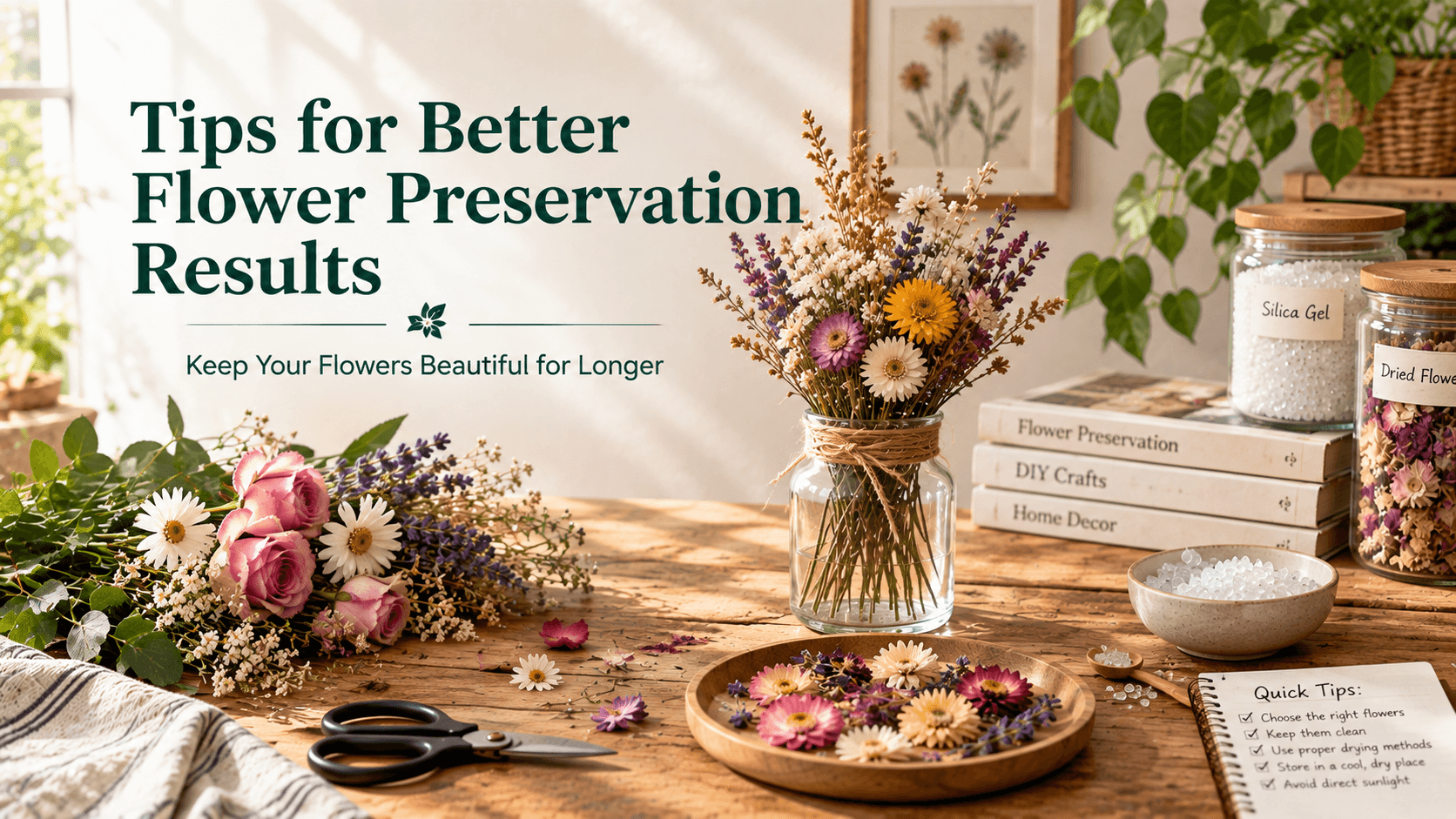
Choosing the right flowers and preparing them properly improves your preservation results. Always select blooms that look fresh, healthy, and free from visible damage. Remove excess moisture before beginning any drying or pressing technique. Avoid overcrowding flowers because limited airflow can increase moisture-related problems. Keep notes about drying times to understand which methods work best.
Remember that no preservation method guarantees the original color, texture, or shape. Some flowers naturally darken during drying, while others become fragile or lose their petals. Experiment with a few inexpensive flowers before preserving meaningful bouquets. This approach helps you understand the technique without risking your favorite blooms.
Conclusion:
Learning how to preserve flowers allows you to enjoy beautiful blooms beyond their fresh lifespan. Air drying, pressing, silica gel, and microwave drying offer different preservation possibilities. Each method creates unique results, depending on the flower type and your desired appearance. Whether preserving individual flowers or an entire bouquet, proper preparation makes everything easier. Remember to choose a suitable technique and handle delicate petals carefully. With patience and creativity, you can turn meaningful flowers into lasting decorative keepsakes.
Preserved flowers add a personal touch to your home, gifts, and creative projects. Proper storage protects dried flowers from excessive sunlight, dust, and moisture damage. Start with a simple preservation method that matches your available materials and experience. Freaky Thread encourages you to experiment with these techniques and discover your favorite approach. Every preserved flower can help capture a special moment and create lasting memories.