Introduction
Freaky Thread explores Japanese home decor through simplicity, natural materials, thoughtful organization, and meaningful details. The style feels warm and welcoming because every object supports comfort, beauty, or daily living. Instead of filling empty areas, Japanese interiors allow open space to become part of the design. This approach can make busy homes feel lighter, calmer, and easier to maintain.
You can adopt its guiding principles gradually, using existing furniture before purchasing specialized decorative pieces. Careful editing often changes an ordinary room more effectively than expensive themed accessories ever could.
What Defines Japanese Home Decor?

Japanese interior design balances people, useful objects, nature, and surrounding space. Rooms usually feature clean lines, restrained colors, natural textures, and simple functional furniture.
Traditional influences include tatami mats, shoji screens, floor cushions, ceramics, and handcrafted wooden pieces. Modern homes may combine those details with comfortable sofas, hidden storage, and contemporary lighting fixtures.
The concept of wabi-sabi also encourages appreciation for age, irregularity, and natural imperfection. A handmade bowl, weathered stool, or uneven ceramic vase can bring quiet character. These pieces feel personal because their textures reveal craftsmanship, time, and everyday use.
Japanese decor succeeds when each element contributes beauty, usefulness, or emotional meaning. This standard helps prevent decorative clutter while preserving genuine warmth and personal character.
People often ask, how do Japanese decorate their homes while keeping rooms visually calm? The answer involves thoughtful selection, efficient storage, seasonal awareness, and respect for available space. Many homes combine modern conveniences with subtle references to traditional materials and customs.
Rather than displaying every possession, residents may rotate artwork, flowers, ceramics, or seasonal objects. A single arrangement can establish mood more effectively than several unrelated decorative collections. This practice also makes familiar belongings feel fresh when they return later.
You may also like:
Choose Natural Colors and Honest Materials

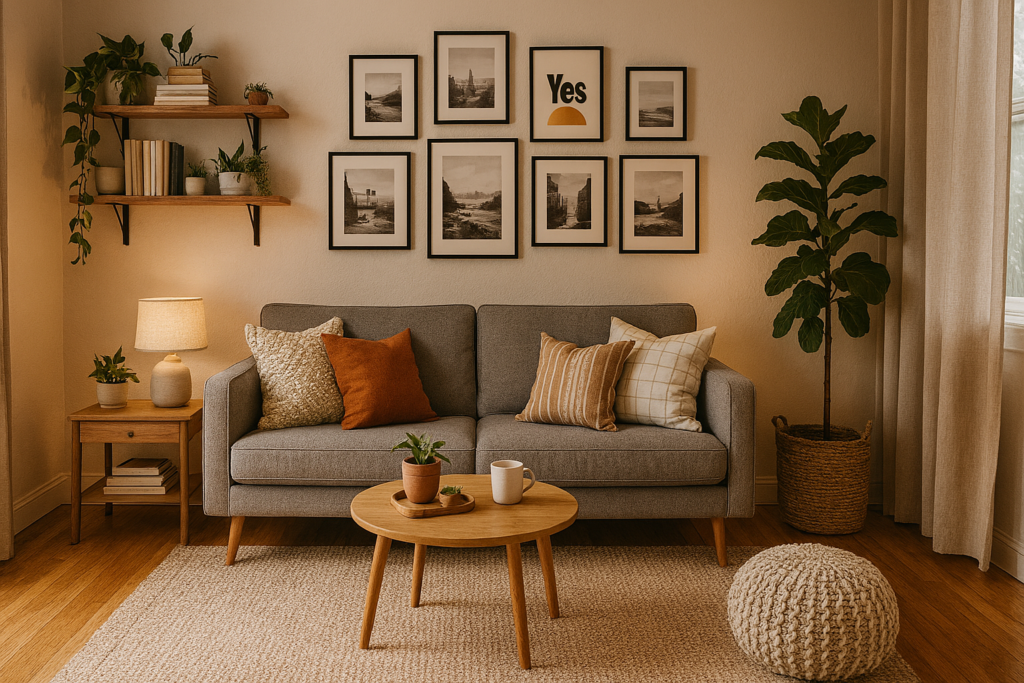
Start with warm white, soft beige, gentle gray, muted brown, and natural wood tones. These colors create a restful foundation while helping smaller rooms appear brighter and more open. Charcoal, moss green, or muted indigo can provide controlled contrast without disturbing the overall calm.
Avoid using many competing colors across walls, furniture, rugs, and decorative accessories. Choose one dominant neutral, one supporting earth tone, and one subtle accent color. Repeating those shades throughout adjoining spaces creates visual continuity and makes the entire home feel intentional.
Wood is central to Japanese home decor because it provides warmth without excessive ornamentation. Choose furniture with visible grain, straightforward joinery, and smooth shapes that feel pleasant during daily use. Bamboo, rattan, linen, cotton, stone, clay, and paper add complementary natural textures.
Texture should create depth while preserving the room’s quiet visual character. Pair a smooth wooden table with a woven rug and one softly glazed ceramic vessel. This restrained combination feels richer than numerous decorative items competing across every available surface.
For walls, matte finishes usually feel softer than glossy surfaces under natural daylight. Simple wooden flooring or a neutral woven rug can establish warmth without additional decoration across the room.
You may also like:
How to Decorate Your Room Japanese Style

First, remove objects that do not support the room’s purpose or atmosphere. Decluttering does not require discarding everything, because useful belongings can remain inside closed storage. Clear pathways, open corners, and uncluttered surfaces help the room breathe visually.
Next, choose lower furniture with simple proportions and enough space surrounding each piece. A low bed, streamlined sofa, or compact wooden table makes ceilings appear higher. However, comfort and accessibility should always matter more than copying traditional floor-level arrangements.
Small rooms benefit from vertical storage, concealed organizers, and furniture designed for multiple purposes. Keeping frequently used items accessible prevents minimalist styling from becoming inconvenient.
Use this simple sequence when refreshing any bedroom, office, or living area:
- Remove unnecessary decorations and organize everyday items inside practical storage.
- Select a neutral palette inspired by wood, stone, paper, and plants.
- Keep furniture placement open, balanced, comfortable, and easy to navigate.
- Add one meaningful artwork, ceramic piece, branch arrangement, or textile.
- Finish with warm lighting that creates softness during quieter evening hours.
These steps answer how to decorate your room Japanese style without requiring major construction. Begin with editing, then purchase only pieces that solve a genuine functional need. Thoughtful restraint produces a stronger result than buying numerous Japanese-looking decorations together.
You may also like:
Arrange Furniture, Storage, and Lighting

Japanese-inspired rooms feel spacious because furniture supports movement instead of dominating the entire floor. Measure essential pathways before choosing tables, seating, beds, or shelving for smaller rooms. Multifunctional furniture provides flexibility while preventing rarely used pieces from creating permanent clutter.
Choose a low-profile sofa, modest coffee table, and concealed media storage with clean lines. Position seating toward a garden view, window, artwork, or carefully arranged focal point. Leave some surfaces empty, allowing favorite objects to receive attention without decorative competition.
Bedrooms should emphasize rest through soft lighting, breathable textiles, and limited visual stimulation. Select a simple bed frame, supportive mattress, and bedding made from comfortable natural fibers. Keep bedside surfaces clear except for lighting and one personally meaningful item.
Natural light becomes especially beautiful when it enters gently instead of creating harsh glare. Use sheer curtains, paper-inspired shades, or lightweight panels to soften bright windows. Keep window areas mostly unobstructed, allowing daylight to highlight wood grain and textured surfaces.
During evenings, combine several warm light sources instead of relying on one ceiling fixture. A paper lantern, shaded table lamp, and discreet wall light create comfortable layers. Choose simple fixtures whose shapes remain attractive even when the lights are turned off.
Choose lighting temperatures consistently, because mismatched bulbs can make neutral materials appear disconnected. Dimmers provide flexibility for working, entertaining, reading, and relaxing throughout different hours.
You may also like:
How Do Japanese Decorate Their Homes for Christmas?

Another common question asks, how do Japanese decorate their homes for Christmas each year? Christmas styling is often cheerful, modern, compact, and influenced by international seasonal imagery. Decorations may include small trees, wreaths, string lights, ornaments, and festive tabletop displays.
A Japanese-inspired Christmas scheme can maintain calm through paper ornaments, wooden decorations, and natural greenery. Choose warm lights with red, white, gold, or evergreen accents used sparingly. Origami stars or cranes can provide handcrafted personality without overwhelming limited living space.
Compact apartments can use a tabletop tree, illuminated branch, or shallow tray filled with seasonal natural materials. Paper ornaments offer affordable decoration while connecting festive styling with Japan’s respected traditions of careful traditional craftsmanship.
You may also like:
Common Japanese Decorating Mistakes and Final Thoughts
The biggest mistake involves confusing thoughtful minimalism with an empty, cold, personality-free interior. Japanese spaces still contain warmth, comfort, craftsmanship, and objects carrying personal meaning. Include texture and useful details so restraint never becomes visually sterile.
Avoid combining every recognizable motif, including lanterns, fans, screens, calligraphy, and bonsai displays. Excessive themed decoration can resemble a commercial set instead of a believable home. Select fewer references and connect them through consistent materials, colors, and proportions.
Do not sacrifice comfort by choosing extremely low furniture unsuitable for your household. Consider mobility, children, pets, cleaning requirements, and regular entertaining before selecting major pieces. Great design should support everyday routines while creating the desired visual atmosphere.
Buying everything simultaneously can produce matching rooms that feel impersonal, rigid, and disconnected from everyday household routines. Allowing useful spaces to evolve slowly creates stronger harmony between appearance, comfort, storage, and each resident’s personality.
Successful Japanese home decor develops through careful editing, not immediate replacement of every possession. Begin with one room, clarify its purpose, and remove distractions before purchasing anything. Then introduce natural materials, balanced furniture, softened lighting, and a few meaningful accents.
Freaky Thread encourages decorating with curiosity, patience, and respect for the culture providing inspiration. Choose craftsmanship over novelty, function over clutter, and natural beauty over artificial perfection. Your finished home should feel calm, personal, comfortable, and genuinely welcoming every day.