
Introduction
Stage 2 kidney disease is an early stage of chronic kidney disease with mildly reduced kidney function. Many people at this stage feel completely healthy because obvious symptoms often appear much later.
Early diagnosis is still important because kidney damage can gradually worsen without proper management. Regular testing and healthy lifestyle changes can help protect remaining kidney function for many years.
This Freaky Thread guide explains stage 2 kidney disease, its causes, symptoms, treatment, and prevention. It also covers important warning signs that may indicate worsening kidney function.
What Is Stage 2 Kidney Disease?

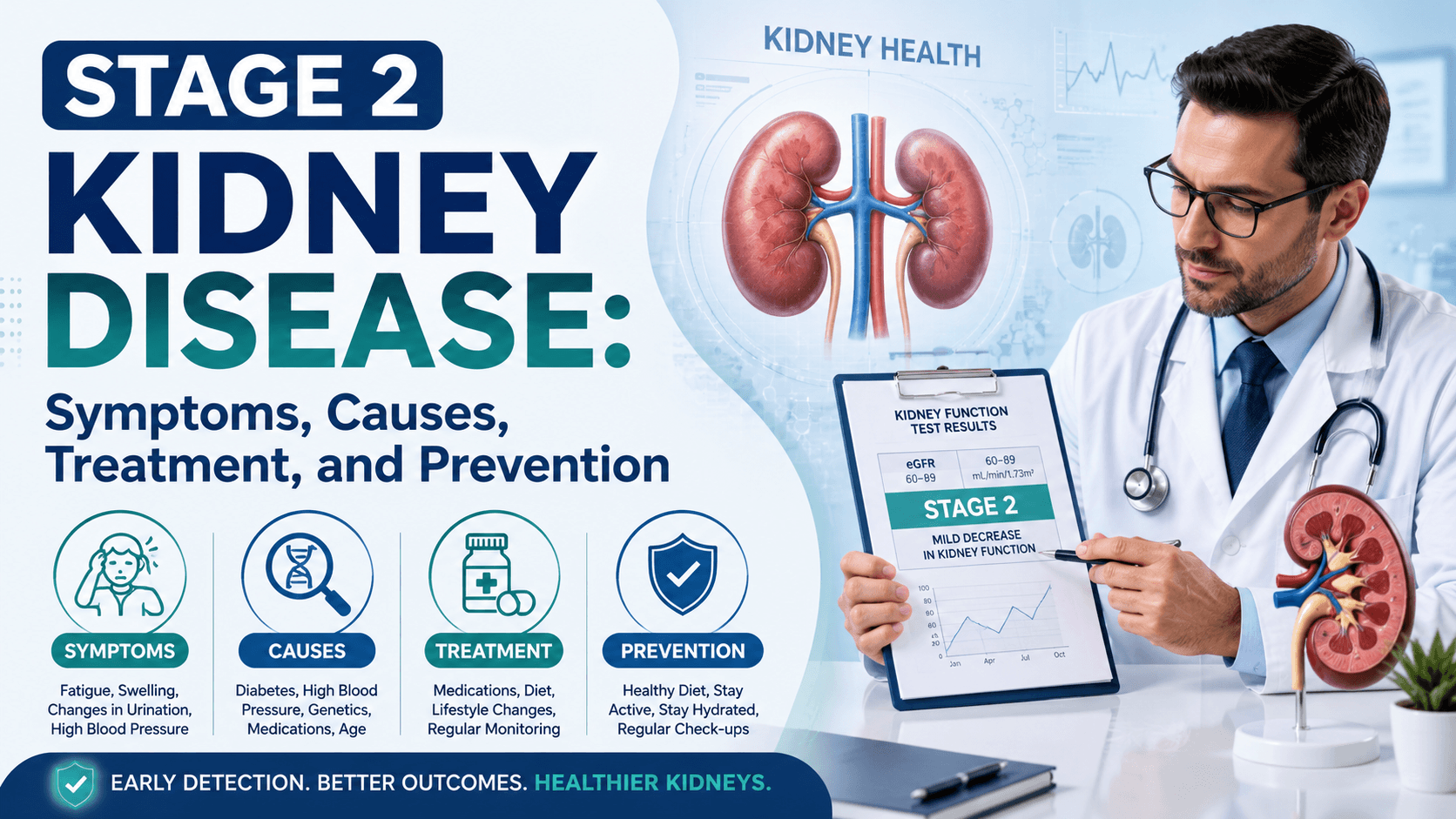
People searching what is stage 2 kidney disease usually want to understand their kidney test results. Stage 2 chronic kidney disease generally involves an estimated glomerular filtration rate between 60 and 89.
However, an eGFR within this range does not automatically confirm chronic kidney disease. Doctors also look for ongoing evidence of kidney damage lasting at least three months.
Kidney damage may appear through increased albumin levels in urine or structural kidney abnormalities. Blood in urine and certain imaging findings can also provide evidence of kidney problems.
The estimated glomerular filtration rate shows how efficiently kidneys remove waste from circulating blood. Doctors usually calculate this number using creatinine levels and other relevant patient information.
Urine testing is equally important because damaged kidneys may allow albumin to enter urine. A urine albumin-to-creatinine ratio can help measure this type of kidney damage.
Stage 2 kidney disease does not mean someone is experiencing kidney failure. Kidney failure occurs when kidney function becomes severely reduced during much more advanced disease.
You may also like:
Stage 2 Kidney Disease Symptoms and Common Causes

Stage 2 kidney disease often develops without noticeable symptoms during its early stages. Many people discover the condition after routine blood or urine testing.
Some individuals may notice foamy urine because increased albumin passes through damaged kidney filters. Others may experience mild swelling or changes related to underlying health conditions.
High blood pressure commonly occurs alongside chronic kidney disease and can worsen kidney damage. However, symptoms alone cannot reliably confirm whether a person has stage 2 disease.
Diabetes and high blood pressure remain important causes of chronic kidney damage. Persistently high blood sugar can gradually injure small filtering structures inside the kidneys.
Uncontrolled blood pressure can also damage kidney blood vessels over many years. This damage may reduce filtration efficiency and increase the risk of disease progression.
Other causes include autoimmune diseases, inherited disorders, repeated kidney infections, and certain glomerular diseases. Complicated kidney stones can sometimes contribute to lasting kidney damage as well.
Certain medications may also affect kidney function, particularly during dehydration or prolonged inappropriate use. People with kidney problems should discuss medications and supplements with qualified healthcare professionals.
You may also like:
What Are Signs of Kidney Failure?

People asking what are signs of kidney failure should understand that kidney failure is different. Stage 2 kidney disease usually does not cause symptoms associated with severe kidney failure.
As kidney function declines significantly, waste products and excess fluid can accumulate throughout the body. This buildup may eventually create more noticeable and potentially serious symptoms.
Possible warning signs include persistent nausea, extreme tiredness, reduced appetite, swelling, and ongoing itching. Some people may also develop muscle cramps or difficulty concentrating during advanced disease.
Changes in urination can also occur when kidney function becomes significantly impaired. Urine output may increase, decrease, or change depending on the underlying kidney condition.
Shortness of breath may develop when excess fluid accumulates inside the body. Difficult-to-control blood pressure can also accompany worsening chronic kidney disease.
These symptoms can occur with many other health problems besides kidney failure. Blood tests and urine tests remain necessary for determining the actual cause.
Anyone experiencing severe swelling, breathing difficulties, confusion, or major urination changes should seek medical attention. Early evaluation can identify potentially serious kidney complications before they become more difficult to manage.
You may also like:
Is Kidney Disease Curable and How Is Stage 2 Treated?

The question is kidney disease curable depends largely on the cause and disease type. Chronic kidney disease is generally managed rather than completely reversed once permanent damage occurs.
However, early treatment can slow progression and protect remaining kidney function for many patients. Some temporary kidney problems may improve after the underlying condition receives successful treatment.
Treatment for stage 2 kidney disease usually focuses on managing factors causing continued damage. Blood pressure control remains especially important because hypertension can accelerate kidney function decline.
People with diabetes should maintain blood glucose targets recommended by their healthcare professionals. Better glucose control can reduce additional damage to delicate kidney filtering structures.
Doctors may prescribe certain blood pressure medications that also provide kidney protection for suitable patients. Treatment recommendations depend on albumin levels, cardiovascular risks, diabetes, and other medical conditions.
Patients should also review prescription medicines, supplements, and over-the-counter products with their healthcare providers. Some commonly used pain medicines can negatively affect vulnerable kidneys when taken incorrectly.
Regular monitoring is another important part of early-stage kidney disease management. Doctors may periodically check eGFR, urine albumin levels, blood pressure, and other laboratory measurements.
You may also like:
How to Prevent Kidney Disease From Getting Worse

Learning how to prevent kidney disease from progressing requires consistent control of major risk factors. Managing diabetes and high blood pressure remains one of the most important strategies.
Regular kidney testing can identify meaningful changes before serious symptoms become noticeable. Follow-up appointments also help healthcare professionals adjust treatment when kidney function begins changing.
A balanced diet can support healthy blood pressure, blood sugar, and cardiovascular health. Many people benefit from reducing excessive sodium and choosing less processed food.
Vegetables, fruits, whole grains, and appropriate protein sources can support overall health. However, kidney diets should not become unnecessarily restrictive without professional nutritional guidance.
Potassium, phosphorus, protein, and fluid recommendations vary according to individual blood test results. A registered dietitian can provide recommendations suited to each person’s kidney function.
Regular physical activity can support healthy weight, blood pressure, glucose control, and cardiovascular fitness. Exercise choices should still reflect personal health conditions and medical recommendations.
Smoking should also be avoided because it damages blood vessels and increases cardiovascular risks. Smoking can make existing kidney disease more difficult to manage over time.
Patients should also avoid unnecessary dehydration and inappropriate medication use whenever possible. Herbal supplements should be discussed with healthcare professionals because some ingredients may affect kidneys.
You may also like:
Can Stage 2 Kidney Disease Progress to Kidney Failure?

Stage 2 kidney disease can progress, but progression differs greatly between individual patients. Some people remain stable for many years with proper treatment and regular monitoring.
Progression risk depends on underlying causes, urine albumin levels, blood pressure, and diabetes control. Cardiovascular health and lifestyle factors can also influence long-term kidney outcomes.
Persistent albumin in urine may indicate increased risk of future kidney function decline. Regular urine testing can therefore provide important information beyond eGFR measurements alone.
Stage 2 disease should not be viewed as an inevitable path toward kidney failure. Early disease creates an important opportunity to reduce risks and protect remaining kidney function.
People with diabetes, hypertension, heart disease, or family history should take kidney monitoring seriously. Regular medical follow-up allows treatment changes before significant kidney deterioration occurs.
Anyone already diagnosed with chronic kidney disease should follow their recommended testing schedule carefully. Consistent monitoring can help detect progression while treatment options remain most useful.
You may also like:
Conclusion
Stage 2 kidney disease is an early form of chronic kidney disease that often causes few noticeable symptoms. Understanding what is stage 2 kidney disease, what causes kidney failure, and what are signs of kidney failure can help patients recognize important risks earlier. Although chronic kidney disease is not usually completely curable, proper treatment can often slow its progression significantly. Controlling blood pressure, managing diabetes, eating appropriately, avoiding harmful medications, and completing regular kidney tests can support long-term kidney health. At Freaky Thread, we aim to make complex health topics easier to understand, while encouraging readers to discuss personal treatment decisions with qualified healthcare professionals.


