
Table of Contents:
Introduction:
Building a strong back requires exercises that improve both strength and movement quality. Pendlay rows have become a popular choice among athletes, powerlifters, and fitness enthusiasts for this reason. Unlike traditional rowing exercises, every repetition begins from a complete stop on the floor.
Many people struggle to find exercises that build strength without encouraging poor form. Pendlay rows solve this problem by removing momentum from the movement. This forces your muscles to generate power during every repetition.
The exercise is useful for improving posture, increasing pulling strength, and supporting other compound lifts. Deadlifts, pull ups, and bench presses can all benefit from stronger back muscles. This is why Pendlay rows are commonly included in many strength training programs.
At Freaky Thread, we focus on practical fitness techniques that help people train smarter. In this guide, you will learn what is a Pendlay row, how to do a Pendlay row, and whether it is better than a barbell row.
What Is a Pendlay Row?

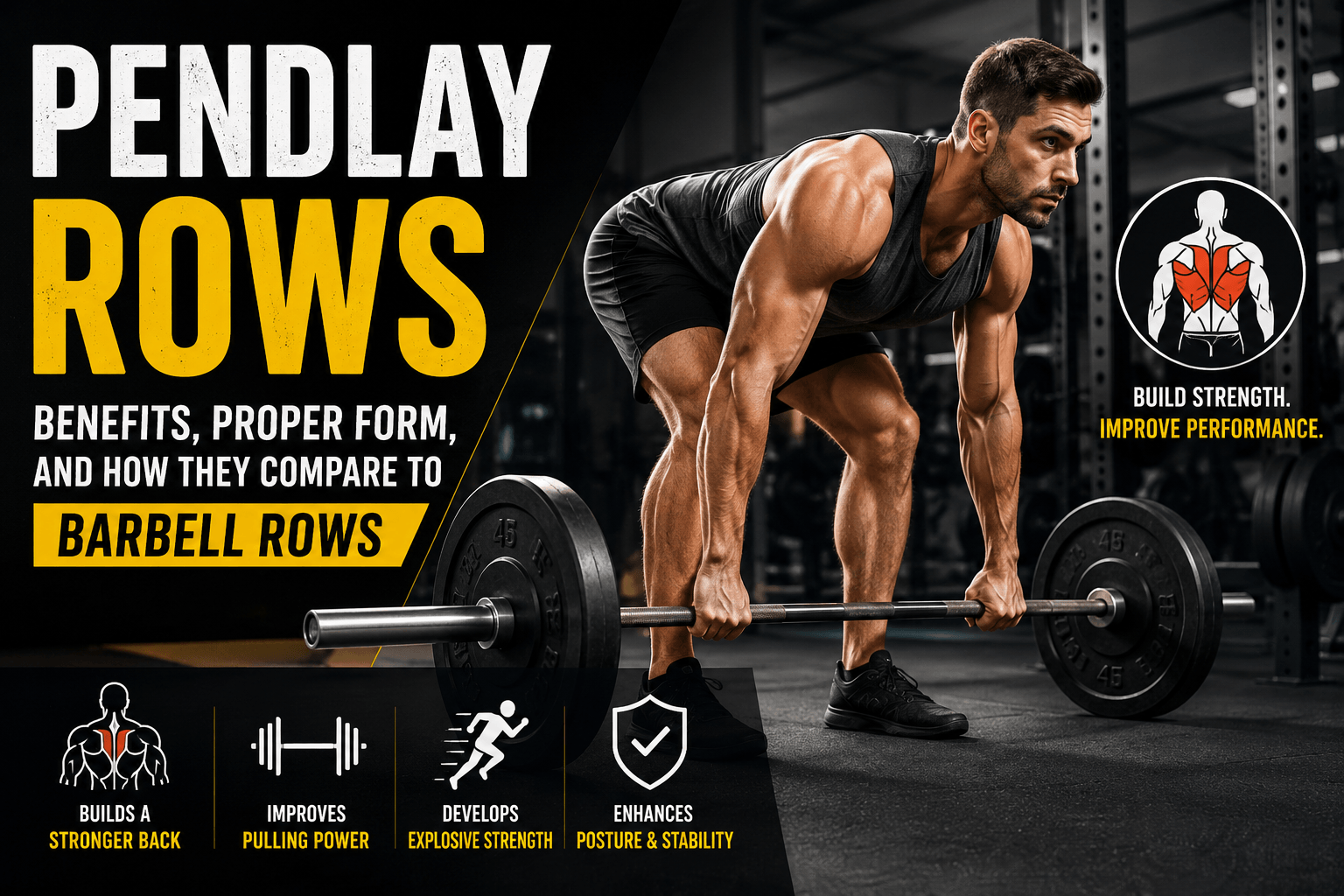
If you are wondering what is a Pendlay row, it is a barbell exercise created by Olympic weightlifting coach Glenn Pendlay. The exercise was designed to develop explosive pulling power and upper body strength.
The biggest difference between Pendlay rows and other rowing variations is the starting position. Every repetition begins with the barbell resting on the floor. This forces your muscles to work harder because momentum cannot assist the movement.
Your torso remains nearly parallel to the ground throughout the exercise. This position increases activation of the upper back muscles while improving overall stability. Proper technique is extremely important because poor form can reduce the effectiveness of the movement.
Pendlay rows are frequently used in strength training and athletic programs. They improve pulling mechanics and help build a stronger foundation for other exercises. Many experienced lifters consider them an essential addition to their routine.
You may also like:
How to Do a Pendlay Row Properly

Learning how to do a Pendlay row correctly is essential for maximizing results. Begin by placing a loaded barbell directly over the middle of your feet. Stand with your feet shoulder width apart.
Bend at your hips while keeping your knees slightly bent. Your torso should remain nearly parallel to the floor throughout the movement. Maintain a neutral spine and avoid rounding your lower back.
Grab the barbell using an overhand grip slightly wider than shoulder width. Pull the bar explosively toward your lower chest while squeezing your shoulder blades together. Keep your elbows close to your body during the movement.
Lower the barbell back to the floor under control after each repetition. Allow the bar to come to a complete stop before beginning another rep. This reset position is what makes Pendlay rows unique.
Focus on technique before increasing the weight. Using excessive resistance too early often leads to poor form. Controlled progress will deliver better long term results.
You may also like:
Common Pendlay Row Mistakes to Avoid:

One of the most common mistakes is rounding the lower back during the movement. This places unnecessary pressure on the spine and increases injury risk. Always maintain a neutral back position.
Standing too upright is another frequent problem among beginners. A higher torso angle changes the exercise into a traditional barbell row. Your chest should remain close to parallel with the floor.
Many people also rely on momentum to lift heavier weights. Swinging the body reduces muscle activation and weakens overall performance. Every repetition should begin from a complete stop.
Another mistake is lifting more weight than you can control. Poor technique always outweighs the benefits of heavier resistance. Prioritize proper mechanics before focusing on increasing load.
You may also like:
Pendlay Row vs Barbell Row: Key Differences:

Many people ask what is the difference between Pendlay row and barbell row because both exercises target similar muscles. Although they appear similar, they are performed differently and serve different training purposes. Understanding these differences can help you choose the right exercise.
Pendlay rows begin from the floor during every repetition. Your torso remains nearly parallel to the ground while the movement is performed explosively. This variation focuses heavily on developing power and strict technique.
Barbell rows keep the bar suspended throughout the set. Lifters maintain a slightly more upright torso position while focusing on continuous muscle tension. This makes them a popular option for building muscle size and endurance.
The best choice depends on your goals. Athletes who want explosive strength may benefit more from Pendlay rows. People focused on muscle growth may prefer barbell rows. Many training programs include both exercises for balanced development.
You may also like:
Are Pendlay Rows Better and Who Should Do Them?

Many people search for answers to the question, are Pendlay rows better than barbell rows. The truth is that neither exercise is universally better. Each one offers unique benefits depending on your training goals.
Pendlay rows are better for improving explosive strength and athletic performance. Since every repetition begins from a dead stop position, your muscles must generate fresh force every time. This improves power output and pulling mechanics.
Barbell rows are often preferred for hypertrophy because they maintain continuous tension. Bodybuilders frequently use them to maximize upper back development. Choosing one over the other depends entirely on your fitness objectives.
Pendlay rows are ideal for powerlifters, Olympic lifters, and CrossFit athletes. They are also beneficial for people who want to strengthen their back and improve posture. Beginners can perform them too, but proper instruction is extremely important.
People with lower back limitations may need to start with lighter alternatives. Working with a trainer can help establish proper movement patterns. Good technique should always come before heavier weights.
Some useful alternatives include chest supported rows, T bar rows, seal rows, and dumbbell rows. These exercises target similar muscles while offering slightly different movement patterns. Rotating exercises can also help prevent training plateaus.
You may also like:
Benefits of Pendlay Rows:

One of the biggest benefits of Pendlay rows is improved upper back strength. Stronger back muscles support better posture and provide greater stability during compound exercises. This can improve overall performance both inside and outside the gym.
Pendlay rows also develop explosive power because every repetition starts from a complete stop. This forces your muscles to generate force without relying on momentum. Athletes often use this exercise to improve speed, coordination, and overall athletic performance.
Another advantage is better lifting mechanics and reduced cheating during workouts. The reset position encourages strict form and helps eliminate poor movement habits. Over time, this can lead to safer and more efficient strength development.
Pendlay rows can also support exercises such as deadlifts, pull ups, and bench presses. A stronger upper back creates a stable foundation for these movements. This allows many lifters to progress more effectively in their overall training program.
Conclusion:
Pendlay rows are one of the most effective exercises for building upper back strength, explosive power, and overall athletic performance. Unlike many traditional rowing exercises, every repetition begins from a dead stop position, forcing your muscles to work harder.
Learning what is a Pendlay row, how to do a Pendlay row correctly, and understanding what is the difference between Pendlay row and barbell row will help you make smarter training decisions. Your goals should always determine which exercise variation you prioritize.
Whether you are training for strength, muscle growth, or improved sports performance, Pendlay rows can become a valuable part of your routine. At Freaky Thread, we believe proper technique, consistency, and gradual progression are the keys to achieving long term fitness results.


