
Table of Contents:
Introduction:
Lie bumps are small, painful bumps that suddenly appear on the tongue and often disappear just as quickly. Although they are common, many people become concerned because they do not understand what they are or why they develop. The discomfort can make eating, drinking, and even talking unpleasant for a few days.
Lie bumps are medically known as transient lingual papillitis. They occur when tiny structures on the tongue called papillae become irritated or inflamed. Fortunately, they are usually harmless and do not indicate a serious health problem. In most cases, they heal naturally without requiring medical treatment.
At Freaky Thread, we believe accurate health information helps people make informed decisions without unnecessary anxiety. Understanding what causes lie bumps, how to manage symptoms, and when to seek medical attention can help you recover faster and prevent future flare ups. This guide covers everything you need to know in a simple and easy to understand way.
What Is a Lie Bump?

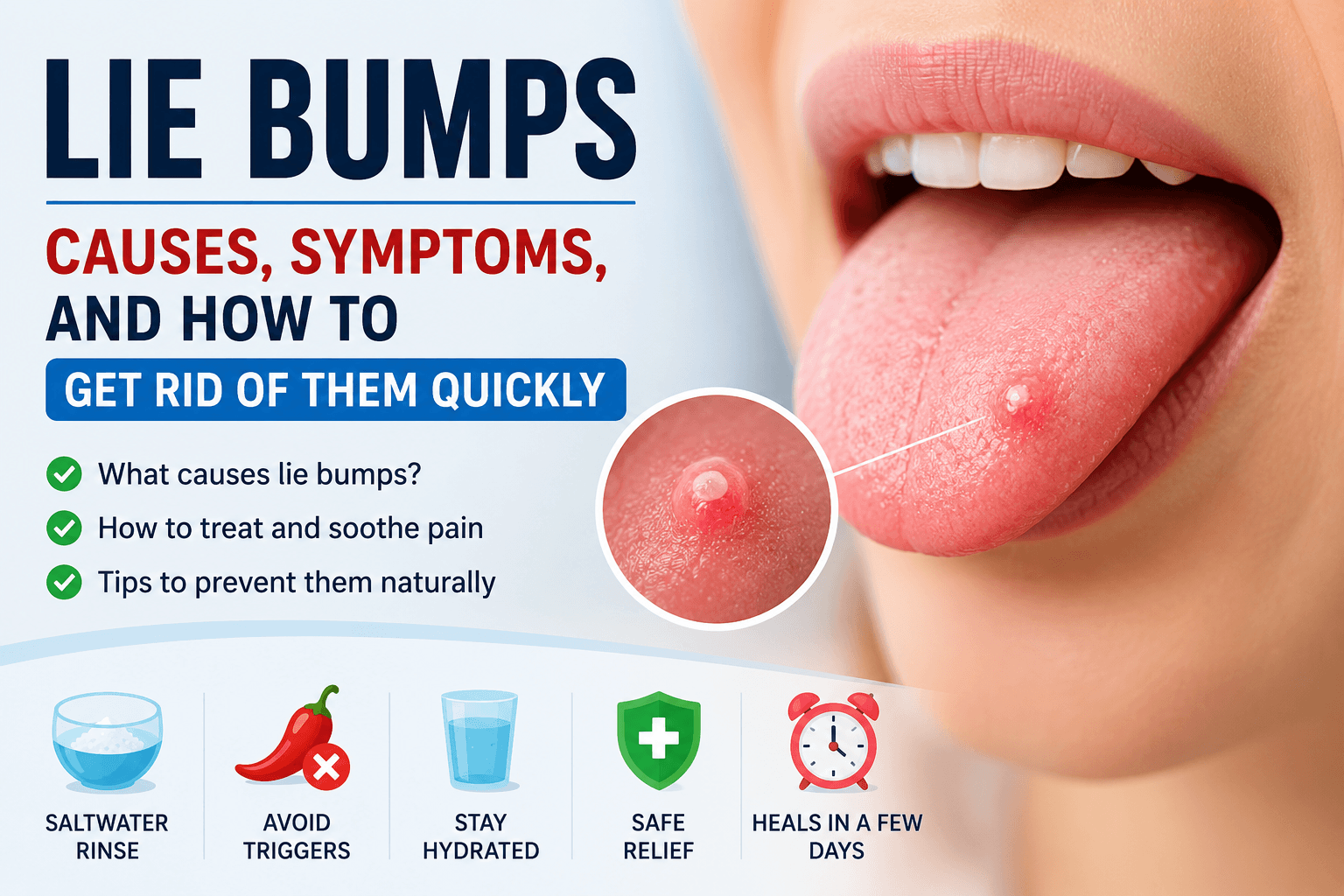
Many people search online asking, “what is a lie bump?” A lie bump is a small, inflamed bump that develops on the tongue when one or more papillae become irritated. Papillae are tiny structures that contain taste buds and help you detect different flavors while eating and drinking.
The name “lie bump” comes from an old myth that suggested bumps appeared when someone told a lie. However, there is no scientific connection between lying and these bumps. The actual medical term for this condition is transient lingual papillitis, which simply describes temporary inflammation of the tongue papillae.
Lie bumps usually appear on the tip, sides, or upper surface of the tongue. They often look red, white, or slightly yellow and may feel tender to the touch. Some people experience a single bump, while others may develop several at the same time. Most cases resolve within a few days.
You may also like:
What Causes Lie Bumps?

Many people wonder what causes lie bumps because they often appear without warning. There is no single confirmed cause, but healthcare experts have identified several possible triggers. In most situations, the bumps develop after the tongue experiences irritation or inflammation.
Accidentally biting your tongue is one of the most common triggers. Eating rough or crunchy foods can also irritate the tongue’s surface. In addition, braces, dental appliances, aggressive brushing, and constant friction may contribute to the development of these painful bumps.
Stress may also play a role. Some people notice lie bumps during periods of emotional stress or after several nights of poor sleep. Certain foods, especially spicy, acidic, or very hot foods, may trigger inflammation as well. Hormonal changes, mild viral infections, and food sensitivities are also considered possible contributing factors.
You may also like:
What Causes Lie Bumps on Tongue Specifically?

Many people specifically ask what causes lie bumps on tongue because they want to understand why this condition only affects this area. The answer lies in the unique structure and function of the tongue. Unlike many other parts of the mouth, the tongue is constantly active throughout the day.
The tongue contains hundreds of papillae that help with tasting, chewing, swallowing, and speaking. Since these structures are continuously exposed to food, beverages, temperature changes, and friction, they are more susceptible to irritation. Even minor trauma can cause one or more papillae to swell.
The tip and sides of the tongue are particularly vulnerable because these areas experience the most movement and contact. When a papilla becomes irritated, it temporarily enlarges and creates the characteristic bump. Fortunately, the inflammation usually subsides quickly once the source of irritation is removed.
You may also like:
Are Lie Bumps Contagious?

One of the most common concerns people have is whether lie bumps can spread to others. The answer is no. Lie bumps are not contagious and cannot be passed from one person to another through physical contact.
You cannot spread lie bumps by kissing, sharing utensils, drinking from the same glass, or being near someone who has them. This often reassures people who mistakenly believe they are dealing with an infectious condition.
Although some viral illnesses may contribute to their appearance, the bumps themselves are not infections. Maintaining good oral hygiene is still important, but there is no need to isolate yourself or avoid close contact with family and friends.
You may also like:
How to Get Rid of a Lie Bump:

If you are wondering how to get rid of a lie bump, the first thing to understand is that most cases heal naturally. In many situations, symptoms improve within two to three days without any special treatment. However, a few simple remedies can help speed up recovery and reduce discomfort.
Warm saltwater rinses are one of the easiest and most effective home remedies. Mix half a teaspoon of salt into a glass of warm water and rinse your mouth for about 30 seconds. Repeating this two or three times daily may help soothe irritation and keep your mouth clean.
You should also avoid spicy, acidic, and extremely hot foods while the bump heals. Drinking plenty of water can prevent dryness and support healthy tissue repair. Avoid touching, rubbing, or picking at the bump because this may worsen inflammation and prolong healing.
You may also like:
How to Remove a Lie Bump Safely:

Many people search for how to remove a lie bump because they assume it needs to be physically removed. However, that is not the correct approach. Lie bumps are not pimples or growths that should be popped, squeezed, or cut. They are simply inflamed papillae that need time to heal.
Trying to remove a lie bump yourself can make the problem worse. Scraping the tongue, using sharp objects, or applying harsh substances may increase inflammation and even create additional irritation. In some cases, it may damage the delicate tissue on the tongue.
The safest approach is to allow the bump to heal naturally while reducing irritation. Focus on supportive care such as saltwater rinses, staying hydrated, and avoiding trigger foods. Most lie bumps disappear without any intervention within a few days.
You may also like:
How Long Do Lie Bumps Last?

One of the most common questions people ask is how long lie bumps take to heal. In most cases, they are temporary and disappear within two to seven days. Mild cases may improve even faster if the source of irritation is removed.
Several factors can influence healing time. Continued exposure to spicy foods, accidental tongue biting, stress, and poor oral hygiene may prolong symptoms. On the other hand, avoiding these triggers can help the tongue recover more quickly.
Although most cases resolve on their own, persistent symptoms should not be ignored. If a bump remains for more than two weeks, it is important to seek professional evaluation. Long lasting bumps may indicate another oral condition that requires different treatment.
You may also like:
When Should You See a Doctor?

Lie bumps are generally harmless, but there are situations when medical advice is necessary. While occasional bumps are common, persistent or severe symptoms should be evaluated by a healthcare professional.
You should schedule an appointment if the bump lasts longer than two weeks or keeps returning frequently. In addition, symptoms such as fever, swollen lymph nodes, significant tongue swelling, or difficulty swallowing should not be ignored.
A doctor or dentist can examine your mouth and determine whether another condition is present. Several oral conditions can resemble lie bumps, including canker sores, infections, and other inflammatory disorders. Getting an accurate diagnosis ensures you receive the appropriate treatment.
You may aslo like:
How to Prevent Lie Bumps From Coming Back:

Although lie bumps cannot always be prevented, certain habits may reduce the chances of developing them. The first step is maintaining good oral hygiene. Brush your teeth gently, clean your tongue carefully, and use a soft bristled toothbrush to avoid unnecessary irritation.
Managing stress may also help reduce recurring episodes. Many people notice outbreaks during stressful periods or after poor sleep. Regular exercise, meditation, deep breathing, and maintaining a healthy sleep routine can support overall wellness.
It is also helpful to identify and avoid personal triggers. Pay attention to foods, drinks, or habits that seem to cause irritation. At Freaky Thread, we believe that simple, evidence based health information can help people make smarter decisions and avoid unnecessary worry about common conditions.
You may also like:
Conclusion:
Lie bumps are a common and harmless condition that affects people of all ages. Although they can be painful and annoying, they are usually temporary and disappear within a few days without treatment.
Understanding what causes lie bumps can help you avoid common triggers and manage symptoms effectively. Minor tongue injuries, stress, irritating foods, and temporary inflammation are among the most common contributing factors. Fortunately, simple remedies often provide quick relief.
If you develop lie bumps, avoid trying to remove them physically and allow your tongue to heal naturally. Practicing good oral hygiene, staying hydrated, and reducing exposure to triggers can lower the chances of future flare ups. If symptoms persist or become severe, seek professional medical advice for a proper evaluation.


