

Walk into any supplement aisle and you will see tubs of creatine marketed with loud graphics aimed squarely at men. For years, many women walked right past, assuming this powder was only for bodybuilders chasing bigger biceps. That assumption is finally being challenged. Creatine for women is now one of the most talked about topics in wellness, and the research behind it is more interesting than the marketing ever was.
So should you add a daily scoop to your routine, or is this another overhyped trend? The honest answer depends on your goals, your health, and how you use it. In this guide, we break down what creatine actually does in a woman’s body, the benefits research supports, the myths that refuse to die, and exactly how much to take. No jargon, no scare tactics, just clear facts you can use.
The short answer: Yes, most healthy women can safely take creatine. Research supports 3 to 5 grams of creatine monohydrate daily for strength, exercise performance, and muscle recovery, with possible benefits for brain function and bone health. It does not cause bulking or harm kidneys in healthy people. Talk to your doctor first if you are pregnant or have kidney disease.
What Is Creatine and How Does It Work in a Woman’s Body?
Creatine is a natural compound your body already makes from amino acids, and it helps your muscles recycle energy during short bursts of effort. Your liver and kidneys produce it every day, and you also get small amounts from foods like red meat and fish.
Inside your muscles, creatine tops up a quick energy system called ATP, which fuels the first seconds of a hard effort like lifting a weight or sprinting for the bus. Think of it as a tiny backup battery that lets you push out one or two more reps before fatigue sets in. Women tend to start with lower muscle creatine stores than men, which means supplementation may fill a bigger gap. This is one reason researchers are now paying close attention to how women respond to it.

What Are the Real Benefits of Creatine for Women?
The strongest evidence supports better strength and exercise performance, especially for lifting, sprinting, and repeated hard efforts. Beyond the gym, researchers are studying benefits for the brain and for healthy aging, which makes this supplement interesting for women at every stage of life.
- More strength and power. Creatine helps you complete more high quality reps, and over weeks of training that can translate into real strength gains. This applies to dumbbell workouts at home just as much as to barbell training in a gym.
- Better recovery between sets. Because creatine helps your muscles recharge faster, you may feel less wiped out between exercises. Many women notice they can keep their energy up through a full workout instead of fading halfway.
- Lean muscle support. Paired with resistance training, creatine supports the maintenance and growth of lean muscle. More muscle also helps your body handle everyday tasks, from carrying groceries to climbing stairs, with less strain.
- Possible brain benefits. About five percent of the body’s creatine sits in the brain, and early research suggests it may support memory and mental sharpness, especially under stress or poor sleep. This line of research is still developing, so treat it as promising rather than proven.
- Support for midlife and beyond. Trials in postmenopausal women show creatine plus resistance training supports strength and lean mass, which matters because muscle and bone loss speed up after menopause. If running is your main workout, our complete guide to running nutrition supplements explains how creatine fits alongside other performance supports.
Will Creatine Make Me Bulky? Debunking the Biggest Myths
No, creatine will not make you bulky, because building large muscles requires heavy progressive training plus a calorie surplus, and creatine changes neither your hormones nor that equation. Most of the fear around creatine comes from old myths that research has already answered. Here are the biggest ones, busted.
- Myth: Creatine makes women bulky. Building noticeable bulk takes years of intense training, lots of food, and higher testosterone than women naturally produce. Creatine does not raise testosterone in women, and a review of the available evidence found no effect on testosterone or related hormones. What it can do is make muscles look slightly fuller, which most women read as toned, not bulky.
- Myth: Creatine causes bloating. The water creatine draws goes inside your muscle cells, not under your skin, so it does not create a puffy look. A loading phase can cause a temporary 1 to 2 kilograms uptick on the scale from water stored with muscle creatine. Skip the loading phase and take a simple daily dose, and most women notice no bloating at all.
- Myth: Creatine damages your kidneys. Creatine raises creatinine, a marker measured in blood tests, but it does not impair actual kidney function in healthy people. A large 2025 review of 685 clinical trials found side effect rates for creatine were nearly identical to placebo. If you have existing kidney disease, that is a different story, and you should talk to your doctor first.
- Myth: Creatine causes hair loss. This fear traces back to a single 2009 study on male rugby players that measured a hormone marker, not actual hair, and it has never been replicated. No direct evidence links creatine to hair loss in women.
- Myth: Creatine is a steroid. Creatine is not a steroid and has nothing to do with anabolic steroids. It is a natural compound your body already produces, it is completely legal, and it is permitted in organized sports.

How Much Creatine Should a Woman Take Each Day?
Most healthy women do well on 3 to 5 grams of creatine monohydrate per day, taken every day including rest days. This is the standard dose supported across sports nutrition research, and there is no need for a special women’s formula or a different amount.
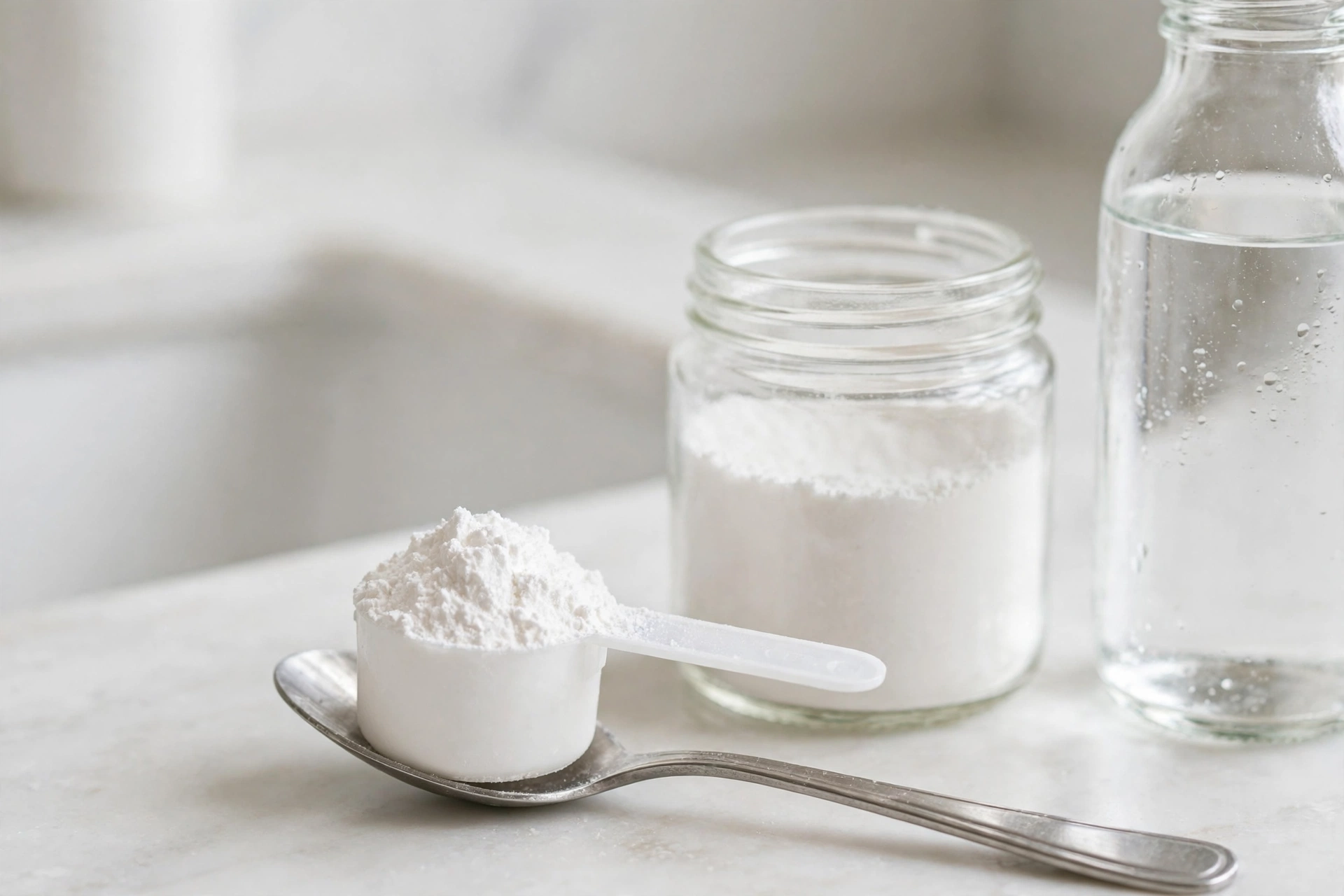
If you are new to supplements, starting at 3 grams daily is a sensible and gentle entry point. The included scoop in most tubs holds about 5 grams, so one level scoop is all you need. What matters most is consistency, because creatine works by gradually filling your muscle stores over weeks, not by giving you a buzz on day one.
Choose a plain micronized creatine monohydrate with no fillers or added stimulants. Micronized powder dissolves far more easily in water, which also reduces the chance of stomach discomfort. Look for products that are third party tested for purity so you know you are getting exactly what the label says.
Do You Really Need a Loading Phase?
No, a loading phase is optional, because 3 to 5 grams daily reaches the same full muscle saturation within three to four weeks. Loading only gets you there faster, and for most women the trade off is not worth it.
A traditional loading phase means taking 20 to 25 grams per day, split into four smaller doses, for five to seven days, then dropping to the regular daily dose. This can saturate your muscles in about a week instead of a month. The downside is a higher chance of stomach upset and temporary water weight gain, which is exactly what turns many women off.
Our recommendation is simple: skip the loading phase. Take your steady daily dose, train normally, and let your stores fill up quietly in the background. You will reach the same destination with fewer side effects and less fuss.
When and How Should You Take Creatine for Best Results?
Take your daily dose at whatever time you will remember consistently, because total daily intake matters far more than exact timing. Research has not found a magic hour that makes creatine dramatically more effective.
- Pair it with a meal or shake. Taking creatine with food, especially a meal containing carbs or protein, may help your body take it up and is gentler on sensitive stomachs. Stirring it into your morning smoothie or oatmeal works perfectly.
- Drink enough water. Creatine pulls water into your muscles, so staying hydrated helps you feel your best. Keep a water bottle nearby through the day rather than chugging a huge amount at once.
- Keep the same time daily. Linking your dose to an existing habit, like breakfast or your workout, makes it automatic. Missing a day here and there is no crisis, just resume your normal dose the next day.
- Take it on rest days too. Your muscles do not know what day of the week it is. Daily dosing keeps your stores full so you are ready whenever you train.
Good recovery also depends on sleep, so pair your training with solid rest. Our guide to sleep maxxing shows how to build a better sleep routine one step at a time, which helps every supplement work better.
Who Should Be Careful With Creatine?
Creatine is very safe for healthy adults, but a few groups should check with a doctor before starting. This is standard advice for any supplement, not a red flag about creatine specifically.
- Anyone with existing kidney disease. Since creatine is processed through the kidneys, people with kidney problems should only supplement under medical supervision.
- Women who are pregnant or breastfeeding. Human research in pregnancy is not strong enough for a routine recommendation, so get guidance from your prenatal clinician first.
- Anyone taking certain medications. If you take diuretics, blood pressure medication, or other drugs that affect the kidneys, ask your doctor or pharmacist about interactions before adding creatine.
If you already take a nighttime supplement, our beginner friendly guide to magnesium glycinate covers sleep benefits and dosage in plain language. As with creatine, a quick chat with your pharmacist is worth more than hours of forum scrolling.
Which Type of Creatine Should You Buy?
Buy plain creatine monohydrate from a reputable brand, because it is the most studied, most affordable, and most effective form. Fancy alternatives have not proven themselves better in research, so save your money.
- Creatine monohydrate. This is the gold standard with decades of safety data behind it. Choose micronized powder that is third party tested, and ignore marketing that claims you need anything fancier.
- Creatine HCL, ethyl ester, and buffered forms. These cost more and claim better absorption or less bloating, but the evidence does not show a meaningful advantage over monohydrate for most people.
- Flavored blends and women’s formulas. Many are simply monohydrate with flavoring and a pink label at double the price. You do not need a gendered version of a molecule your body already makes.
One label warning: avoid products with proprietary blends that hide exact doses, or workout blends that bundle creatine with stimulants you did not ask for. A single ingredient tub of creatine monohydrate is the cleanest and cheapest way to start.
Frequently Asked Questions About Creatine for Women
Will creatine make me gain weight?
You may see a small early increase of 1 to 2 kilograms from water stored inside your muscles, especially if you load. This is not body fat, and it usually stabilizes within a few weeks. Skipping the loading phase keeps this effect minimal or unnoticeable.
Can I take creatine if I do not lift weights?
Yes, though the clearest benefits show up alongside resistance training or repeated hard efforts like sprint intervals. Some women take it for general energy, recovery, or the emerging brain health research. Without training, expect subtler effects.
Is it safe to take creatine every day for years?
Long term studies in healthy adults show no harmful buildup and no rising rate of side effects over time. Creatine saturates your muscles and the excess is excreted, which gives it one of the best long term safety records of any supplement. There is also no evidence you need to cycle on and off.
Does creatine cause hair loss in women?
No direct evidence supports this. The entire scare comes from one small 2009 study in male rugby players that measured a hormone marker during a high dose loading phase, and no later study has repeated the finding. Reviews including women found no effect on hair related hormones.
Can I take creatine while pregnant or breastfeeding?
There is not enough human research to make a routine recommendation either way. Animal and theoretical work is interesting, but responsible guidance is to wait and talk to your prenatal clinician. This is one area where caution beats curiosity.
The Bottom Line
Creatine for women is no longer a fringe idea, and the science gives you real reasons to consider it. A simple daily dose of 3 to 5 grams of creatine monohydrate can support your strength, your training, and your recovery, with an excellent safety record in healthy adults. The myths about bulking, bloating, and kidney damage do not survive a look at the actual evidence.
Start simple: one small scoop, every day, with food and water, no loading phase required. Pair it with consistent training, good sleep, and enough protein, and give it a full month before judging the results. Supplements work best as quiet supporters of good habits, not replacements for them.
This article is for information only and is not medical advice. Supplements affect everyone differently, so talk to your doctor or pharmacist before starting creatine, especially if you are pregnant, nursing, managing a health condition, or taking prescription medication.


