

Table of Contents
Introduction
Vitamin C Purging is a topic that confuses many skincare users, especially beginners who start noticing breakouts after introducing a vitamin C serum into their routine. Since vitamin C is widely known for brightening skin, reducing dark spots, and boosting collagen, experiencing breakouts can feel unexpected and frustrating.
However, not every breakout means your skin is purging. In fact, vitamin C behaves differently compared to ingredients like retinoids or exfoliating acids. Understanding whether your skin is reacting, purging, or simply adjusting is essential to avoid damaging your skin barrier or quitting a product too soon.
In this guide, we will break down the truth behind vitamin C and breakouts, explain whether purging is real, and help you use vitamin C safely for clear and glowing skin.
What Is Skin Purging
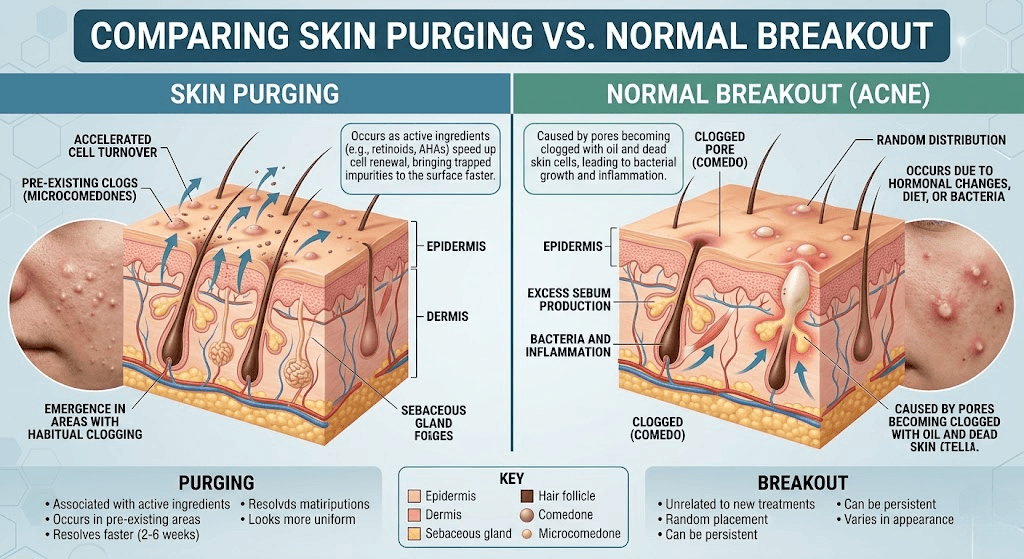
Before understanding Vitamin C Purging, it’s important to know what purging actually means. Skin purging happens when an ingredient speeds up skin cell turnover, bringing underlying clogged pores to the surface faster.
This process is common with ingredients like retinol, AHAs, and BHAs. As the skin renews itself quickly, breakouts may temporarily increase before improving.
Does Vitamin C Cause Purging
The truth is that Vitamin C Purging is not a typical reaction. Vitamin C is an antioxidant, not an exfoliating or cell-turnover ingredient. This means it does not usually cause purging in the traditional sense.
If you are experiencing breakouts after using vitamin C, it is more likely due to irritation, sensitivity, or a reaction to the formulation rather than true purging.
Vitamin C vs Active Ingredients
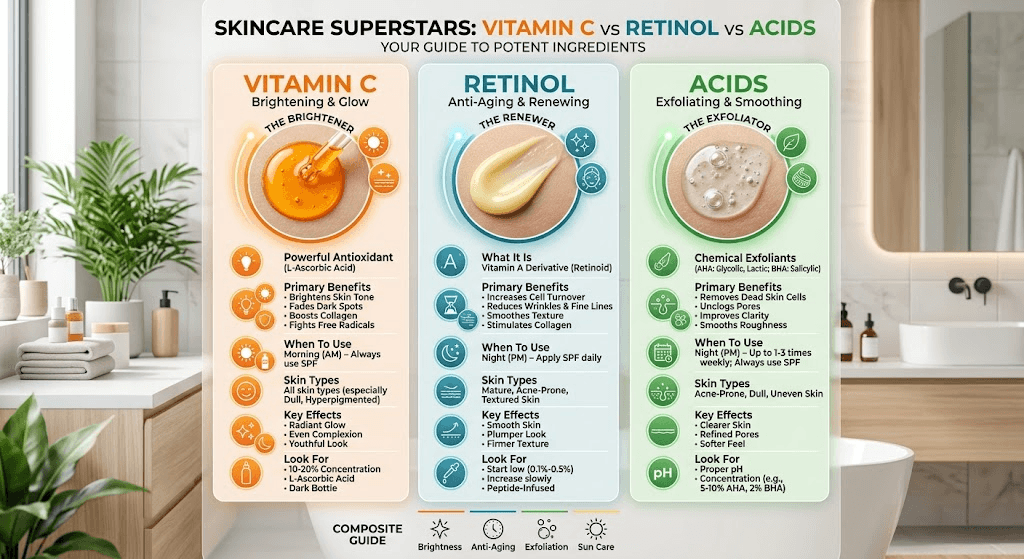
Unlike exfoliating acids, Vitamin C Purging is often misunderstood because vitamin C works differently.
Vitamin C:
- Brightens skin
- Protects against damage
- Boosts collagen
Active exfoliants:
- Increase cell turnover
- Remove dead skin cells
- Can trigger purging
This distinction is important because it helps identify whether your skin is reacting or adjusting.
Why Breakouts May Happen
If you experience breakouts, it does not necessarily mean Vitamin C Purging is occurring. Instead, several other factors may be responsible:
- Irritation: High concentrations can overwhelm sensitive skin
- Product formulation: Some serums contain oils or silicones that clog pores
- Incorrect layering: Mixing with strong actives can cause reactions
- Allergic response: Some skin types react negatively
Understanding these causes helps you make better skincare choices.
Signs of Purging vs Breakouts
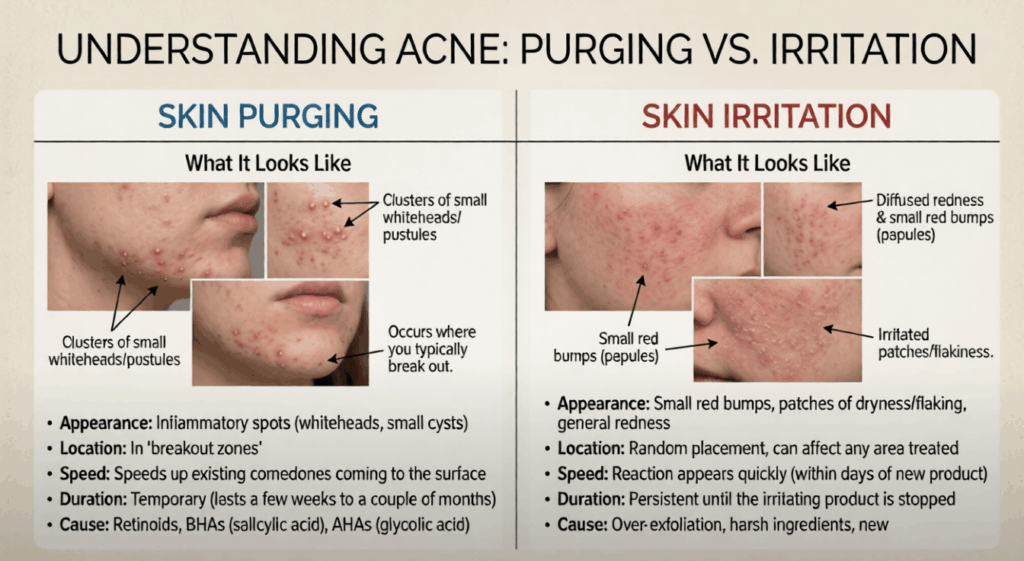
Many people confuse irritation with Vitamin C Purging, but there are clear differences.
Purging (rare with vitamin C):
- Occurs in areas where you usually break out
- Clears up quickly
- Temporary increase in small pimples
Breakouts (more common):
- Appears in new areas
- Includes redness or irritation
- Lasts longer and worsens over time
If your skin feels irritated or inflamed, it is likely not purging.
How Long Does It Last
If your skin is reacting and you suspect Vitamin C Purging, it is important to monitor the duration.
True purging (if it happens) usually lasts 2–4 weeks. However, irritation or breakouts caused by vitamin C may persist until the product is discontinued.
If your skin does not improve within a few weeks, it is best to stop using the product.
How to Use Vitamin C Correctly
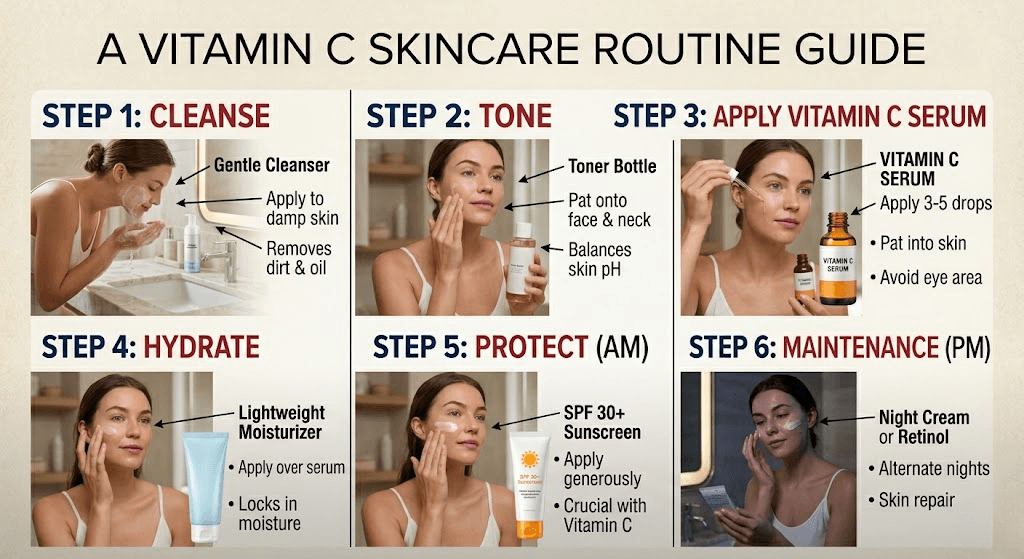
To avoid confusion around Vitamin C Purging, proper usage is essential.
Follow these steps:
- Start with a low concentration (10–15%)
- Use it once a day, preferably in the morning
- Apply on clean, dry skin
- Follow with moisturizer and sunscreen
Gradual introduction helps your skin adjust without irritation.
Who Should Avoid Vitamin C
Although beneficial, Vitamin C Purging concerns may be higher for certain skin types.
Avoid or use caution if you have:
- Extremely sensitive skin
- Active acne or damaged skin barrier
- Allergies to skincare ingredients
In such cases, consult a dermatologist before use.
Tips to Prevent Breakouts
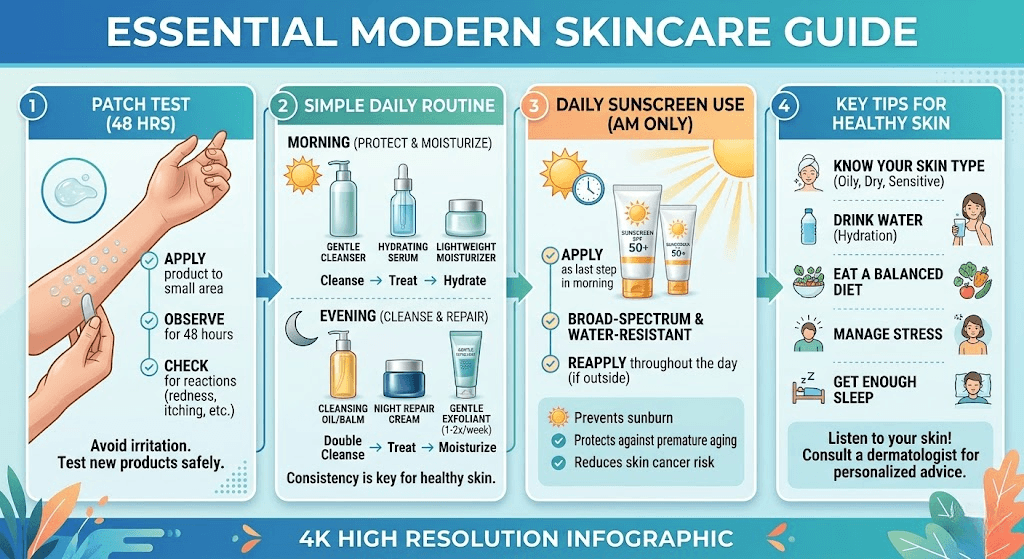
Preventing issues related to Vitamin C Purging starts with smart skincare habits:
- Patch test before full use
- Avoid combining with strong acids initially
- Choose lightweight, non-comedogenic formulas
- Keep your routine simple
These steps reduce the risk of irritation and breakouts.
Best Practices for Clear Skin
Achieving clear skin while avoiding Vitamin C Purging requires consistency and balance.
Focus on:
- Gentle cleansing
- Hydration
- Sun protection
- Minimal product layering
A stable skincare routine supports long-term skin health.
Conclusion
Vitamin C Purging is largely a myth rather than a common reality. While vitamin C offers numerous skin benefits, it does not typically cause purging like exfoliating ingredients do.
If you experience breakouts, they are more likely due to irritation, formulation issues, or incorrect usage. By understanding how vitamin C works and introducing it properly into your routine, you can enjoy its benefits without unwanted side effects.
Consistency, patience, and proper product selection are the keys to achieving healthy, glowing skin.
FAQs
1. Does vitamin C really cause purging?
No, true purging is unlikely. Breakouts are usually due to irritation.
2. Why am I breaking out after using vitamin C?
It may be due to sensitivity, product ingredients, or incorrect usage.
3. Should I stop using vitamin C if I break out?
If irritation persists, it is best to stop and reassess your routine.
4. Can beginners use vitamin C?
Yes, but start with low concentrations and introduce it gradually.
5. How long does it take to see results?
Most people notice improvements in 4–6 weeks with consistent use.


