Table of Contents:
Introduction:
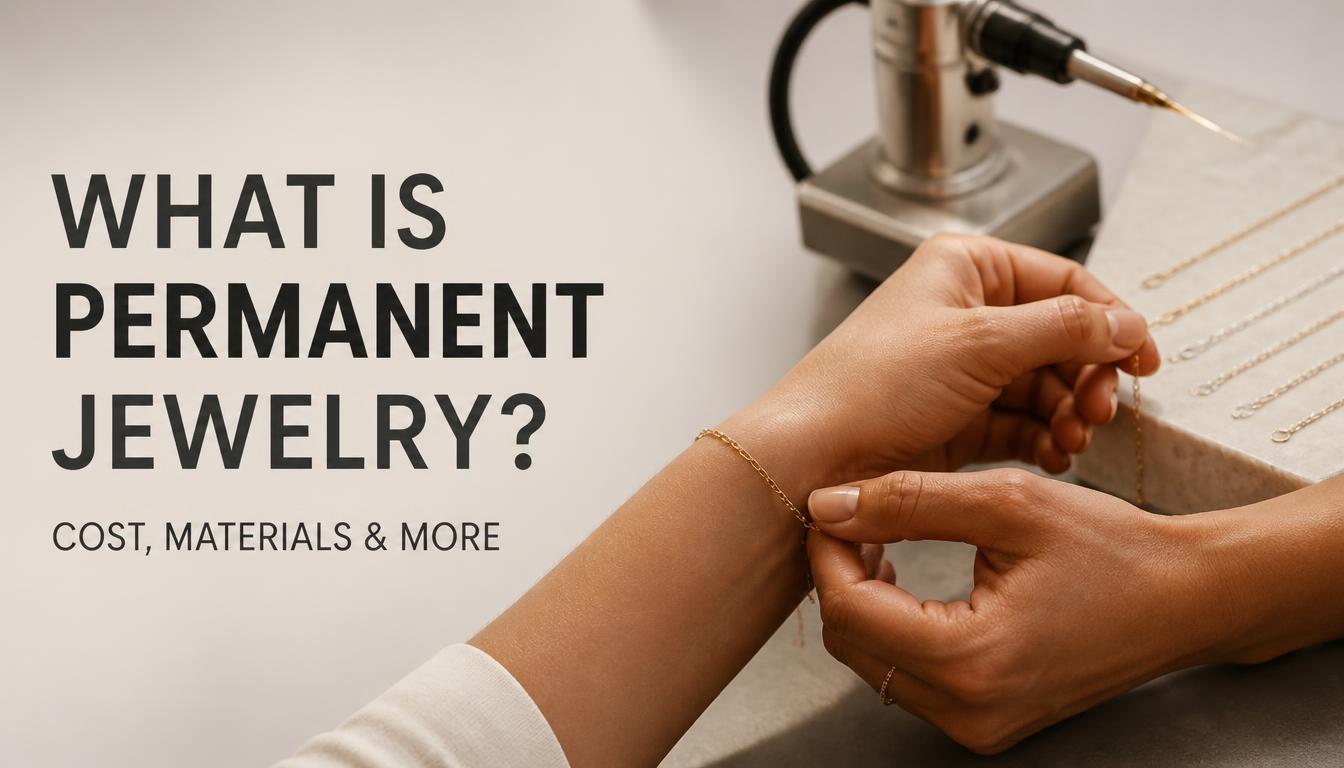
If you have recently noticed clasp-free bracelets, you may wonder what they actually are. Permanent jewelry offers a simple way to wear jewelry without traditional clasps. Instead, a jeweler custom-fits the chain around your wrist or ankle. The ends are then connected using a small welding process designed for jewelry. This creates a seamless piece that stays on during everyday activities. Freaky Thread explores this growing jewelry trend and its everyday appeal.
Permanent jewelry has become popular because it combines fashion with personal meaning. People often choose matching pieces to celebrate friendships, relationships, or special occasions. Others simply enjoy the convenience of wearing one piece every day. However, permanent does not literally mean something that lasts forever. The jewelry can eventually break, become damaged, or need removal. Understanding the materials, lifespan, and pricing helps you make informed choices.
What Is Permanent Jewelry and How Does It Work?
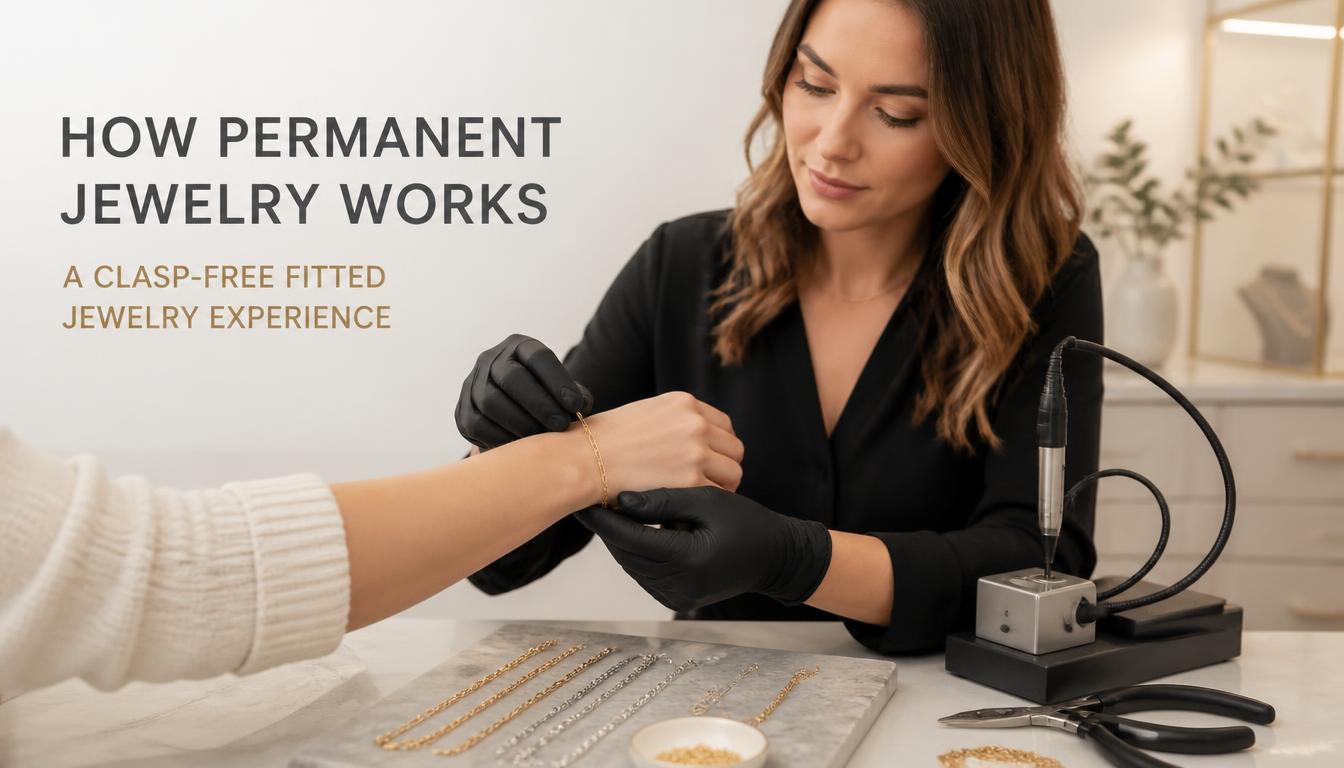
Permanent jewelry is jewelry designed without a traditional clasp or closure. Instead, the chain is fitted around the wearer and connected at both ends. A jeweler typically uses a specialized pulse or spot welder. This process joins a small connecting ring and creates the finished bracelet. The welding process focuses on the jewelry connection rather than the skin.
Bracelets remain the most recognizable type of permanent jewelry today. However, anklets, necklaces, rings, and other designs are also available. The jewelry can usually remain during normal activities such as sleeping or showering. However, individual jewelers may provide different care recommendations.
The word permanent describes how the jewelry is worn rather than its lifetime. A traditional bracelet uses a clasp that allows regular removal. Permanent jewelry removes that closure and creates a continuous chain. If removal becomes necessary, the jewelry can generally be cut at the connecting point. Therefore, choosing permanent jewelry does not mean making an irreversible decision.
You May Also Like:
What Is the Point of Permanent Jewelry?
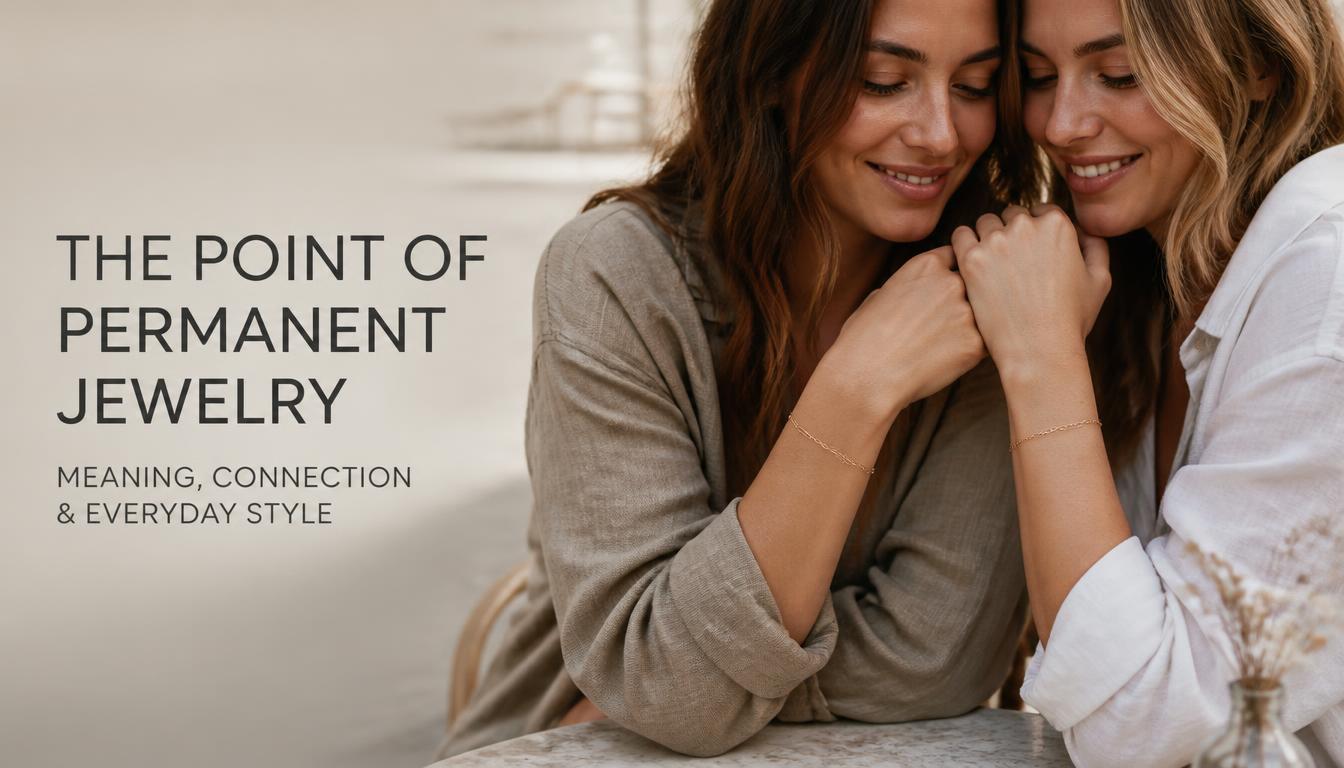
Many people choose permanent jewelry because it carries personal meaning. A simple bracelet can represent friendship, family, relationships, milestones, or memorable experiences. Matching bracelets can also become meaningful keepsakes between close friends. Some people choose permanent jewelry simply because they enjoy minimalist everyday accessories.
Another important appeal involves convenience and simplicity. Traditional bracelets require opening, closing, and storing whenever you remove them. Permanent jewelry stays fitted around your wrist without requiring those daily steps. This makes it appealing to people who prefer uncomplicated accessories.
The sentimental aspect can make the experience more meaningful than ordinary jewelry shopping. Some jewelry studios offer charms, connectors, and different chain styles for personalization. These additions can help create a piece connected to someone’s personality or memories. However, personal meaning varies between individuals and depends entirely upon the wearer.
Ultimately, the point of permanent jewelry depends on your reason for choosing it. Some people value symbolism, while others prefer convenience and minimalist styling. There is no single purpose that applies to every person who wears it.
You May Also Like:
What Is Permanent Jewelry Made Of?
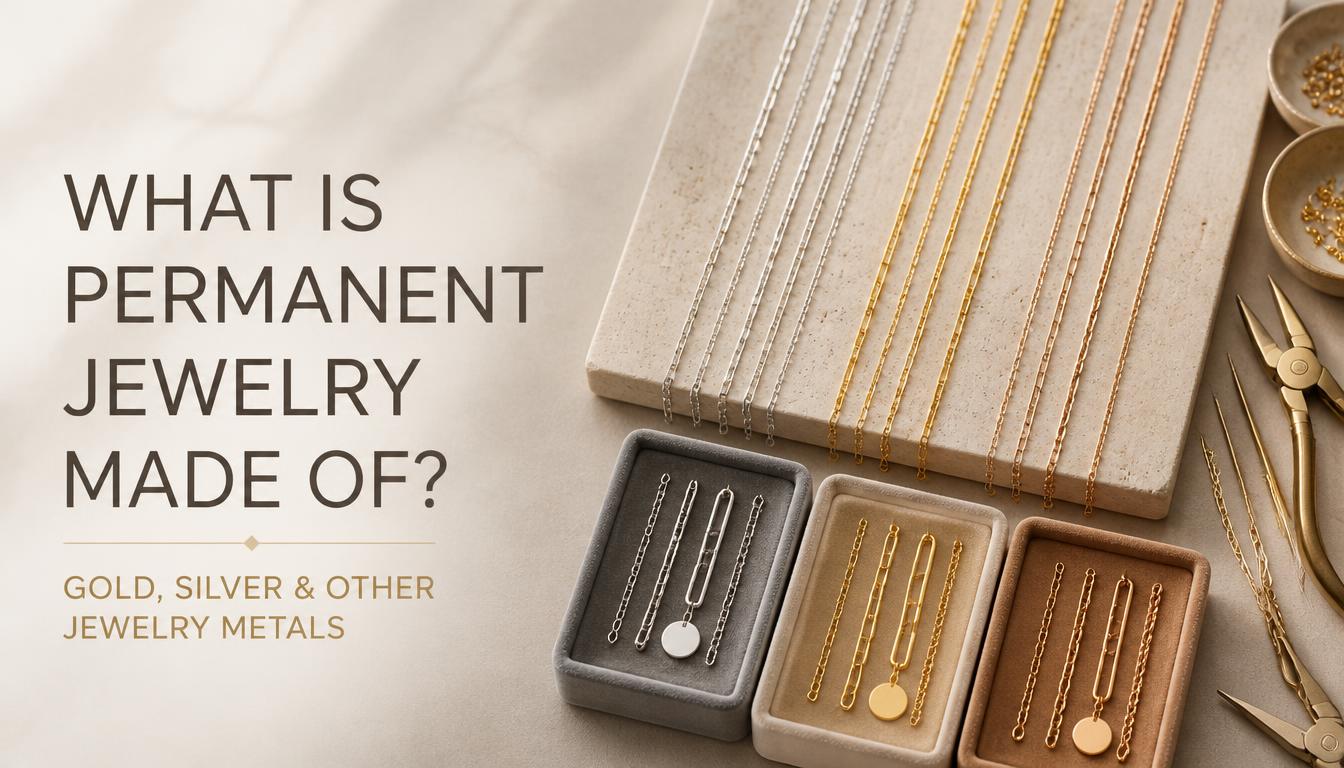
Permanent jewelry can use several different metals, depending on the jeweler. Common choices include sterling silver, gold-filled materials, and solid gold. Some providers may also offer platinum or other jewelry-grade materials. Your material choice can affect appearance, durability, maintenance, and overall cost.
Sterling silver offers a bright appearance and remains a popular jewelry material. However, silver can tarnish over time when exposed to air and everyday conditions. Gold-filled jewelry contains a substantial layer of gold bonded over another metal. It can provide a gold appearance while generally costing less than solid gold.
Solid gold is another popular choice for permanent jewelry applications. Common options include 14-karat and 18-karat gold. Higher-karat gold contains a greater proportion of pure gold. However, jewelry durability also depends on the particular alloy and chain construction.
People with metal sensitivities should check exactly what alloys their jewelry contains. Nickel can trigger allergic contact dermatitis in sensitive individuals. Cleveland Clinic recommends carefully choosing jewelry materials when nickel sensitivity exists. Therefore, asking the jeweler about metal composition can be especially important.
You may also like:
How Long Does Permanent Jewelry Last?
One common question asks, how long does permanent jewelry last under everyday conditions. Unfortunately, there is no single lifespan that applies to every piece. The material, chain thickness, welding quality, and lifestyle can affect durability. Frequent pulling or snagging can also cause delicate chains to break.
Quality permanent jewelry can remain wearable for years under suitable everyday conditions. However, manufacturers and jewelers cannot guarantee one universal lifespan for every wearer. Active lifestyles may expose jewelry to greater friction, pulling, and repeated stress. Delicate chains may therefore require more attention than heavier designs.
The term permanent should never be interpreted as a lifetime guarantee. Instead, it describes jewelry designed for continuous wear without traditional clasps. A piece may eventually break or require replacement because jewelry remains subject to physical wear. Sunstone’s industry guidance similarly notes that lifestyle and care can influence longevity.
Proper care can help maintain the appearance and condition of your jewelry. Avoid unnecessary pulling, snagging, or harsh chemical exposure whenever possible. You should also follow the specific care instructions provided by your jewelry professional. These simple habits can help your piece remain attractive and wearable longer.
You may also like:
How Much Does Permanent Jewelry Cost?
Another important question involves how much permanent jewelry costs before booking an appointment. There is no universal price because several factors influence the final amount. The chosen metal, chain style, length, and customization can all change pricing. Location and individual studio pricing can also create significant differences.
Current examples show that professional prices can vary substantially between providers. One United Kingdom provider currently lists permanent bracelets starting around £40. Its offerings include sterling silver, gold-filled, mixed metals, and gold options.
In the United States, recent pricing examples show broader ranges across different materials. Sterling silver bracelets may cost considerably less than solid gold alternatives. Gold-filled pieces commonly occupy a middle price range between silver and solid gold. Solid gold designs can become significantly more expensive depending upon chain weight.
Customization can also increase the final price of permanent jewelry. Charms, connectors, gemstones, and specialty chain patterns may add additional costs. Therefore, checking the material and complete pricing before booking remains important. Always ask whether the quoted price includes fitting, welding, and customization.
You may also like:
What Should You Consider Before Getting Permanent Jewelry?
Before choosing permanent jewelry, consider your lifestyle and everyday activities. Think about whether you regularly work around equipment, machinery, or situations involving snagging. Jewelry can become caught on objects when exposed to sudden pulling forces. Medical guidance recommends removing jewelry before activities where strong pulling could occur.
Your skin sensitivity should also influence the material you choose. Some people develop allergic reactions after contact with certain metals. Nickel represents one of the more common causes of jewelry-related contact allergies. Choosing suitable materials can reduce the chance of unwanted skin reactions.
You should also consider whether the jewelry fits comfortably. A professional jeweler should measure the piece appropriately before completing the connection. The chain should provide enough room for comfortable everyday movement. However, it should not be unnecessarily loose around the wrist or ankle.
Finally, consider future situations where jewelry removal might become necessary. Certain workplaces, sports, medical procedures, or activities may require jewelry removal. Knowing how the piece can be safely removed gives you greater flexibility. Ask your jeweler about removal and future rewelding options before purchasing.
You may also like:
Conclusion:
So, what is permanent jewelry in simple terms? It is clasp-free jewelry designed for continuous everyday wear. A jeweler custom-fits the chain before joining its ends through specialized equipment. Bracelets remain especially popular, although necklaces and anklets are also available.
The appeal comes from a combination of convenience, style, personalization, and sentimental meaning. Materials commonly include sterling silver, gold-filled options, and solid gold. Your selected material can influence appearance, durability, maintenance requirements, and pricing.
The answer to how long does permanent jewelry last depends upon several conditions. Quality materials, proper fitting, chain construction, and everyday habits can influence longevity. Similarly, how much permanent jewelry costs depends heavily upon material and customization. Current provider prices demonstrate that costs can vary considerably between markets.
Before choosing a piece, research the material and ask questions about care. Consider your lifestyle, skin sensitivity, activities, and future removal needs. Freaky Thread aims to provide practical information that helps readers understand modern lifestyle and fashion trends. Permanent jewelry can become a meaningful accessory when chosen with realistic expectations.