

Introduction
A healthy digestive system does much more than process meals every day. It also supports energy levels, immune function, mental clarity, and overall wellness. Many people struggle with digestive discomfort without realizing that poor food choices often play a major role. Fortunately, making smarter nutrition decisions can produce noticeable improvements within a short period.
Adding more high fiber foods to your daily meals is one of the simplest ways to support better digestion naturally. Fiber feeds beneficial gut bacteria, encourages regular bowel movements, and helps maintain a balanced digestive environment. Instead of depending on costly supplements, focusing on whole foods often delivers better long-term results.
This guide from Freaky Thread explains practical ways to improve gut health quickly using everyday ingredients. You will also discover shopping tips, restaurant strategies, healthy snacks, and common myths that often prevent people from reaching their nutrition goals.
The Hidden Link Between Digestion and Your Daily Mood
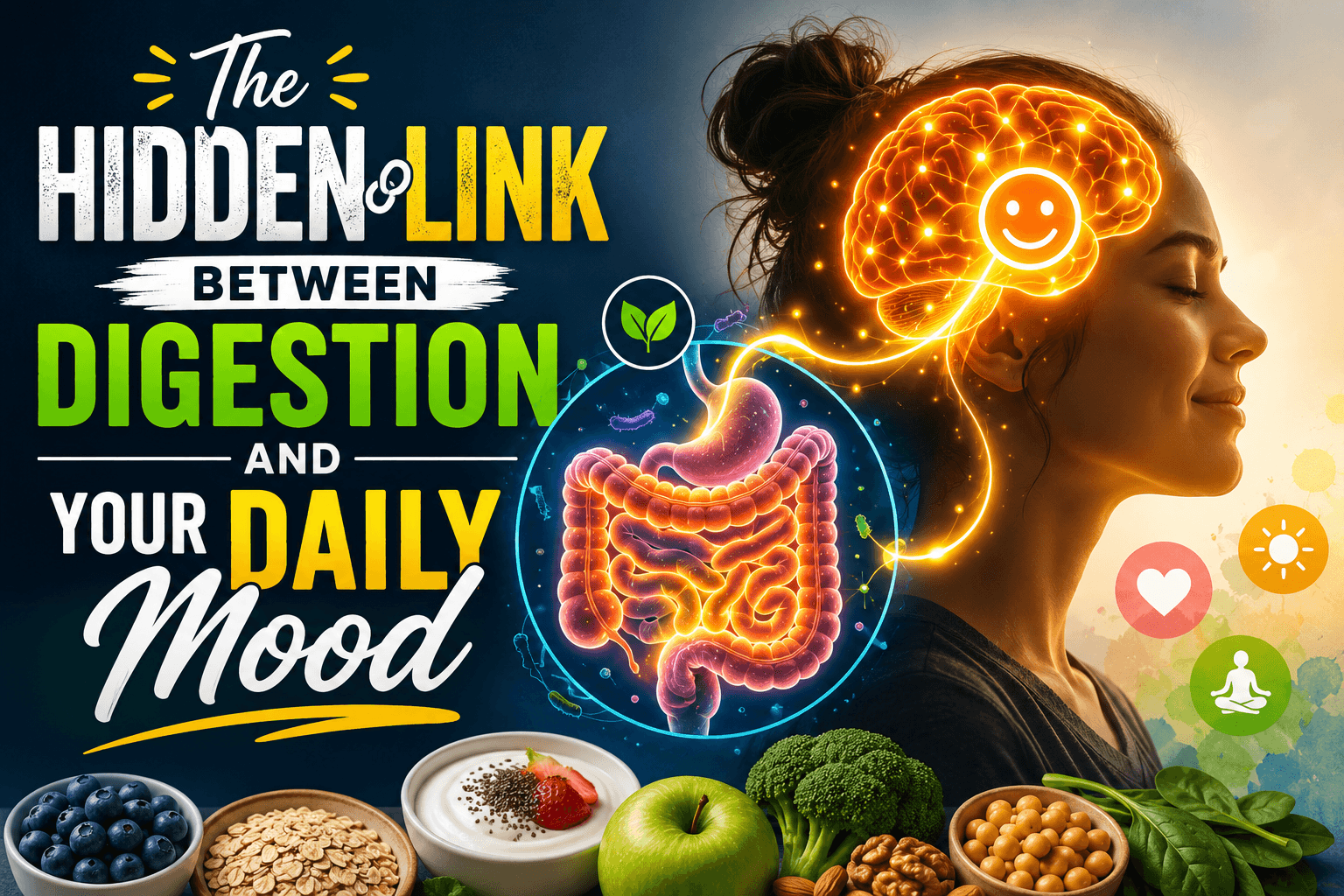
Many people wake up feeling tired despite getting enough sleep every night. Others experience brain fog that reduces concentration during important work responsibilities. These frustrating symptoms sometimes begin inside the digestive system rather than the bedroom or office.
Scientists continue discovering strong connections between gut health and brain function. Your digestive system contains trillions of beneficial bacteria that help produce important compounds supporting mood, memory, and mental performance. When these bacteria become unbalanced, both physical and emotional wellness may suffer.
Eating enough high fiber foods encourages healthy bacteria to grow and thrive naturally. Foods such as oats, apples, beans, berries, and leafy vegetables provide nourishment for these helpful microorganisms. As your gut bacteria become healthier, many people notice improved energy, better focus, and more stable moods throughout the day.
Small dietary improvements create lasting benefits over time. Consistency matters much more than making dramatic changes that become impossible to maintain. Replacing processed snacks with fiber-rich alternatives often represents the first important step toward better digestive health.
You may also like:
A Comprehensive Shopping List for Beginners

Walking through a grocery store can feel overwhelming when trying to eat healthier. Bright packaging and confusing marketing claims often make unhealthy products appear nutritious. Fortunately, shopping becomes much easier when focusing on simple whole ingredients.
Start your grocery list with fruits like pears, apples, raspberries, oranges, and bananas. Add vegetables including broccoli, carrots, spinach, Brussels sprouts, and sweet potatoes. These natural foods provide vitamins, minerals, and valuable fiber without unnecessary additives.
Next, choose whole grains instead of refined products whenever possible. Brown rice, oats, quinoa, barley, and whole wheat bread offer excellent nutritional value. Legumes such as lentils, black beans, chickpeas, and kidney beans remain among the richest high fiber foods available.
Nuts and seeds also deserve space in your shopping cart. Almonds, walnuts, chia seeds, flaxseeds, and pumpkin seeds supply healthy fats alongside generous amounts of dietary fiber. They also make convenient snacks between meals.
Avoid spending unnecessary money on expensive digestive supplements before improving your everyday meals. Most people can significantly increase fiber intake through affordable whole foods available in local supermarkets. Building meals around real ingredients usually produces better results than relying on heavily marketed products.
You may also like:
Why Soluble and Insoluble Fibers Both Matter

Many people understand that fiber supports digestion, yet few recognize different fiber types. Knowing the difference helps you choose foods that meet your body’s changing needs.
Soluble fiber dissolves in water and forms a gel-like substance inside the digestive tract. This process helps slow digestion, supports healthy cholesterol levels, and contributes to balanced blood sugar. Excellent sources include oats, beans, lentils, apples, and citrus fruits.
Insoluble fiber works differently because it adds bulk to stool and encourages regular bowel movements. Whole grains, nuts, seeds, carrots, cauliflower, and leafy vegetables provide significant amounts of this important nutrient.
Your digestive system benefits most when both fiber types appear regularly in your meals. Instead of worrying about complicated nutrition labels, choose a colorful variety of whole foods throughout the week. Nature usually provides an effective balance without requiring complicated calculations.
Increasing fiber intake gradually also prevents unnecessary digestive discomfort. Drinking enough water helps fiber move efficiently through the digestive system while supporting healthy bowel function every day.
You may also like:
Creative Snack Ideas to Keep You Full Until Dinner

Afternoon cravings often lead people toward greasy potato chips or sugary treats. Unfortunately, these processed snacks rarely satisfy hunger for very long. Choosing smarter alternatives helps maintain steady energy while supporting digestive health.
Greek yogurt topped with berries and chia seeds creates a delicious combination rich in protein and fiber. Apple slices paired with natural peanut butter offer satisfying crunch alongside lasting fullness. Roasted chickpeas provide another flavorful option that travels easily during busy workdays.
Parents often struggle when children refuse traditional vegetables during snack time. Making healthy foods more appealing encourages better eating habits without unnecessary arguments. Colorful fruit skewers, homemade oat muffins, vegetable wraps, and smoothie bowls can introduce nutritious ingredients in enjoyable ways.
Trail mix prepared with almonds, walnuts, pumpkin seeds, and dried fruit offers another convenient solution. Keep portions moderate because nuts contain healthy fats alongside higher calorie levels. These snack choices naturally include high fiber foods while helping reduce unnecessary hunger before dinner.
Preparing snacks ahead of time also reduces impulsive decisions during stressful afternoons. Keeping healthy options available makes nutritious choices much easier every single day.
How to Order at Restaurants Without Ruining Your Diet

Dining out should remain enjoyable without completely abandoning healthy eating habits. Many restaurant menus now include nutritious choices that support digestive wellness while still tasting delicious.
Begin by reviewing the menu before arriving whenever possible. Looking ahead reduces pressure when everyone else starts ordering quickly. Choose meals featuring vegetables, beans, whole grains, or salads alongside lean sources of protein.
Ask for dressings and sauces on the side whenever appropriate. This simple adjustment allows better portion control without sacrificing flavor. Request whole grain options if restaurants offer substitutions for bread, rice, or pasta.
Peer pressure often encourages people to order oversized appetizers and rich desserts. Remember that your health goals remain important regardless of what others choose. Sharing larger dishes with friends provides another practical strategy for enjoying social occasions responsibly.
Balanced restaurant meals containing high fiber foods help maintain digestive comfort while reducing the temptation to overeat later. Smart choices become easier with regular practice and thoughtful planning.
You may also like:
Debunking Common Myths About Dietary Fiber
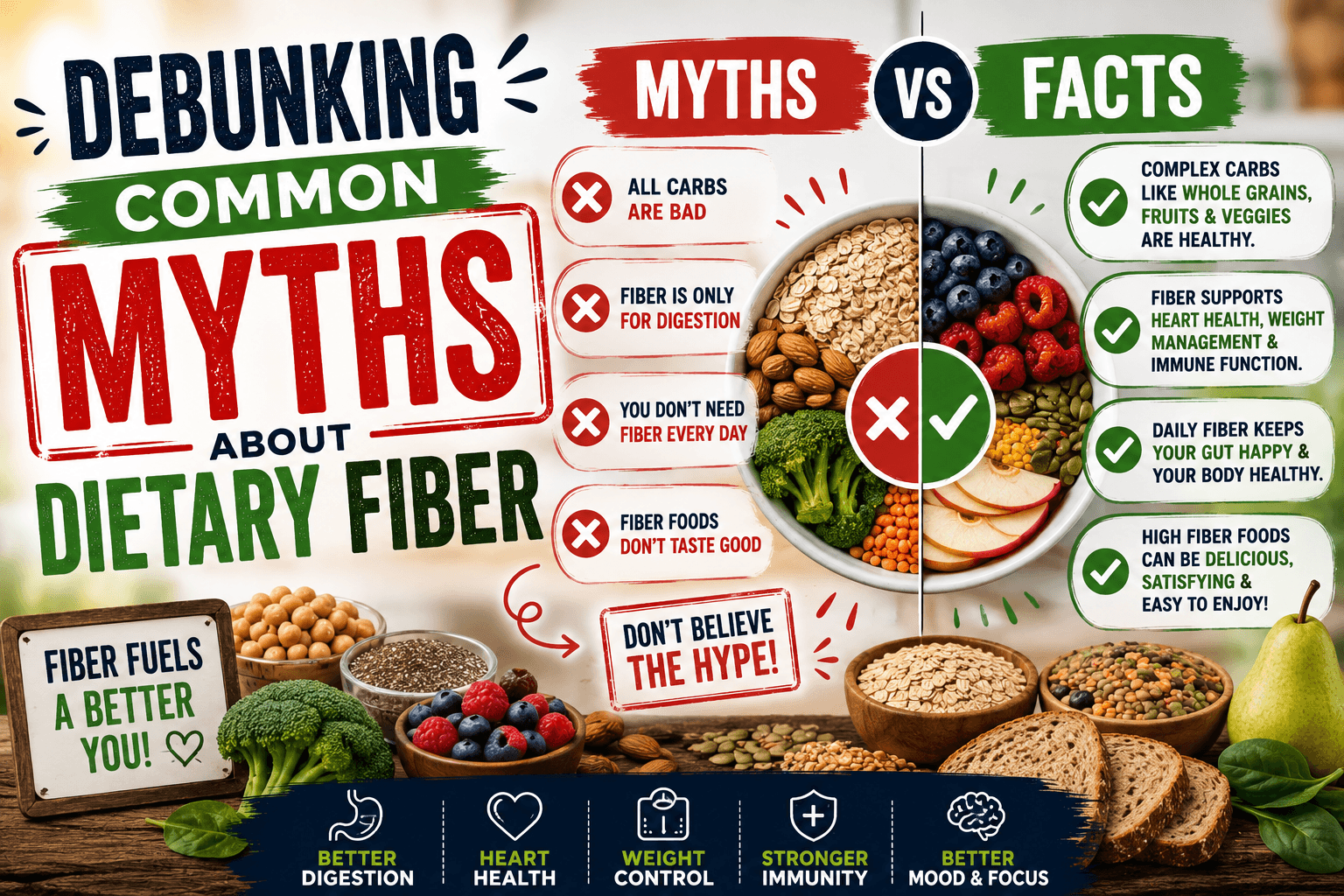
Nutrition advice changes frequently, creating confusion for many people seeking better health. Social media trends often spread misleading information that discourages healthy eating habits.
One common myth suggests that all carbohydrates should be avoided during weight loss. In reality, many fiber-rich carbohydrates support healthy digestion while promoting longer-lasting fullness. Whole grains, beans, fruits, and vegetables provide valuable nutrients alongside beneficial fiber.
Another widespread misconception claims that grains automatically damage digestive health. Refined grains differ significantly from whole grains because processing removes much of their fiber and nutritional value. Whole grain products remain excellent additions to balanced diets for most healthy individuals.
Some people also believe fiber works immediately after one healthy meal. Improving gut health usually requires consistent eating habits maintained over several weeks. Patience and regular food choices produce much stronger results than short-term diet trends.
Reliable nutrition information should always come from qualified health organizations and scientific research instead of viral internet opinions. Consistency always beats perfection when building healthier daily routines.
You may also like:
Tracking Your Daily Intake for Maximum Success
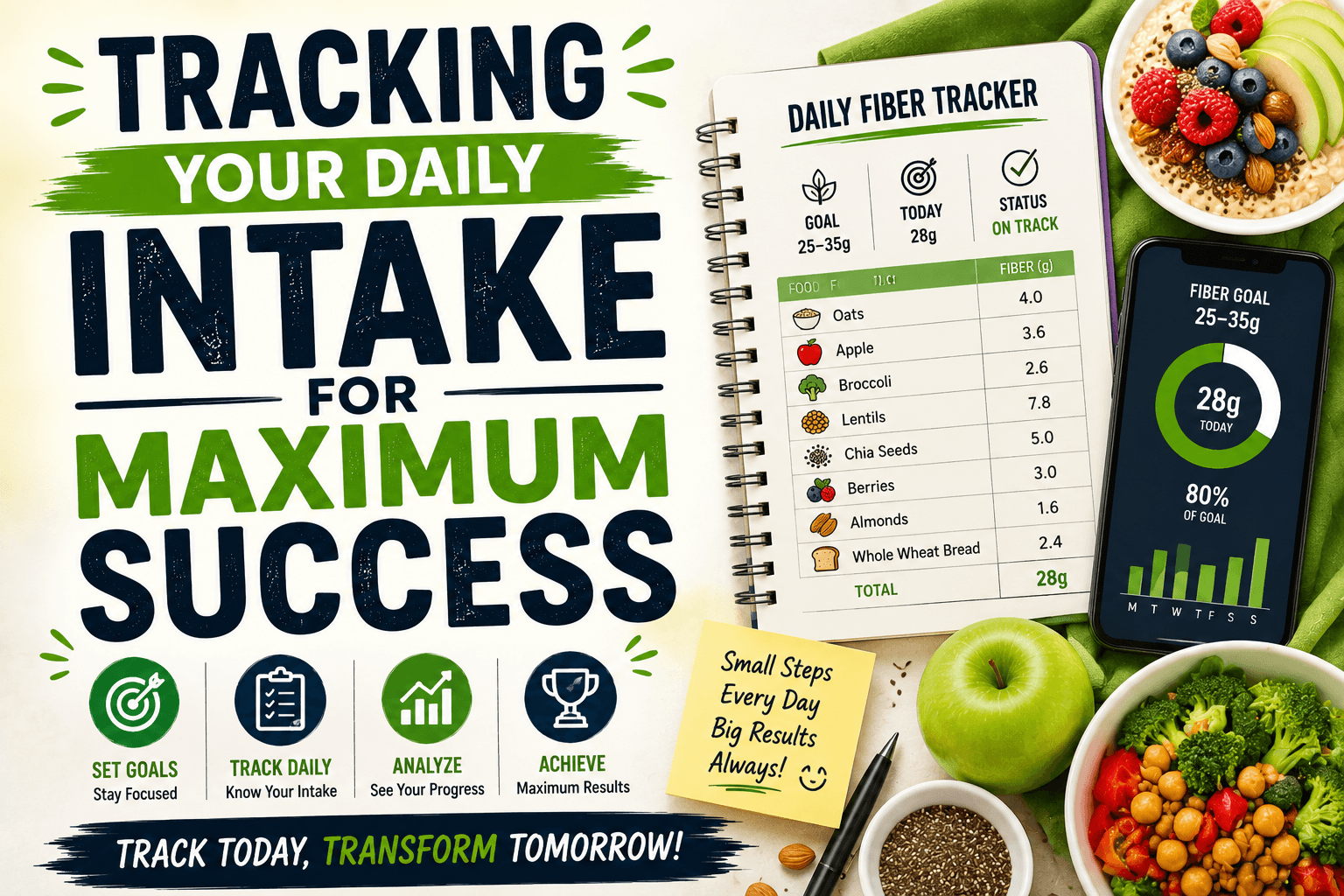
Many people underestimate how much fiber they consume every day. Guessing portion sizes often leads to nutritional gaps that slow progress toward better digestive health.
Fortunately, tracking fiber intake does not require complicated smartphone applications or detailed spreadsheets. Keeping a simple notebook or daily checklist often provides enough awareness to improve eating habits consistently.
Aim to include fiber with every meal instead of concentrating everything into dinner. Add berries to breakfast, vegetables with lunch, fruit during snack time, and beans or whole grains alongside dinner. This balanced approach spreads fiber evenly throughout the day while supporting comfortable digestion.
Pay attention to how your body responds after increasing high fiber foods gradually. Some adjustments may require additional water intake or slower dietary changes before becoming completely comfortable. Listening to your body’s signals encourages sustainable long-term success.
At Freaky Thread, we believe healthy living becomes easier when practical advice replaces confusing nutrition trends. Small improvements repeated consistently often produce the greatest rewards over time.
You may also like:
Final Thoughts
Improving gut health does not require expensive supplements, restrictive diets, or unrealistic lifestyle changes. Choosing more high fiber foods each day provides a practical foundation for better digestion, increased energy, and improved overall wellness.
Focus on filling your shopping cart with fruits, vegetables, legumes, whole grains, nuts, and seeds. Prepare satisfying snacks, make smarter restaurant choices, and ignore nutrition myths lacking scientific support. Most importantly, increase your fiber intake gradually while drinking plenty of water throughout the day.
Healthy habits develop through consistent daily choices rather than dramatic overnight transformations. By following these practical strategies, you can support a stronger digestive system while enjoying delicious meals that benefit both your body and mind.


