

Table of Contents:
- Introduction
- Understanding Why Your Chest Feels Congested
- Hydration Techniques and Soothing Warm Liquids
- Steam Inhalation Therapy and Helpful Essential Oils
- Postural Drainage and Targeted Breathing Exercises
- Anti Inflammatory Foods and Necessary Dietary Changes
- Knowing Exactly When to Seek Professional Medical Help
- Conclusion
Introduction:
Chest congestion can make even simple daily activities feel uncomfortable and exhausting. Thick mucus may cause persistent coughing, difficulty breathing, and interrupted sleep during colds or seasonal illnesses. Learning how to remove mucus from lungs naturally may help ease mild congestion while supporting your body’s normal recovery process. At Freaky Thread, we believe practical and evidence-based health information helps readers make informed decisions for everyday wellness.
Mucus plays an important role in protecting your respiratory system from dust, germs, and harmful particles. Healthy lungs naturally produce mucus that traps unwanted substances before tiny hair-like structures called cilia move them out of the airways. Problems begin when illness, allergies, smoking, or environmental irritants cause excessive mucus production or make it thicker than normal.
Natural methods cannot cure serious lung diseases, but they may help loosen mucus and improve comfort. Combining healthy habits with proper hydration and gentle breathing techniques often supports easier mucus clearance during mild respiratory infections. However, persistent or worsening symptoms always require evaluation by a qualified healthcare professional.
Understanding Why Your Chest Feels Congested:

Chest congestion usually develops when your respiratory system responds to infection, irritation, or inflammation. During this response, the body produces extra mucus to trap bacteria, viruses, allergens, and other harmful particles. While this protective mechanism benefits your lungs, excessive mucus often creates uncomfortable pressure and persistent coughing.
Many people experience a constant feeling of heaviness that makes deep breathing more difficult than usual. Thick mucus can partially block the airways, forcing your body to cough repeatedly in an attempt to clear them. Unfortunately, coughing alone does not always remove stubborn mucus, especially when it becomes unusually thick or sticky.
Sleepless nights frequently follow because coughing tends to worsen while lying flat for extended periods. Common causes include viral colds, influenza, allergies, sinus infections, smoking, air pollution, and chronic respiratory conditions. Understanding the underlying cause helps determine whether simple home care is appropriate or professional medical treatment becomes necessary.
You may also like:
Hydration Techniques and Soothing Warm Liquids:
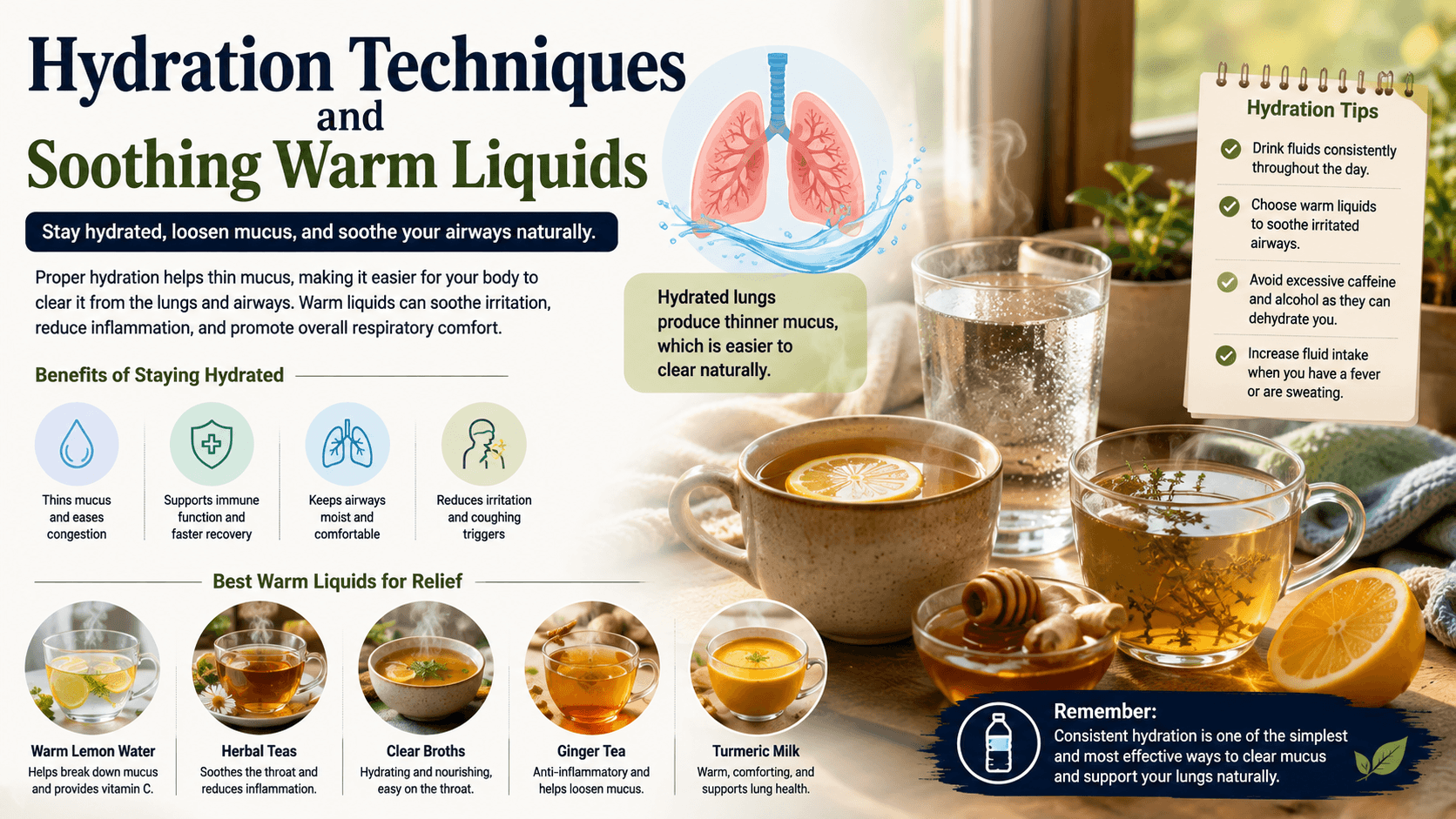
One of the simplest answers to how to remove mucus from lungs naturally involves maintaining proper hydration throughout the day. Drinking enough fluids helps thin mucus, making it easier for your body to move through the airways. Dehydration often causes mucus to become thicker, increasing discomfort and making productive coughing more difficult.
Warm beverages may provide additional comfort by soothing irritated airways and encouraging mucus movement. Warm water, herbal teas, clear broths, and warm lemon water remain popular choices during respiratory illnesses. Although these drinks do not cure infections, they often help people feel more comfortable while supporting adequate fluid intake.
Aim to drink fluids consistently instead of waiting until thirst becomes noticeable throughout the day. People experiencing fever, vomiting, or excessive sweating may require additional fluids to replace ongoing losses. Limiting excessive alcohol consumption also helps because alcohol may contribute to dehydration in some individuals.
You may also like:
Steam Inhalation Therapy and Helpful Essential Oils:

Warm steam may temporarily relieve congestion by adding moisture to dry nasal passages and upper airways. Many people find that breathing warm, humid air helps loosen mucus while making coughing feel more productive. A warm shower or a bowl of steaming water used carefully can provide similar short-term comfort.
Dry indoor air often irritates sensitive airways, particularly during colder months when heating systems reduce indoor humidity. Using a clean humidifier may help maintain comfortable indoor moisture levels if the surrounding air feels excessively dry. Humidifiers require regular cleaning because contaminated water reservoirs may encourage mold or bacterial growth.
Some people enjoy adding essential oils for fragrance during steam therapy, but scientific evidence supporting their effectiveness remains limited. Essential oils should never be swallowed, and concentrated oils should not contact the skin without proper dilution. Individuals with asthma, allergies, or sensitive lungs should consult a healthcare professional before using essential oils because strong scents sometimes worsen breathing symptoms.
Postural Drainage and Targeted Breathing Exercises:

Postural drainage uses body positioning to encourage mucus to move from smaller airways toward larger ones. Healthcare professionals often recommend these techniques for certain respiratory conditions involving excessive mucus production. When performed correctly, gentle positioning may make coughing more effective and improve overall breathing comfort.
Deep breathing exercises also support healthy lung function by expanding the lungs more completely during inhalation. Slow diaphragmatic breathing encourages better airflow while helping loosen mucus trapped inside the lower respiratory system. Controlled huff coughing, which uses short and forceful exhalations, often clears mucus with less strain than repeated hard coughing.
People experiencing severe shortness of breath, chest pain, or dizziness should stop these exercises immediately. Individuals with chronic lung diseases should learn proper techniques from qualified healthcare professionals before practicing independently. Gentle movement, short walks, and light physical activity may also help loosen mucus if approved by a healthcare provider.
You may also like:
Anti Inflammatory Foods and Necessary Dietary Changes:

A balanced diet supports your immune system while helping the body recover from respiratory illnesses more efficiently. Colorful fruits, leafy vegetables, whole grains, nuts, seeds, and healthy fats provide nutrients that support normal immune function. Foods rich in vitamin C, zinc, and antioxidants may contribute to overall respiratory health when included within a balanced diet.
Some people believe dairy products increase mucus production, yet scientific research does not consistently support this claim. Dairy may create a thicker mouthfeel for some individuals without actually increasing mucus inside the lungs. Instead of avoiding entire food groups unnecessarily, focus on eating nutrient-dense meals while staying well hydrated throughout recovery.
Highly processed foods containing excessive added sugars or unhealthy fats may contribute to inflammation within the body over time. Choosing homemade meals with lean proteins, vegetables, legumes, and healthy oils supports overall wellness during illness. Adequate sleep, regular hydration, and nutritious eating together create a stronger foundation for natural recovery.
Knowing Exactly When to Seek Professional Medical Help:
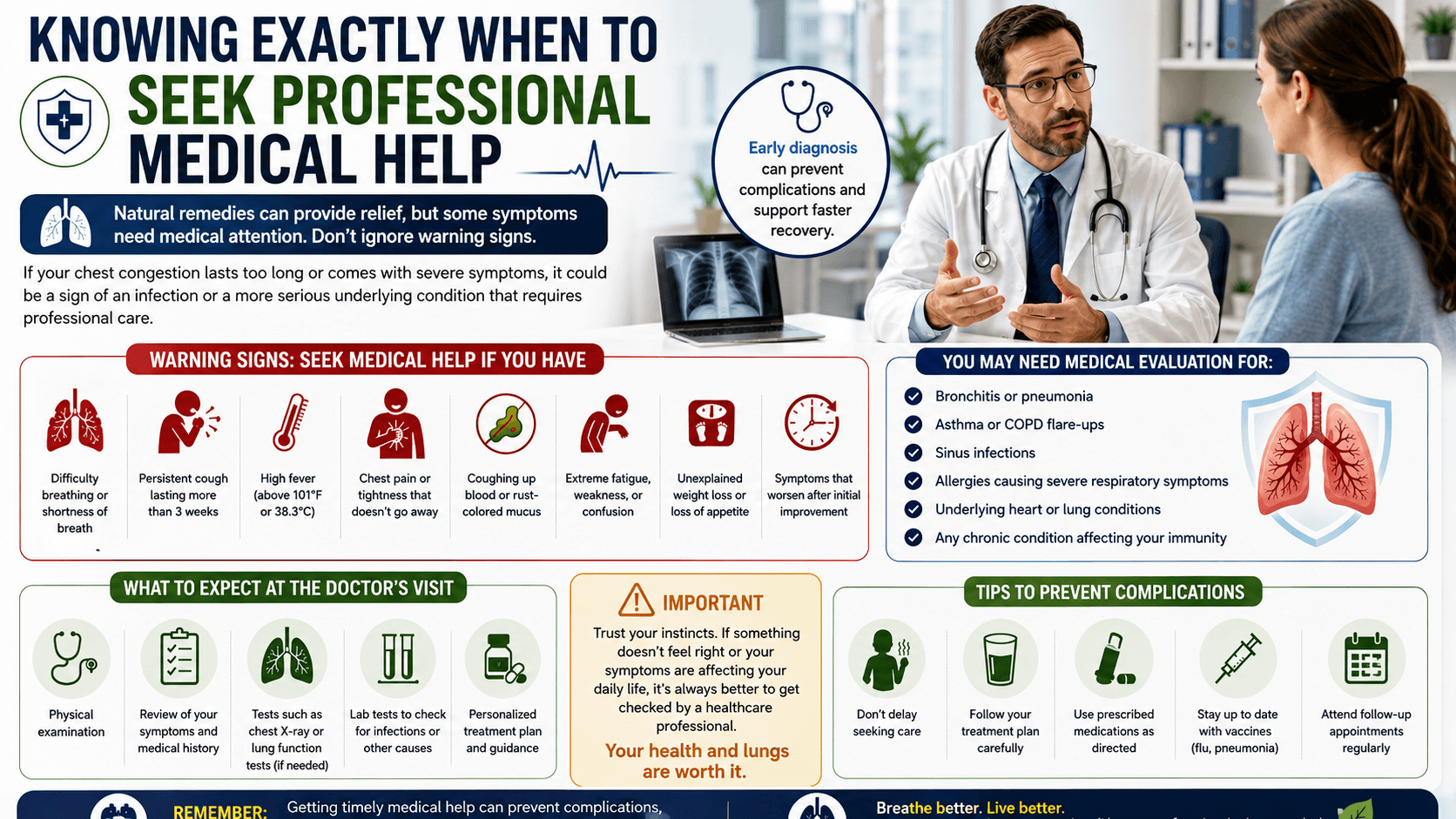
Natural methods may improve comfort during mild respiratory illnesses, but they cannot replace appropriate medical treatment when necessary. Contact a healthcare professional if mucus remains unusually thick, changes color dramatically, or continues for several weeks without improvement. Persistent symptoms sometimes indicate bacterial infections or chronic respiratory conditions requiring further evaluation.
Seek immediate medical attention if you experience severe breathing difficulty, chest pain, confusion, blue lips, or coughing blood. These symptoms may signal serious medical conditions requiring urgent diagnosis and treatment instead of home remedies. Early medical care often prevents complications while improving recovery outcomes for many respiratory illnesses.
People with asthma, chronic obstructive pulmonary disease, weakened immune systems, or other long-term health conditions should seek advice sooner. Older adults, young children, and pregnant individuals also benefit from earlier medical assessment whenever significant respiratory symptoms develop. Prompt evaluation provides reassurance while ensuring potentially serious conditions receive appropriate treatment without unnecessary delays.
Conclusion:
Understanding how to remove mucus from lungs naturally begins with supporting your body’s normal clearing mechanisms through healthy daily habits. Staying hydrated, breathing warm humid air, practicing gentle breathing exercises, and eating nutritious foods may help loosen mucus during mild respiratory illnesses. These practical approaches often improve comfort while supporting your body’s natural recovery process.
Remember that natural remedies work best as supportive care rather than replacements for professional medical treatment. Persistent coughing, worsening breathing problems, or symptoms lasting several weeks always deserve proper medical evaluation. At Freaky Thread, we encourage readers to combine evidence-based home care with timely medical advice to protect long-term lung health and breathe more comfortably every day.


