

Introduction :
A tooth infection can turn an ordinary evening into hours of relentless, exhausting pain. These remedies may temporarily reduce discomfort, but none can reliably cure a dental abscess.
The honest answer matters because untreated infection can spread beyond the affected tooth. Prescription antibiotics alone may not remove bacteria trapped inside damaged dental tissue. Proper treatment usually requires drainage, root canal therapy, deep cleaning, or tooth extraction. This Freaky Thread guide explains safer relief options while helping you recognize urgent warning signs.
Understanding the Agony of a Dental Abscess
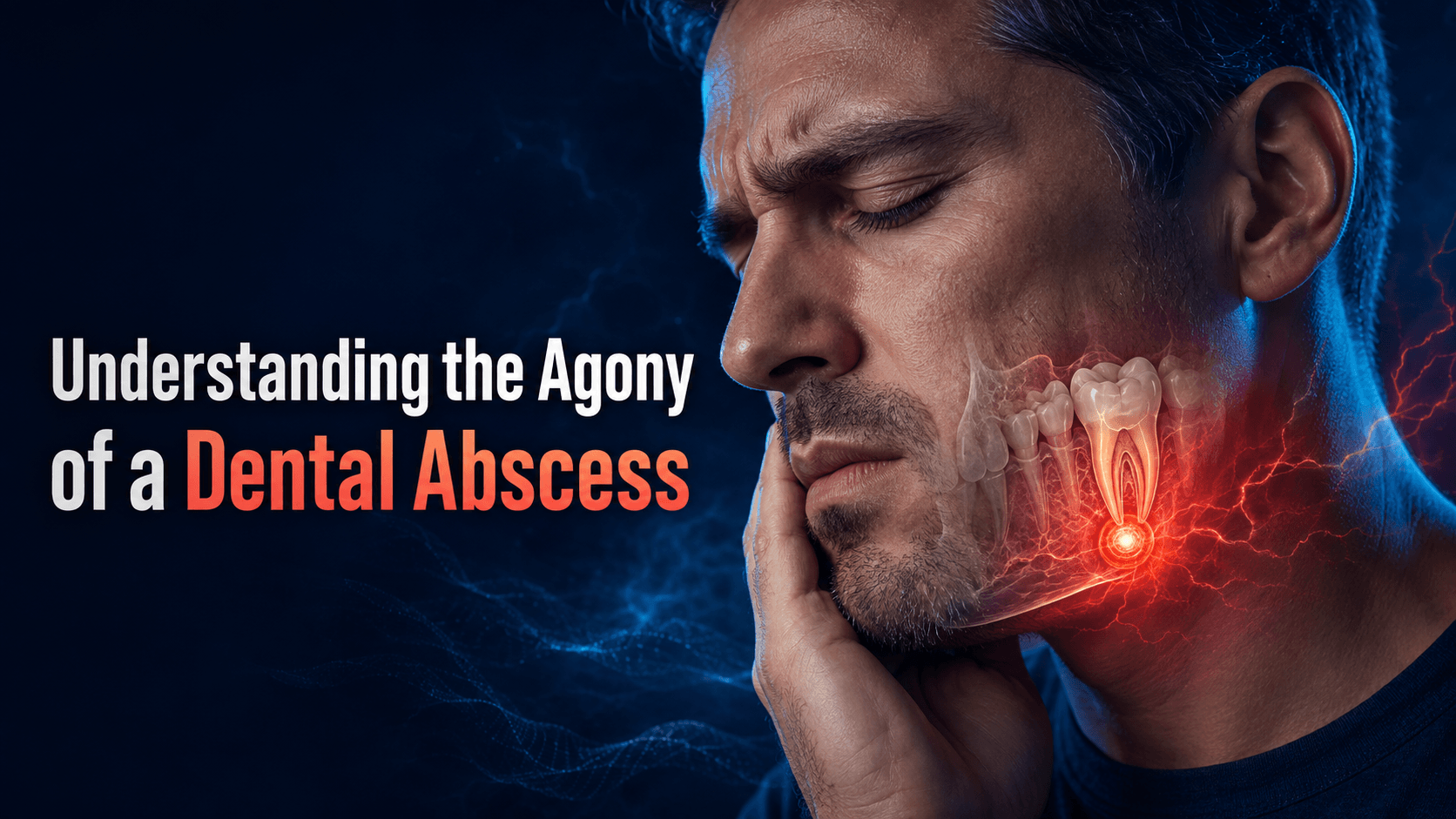
A dental abscess is a pocket of pus caused by bacterial infection.
Why throbbing pain keeps you awake
Abscess pain often pulses because inflammation increases pressure around the tooth and nearby tissues.
Temperature changes may also trigger sharp, shooting pain inside an infected tooth. Avoid chewing on the painful side because pressure can intensify irritated tissues.
Why swollen gums make chewing impossible
Swollen gums may feel tender, stretched, and painful whenever food touches them. You might notice redness, a small bump, facial swelling, or difficulty opening your mouth. A foul taste can appear if pus drains from the infected area.
These symptoms require urgent dental attention rather than prolonged home treatment. A dental abscess will not disappear independently without appropriate professional care. Temporary improvement does not mean the infection has cleared or become harmless.
You may also like:
Garlic as a Powerful Home Remedy
Garlic appears frequently in searches about natural relief because crushed cloves release allicin. Laboratory research suggests allicin has antibacterial activity against several types of microorganisms. However, laboratory activity does not prove garlic can penetrate and cure an abscessed tooth.
What garlic may actually provide
Those effects remain very different from eliminating infection inside dental pulp or jaw tissue.
Garlic should never delay an urgent dental appointment or replace prescribed treatment.
Raw garlic can burn healthy tissue
Raw garlic may cause intense burning, irritation, and chemical injury inside the mouth. Documented cases describe oral mucosal burns after crushed garlic was used for toothache. Stop immediately if any remedy causes burning, whitening, blistering, or worsening pain.
Never pack garlic into a cavity or leave it against swollen tissue. Stronger burning does not indicate stronger antibacterial action or faster healing. Rinse gently with water and contact a dental professional after significant irritation.
You may also like:
Clove Oil for Immediate Pain Relief
Clove oil contains eugenol, which has anesthetic and antimicrobial properties. However, clove oil mainly manages pain and does not remove the infection source.
Why clove oil may calm shooting pain
That temporary effect may help while arranging an urgent dental appointment. It should never create false confidence that the underlying abscess has healed.
Use only a product labeled for oral application, following every manufacturer instruction. Never swallow clove oil because concentrated essential oils can cause serious toxicity.
Undiluted essential oils can damage gums
Applying concentrated clove oil directly may irritate or burn surrounding healthy gums. Research shows high concentrations of eugenol can damage living cells and trigger sensitivity. Concentrated essential oils can also cause serious poisoning when swallowed or misused.
Stop using clove oil when burning, swelling, rash, or breathing difficulty develops. Breathing difficulty requires emergency medical help rather than continued home observation. Keep every essential oil safely away from children and vulnerable adults.
You may also like:
Salt Water Rinses to Draw Out the Infection
Warm salt water is usually the gentlest home option for temporary comfort. However, salt water cannot literally pull infection from inside a tooth root.
A safer rinse for temporary comfort
Mix half a teaspoon of salt into one cup of comfortably warm water. Swish gently for about thirty seconds, then spit everything into the sink.
Repeat the rinse several times daily while awaiting professional dental care during this painful period. Stop if rinsing increases bleeding, pain, irritation, or facial swelling.
Managing unpleasant taste and stubborn swelling
Salt water may temporarily improve the bad taste caused by drainage. Gentle brushing with a soft toothbrush also reduces debris around painful areas. Nevertheless, persistent odor or swelling suggests active infection requiring dental assessment.
A cold compress outside your cheek may reduce swelling and numb discomfort. Wrap the cold pack with cloth and use short sessions safely. Never place aspirin, chemicals, or undiluted peroxide directly against your gums.
You may also like:
Exploring What Is the Strongest Natural Antibiotic for Tooth Infection
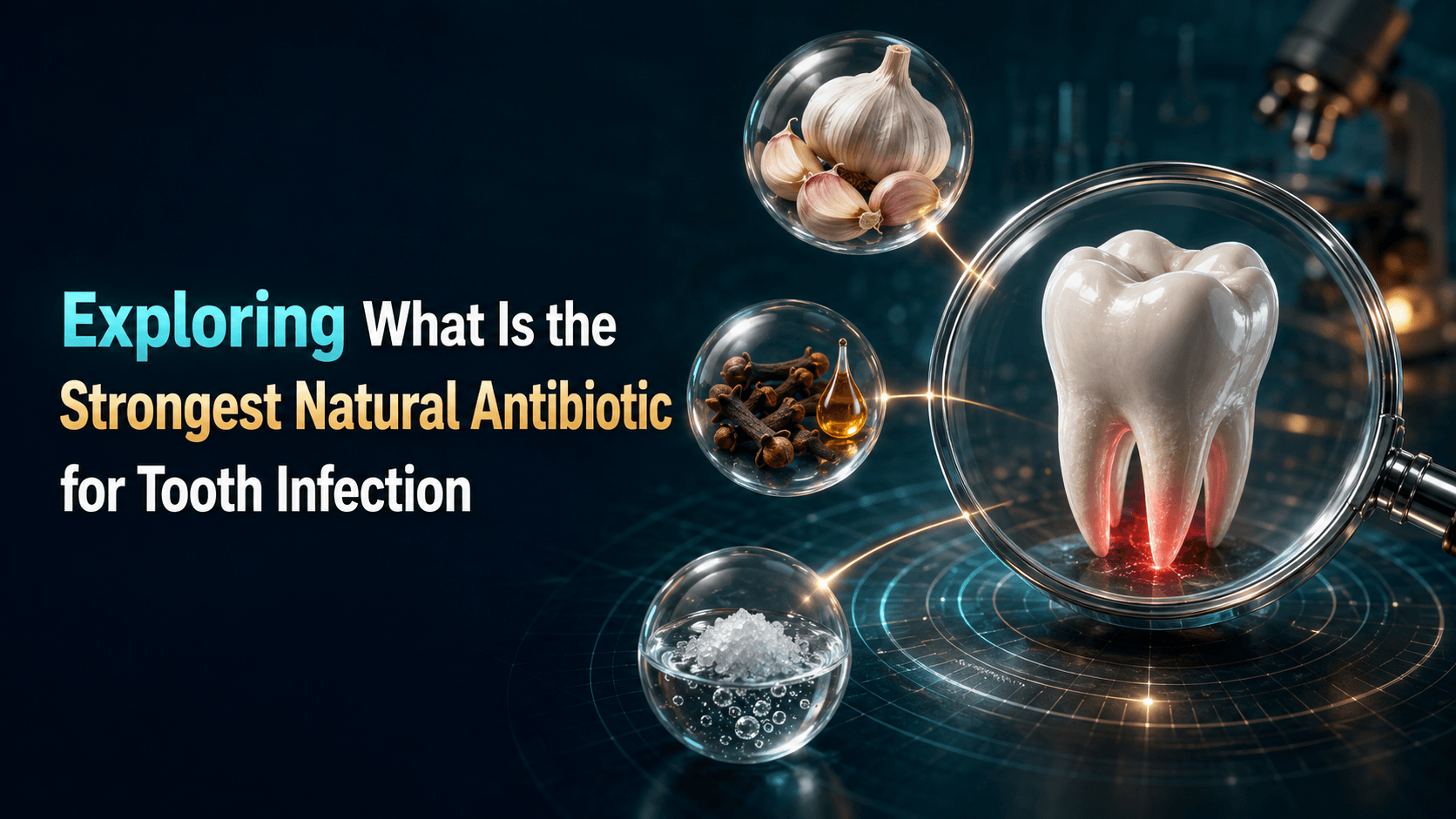
So, what is the strongest natural antibiotic for tooth infection? No natural remedy has reliable clinical evidence for curing a dental abscess. Garlic may affect surface bacteria, clove oil may numb pain, and salt water may clean tissues. None removes infected pulp, drains pus, repairs decay, or stops every spreading infection.
Evidence-based dental guidance prioritizes definitive procedures for most localized dental infections. Dentists may prescribe antibiotics when fever, malaise, spreading infection, or other clinical factors appear. Even prescription antibiotics frequently accompany drainage, root canal treatment, or extraction.
Use this quick comparison while arranging appropriate professional care:
- Garlic has laboratory antibacterial activity, but direct application can burn oral tissues.
- Clove oil may briefly numb pain, but concentrated products can irritate gums.
- Warm salt water gently cleans tissues, but cannot reach infection inside roots.
- Cold compresses reduce swelling temporarily, but they cannot eliminate bacterial infection.
- Dental treatment addresses the source through drainage, restoration, root canal, or extraction.
The fastest safe option is contacting an emergency dentist and describing every symptom. Mention fever, facial swelling, drainage, swallowing difficulty, allergies, pregnancy, and current medications. Those details help the dental team decide how urgently you need treatment.
You may also like:
When Natural Home Remedies Are Not Enough
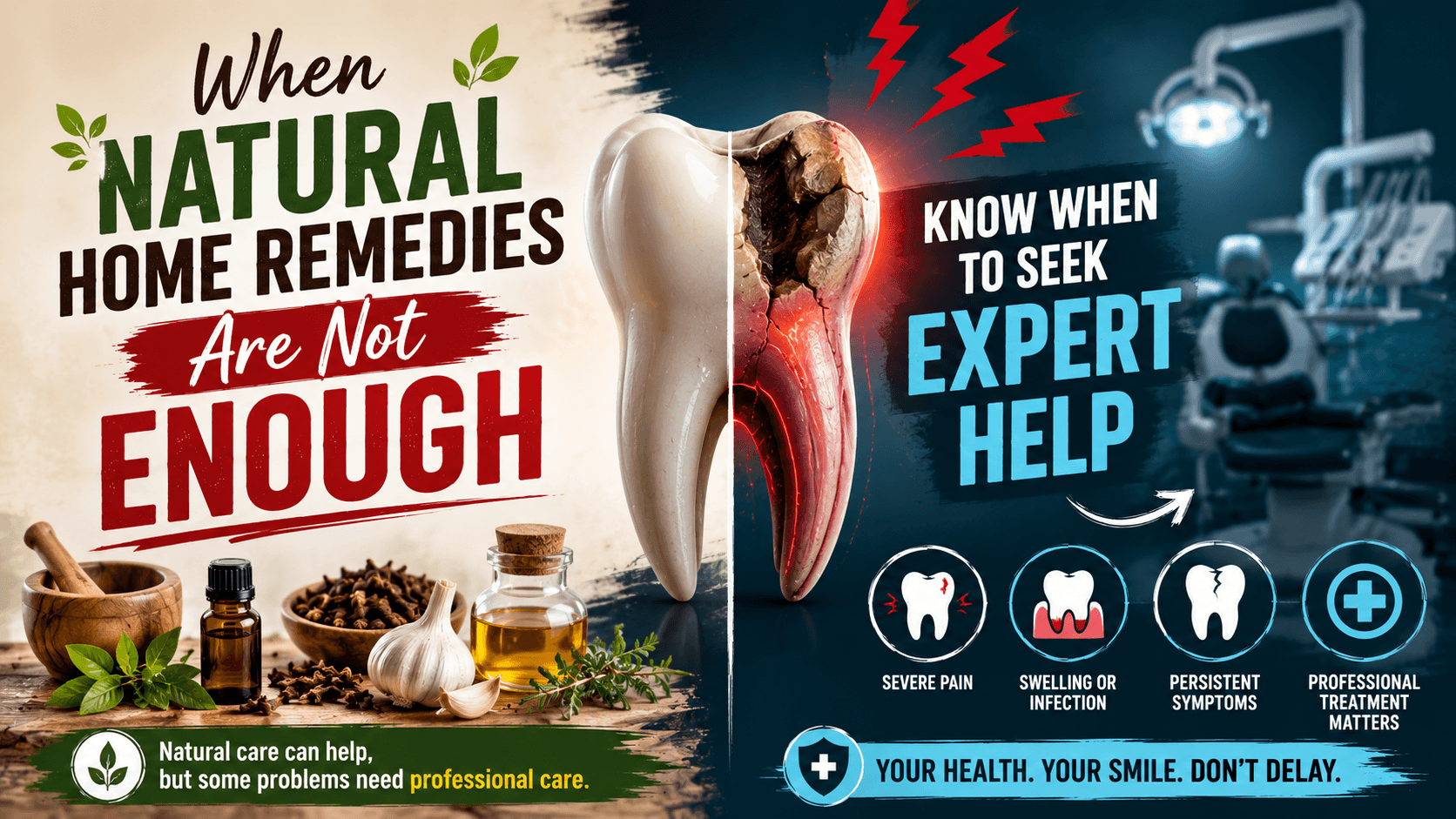
Natural remedies are never enough when symptoms suggest infection is spreading.
Warning signs requiring urgent help
Seek urgent dental care when severe pain, gum swelling, or fever develops. Contact emergency medical services immediately when any following danger sign appears:
- Facial swelling is rapidly increasing around your jaw, eye, mouth, or neck.
- Breathing, speaking, or swallowing becomes difficult because swelling restricts normal movement.
- Fever, confusion, severe weakness, or worsening illness accompanies the dental pain.
- Your eye becomes swollen, painful, or affected by sudden vision changes.
- You cannot open your mouth normally because swelling and pain are progressing.
These symptoms can indicate a spreading infection that threatens important facial structures.
What professional treatment may involve
A dentist will examine the tooth, surrounding gums, and facial swelling carefully. Dental X-rays may identify decay, bone involvement, or infection around the root. Treatment may involve draining pus, cleaning infected canals, restoring the tooth, or extraction.
Antibiotics are selected according to infection severity, medical history, allergies, and spread. Never use leftover antibiotics or another person’s medication for dental pain. Incorrect treatment may cause side effects while allowing the original problem to worsen.
Managing dental costs
Contact several local dental offices and explain that you may have an abscess.
Request an estimated cost before treatment, but never delay during emergency symptoms. Ask whether immediate drainage can control danger before completing restorative treatment.
Prompt treatment can also preserve more tooth structure and reduce later expenses.
Protecting the tooth
Keep the area clean using gentle brushing and careful warm salt water rinses. Choose soft foods and chew away from the painful tooth whenever possible. Avoid extremely hot, cold, sugary, or crunchy foods that trigger sensitivity.
Do not squeeze gum swelling, puncture an abscess, or attempt homemade drainage. These actions can injure tissue and push bacteria toward deeper spaces.
You may also like:
Final Thoughts
Salt water is generally gentler, while carefully labeled clove products may briefly reduce pain.
Most importantly, no natural antibiotic can reliably cure an abscessed tooth. Professional treatment removes the infection source and helps prevent dangerous spread. Freaky Thread encourages informed relief choices, but urgent


