

Table of Contents:
- Introduction
- What Are Chest Stretches?
- Benefits of Chest Stretches
- How to Stretch Chest Muscles Properly
- 7 Best Chest Stretches for Flexibility and Mobility
- Why Does My Chest Crack When I Stretch?
- Should You Worry About Chest Cracking During Stretching?
- How Often Should You Perform Chest Stretches?
- Common Chest Stretching Mistakes to Avoid
- Conclusion
Introduction:
Chest tightness is a common issue that affects many people because of long sitting hours, poor posture, exercise routines, and daily activities. When the chest muscles become stiff, they can limit shoulder movement and create discomfort during normal movements. Regular chest stretches can help improve flexibility, support better posture, and reduce tension around the upper body.
Many people also have questions about how to stretch chest muscles properly and whether unusual sounds during stretching are normal. Understanding the correct techniques can help you improve mobility without putting unnecessary stress on your body. This guide on Freaky Thread explains effective chest stretches, their benefits, and why cracking sounds may happen during movement.
Stretching the chest regularly is not only useful for athletes but also for people who spend most of their day sitting. Simple movements can help open the front of the body and encourage healthier shoulder positioning. With consistent practice, these exercises can become an important part of your daily mobility routine.
What Are Chest Stretches?
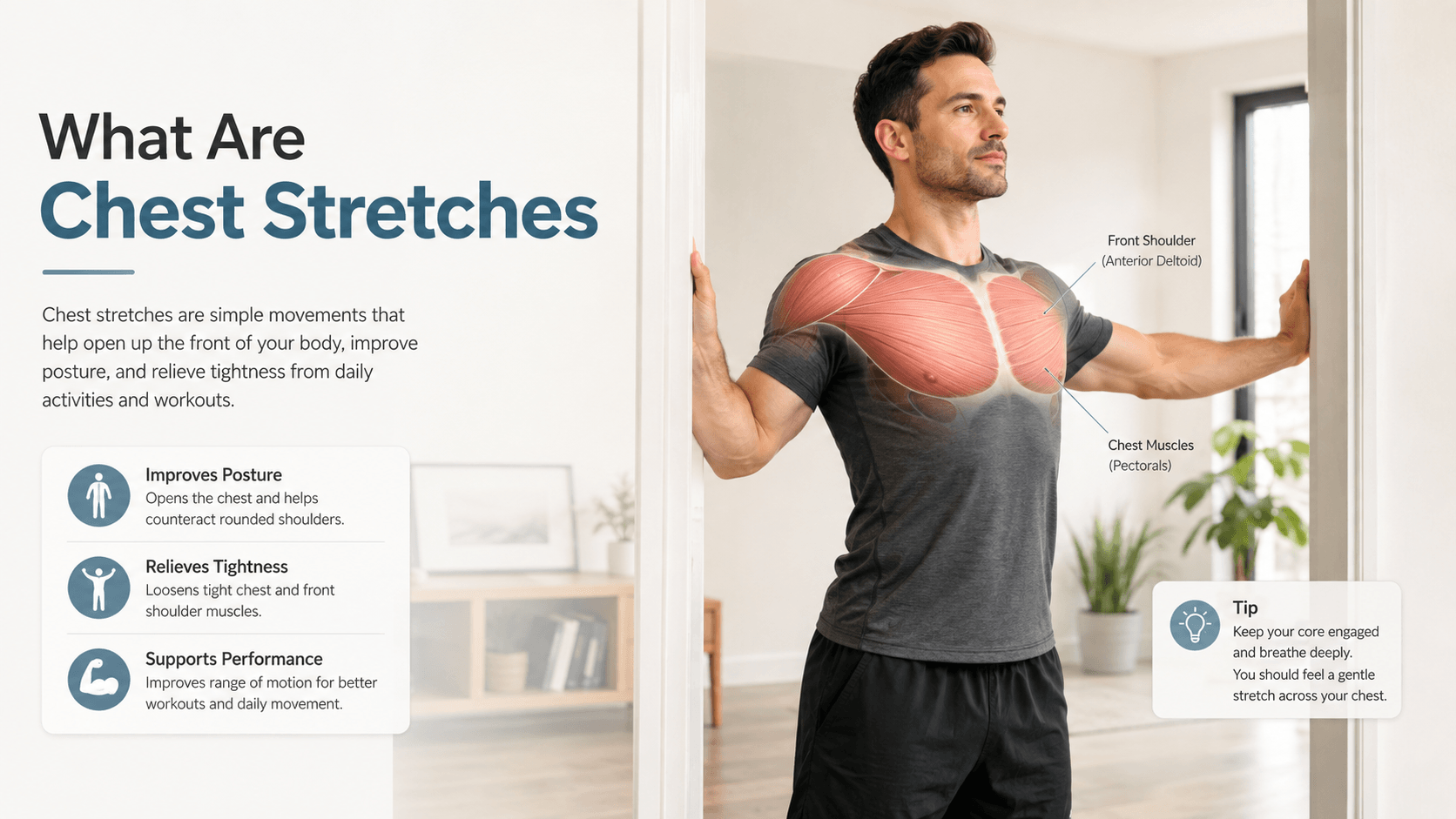
Chest stretches are movements that help lengthen and relax the muscles located across the front area of your chest. The primary muscles involved are the pectoralis major and pectoralis minor, which play an important role in arm movement and shoulder stability. When these muscles become tight, they can affect how your shoulders and upper body move.
Many lifestyle habits can contribute to tight chest muscles over time. Working at a computer, using smartphones frequently, and sitting with rounded shoulders can shorten these muscles. This tightness may pull the shoulders forward and create an uneven balance between the chest and upper back muscles.
Including chest stretches in your routine can improve flexibility and help your body maintain better movement patterns. These stretches are simple enough for beginners and can be performed at home without expensive equipment. They focus on improving mobility rather than increasing muscle strength.
Benefits of Chest Stretches:

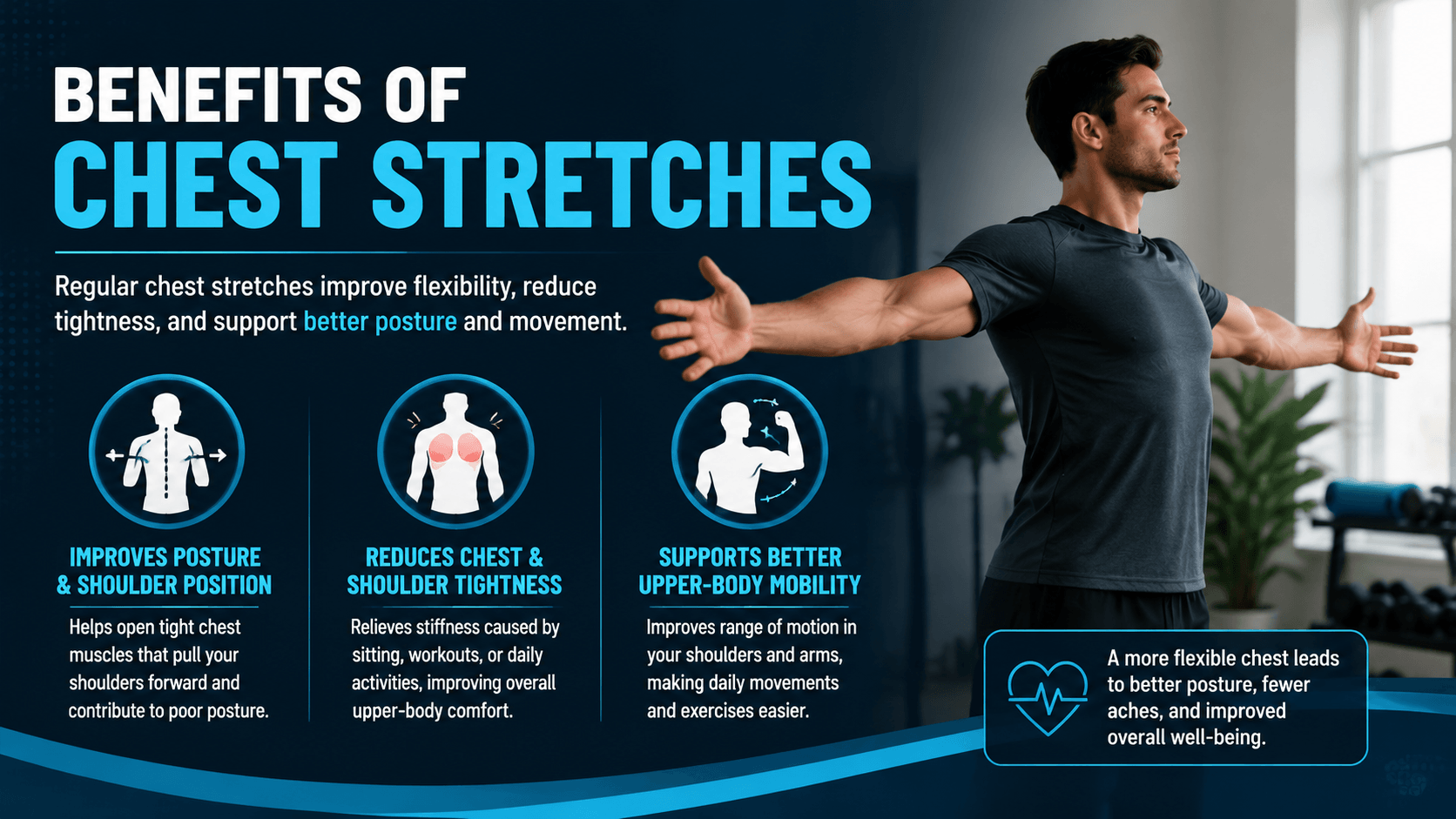
One of the biggest benefits of chest stretches is their ability to support better posture. Tight chest muscles often encourage the shoulders to move forward, which can create a rounded upper-body position. Stretching helps open the chest area and allows the shoulders to return to a more natural position.
Chest stretching can also reduce stiffness caused by daily activities and exercise. People who perform pushing movements, weight training, or repetitive upper-body activities may experience tightness around the chest and shoulders. Gentle stretching can help relax these areas and improve comfort.
Another advantage of regular chest stretches is improved upper-body mobility. Flexible chest muscles allow your arms and shoulders to move through a wider range of motion. Better mobility can make everyday tasks easier and support more efficient exercise performance.
How to Stretch Chest Muscles Properly:
Many beginners wonder how to stretch chest muscles safely without causing discomfort. The most important step is performing every movement slowly and maintaining proper body control. Stretching should create gentle tension in the muscles but should never cause sharp pain.
Before starting chest stretches, it is helpful to warm your body with light movement. A short walk, arm circles, or gentle mobility exercises can prepare your muscles. Warm muscles usually move more comfortably and respond better to stretching.
When performing a stretch, maintain steady breathing and avoid sudden movements. Hold each position for around 15 to 30 seconds while keeping your body relaxed. Regular practice is more effective than forcing a deep stretch occasionally.
7 Best Chest Stretches for Flexibility and Mobility:

Doorway Chest Stretch:
The doorway chest stretch is one of the easiest exercises for improving chest flexibility. It requires no special equipment and can be performed almost anywhere. This stretch mainly targets the pectoral muscles while helping open the front of your shoulders.
To perform this stretch, stand inside a doorway and place your forearms against the frame. Slowly move your body forward until you feel a comfortable stretch across your chest. Keep your back straight and avoid pushing too aggressively.
This exercise is especially useful for people who spend long hours sitting. Performing it regularly can help reduce stiffness caused by poor posture. It is a beginner-friendly option for anyone starting a chest stretching routine.
Standing Chest Stretch:
The standing chest stretch is another simple movement that can improve flexibility. It can easily be added to your morning routine or performed during short breaks throughout the day. This exercise focuses on opening the chest while encouraging better shoulder alignment.
Stand upright and place your hands behind your back. Slowly pull your shoulders backward while lifting your chest slightly forward. Maintain a relaxed posture and avoid creating excessive tension in your neck.
This stretch works well for people who experience chest tightness from desk work. It helps counter the forward shoulder position that often develops from prolonged sitting. Regular practice can improve overall upper-body comfort.
Wall Chest Stretch:
The wall chest stretch allows you to focus on one side of your chest at a time. This can be useful if one side feels tighter than the other. The controlled movement helps improve flexibility while maintaining proper alignment.
Place one hand against a wall with your arm extended. Slowly rotate your body away from the wall until you feel a stretch across your chest and shoulder area. Hold the position before repeating on the opposite side.
This stretch is simple but effective for improving chest mobility. It can be performed at home, in the office, or before workouts. Maintaining control during the movement is important for avoiding unnecessary strain.
Bent Arm Wall Stretch:
The bent arm wall stretch targets the chest and front shoulder muscles. It is similar to the wall stretch but uses a bent elbow position for a slightly different muscle focus. This variation can help people who experience upper-body stiffness.
Place your bent arm against the wall with your elbow positioned around shoulder height. Slowly turn your body away from the wall while keeping your arm stable. You should feel a gentle opening across your chest.
This stretch should always be performed with controlled movement. Avoid forcing your shoulder backward because excessive pressure can create discomfort. A gentle approach provides better long-term flexibility benefits.
Floor Chest Stretch:
The floor chest stretch allows your body to relax while creating a gentle opening through the chest area. It can also encourage improved movement through the shoulders and upper back. This makes it useful for people with general upper-body stiffness.
To perform this stretch, lie on your stomach and extend one arm outward. Slowly rotate your body away from the extended arm while keeping the movement comfortable. Repeat the same process on the opposite side.
This exercise is helpful because the floor provides stability during stretching. It allows you to focus on relaxing your muscles without needing to maintain balance. Performing it regularly may improve chest flexibility over time.
Stability Ball Chest Stretch:
A stability ball chest stretch can provide a deeper chest-opening movement. The curved surface allows your upper body to extend naturally while supporting your back. This stretch is often used by people who already have some stretching experience.
Sit on the stability ball and slowly lean backward while keeping your body supported. Allow your arms to open outward as your chest expands. Maintain control throughout the movement to avoid overstretching.
This variation can improve flexibility in the chest and shoulders. However, beginners should start with simpler stretches before attempting deeper movements. Proper technique is more important than stretching intensity.
Behind-the-Back Chest Stretch:
The behind-the-back chest stretch combines shoulder movement with chest opening. It helps improve flexibility in the front part of the upper body. This stretch can be useful before or after activities involving arm movements.
Stand upright and place your hands behind your back. Slowly move your shoulders backward while keeping your chest lifted. Hold the position comfortably while breathing normally.
This stretch requires some shoulder mobility, so it should be performed carefully. Avoid forcing your arms into a position that feels uncomfortable. Consistent practice can gradually improve flexibility.
Why Does My Chest Crack When I Stretch?

Many people ask, why does my chest crack when I stretch, especially when they hear popping or clicking sounds during movement. In many cases, these sounds are harmless and happen because of normal changes inside joints and tissues.
One common explanation is the release of gas bubbles inside joints. This process is similar to the cracking sound that occurs when people pop their fingers. The sound itself does not always indicate a problem.
Another possible reason involves tendons or ligaments moving over nearby structures. These tissues can sometimes create sounds as they change position during stretching. Muscle stiffness may also make these sensations more noticeable.
Should You Worry About Chest Cracking During Stretching?

Many people ask, why does my chest crack when I stretch, especially when they hear popping or clicking sounds during movement. In many cases, these sounds are harmless and happen because of normal changes inside joints and tissues.
One common explanation is the release of gas bubbles inside joints. This process is similar to the cracking sound that occurs when people pop their fingers. The sound itself does not always indicate a problem.
Another possible reason involves tendons or ligaments moving over nearby structures. These tissues can sometimes create sounds as they change position during stretching. Muscle stiffness may also make these sensations more noticeable.
How Often Should You Perform Chest Stretches?
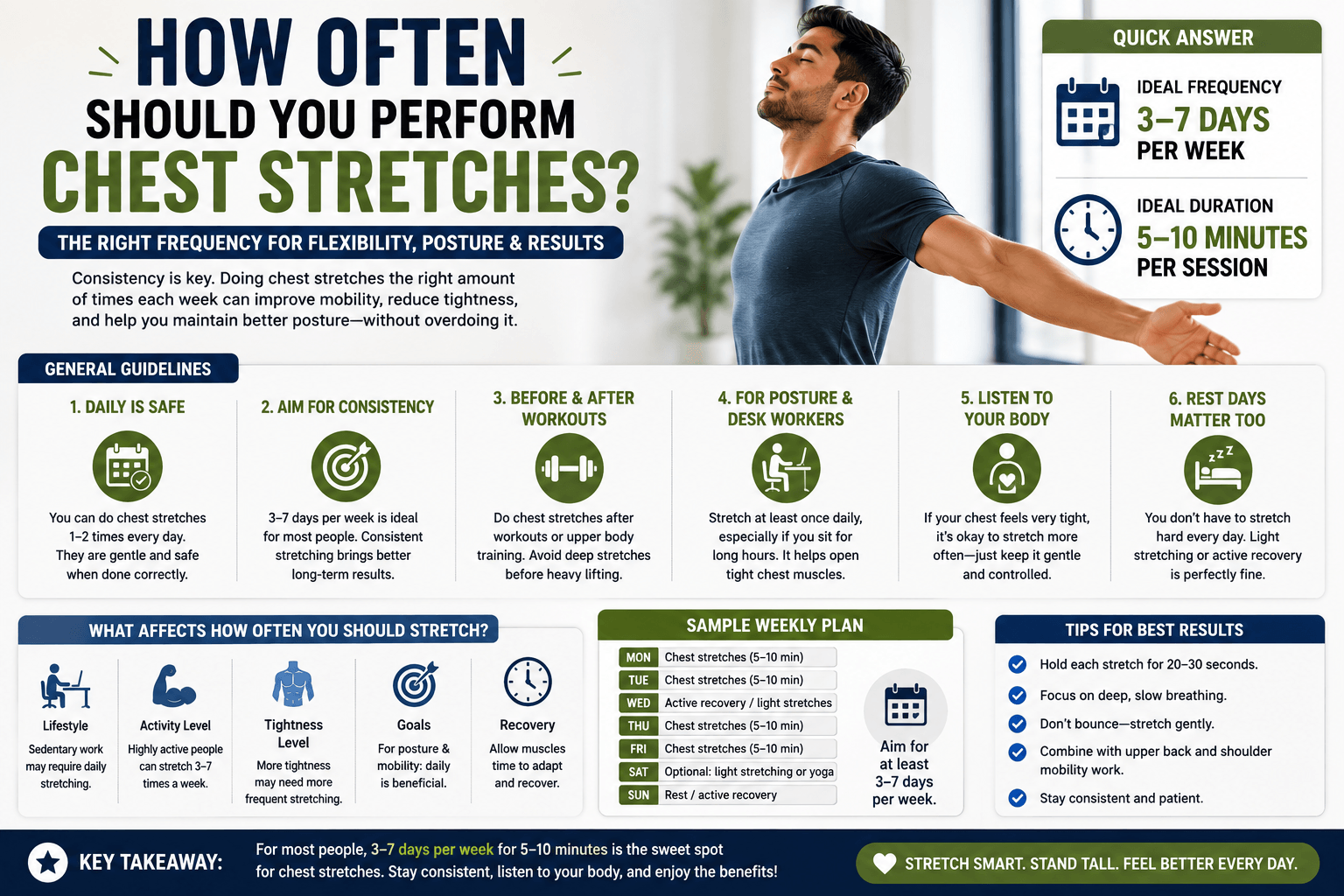
The frequency of chest stretches depends on your goals and daily routine. People with desk jobs may benefit from short stretching sessions throughout the day. Regular movement breaks can help reduce stiffness caused by prolonged sitting.
Athletes and active individuals may include chest stretches before or after workouts. Dynamic movements are often useful before exercise, while slower stretches can help after physical activity. Choosing the right timing can improve comfort and mobility.
Consistency is the most important factor when improving flexibility. Gentle stretching performed regularly usually provides better results than occasional intense sessions. Building a simple routine makes it easier to maintain long-term benefits.
Common Chest Stretching Mistakes to Avoid:

Many people make mistakes that reduce the effectiveness of their stretching routine. Stretching too aggressively is one of the most common problems. Flexibility improves gradually, so forcing movement can create unnecessary stress.
Another mistake is holding your breath during stretches. Proper breathing helps your muscles relax and allows smoother movement. Staying relaxed can make each stretch more comfortable and effective.
People should also avoid stretching without warming up their body. Cold muscles may feel tighter and may not move as freely. Preparing your body first can create a safer stretching experience.
Conclusion:
Chest stretches are simple but effective exercises that can improve flexibility, posture, and upper-body movement. Learning how to stretch chest correctly allows you to reduce tightness while protecting your muscles from unnecessary strain. These movements are suitable for beginners, athletes, and anyone dealing with daily stiffness.
Understanding questions like why do my chest crack when i stretch can also help you feel more confident during your routine. Occasional sounds without pain are often normal, but discomfort should always be taken seriously. Safe and consistent stretching is the best approach for improving mobility.
For more practical fitness and lifestyle information, Freaky Thread provides helpful guides designed to support healthier daily habits. By adding regular chest stretches to your routine, you can improve movement quality and maintain better upper-body flexibility over time.


