
Introduction:
Winter can be harsh on your lips because cold air, dry winds, and low humidity remove natural moisture from the skin. Many commercial lip balms provide temporary comfort but often require constant reapplication without solving the real dryness problem.
Learning how to make natural lip balm at home gives you control over the ingredients and allows you to create a formula that suits your personal needs. Natural oils, plant-based butters, and waxes can help protect your lips while providing long-lasting hydration.
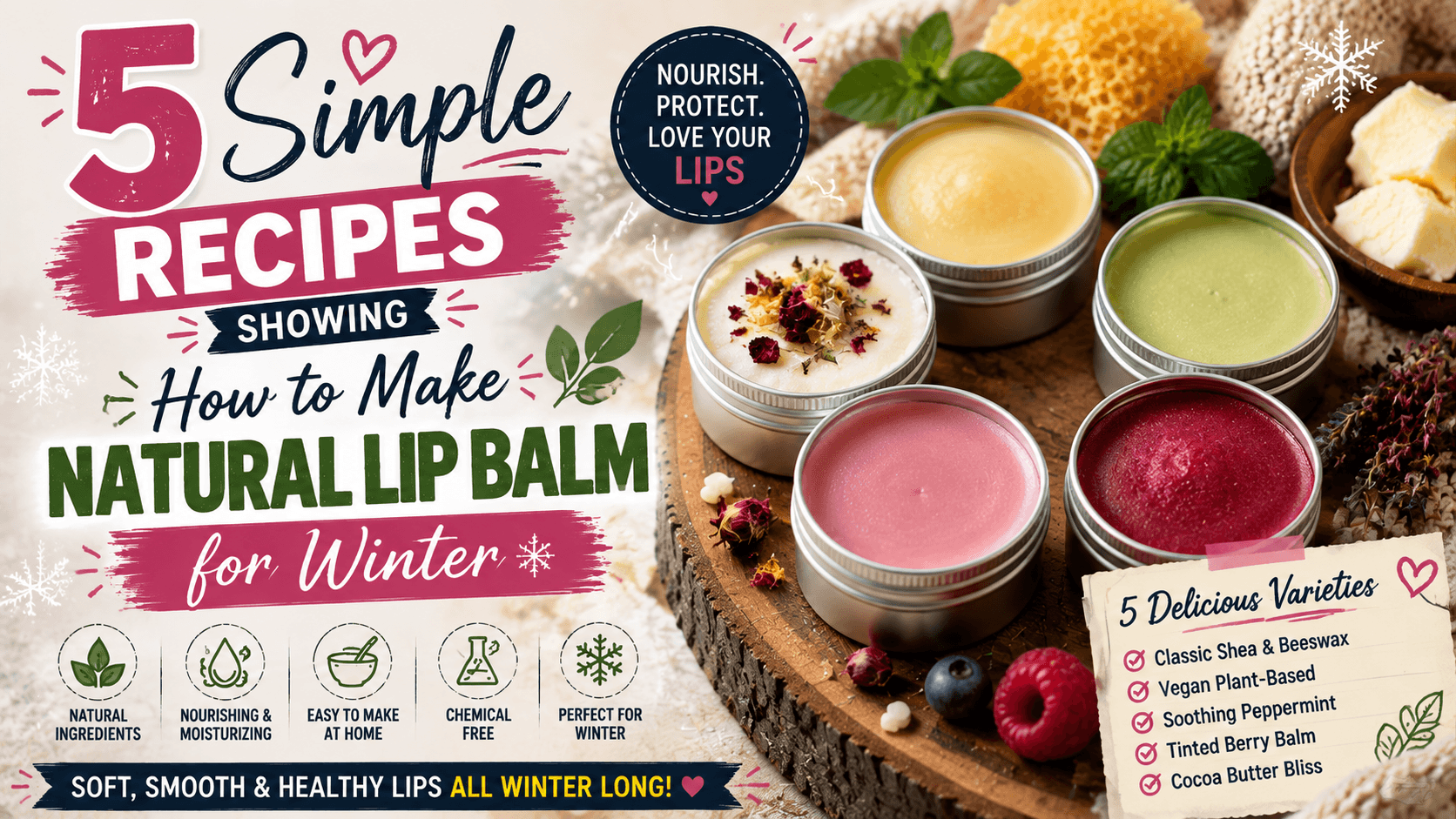
Homemade lip balm recipes are also affordable, customizable, and easy to prepare with simple ingredients. Whether you prefer a classic beeswax formula, a vegan alternative, or a tinted version, these recipes can help maintain soft and healthy lips throughout winter.
For readers exploring creative self-care ideas, Freaky Thread shares practical lifestyle inspiration that helps people discover simple solutions for everyday challenges.
The Winter Lip Care Struggle and Your Natural Solution

Cold weather often creates a frustrating cycle of dry, cracked, and peeling lips. Strong winds and low temperatures weaken the skin barrier, causing moisture to escape more quickly than normal.
Many people experience uncomfortable tightness, rough texture, and painful cracks around the lips during winter months. Applying regular lip products repeatedly may provide short-term relief, but the lips can still feel dry again after a few hours.
Natural lip balm works differently because it focuses on creating a protective barrier while nourishing the delicate skin. Ingredients such as shea butter, coconut oil, cocoa butter, and natural waxes help lock in moisture.
Making your own lip balm allows you to avoid unnecessary additives and choose ingredients based on your preferences. You can create a gentle formula for sensitive lips or a richer blend for extremely dry winter conditions.
A homemade lip balm routine can become an effective part of winter skincare because it combines protection with deep hydration.
You May Also Like
The Classic Beeswax and Shea Butter Base Recipe

A beeswax and shea butter lip balm is one of the most popular homemade formulas because it provides a balanced texture and strong moisture protection.
Beeswax helps create a firm structure while forming a protective layer over the lips. Shea butter adds softness and nourishment because it contains natural fatty acids that support dry skin.
Ingredients Needed for a Basic Natural Lip Balm
For this simple recipe, you will need:
- 2 tablespoons natural beeswax pellets
- 2 tablespoons shea butter
- 2 tablespoons coconut oil
- A few drops of vitamin E oil
The combination creates a smooth lip balm that is not overly greasy when applied correctly. Using high-quality ingredients is important because pure raw materials provide better texture and performance.
Some people avoid homemade balms because they worry about finding good beeswax. However, cosmetic-grade beeswax from trusted sources usually works well for DIY skincare recipes.
How to Prepare the Beeswax Lip Balm
Start by melting beeswax, shea butter, and coconut oil together using a double boiler. This method prevents overheating and helps maintain the natural qualities of the ingredients.
Once everything becomes completely liquid, remove the mixture from heat and add vitamin E oil. Stir carefully before pouring the balm into small containers or tubes.
Allow the mixture to cool completely before using it. The final texture should feel smooth, protective, and easy to spread without leaving a heavy greasy layer.
You May Also Like:
A Vegan Alternative for Plant Based Hydration

Many people prefer plant-based skincare options and want to create a vegan lip balm without using beeswax. Fortunately, natural wax alternatives can provide similar results.
Candelilla wax is one of the most common vegan substitutes because it creates firmness while maintaining a lightweight texture. However, balancing ingredients correctly is important because vegan formulas can become too soft or too hard.
A simple vegan lip balm recipe can include:
- 1 tablespoon candelilla wax
- 2 tablespoons shea butter
- 2 tablespoons almond oil
- 1 teaspoon cocoa butter
The wax should be melted carefully before mixing with oils and butters. The final formula should have enough structure to stay solid at room temperature.
Creating vegan lip balm requires small adjustments because plant waxes behave differently compared to beeswax. Testing small batches helps achieve the perfect consistency.
You May Also Like:
Soothing Peppermint Lip Balm for Severely Chapped Lips

Peppermint lip balm provides a refreshing feeling and can create a cooling sensation on dry lips. However, peppermint essential oil must always be used carefully because excessive amounts may irritate sensitive skin.
For severely chapped lips, the main focus should be repairing moisture balance rather than adding strong fragrances. A gentle formula combines nourishing ingredients with a small amount of peppermint oil.
A soothing peppermint recipe includes:
- 2 tablespoons shea butter
- 1 tablespoon beeswax
- 2 tablespoons jojoba oil
- 2 to 3 drops peppermint essential oil
Jojoba oil is useful because it closely resembles natural skin oils and absorbs easily. Shea butter helps soften damaged areas while beeswax protects the lips from further moisture loss.
Avoid applying peppermint-based products on deeply bleeding cracks because essential oils may cause discomfort. Allow damaged skin to recover before using stronger ingredients.
You May Also Like:
Tinted Berry Lip Balm for a Healthy Pop of Color

A tinted lip balm combines skincare benefits with a natural touch of color. It is a great option for people who want a healthier alternative to traditional lip products.
Natural color can be created using ingredients such as beetroot powder, hibiscus powder, or mineral-based pigments. The key is mixing the color evenly to avoid streaks.
A simple tinted berry lip balm includes:
- 1 tablespoon beeswax
- 2 tablespoons shea butter
- 2 tablespoons coconut oil
- Small amount of natural berry pigment
The pigment should be added gradually while stirring continuously. Adding too much color at once can create uneven distribution.
Using clean containers and careful mixing prevents staining your hands, clothes, and workspace. A properly prepared tinted balm should provide a soft color while maintaining a moisturizing texture.
You May Also Like:
Troubleshooting Your DIY Lip Balm Consistency

Sometimes a homemade lip balm does not turn out exactly as expected. The mixture may become too hard, too soft, or separate after cooling.
If your balm feels too hard, increase the amount of liquid oil slightly during the next batch. Oils such as coconut oil, almond oil, or jojoba oil can help create a smoother texture.
If the balm becomes too soft, adding more beeswax or plant wax can improve firmness. Small adjustments are usually enough to correct the formula.
Separation can happen when ingredients are not mixed properly or when temperatures change quickly. Melting the mixture again and stirring thoroughly can often solve this problem.
Creating natural lip balm requires some experimentation because different ingredients have unique properties.
You May Also Like:
Gifting Your Homemade Lip Care Creations

Homemade lip balm can become a thoughtful personal gift during winter. Custom formulas allow you to create unique products based on different preferences and skin needs.
Simple packaging can make your creation look professional. Small jars, clean labels, and decorative boxes can transform a basic lip balm into a beautiful handmade gift.
When labeling your products, choose waterproof stickers because oily surfaces can cause regular labels to peel away. Allow containers to remain completely clean before applying labels.
You can create seasonal collections with different flavors, colors, and textures. Homemade skincare gifts show creativity while providing something useful and practical.
You may also like:
Conclusion
Learning how to make natural lip balm is a simple way to create personalized winter skincare products using natural ingredients. Homemade formulas allow you to control what goes onto your lips while avoiding unnecessary additives.
From beeswax and shea butter blends to vegan and tinted options, these recipes provide different solutions for dry winter lips. With small adjustments, you can create a lip balm texture and flavor that perfectly matches your needs.
DIY skincare is not only about saving money but also about enjoying a creative process that supports healthier habits. As Freaky Thread continues sharing useful lifestyle ideas, exploring homemade solutions can inspire more mindful and practical choices.
Creating your own natural lip balm can become a rewarding routine that keeps your lips comfortable, hydrated, and protected throughout every winter season.


