
Introduction :
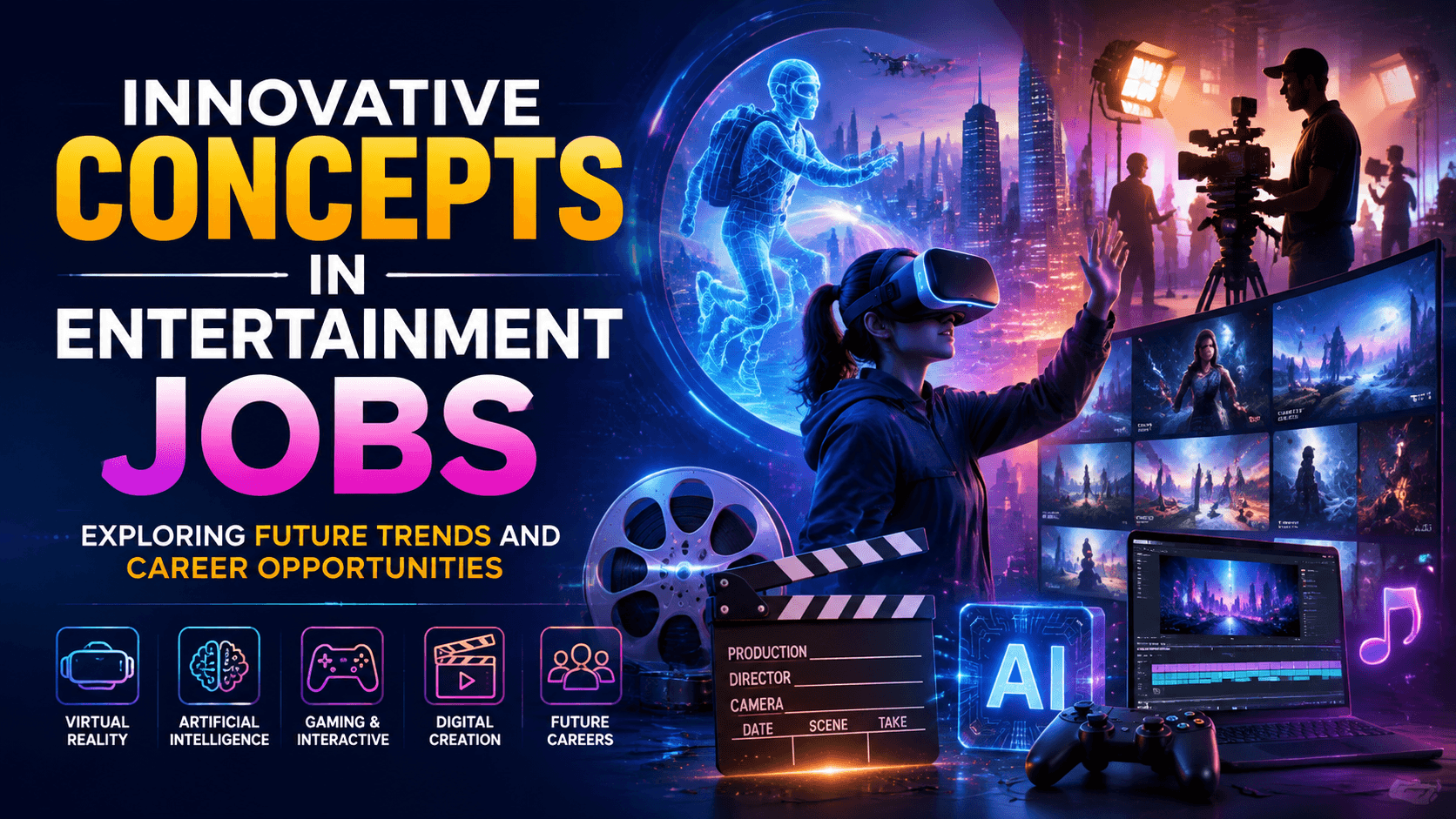
The entertainment industry is entering a new era where creativity and technology are becoming deeply connected. Traditional roles in film, music, gaming, and digital media are changing as audiences demand more interactive and personalized experiences.
Today, professionals are exploring innovative concepts in entertainment jobs that combine storytelling, artificial intelligence, virtual environments, and digital platforms. These developments are creating opportunities for creators who can adapt to modern tools while maintaining their creative vision.
From immersive virtual worlds to AI-assisted production, the future of entertainment careers is expanding beyond traditional boundaries. Professionals who understand these changes can discover new ways to create, connect with audiences, and build sustainable careers.
For creative communities such as Freaky Thread, understanding these emerging trends provides valuable insight into how entertainment careers are evolving in the digital age.
The Shift Toward Immersive and Virtual Environments

Entertainment is moving beyond traditional screens and physical stages into immersive digital environments. Technologies like virtual reality, augmented reality, and extended reality are changing how people experience stories and performances.
Audiences no longer want to only watch content. They want to participate, explore, and feel connected with the experience. This shift is creating demand for professionals who can design interactive worlds, virtual performances, and realistic digital environments.
Actors, directors, writers, and designers are learning how traditional creative skills can be transferred into three-dimensional spaces. A performer who once worked on a physical stage may now create a digital character inside a virtual environment.
The challenge for many professionals is adapting to rapidly changing technology. Virtual production tools, 3D design software, and motion capture systems require new technical knowledge.
However, creativity remains the most important foundation. Technology provides new possibilities, but storytelling, emotional connection, and artistic expression continue to define successful entertainment experiences.
Professionals who combine creative abilities with digital skills will have stronger opportunities in future entertainment jobs.
You May Also Like:
Emerging Roles in Interactive Storytelling

Storytelling is becoming more flexible as audiences expect more control over their entertainment experiences. Interactive storytelling allows viewers to influence characters, events, and outcomes through their choices.
Unlike traditional scripts with one fixed ending, interactive narratives require creators to design multiple possible directions. This approach has created new roles such as narrative designers, interactive writers, and experience creators.
Writers working in this field must think differently because they are not only creating a story. They are building an entire system of possible experiences.
Interactive storytelling is becoming popular in gaming, streaming experiences, virtual reality projects, and digital entertainment platforms. These formats allow audiences to feel personally connected because their decisions influence the journey.
Another major change is the rise of audience-driven content. Creators can now receive instant feedback through social platforms and adjust their projects according to audience reactions.
This connection between creators and audiences is transforming entertainment production. Future professionals will need to understand both storytelling techniques and audience behavior.
The ability to create flexible narratives will become one of the most valuable skills in modern entertainment careers.
You May Also Like:
Monetization Strategies for Digital Creators

The growth of digital platforms has created opportunities for independent creators around the world. However, many professionals still struggle with unstable income because they depend heavily on advertising revenue.
The modern creator economy is introducing new monetization strategies that allow entertainers to build stronger financial foundations.
Creators are exploring options such as memberships, exclusive content, digital products, fan communities, and direct audience support. These approaches help professionals create sustainable businesses around their creative work.
Building Sustainable Creator Businesses
Successful digital creators are no longer focusing only on producing content. They are developing personal brands and building long-term relationships with their audiences.
A filmmaker, writer, musician, or entertainer can now create a dedicated community without depending completely on traditional entertainment companies.
This change has made business knowledge an important part of entertainment careers. Understanding marketing, audience engagement, and digital distribution can help creators grow beyond individual projects.
Independent professionals who combine creativity with smart monetization strategies can build more stable careers in the changing entertainment landscape.
You May Also Like:
Artificial Intelligence as a Collaborative Tool

Artificial intelligence is one of the biggest technological developments influencing entertainment careers. While some professionals worry that automation may replace creative roles, many creators are discovering AI as a supportive tool.
AI can assist with brainstorming ideas, organizing production workflows, improving editing processes, and generating creative possibilities. It allows professionals to complete repetitive tasks faster while focusing more on artistic decisions.
The future of entertainment is unlikely to depend on humans competing against artificial intelligence. Instead, successful creators will learn how to collaborate with AI effectively.
Improving Creative Workflows With AI
Entertainment professionals are increasingly using AI tools during different stages of production. Writers can explore ideas, designers can experiment with concepts, and producers can improve planning processes.
One important skill emerging from this change is prompt engineering. Creators who understand how to communicate effectively with AI systems can achieve better results.
Learning how to guide AI tools will become an advantage for professionals working in film, gaming, animation, and digital media.
Human creativity remains essential because emotions, originality, and meaningful storytelling cannot be fully automated.
You May Also Like:
Bridging the Gap Between Gaming and Cinema

Gaming and cinema are becoming increasingly connected. Modern games now include cinematic storytelling, realistic characters, and emotional experiences similar to films.
At the same time, filmmakers are using gaming technologies to create visual effects, virtual environments, and digital production spaces.
This connection is creating new career opportunities for professionals who understand both industries.
Game engines such as Unreal Engine and Unity are becoming valuable tools beyond traditional game development. They are now used for virtual filmmaking, interactive experiences, and digital storytelling projects.
Learning Skills for Interactive Entertainment
Professionals entering this field benefit from understanding game design principles, real-time rendering, and interactive environments.
A filmmaker may need to understand how audiences interact with digital worlds. A game designer may need stronger storytelling skills to create emotionally engaging experiences.
The combination of gaming technology and cinematic techniques represents one of the most exciting developments in innovative concepts in entertainment jobs.
Future creators will increasingly work across multiple entertainment industries instead of staying within one traditional category.
You May Also Like:
Navigating Freelance Uncertainty in Niche Markets

The digital revolution has expanded freelance opportunities for entertainment professionals. Writers, editors, designers, animators, and content creators can now work with clients worldwide.
However, freelance entertainment careers also bring challenges. Many professionals struggle with inconsistent projects, global competition, and the pressure to continuously improve their skills.
Building a successful freelance career requires more than creative talent. Professionals need strong portfolios, networking abilities, and specialized expertise.
Remote entertainment jobs are becoming more common because companies can access global talent without geographical limitations.
Creators who develop unique skills and create recognizable personal brands have better chances of standing out in competitive markets.
The future of freelance entertainment will reward professionals who remain adaptable and continue learning new technologies.
You May Also Like:
The Future of Entertainment Careers

The entertainment industry will continue evolving as technology creates new possibilities for creators and audiences. Virtual reality, artificial intelligence, interactive storytelling, and gaming technologies are reshaping traditional career paths.
Innovative concepts in entertainment jobs are creating opportunities for people who can combine imagination with modern digital skills.
Future entertainment professionals will not only create movies, games, or performances. They will design complete experiences that connect audiences with stories in new ways.
The most successful creators will be those who embrace innovation while protecting the human creativity that makes entertainment meaningful.
As the industry continues changing, adaptability, curiosity, and continuous learning will become the foundation of long-term success in entertainment careers.
You may also like:
Conclusion
The future of entertainment jobs is being shaped by a powerful combination of creativity, technology, and changing audience expectations. From immersive virtual environments and interactive storytelling to AI collaboration and digital entrepreneurship, new opportunities are emerging for professionals who are ready to adapt.
As discussed on Freaky Thread, understanding these innovative concepts in entertainment jobs helps creators recognize the skills and technologies that will influence the next generation of entertainment careers. The industry is moving toward experiences that combine human imagination with advanced digital tools.
The future will belong to professionals who continue learning, experiment with new creative methods, and use technology as a partner rather than a replacement. By embracing innovation while protecting originality and emotional storytelling, creators can build successful careers in the rapidly changing entertainment landscape.


