Table of Contents:
Introduction:
If you have ever shopped for bedding, you may have wondered what a duvet cover actually does. The terms duvet, duvet insert, and comforter can easily become confusing for beginners. However, each piece has a slightly different purpose in your bedding setup. A duvet cover is essentially a removable fabric layer surrounding a duvet insert. It protects the insert while also changing the appearance and feel of your bed.
For readers of Freaky Thread, understanding these bedding basics can make shopping easier. A duvet cover can also simplify regular bedding care and bedroom styling. In this guide, we will explain what duvet covers are and how they work. We will also compare them with comforters and discuss popular cover materials.
What Is a Duvet Cover?
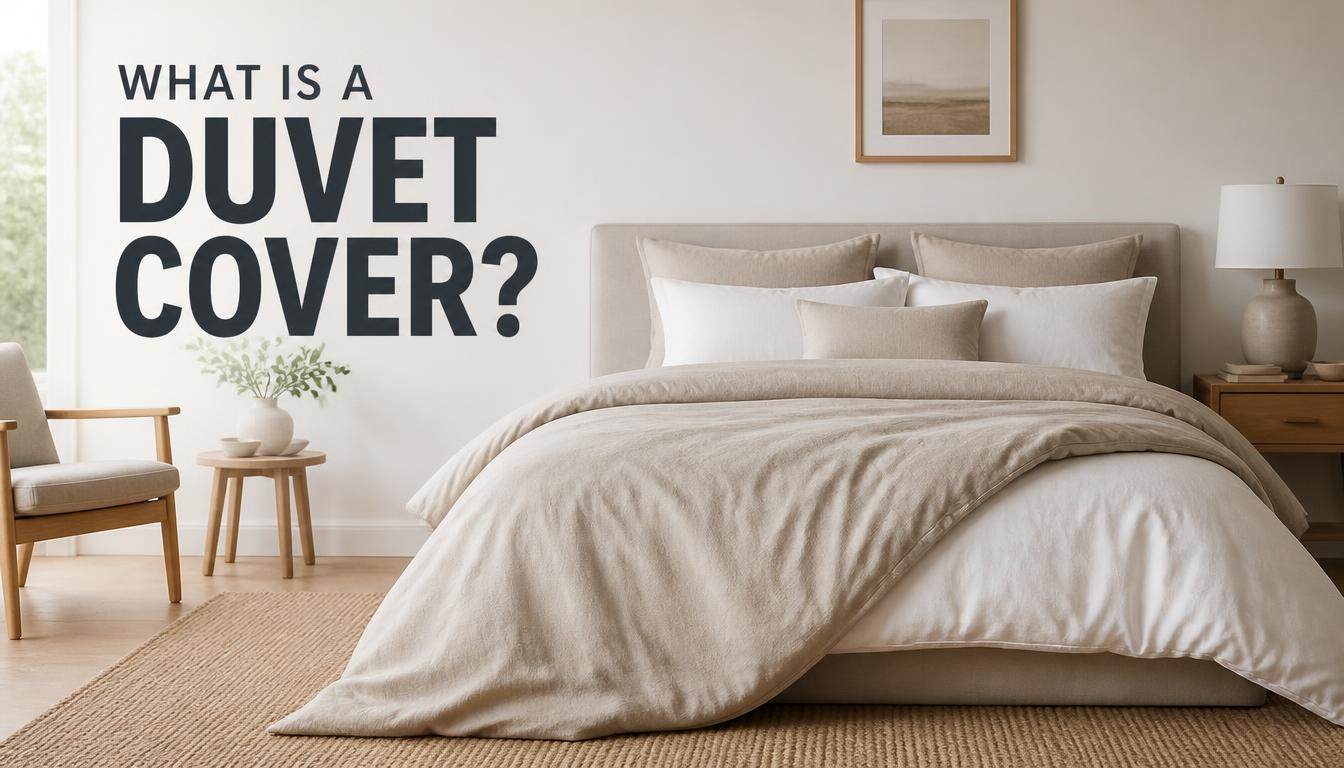
A duvet cover is a removable fabric covering designed to surround a duvet insert. Think of it as a large pillowcase that fits around your bedding insert. Most duvet covers have closures that help keep the insert securely inside. Common closures include buttons, snaps, ties, and zippers.
The duvet insert provides insulation, while the cover provides protection and style. This simple two-piece design gives you more flexibility than many traditional bedding options. You can remove the cover without replacing the entire duvet insert. That makes it easier to wash the outer layer regularly.
Duvet covers also come in many colors, patterns, textures, and fabrics. Therefore, changing your bedroom style does not require buying another duvet insert. You can simply replace the existing cover with another design. This makes duvet covers useful for people who enjoy changing their bedroom appearance.
It is also important to understand that a duvet cover is not the same thing as a duvet. The duvet insert is the warm, filled component placed inside the cover. The cover surrounds that insert and creates a washable outer layer.
What Is a Duvet Cover Used For?
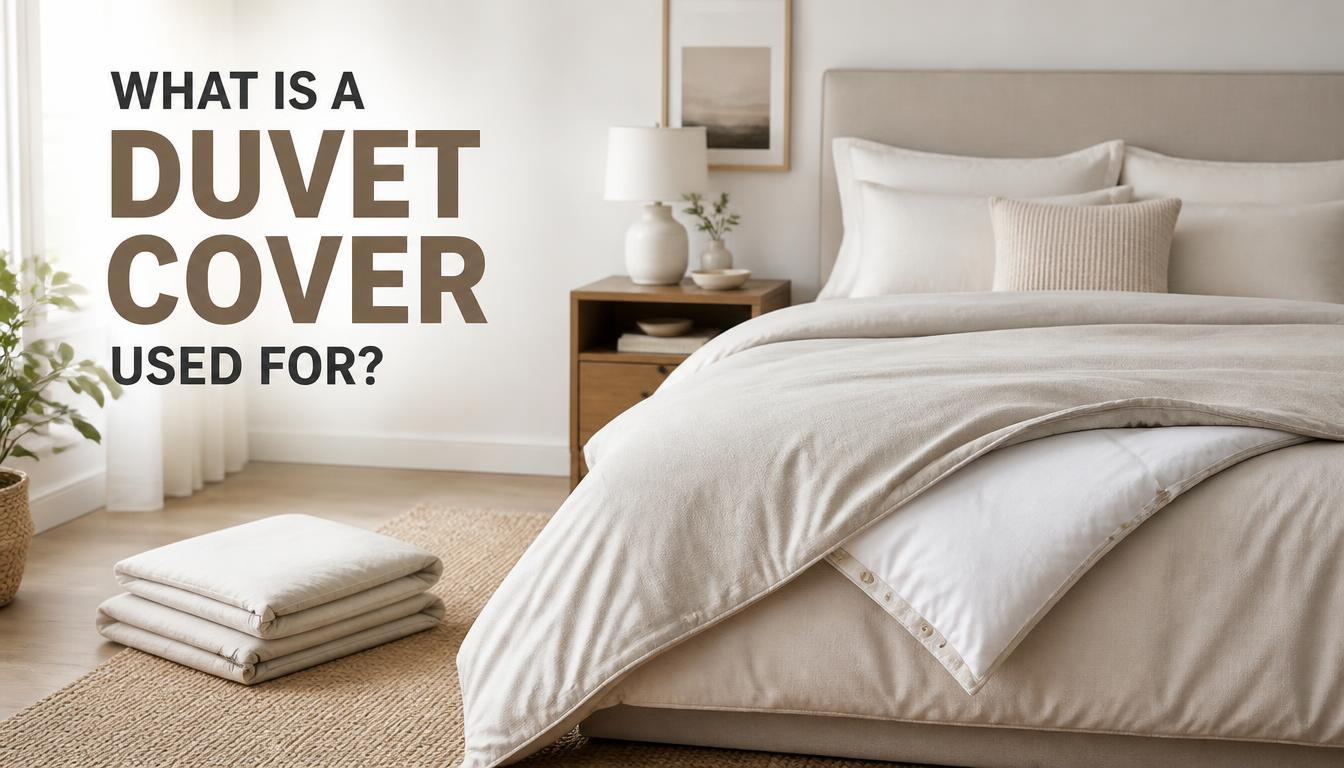
The main purpose of a duvet cover is protecting the duvet insert from everyday dirt and wear. Your bedding can come into contact with sweat, body oils, dust, and accidental spills. A removable cover creates a protective barrier between these things and the duvet insert.
Another important benefit is easier cleaning. Washing a large duvet insert can sometimes require special care or equipment. A duvet cover is usually much easier to remove and wash regularly. This makes routine bedding maintenance more convenient for many households.
A duvet cover can also change the feel of your bedding. Different fabrics have different textures, breathability, and warmth characteristics. For example, cotton can provide a soft and breathable surface for everyday use. Flannel can offer a warmer feel during colder weather.
Style is another major reason people choose duvet covers. You can change colors or patterns without purchasing another insert. Therefore, one duvet insert can work with several different bedroom styles.
A duvet cover can also help extend the useful life of an insert. The outer fabric absorbs much of the everyday exposure that would otherwise reach the insert. However, proper care still depends on the manufacturer’s instructions.
You may also like:
How Do Duvet Covers Work?

Understanding how duvet covers work is fairly simple once you know their basic structure. The duvet insert goes inside the cover through an opening along one edge. You then secure the cover using its buttons, snaps, zipper, or other closure system.
Many duvet covers also contain interior ties or attachment points. These features connect with corresponding loops on the duvet insert. They help reduce movement and prevent the insert from bunching inside the cover.
The cover and insert should generally have matching dimensions. A cover that is significantly larger or smaller can create problems during use. Always check the manufacturer’s measurements before purchasing either component.
Putting a duvet cover onto an insert can initially feel awkward. A useful method involves turning the cover inside out before attaching its corners. Match the cover’s corners with the insert’s corresponding corners. Secure the ties when available, then turn everything right side out.
Afterward, fasten the closure along the bottom edge. Gently shake or adjust the bedding so the insert spreads evenly. Interior ties can make this process easier because they help hold the insert in position.
You may also like:
Duvet Cover vs. Comforter:
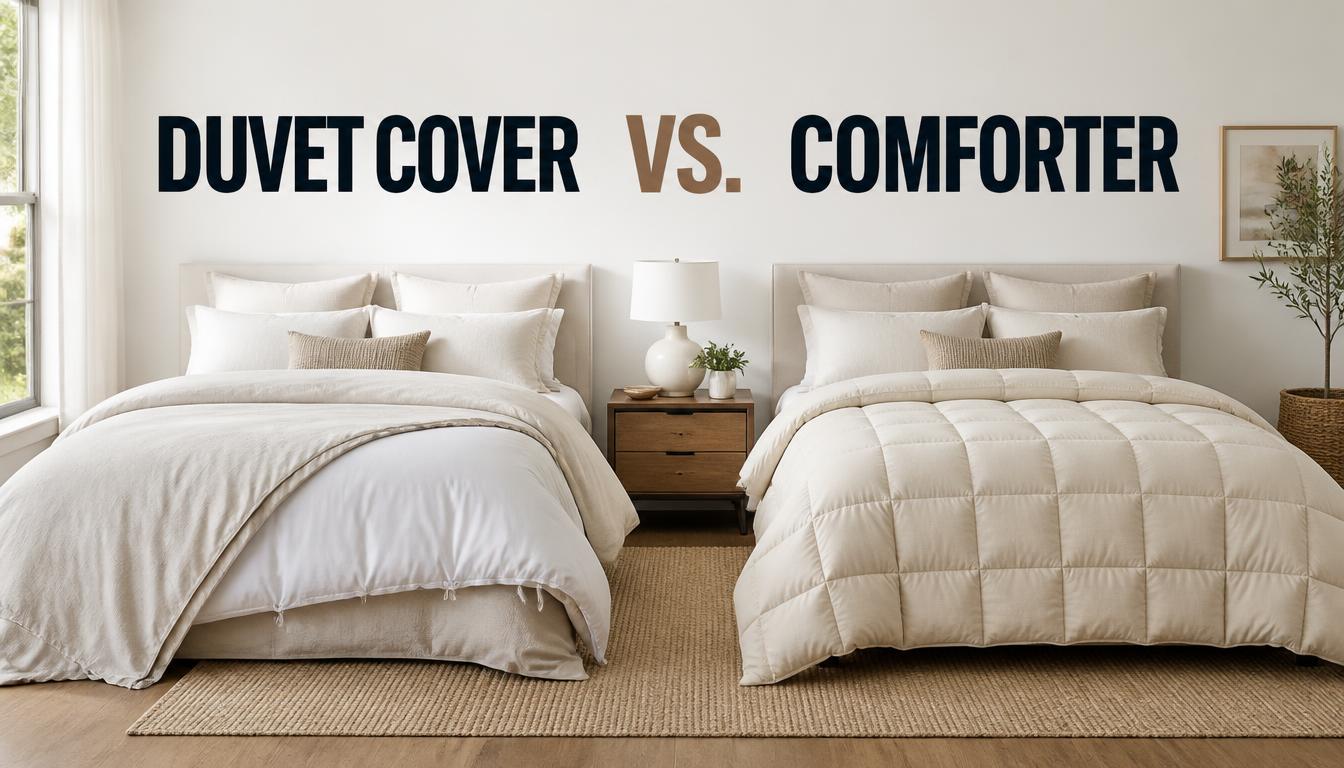
Duvet covers and comforters both provide comfortable top layers for your bed. However, their construction and everyday use are noticeably different. A duvet normally consists of an insert paired with a separate removable cover. A comforter generally has its outer shell permanently attached to its filling.
This difference affects cleaning and styling. A duvet cover can be removed and washed without washing the entire insert. Meanwhile, cleaning a comforter generally means washing the complete bedding piece. The exact care requirements depend on its materials and manufacturer’s instructions.
Duvets also offer greater flexibility when changing bedroom styles. You can purchase different covers while continuing to use the same insert. A comforter normally keeps the same appearance unless you replace the entire piece.
Warmth can vary considerably between individual products. Duvet inserts may contain down, down alternatives, wool, cotton, or other insulating materials. Comforters can also use several different fillings and thicknesses. Therefore, you should compare individual products instead of assuming every duvet is warmer.
Price can vary for both bedding types depending on their materials. A comforter may cost less initially because it is a single piece. A duvet setup requires purchasing both an insert and a cover. However, separate covers can provide more long-term styling flexibility.
You may also like:
What Materials Are Used for Duvet Covers?
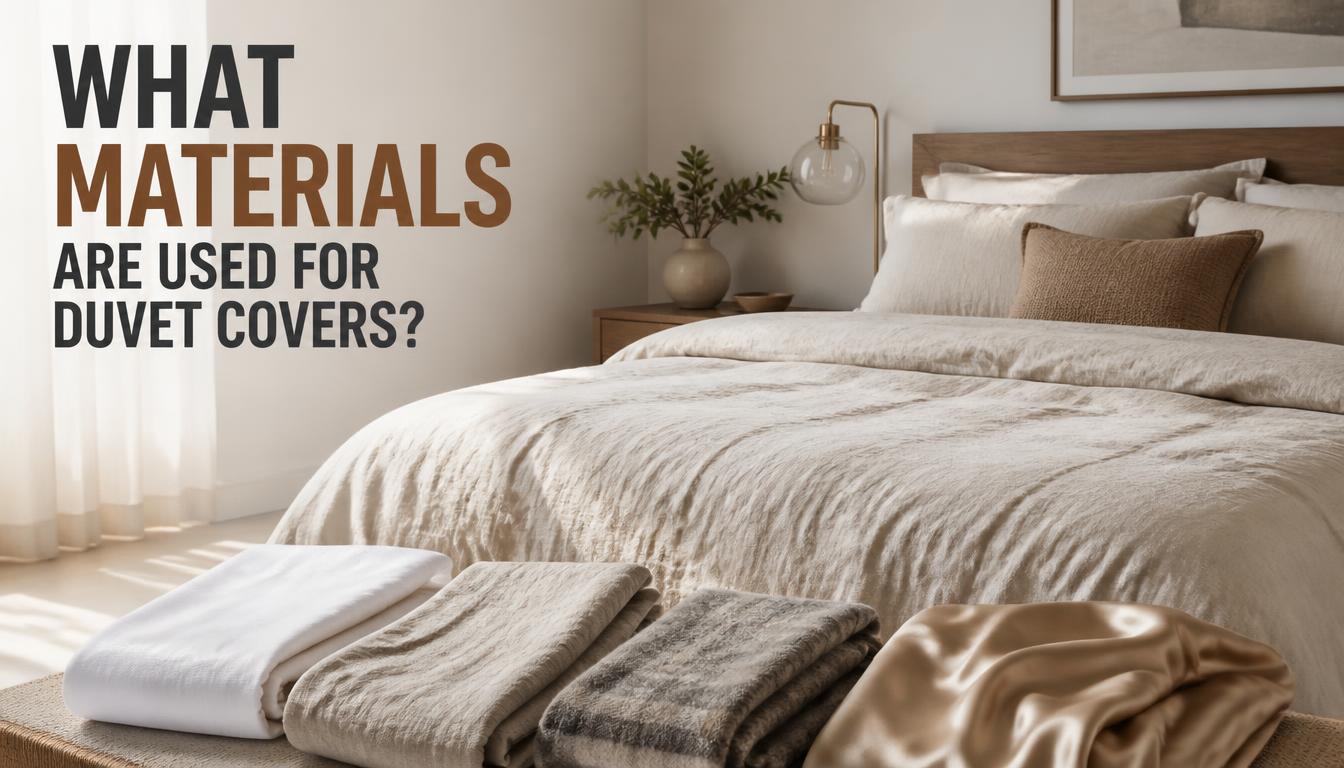
Duvet covers are available in several materials, with cotton being one common choice. Cotton is generally lightweight, soft, and breathable for everyday bedding. It is also relatively straightforward to maintain compared with some delicate fabrics.
Linen is another popular option for people who prefer a naturally textured surface. Linen is breathable and can feel comfortable across different seasons. It can also become softer with use, although it tends to wrinkle easily.
Flannel is commonly associated with colder weather because of its soft and cozy feel. It can provide additional warmth when temperatures drop during winter. However, some people may find flannel too warm during hotter months.
Silk provides a smooth and lightweight feel for sleepers who prefer luxurious bedding. It can also provide useful temperature-regulating characteristics. However, silk covers generally require more careful handling and can cost considerably more.
Synthetic materials are also available for people seeking affordable and easy-care options. The best material depends on your preferred texture, climate, budget, and maintenance needs. Always check specific washing instructions because care requirements can differ between products.
You may also like:
How to Choose the Right Duvet Cover:
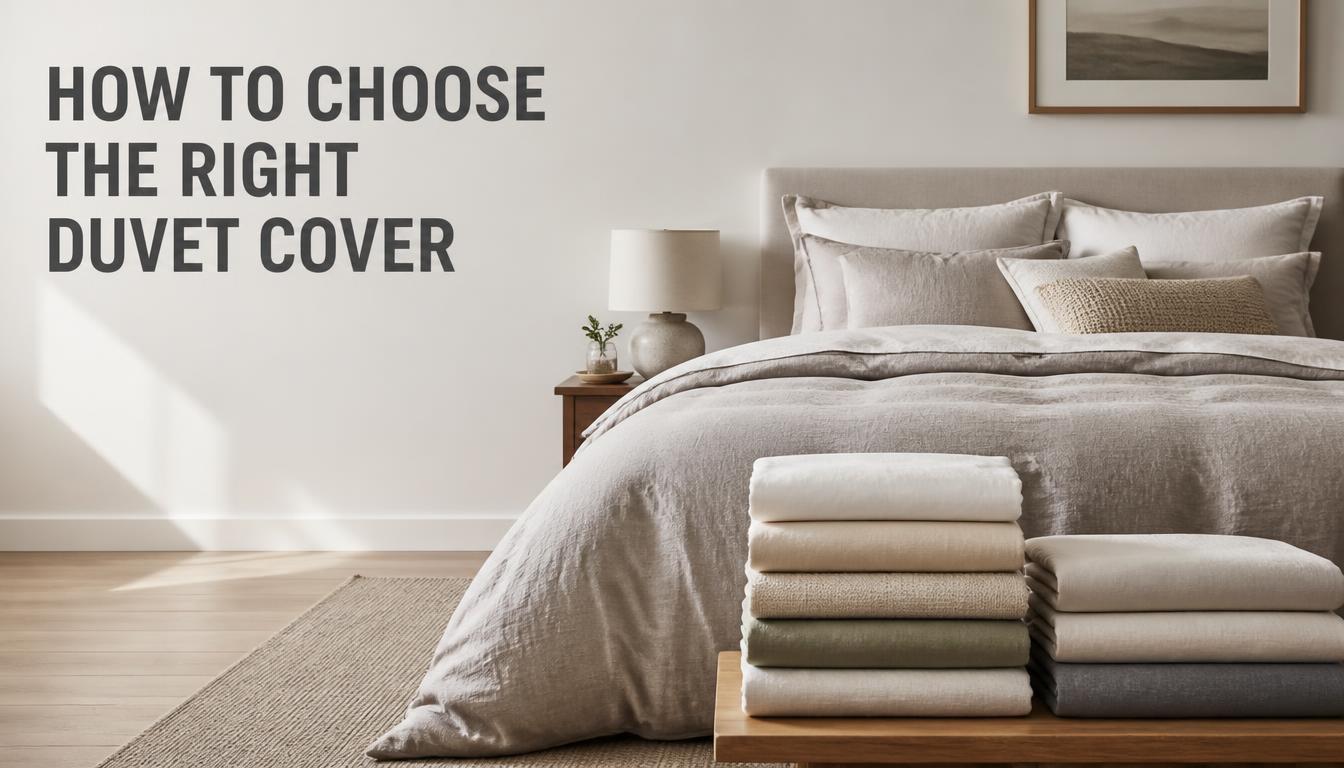
Start by choosing a duvet cover that matches your duvet insert’s dimensions. A proper fit helps the insert remain evenly distributed inside the cover. Always compare the actual measurements rather than relying only on general size names.
Next, consider the fabric based on your sleeping environment and preferences. Breathable materials can be useful when you prefer a lighter sleeping surface. Warmer fabrics may feel more comfortable when your bedroom becomes colder.
You should also consider how frequently you plan to wash the cover. A practical everyday fabric should suit your normal laundry routine. Check the care label before purchasing because different materials can have different washing requirements.
The closure system deserves attention as well. Zippers can provide a secure closure, while buttons offer a traditional bedding design. Interior ties can be particularly useful because they help keep the duvet insert from shifting.
Finally, consider the appearance of the cover. Since the cover occupies a large portion of your bed, its design can influence the entire bedroom. Choosing a versatile color or pattern can make future decorating changes easier.
Benefits and Care of a Duvet Cover:

One of the biggest advantages of a duvet cover is convenient protection. It creates an outer layer that can shield the duvet insert from everyday exposure. Because the cover is removable, regular cleaning can also become more manageable.
Another benefit is flexibility. You can keep the same duvet insert while changing covers for different seasons or decorating preferences. Different fabrics can also change the surface feel without requiring another insert.
However, duvet covers do have a few disadvantages. Putting the insert inside the cover can take some effort, especially with larger bedding sizes. Some inserts can also shift or bunch when they lack effective attachment points.
For cleaning, follow the manufacturer’s care instructions carefully. Sleep Foundation notes that duvet covers are generally washed every one to two weeks because they directly contact the sleeper.
The duvet insert itself may require less frequent cleaning. Its cleaning schedule depends heavily on its filling, construction, and care instructions. Always check the manufacturer’s recommendations before washing the insert.
Conclusion:
A duvet cover is a removable fabric layer that surrounds and protects a duvet insert. It makes bedding easier to maintain while providing plenty of options for style and texture. Understanding this simple difference can make choosing bedding much less confusing.
When comparing a duvet cover with a comforter, remember their basic construction. A duvet uses a separate insert and cover, while a comforter generally combines its filling and outer shell. This design difference affects cleaning, styling, maintenance, and overall flexibility.
Choosing the right duvet cover ultimately depends on your bedding size, preferred material, climate, and personal style. Cotton, linen, flannel, and silk each provide different experiences. With the right combination, your bedding can remain comfortable, practical, and easy to maintain.
Freaky Thread aims to make everyday topics easier to understand through useful and straightforward guides. Hopefully, this explanation has given you a clearer understanding of duvet covers. Now you can choose your bedding with greater confidence and fewer confusing terms.