

Table of Contents:
Introduction:
Kombucha is a fermented tea drink that has gained popularity among people exploring different beverages. Its tangy flavor, refreshing taste, and traditional preparation process make it interesting for curious beginners. However, understanding how kombucha works helps you appreciate its unique characteristics. If you want to learn how to brew kombucha at home, understanding tea, sugar, SCOBY, and fermentation provides a useful starting point. At Freaky Thread, we explore practical information that helps readers discover new interests and everyday knowledge.
Kombucha contains a combination of brewed tea, sugar, and a symbiotic culture of bacteria and yeast. During fermentation, microorganisms transform some available sugars into different compounds, including organic acids. These changes influence the beverage’s taste, aroma, and acidity. Learning about these processes helps beginners understand why kombucha requires careful preparation and monitoring.
What Is Kombucha and How Does Fermentation Work?

Kombucha is a fermented beverage traditionally made using sweetened tea and a microbial culture. This culture contains different bacteria and yeast that interact throughout fermentation. Yeast breaks down sugars and produces alcohol and carbon dioxide, while certain bacteria convert alcohol into organic acids. These interactions create the distinctive sour flavor associated with kombucha.
The fermentation process changes the original tea into a beverage with a more complex flavor profile. Depending on the ingredients and environmental conditions, kombucha may taste mildly sweet, tart, fruity, or acidic. Several factors influence the final flavor, including tea variety, sugar availability, microbial culture, and fermentation duration.
Fermentation also affects the beverage’s chemical composition. Microorganisms produce various compounds while consuming available nutrients. These changes explain why kombucha differs from ordinary brewed tea. However, fermentation does not automatically guarantee health benefits or eliminate every potential food-safety concern.
Although kombucha is often promoted as a health-focused beverage, scientific evidence remains limited for many specific health claims. People should avoid treating kombucha as a replacement for medical treatment. Understanding its fermentation process provides a more balanced perspective on this traditional drink.
You may also like:
Understanding the Ingredients Used in Kombucha:
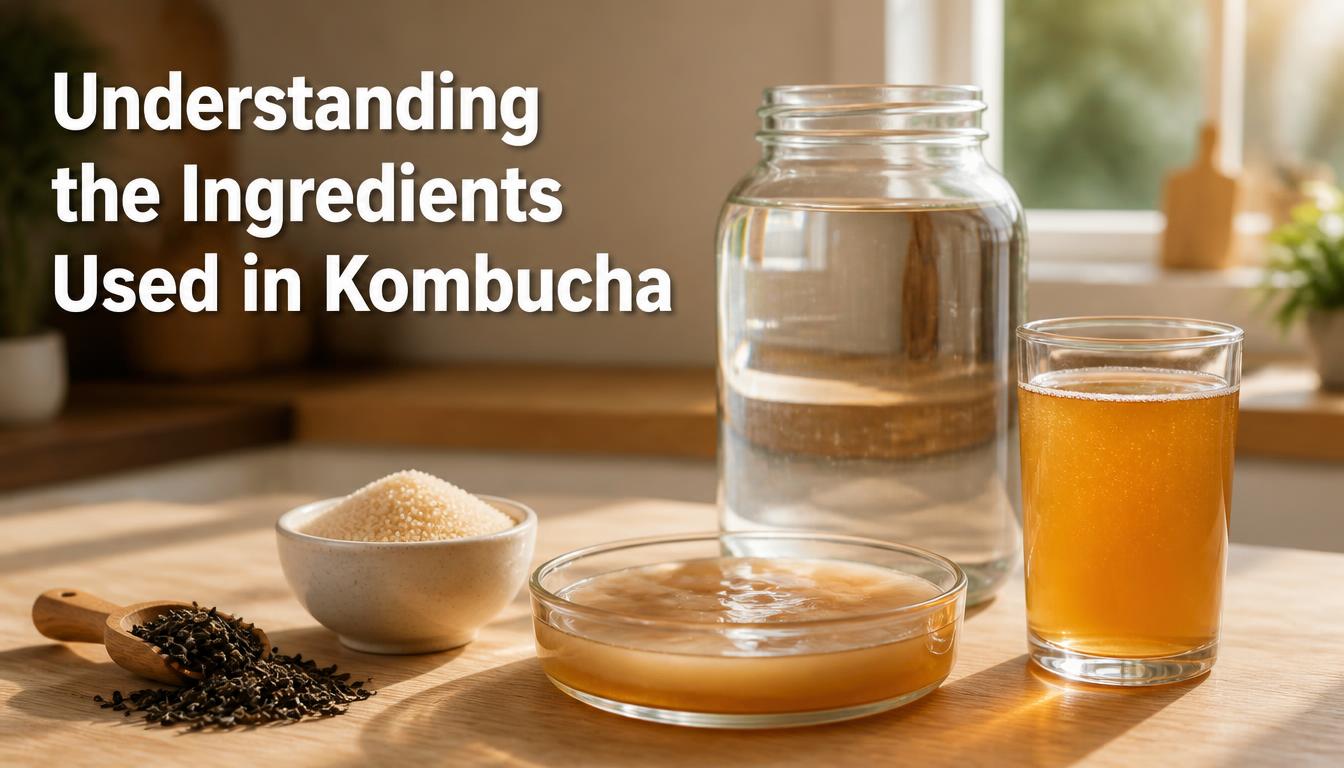
Learning about kombucha ingredients helps beginners understand how fermentation takes place. Traditional kombucha generally contains tea, sugar, a SCOBY, and fermented starter liquid. Each ingredient serves a different purpose during the preparation and fermentation process.
Tea provides the liquid foundation and contains compounds that influence the beverage’s flavor. Black tea and green tea are commonly associated with traditional kombucha. Different varieties create noticeable differences in aroma, taste, and overall character.
Sugar serves as an energy source for microorganisms involved in fermentation. Yeast uses available sugars during its metabolic activity, while bacteria contribute to producing organic acids. Sugar does not disappear immediately, and the finished beverage may still contain residual sugar.
Starter liquid comes from an established kombucha culture and contains microorganisms alongside acidic compounds. It contributes to the fermentation environment and influences the beverage’s acidity. Beginners should understand that ingredient quality and hygienic handling affect fermentation outcomes.
The SCOBY represents a community of microorganisms rather than a single ingredient with one function. Its bacteria and yeast work together during fermentation. Understanding these components makes the brewing process easier to appreciate.
You may also like:
How to Brew Kombucha at Home:

People searching for how to brew kombucha at home often want to understand the preparation process. Kombucha preparation involves several connected stages, including tea preparation, fermentation, and flavor development. Each stage influences the characteristics of the finished beverage.
The process begins with preparing a suitable tea base. Tea selection affects the beverage’s flavor and provides compounds that support the microbial culture. Sugar and the fermentation culture contribute to the traditional process, although their handling requires appropriate care.
Fermentation represents the central stage where microorganisms change the tea’s chemical composition. Yeast and bacteria interact with available nutrients, producing compounds that influence acidity and flavor. Environmental conditions can affect how quickly these changes occur.
Temperature, culture composition, and ingredient characteristics may influence fermentation outcomes. Therefore, beginners should avoid assuming that every batch behaves identically. Understanding these differences helps readers approach kombucha fermentation with realistic expectations.
Learning how to brew kombucha involves more than combining ingredients. It also requires understanding the biological processes that influence the drink. Reliable food-safety guidance remains important when considering practical fermentation at home.
You may also like:
How Long Does It Take to Brew Kombucha?
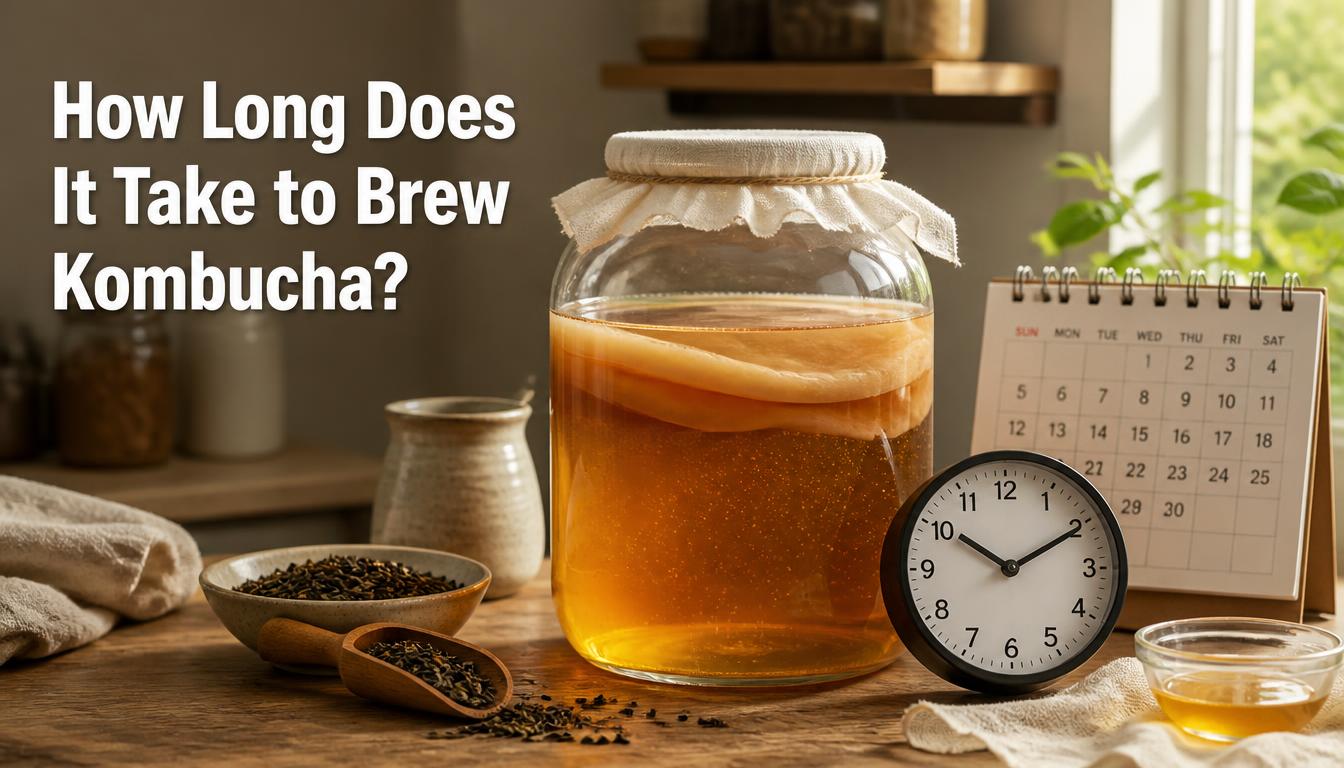
How long does it take to brew kombucha? The answer depends on fermentation conditions, ingredients, microbial culture, and the desired flavor characteristics. Kombucha does not follow one universal timeline that produces identical results for every batch.
Primary fermentation may take several days or longer, depending on the preparation method and environmental conditions. Some traditional methods allow fermentation to continue for multiple weeks. However, fermentation duration alone cannot establish whether a beverage is safe to consume.
Temperature influences microbial activity and can affect fermentation speed. The composition of the microbial culture also contributes to differences between batches. Sugar availability, tea characteristics, and acidity may further influence the fermentation process.
Carbonation introduces additional considerations because fermentation can produce carbon dioxide. Sealed containers may accumulate pressure, creating potential physical hazards. Beginners should understand these risks instead of relying exclusively on estimated fermentation schedules.
The final flavor also influences how people evaluate fermentation progress. Some prefer milder acidity, while others enjoy stronger tartness. However, taste preferences should remain separate from food-safety assessments.
You may also like:
How Do You Make Kombucha SCOBY?

The question how do you make kombucha SCOBY involves understanding microbial growth and culture development. SCOBY stands for symbiotic culture of bacteria and yeast. It describes a community of microorganisms that work together during fermentation.
A SCOBY commonly develops a cellulose-rich layer at the liquid’s surface. People often call this layer a pellicle. Its appearance can vary depending on the microbial culture and fermentation environment.
The visible pellicle does not represent every microorganism involved in fermentation. The surrounding liquid also contains microorganisms and acidic compounds. Therefore, the SCOBY layer and starter liquid should not be considered completely interchangeable.
SCOBY development depends on the microbial community and surrounding conditions. Different cultures may produce layers with varying thickness, texture, and appearance. These differences do not automatically indicate that one culture is better than another.
Beginners should remember that a healthy-looking SCOBY does not guarantee a safe fermentation batch. Contamination and unsuitable conditions can create potential concerns. Appearance alone cannot reliably establish whether fermented food or beverages are safe for consumption.
Understanding SCOBY development helps explain the biological foundation of kombucha. It also encourages beginners to approach fermentation with greater awareness of microbial activity.
You may also like:
Tea Choices and Flavor Development:

Tea selection influences kombucha’s flavor, aroma, and overall character. Black tea commonly provides a stronger, more pronounced taste. Green tea may produce lighter and more delicate flavor characteristics. Different varieties can create noticeable differences in the finished beverage.
The fermentation process changes the tea’s original flavor profile. Microbial activity produces organic acids and other compounds that contribute to kombucha’s characteristic taste. The balance between sweetness and acidity influences how people perceive the finished drink.
Some commercially available kombucha products contain fruit flavors, herbs, or other additional ingredients. These additions create different sensory experiences and allow manufacturers to develop distinctive beverage varieties. However, additional ingredients may introduce further considerations regarding handling and storage.
Flavor development depends on several interacting factors. Tea composition, fermentation conditions, microbial activity, and sugar availability can influence the final result. Consequently, two kombucha beverages prepared using different ingredients may taste noticeably different.
Beginners should distinguish flavor preferences from food-safety indicators. A pleasant aroma or appealing appearance does not independently confirm that a fermented beverage is safe. Understanding this distinction supports more responsible learning about kombucha.
You may also like:
Conclusion:
Learning how to brew kombucha begins with understanding fermentation, ingredients, SCOBY, and flavor development. Tea provides the foundation, while sugar and microorganisms contribute to the fermentation process. The resulting beverage can develop a distinctive combination of acidity, sweetness, and aroma.
Understanding how long it takes to brew kombucha requires recognizing that fermentation conditions vary. Similarly, learning how do you make kombucha SCOBY involves understanding microbial cultures rather than focusing only on visible growth. These concepts help beginners develop a more informed understanding of fermented beverages.
Freaky Thread encourages readers to explore food science through reliable educational resources and responsible decision-making. Kombucha offers an interesting example of how microorganisms transform familiar ingredients into something different. With accurate information and careful attention to safety, beginners can better understand the science behind this popular fermented drink.


