
Introduction
Lip masks have become one of the most talked about products in modern beauty routines. They show up in skincare hauls, get recommended by dermatologists, and sit proudly on bathroom shelves next to serums and moisturizers. But many people still ask a simple question before buying one: what do lip masks do, exactly, and are they actually worth adding to your routine? Here on Freaky Thread, this guide breaks down everything you need to know, from how these products work to how you should be using them for the best results.
What Is a Lip Mask?

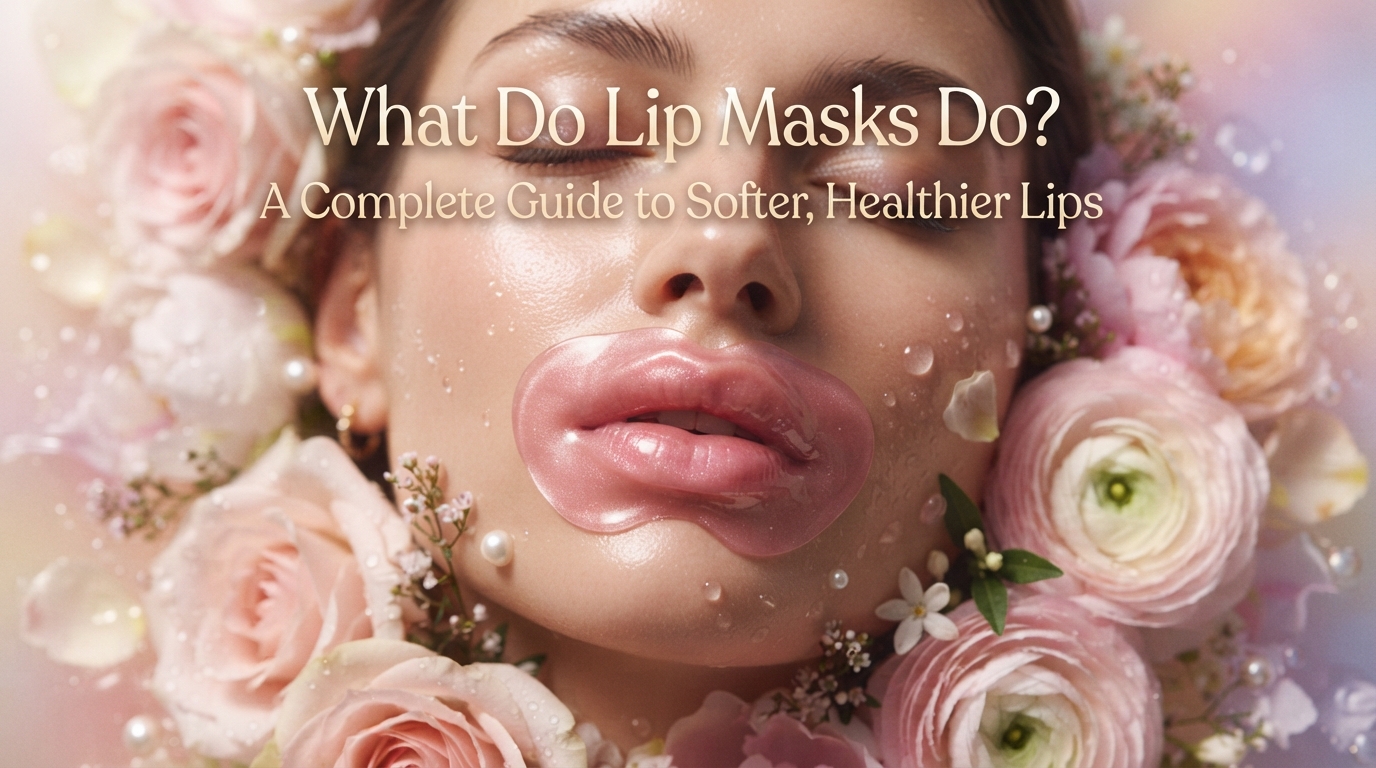
A lip mask is a skincare treatment made specifically for the lips, and it goes far beyond what a regular lip balm can offer. Unlike balms, which mostly sit on the surface and provide short term relief, a lip mask is formulated to deliver deeper hydration and nourishment over time. Most lip masks have a thicker, richer texture, often described as jelly like or balm like, and they are packed with ingredients designed to repair and restore the delicate skin on your lips. Some are meant to be worn overnight while you sleep, and others can be used during the day under gloss or lipstick for an extra moisture boost. Because lip skin lacks oil glands, it dries out much faster than the rest of your face, which is exactly why a dedicated lip mask can make such a noticeable difference. Many brands market these as sleeping masks, but daytime versions exist too for people who want lighter coverage.
You May Also Like
What Do Lip Masks Do for Your Lips?

This is the question most people are really trying to answer, and the response comes down to a few key benefits. Lip masks primarily work by delivering concentrated moisture directly into the skin, using humectant ingredients that pull in and hold onto water. This process softens rough, flaky patches and helps lips look smoother almost immediately after use. Many formulas also create a light barrier over the lips, which locks in that moisture and prevents it from evaporating throughout the day or night. Over consistent use, this barrier effect can reduce chapping, calm irritation, and support the lips’ natural healing process. Another benefit people notice quickly is a fuller, plumper appearance, which happens because hydrated skin naturally looks more supple than dry, cracked skin. Lip masks are also known to improve overall lip texture, smoothing out fine lines and making lipstick or gloss apply more evenly afterward. For anyone dealing with lips that feel tight, sore, or constantly peeling, a good lip mask can genuinely change how your lips look and feel within just a few uses.
You May Also Like:
Lip Mask vs Lip Balm: What Is the Difference?

People often use these two terms interchangeably, but they are not the same thing. A lip balm typically offers quick, temporary relief and needs to be reapplied frequently throughout the day, especially in cold or windy weather. A lip mask, on the other hand, is designed for deeper, longer lasting treatment rather than instant coverage. It usually contains a more concentrated blend of active ingredients, including emollients, antioxidants, and occlusives, working together to soften, protect, and heal. Think of a lip balm as basic daily maintenance and a lip mask as a more intensive treatment you apply less often but leave on for longer. Many skincare routines actually use both together, applying balm during the day for convenience and a mask at night for deeper repair. This combination approach tends to give the most noticeable and lasting improvement in lip health over time.
You May Also Like:
Key Ingredients That Make Lip Masks Work

The effectiveness of a lip mask usually comes down to its ingredient list, so it helps to know what to look for. Hyaluronic acid is one of the most common ingredients, valued for its ability to attract and hold large amounts of moisture in the skin. Glycerin works in a similar way, pulling hydration from the air into your lips for a softer feel. Butters such as shea or cocoa butter add richness and help form a protective layer that locks in moisture overnight. Natural oils, including jojoba or almond oil, nourish the skin and support its natural barrier function. Some masks also include vitamin E, an antioxidant that helps soothe irritation and support repair, while others contain gentle exfoliants that remove dead skin for a smoother finish. Collagen boosting ingredients are increasingly popular too, since they can support the lips’ elasticity and firmness over time. When choosing a lip mask, it is worth checking the label for these ingredients rather than relying on marketing claims alone, since the formula is really what determines the results you will see.
You May Also Like:
How to Use a Lip Mask the Right Way

Getting the most out of a lip mask comes down to consistent and correct application. Start with clean, dry lips, and if you plan to use an exfoliating formula, gently pat the area dry beforehand for better absorption. Apply a generous layer using your fingertip or the applicator provided, making sure the entire lip area is covered evenly. Overnight masks are usually left on while you sleep and gently wiped away or absorbed by morning, while daytime formulas can often be layered under lipstick or gloss. Most lip masks do not need to be used every single day, and two to three times a week is enough for many people, though some lighter formulas are gentle enough for nightly use. It is worth reading the instructions on your specific product, since usage frequency can vary depending on the concentration of active ingredients. Consistency matters more than frequency here, so building it into your regular skincare routine will give you far better results than using it randomly once in a while.
You May Also Like:
Who Should Use a Lip Mask?

Almost anyone dealing with dry, chapped, or tired looking lips can benefit from adding a lip mask into their routine. This includes people living in cold or dry climates, frequent flyers whose lips suffer from cabin air, and anyone who spends a lot of time outdoors exposed to sun and wind. People who wear long wearing or matte lipsticks regularly also tend to experience more dryness, making a lip mask a useful recovery step. Even those with generally healthy lips can use a lip mask preventatively, keeping the skin soft and reducing the chances of cracking before it starts. The one group that should be more cautious is anyone with known sensitivities to specific ingredients, so it is always smart to patch test a new product first. Overall, lip masks work well as part of a broader lip care routine rather than as a one time fix, and the benefits tend to build the longer you stick with them.
You May Also Like:
Conclusion
Lip masks genuinely do more than sit on your lips looking pretty. They hydrate deeply, support repair, and help lips look and feel noticeably healthier with regular use. If you have been wondering what do lip masks do and whether they deserve a spot in your routine, the answer is a clear yes for most people dealing with dryness or dullness.
That is our full breakdown of what lip masks do and how to use them well. Freaky Thread will keep bringing you honest, research backed beauty guides like this one, so you always know what is actually worth adding to your routine before you spend your money.


