
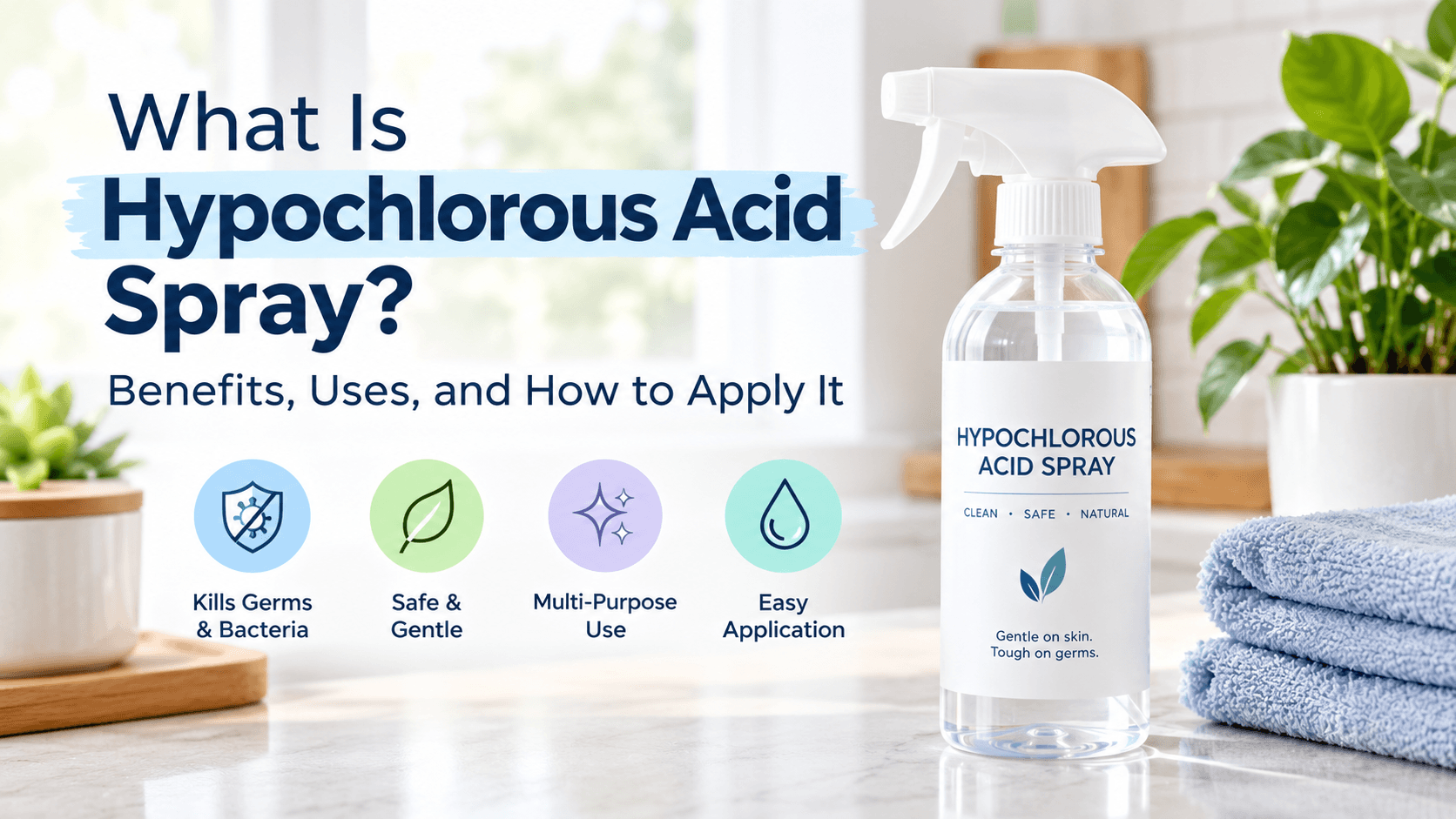
There is a new bottle showing up on bathroom counters everywhere, and it looks almost too simple to work. Hypochlorous acid spray is just a light, watery mist, yet beauty lovers swear it calms breakouts, soothes redness, and keeps skin feeling fresh all day. So what is hypochlorous acid spray, and does it really deserve a place in your routine?
Here is the short version. It is a gentle antimicrobial mist made from the same substance your immune system uses to fight germs. Dermatologists have used similar formulas for wound care for years, and now skincare brands have bottled it for everyday use. This guide breaks down the benefits, the right way to apply it, and who should think twice before trying it.
Hypochlorous acid spray is a gentle water based mist made from a substance your white blood cells produce to fight germs. In skincare it helps reduce breakout causing bacteria, calm redness, and support healing of minor irritation. It suits most skin types, including sensitive skin, and is usually applied right after cleansing, before serums and moisturizer.
What Is Hypochlorous Acid Spray Exactly?
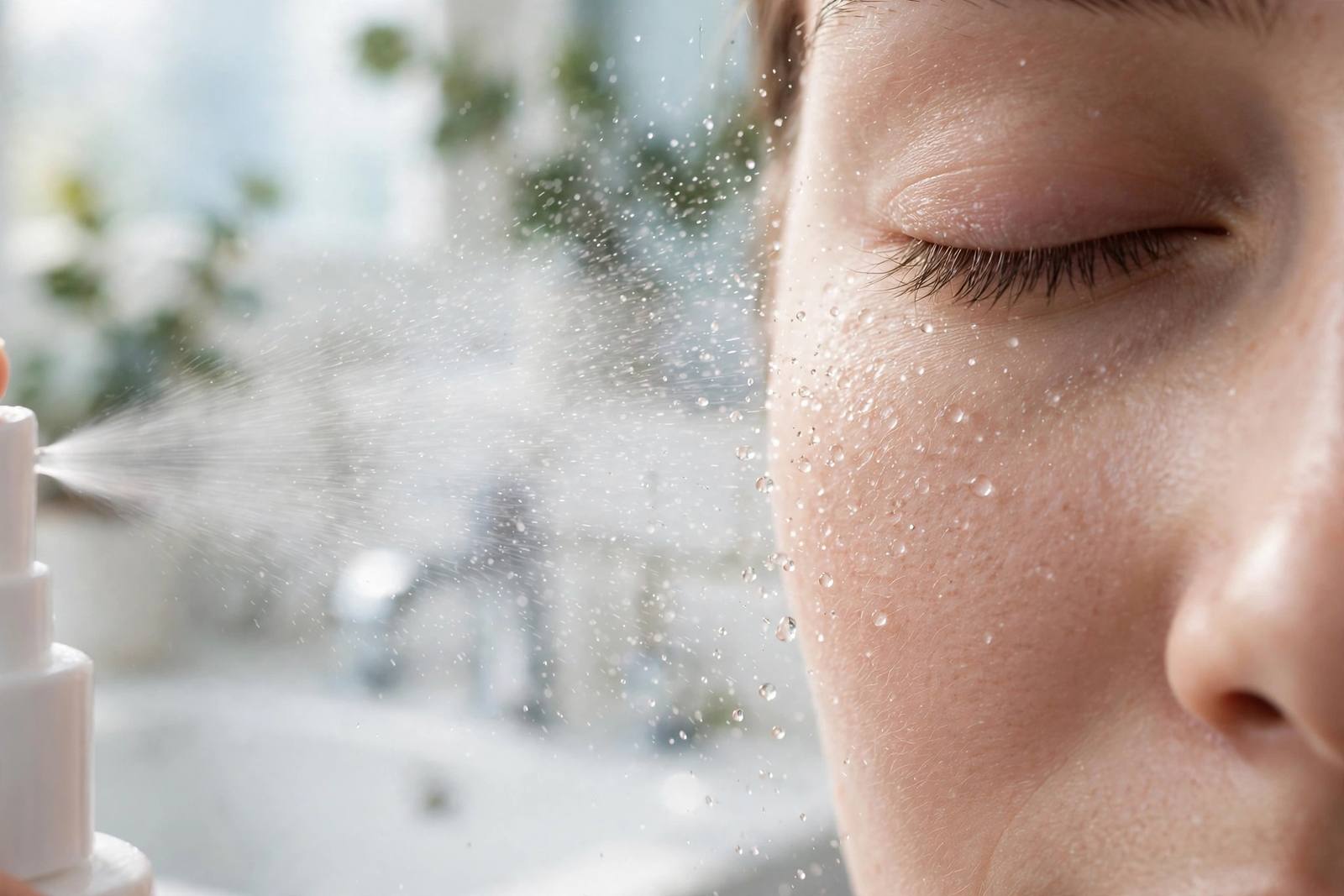
Hypochlorous acid, often shortened to HOCl, is a weak acid your immune system makes on its own. Your white blood cells release it to attack harmful microbes and calm inflammation. Skincare brands recreate the same molecule in a stabilized, low concentration water formula and bottle it as a light facial mist.
Despite the word acid in its name, it behaves nothing like strong exfoliating acids. The spray is pH balanced and watery, with a faint chlorine like scent that fades within seconds. It leaves no sticky layer behind, so your skin simply feels clean and refreshed.
Why Is Hypochlorous Acid Spray So Popular?
It became popular because it does several useful things at once while staying extremely gentle.
- Fights breakout causing bacteria. It helps reduce the surface bacteria linked to pimples and clogged pores, which makes it a useful extra step for acne prone skin.
- Calms redness and irritation. People with rosacea, sensitivity, or post workout flushing often find it soothing.
- Supports faster healing. It is widely used for minor cuts, bug bites, and blemishes, and it can comfort skin after facials or waxing.
- Refreshes on the go. A quick mist after the gym, on a long flight, or over makeup keeps skin feeling clean without harsh rubbing.
- Suits sensitive areas. It is even used in eye care solutions, so most formulas are gentle enough around the eyes and lips.
- Plays well with most routines. It suits nearly all skin types and does not clog pores, so it fits easily into a morning or evening regimen.
How Do You Apply Hypochlorous Acid Spray?
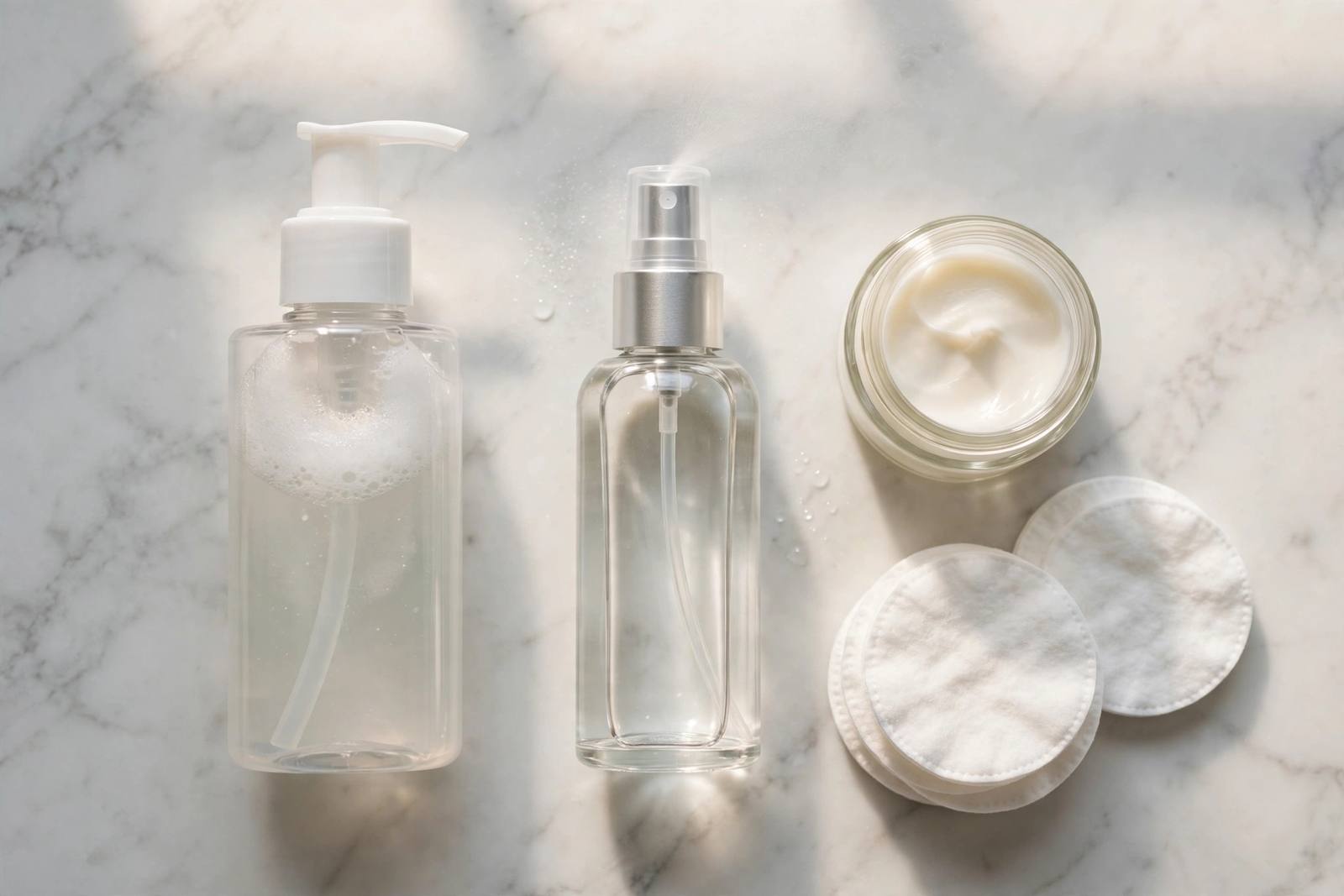
You apply it on clean skin, right after cleansing and before your serums and moisturizer.
- Cleanse first. Wash your face with your usual gentle cleanser and pat it dry.
- Mist evenly. Hold the bottle 6 to 8 inches from your face and spray a light, even layer. You can also spray it onto a cotton pad and sweep it across your skin.
- Let it air dry. Give it 30 to 60 seconds to dry on its own. Do not rinse it off.
- Continue your routine. Once the mist has fully dried, follow with serums, moisturizer, and sunscreen in the morning.
Letting the spray dry completely matters, because layering wet product can weaken the actives in the rest of your routine. If vitamin C is part of your mornings, our roundup of the 7 best vitamin C serums for brighter skin can help you pick one that pairs well. One of the most talked about options is the Tower 28 SOS Daily Rescue Facial Spray, though any simple fragrance free formula works the same basic way.
Is Hypochlorous Acid Spray Safe for Daily Use?
For most people, yes. It is one of the gentlest actives you can add to a daily routine.
It is nontoxic, fragrance free, and oil free, and it does not clog pores. Many people use it two or three times a day with no issues, and it suits sensitive, dry, and acne prone skin alike.
Still, a few cautions apply. Anyone with known allergies should patch test first, since rare reactions are possible. Overuse can disturb your skin’s natural balance, so stick to a sensible amount. And if you are pregnant, nursing, or managing a skin condition, check with a dermatologist before you start.
Where Else Can You Use It?
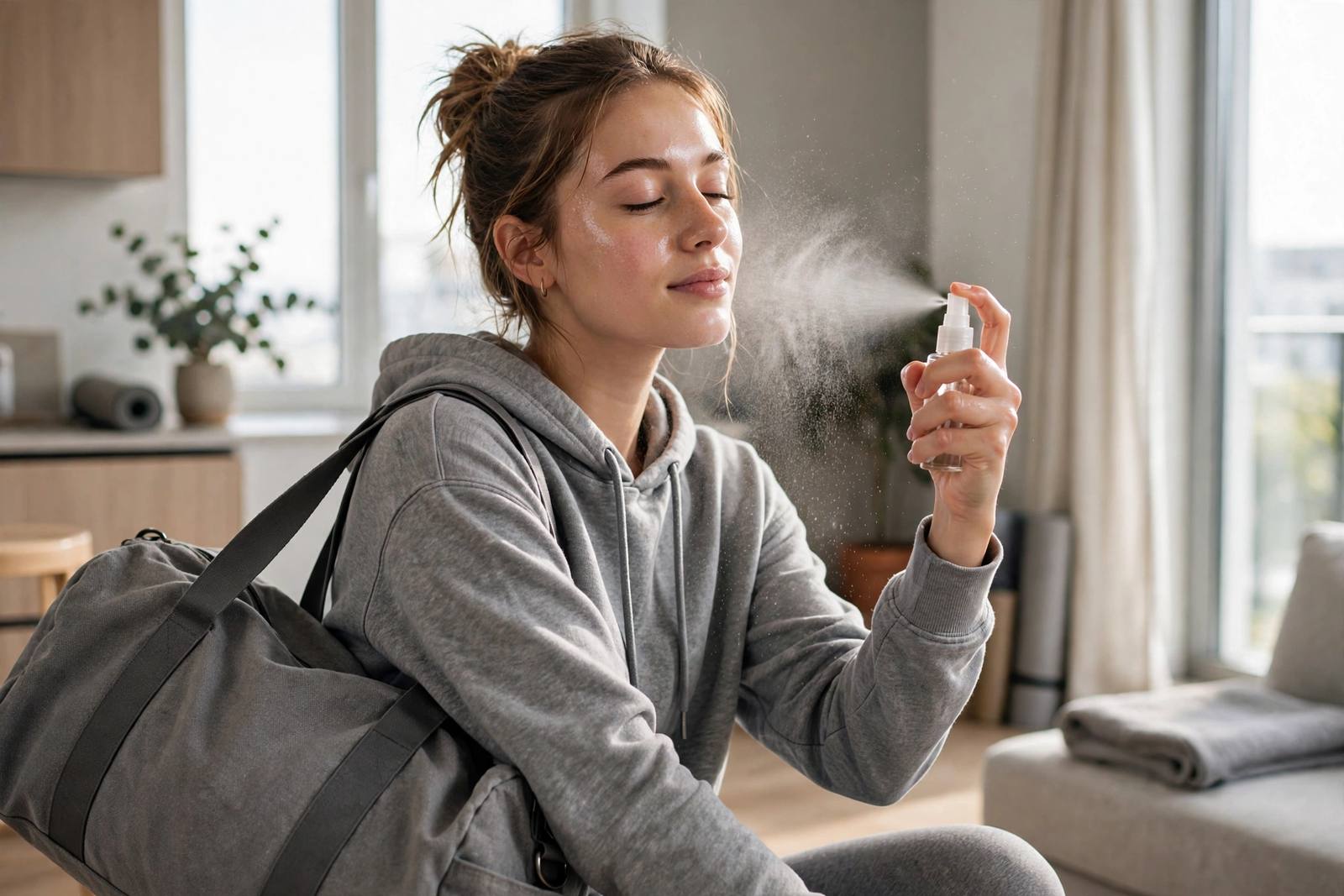
The spray is not just for your face. People also use it on the body and in a handful of everyday situations.
Keep a small bottle in your gym bag for a quick post workout refresh, or mist your back and chest if you are prone to body breakouts. It can soothe skin after sun exposure, calm minor bug bites, and comfort tweens who are just starting a simple skincare routine.
And remember that great skin is not built by products alone. A nutrient rich diet supports your glow from the inside, and our guide to the best vegetables for glowing skin rounds up the foods that help the most.
How Should You Store Your Spray?
Store it the way you would protect any delicate formula: in a cool, dark place.
Light and heat break hypochlorous acid down faster, so a bathroom cabinet beats a sunny windowsill. Choose an opaque bottle when you can, and always check the expiry date on the label. An old bottle loses its germ fighting strength, so replace it on time.
Frequently Asked Questions About Hypochlorous Acid Spray
What does hypochlorous acid spray do for acne?
It helps reduce the surface bacteria linked to breakouts and calms the redness around active pimples. It is not a replacement for prescription acne treatment, but it can be a helpful support step. Consistency matters more than quantity, so use it daily rather than drenching your skin.
Can I layer hypochlorous acid spray with serums and moisturizer?
Yes. Apply it right after cleansing, then let it dry completely before anything else. The full dry down matters because wet layers can weaken the actives in your serums. After that, continue with the rest of your routine as usual.
Does hypochlorous acid spray sting or burn?
It should not sting healthy skin. If you feel burning, stop using it and check the ingredient list for added fragrance or other irritants. True allergic reactions are uncommon, but patch testing is always the smart first move.
How long does a bottle stay effective?
That depends on the bottle size and how often you mist. Stored in a cool, dark place, it stays effective until the date printed on the label. Past that date, its germ fighting power fades, so replace it rather than finishing an expired bottle.
The Bottom Line
Hypochlorous acid spray earns its hype by doing the simple things well. It keeps breakout causing bacteria in check, calms redness, and supports healing, all without the sting of harsher treatments. Add it after cleansing, let it dry, and pair it with the basics that never go out of style.
Those basics include steady sleep and a balanced diet, which do as much for your glow as any bottle. If restless nights are part of the problem, our beginner’s guide to magnesium glycinate explains how this gentle mineral may support better rest. Your skin will thank you for the full package.


