Table of Contents:
- Introduction
- Why Is Your Bathroom Sink Clogged or Draining Slowly?
- What You Need to Unclog a Bathroom Sink
- How to Unclog a Bathroom Sink Drain Step by Step
- How to Unclog a Bathroom Sink With a Plunger or Drain Snake
- How to Fix a Clogged Sink by Cleaning the P-Trap
- How to Fix a Slow Draining Sink and Prevent Future Clogs
- Conclusion
Introduction:
A clogged bathroom sink can quickly turn an ordinary routine into an annoying problem. Water may drain slowly, pool inside the basin, or stop moving completely. Hair, soap residue, toothpaste, and other debris commonly cause these drainage problems. Understanding the cause makes choosing the right solution much easier. Fortunately, many bathroom sink clogs can be handled with simple household tools.
If you are wondering how to unclog bathroom sink problems, start with simple methods. You usually do not need complicated equipment for a minor blockage. Cleaning the stopper, removing visible debris, and using a plunger can often help. More stubborn blockages may require a drain snake or P-trap cleaning. Working gradually can also help prevent unnecessary damage to your plumbing.
This guide from Freaky Thread explains several practical ways to restore normal drainage. Each method focuses on removing the blockage instead of simply masking symptoms. You will also learn how to identify common causes behind slow bathroom sinks. By following each step carefully, you can tackle many everyday drainage problems. Always work patiently and stop when a problem seems beyond simple maintenance.
Why Is Your Bathroom Sink Clogged or Draining Slowly?
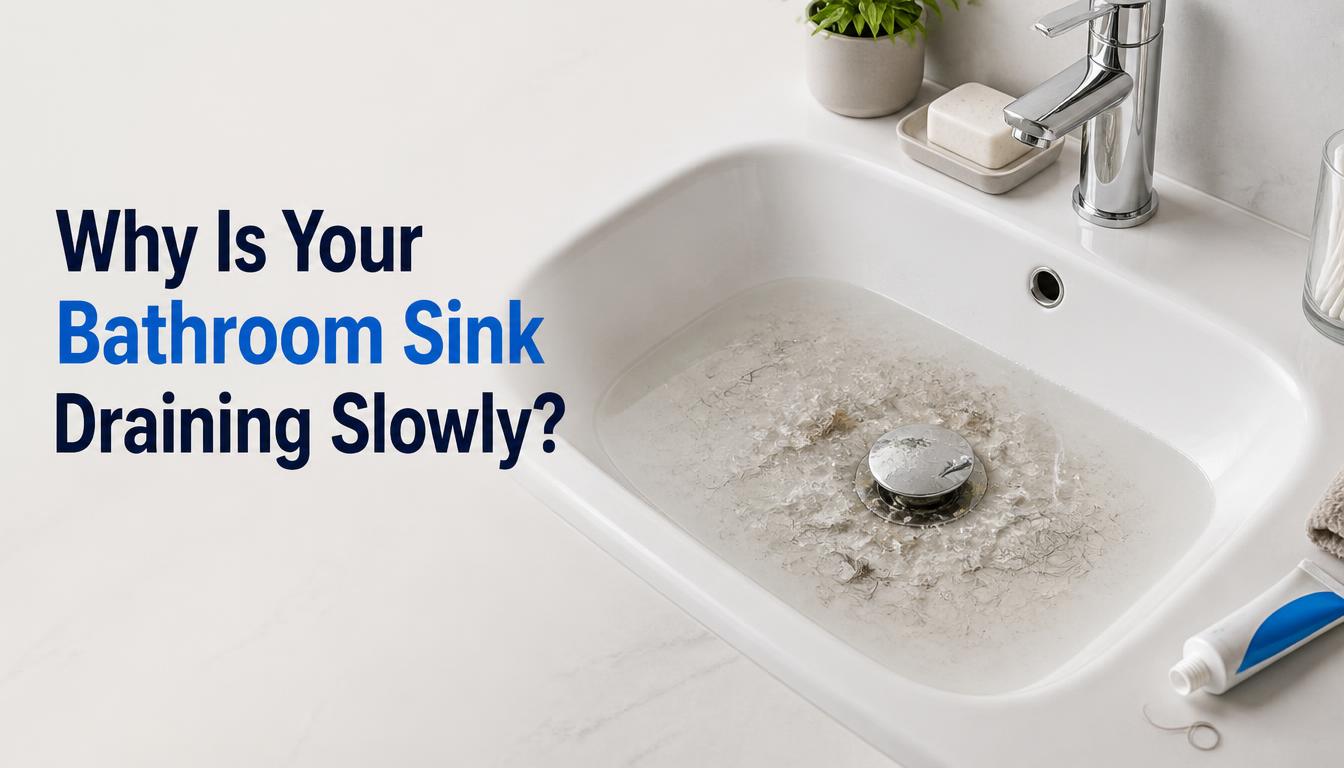
Bathroom sinks commonly collect hair, soap scum, toothpaste, and personal-care product residue. These materials can combine and gradually restrict the passage inside drainpipes. Small objects can also accidentally fall into the drain during everyday bathroom activities. Mineral deposits may contribute to buildup inside older plumbing systems. Together, these issues can transform normal drainage into increasingly slower water flow.
The stopper underneath the sink can become another important source of blockage. Hair and soap residue often collect around the stopper assembly over time. This buildup can restrict water movement before reaching the deeper drainpipe. A partially blocked stopper can make the sink appear seriously clogged. Therefore, checking this area should usually be one of your first steps.
A slow drain does not always mean the pipe is completely blocked. Partial blockages allow some water through while creating noticeably slower drainage. Complete blockages usually prevent water from leaving the basin normally. If several household drains become slow together, another plumbing problem may exist. Persistent or widespread drainage problems may require professional plumbing inspection.
You may also like:
What You Need to Unclog a Bathroom Sink:
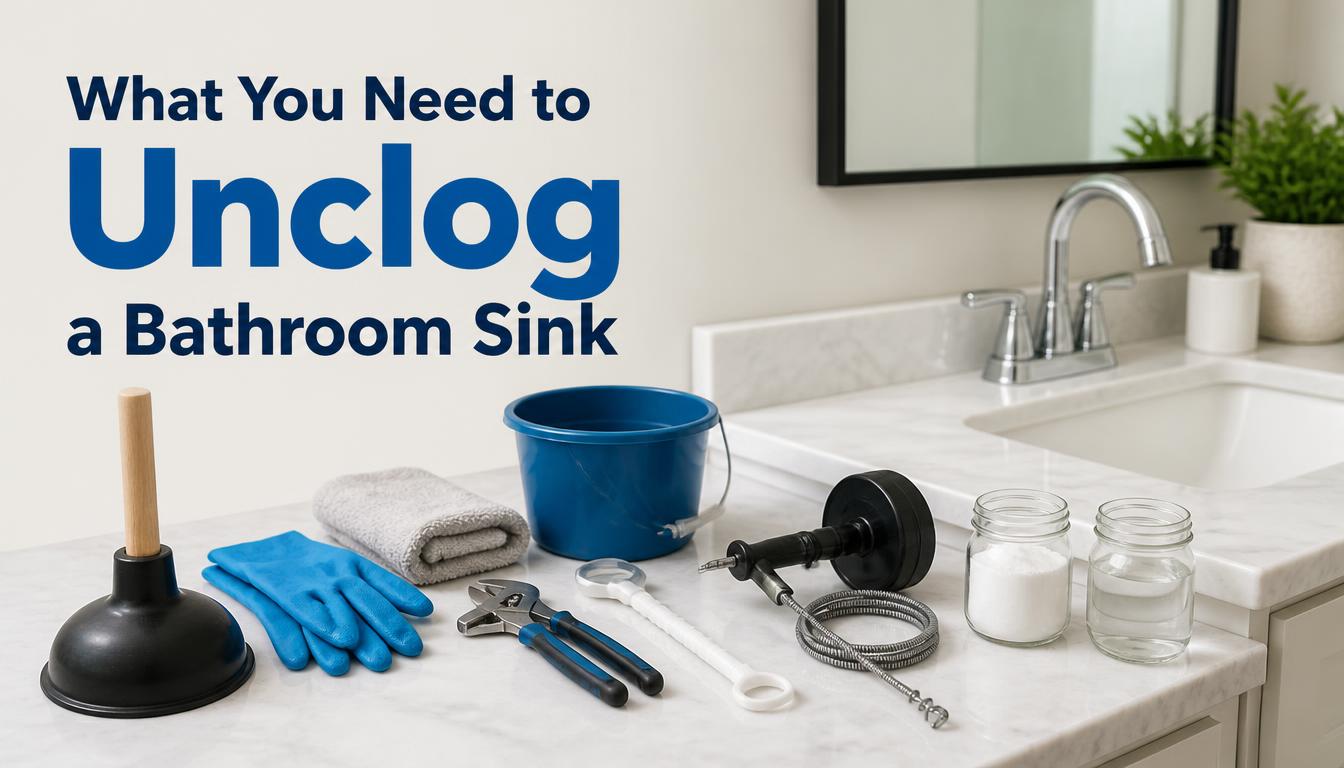
Before starting, gather a few basic items for the cleaning process. Rubber gloves can help keep your hands cleaner during drain maintenance. You should also keep an old towel nearby for unexpected spills. A small bucket can collect water when you inspect the plumbing underneath. These simple preparations can make the entire process cleaner and easier.
A sink plunger is useful for blockages located near the drain opening. Choose a cup-style plunger designed for relatively flat sink surfaces. A plastic drain-cleaning tool can help remove hair from narrow openings. A manual drain snake can reach blockages located farther inside pipes. Keep adjustable pliers available if you need to inspect the P-trap.
You may also choose baking soda and vinegar for light maintenance purposes. However, these ingredients should not replace physical removal for serious blockages. Mechanical methods often work better when hair and solid debris cause clogs. Never mix different commercial drain-cleaning products together during your cleaning process. If chemicals were already used, inform a plumber before attempting deeper pipe work.
You may also like:
How to Unclog a Bathroom Sink Drain Step by Step:
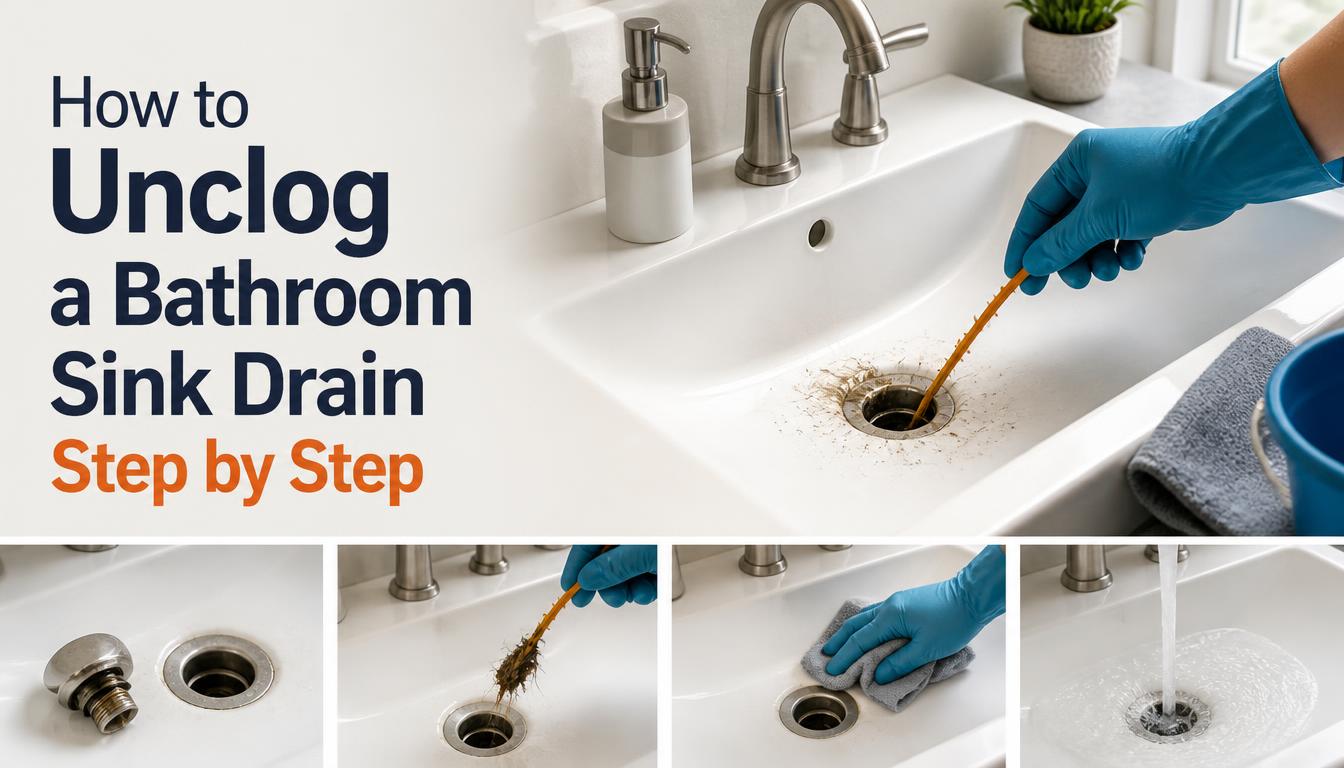
Start by removing anything sitting around the drain opening and stopper. If possible, remove the stopper according to your sink’s specific design. Inspect underneath it because hair and residue frequently gather around this area. Pull away visible debris carefully using your fingers or suitable tools. Then rinse the cleaned stopper thoroughly before putting it back.
Next, run warm water through the drain and observe its movement carefully. If water still drains slowly, try removing additional debris from underneath. A plastic drain tool can help pull hair from narrow drain openings. Insert it gently rather than forcing it deep into the plumbing. Remove whatever material it catches, then test the drainage again.
For light buildup, baking soda followed by vinegar may provide limited assistance. The bubbling reaction can help loosen some residue and freshen the drain. However, this method should not be treated as a guaranteed clog remover. Physical blockages usually require mechanical methods for effective removal. If simple cleaning fails, move gradually toward plunging or drain-snaking techniques.
You may also like:
How to Unclog a Bathroom Sink With a Plunger or Drain Snake:
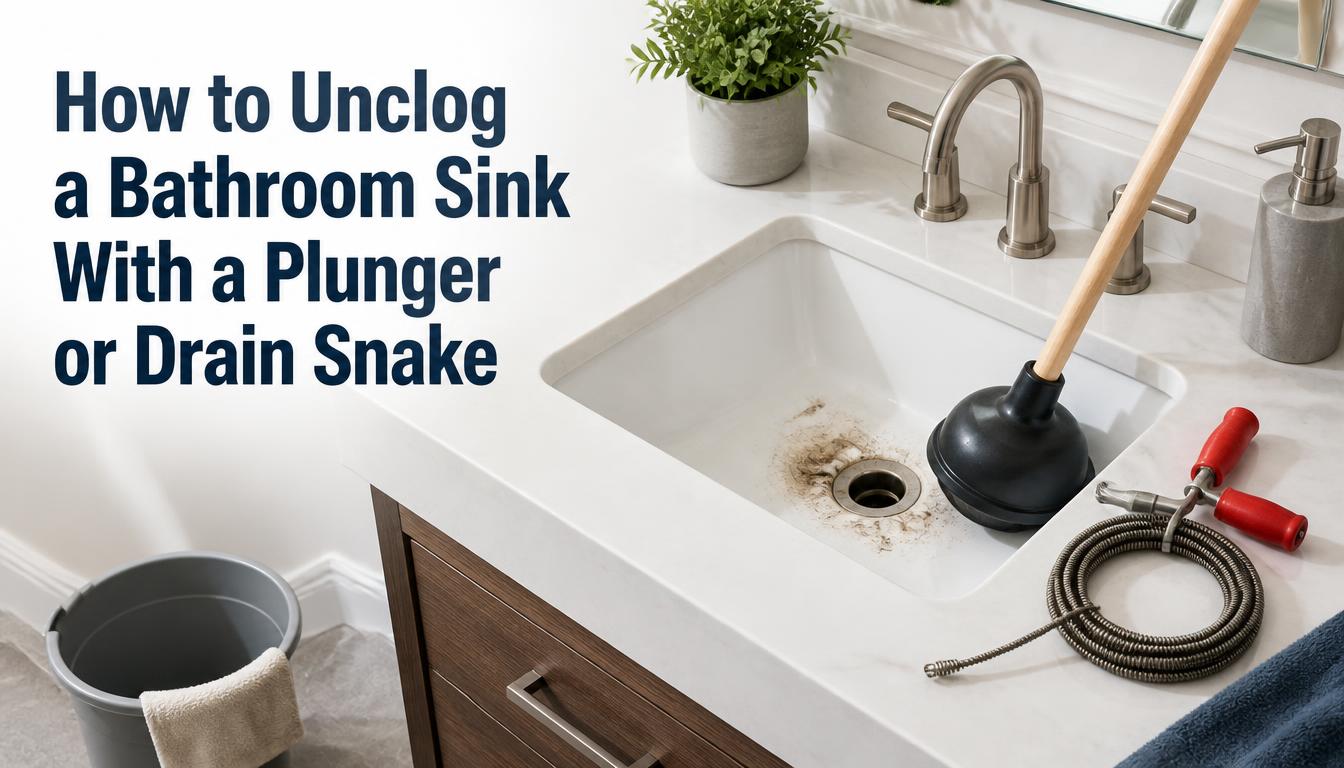
A plunger can create pressure that helps dislodge blockages near the drain. First, add enough water to cover the plunger cup slightly. Cover the sink’s overflow opening with a wet cloth when possible. This helps create stronger pressure around the blocked drain opening. Place the plunger directly over the drain and maintain a firm seal.
Push and pull the plunger with controlled, consistent movements several times. Avoid starting with extremely aggressive force because maintaining the seal matters. After several strokes, lift the plunger and observe the water movement. Repeat the process if the water begins draining but remains noticeably slow. Run water afterward to determine whether the blockage has cleared.
A drain snake can help when plunging does not solve the problem. Carefully feed the snake into the drain while turning its handle. Continue gently when you encounter resistance instead of forcing the tool. Rotate the snake to engage material before slowly pulling it backward. Clean the removed debris and test the sink after withdrawing the snake.
You may also like:
How to Fix a Clogged Sink by Cleaning the P-Trap:
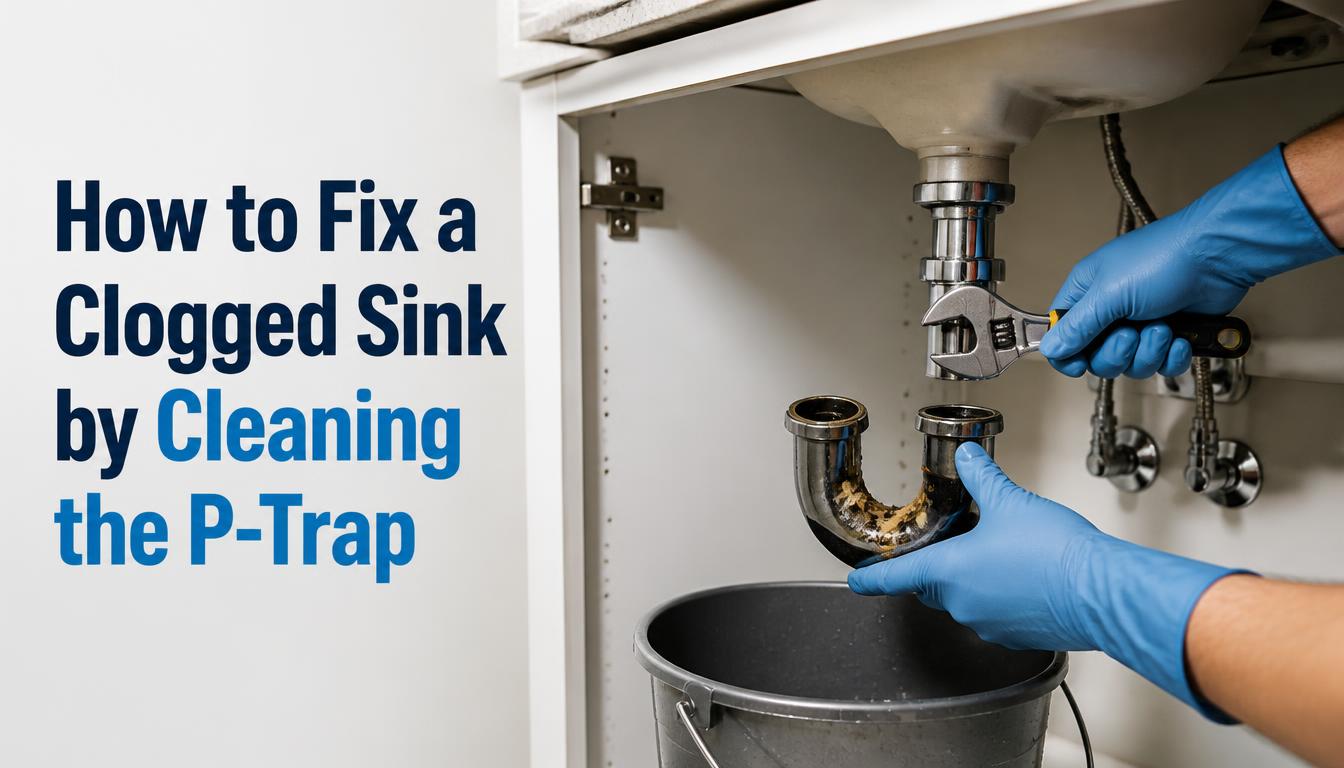
The P-trap is the curved pipe located underneath your bathroom sink. Its shape allows water to remain inside while blocking sewer gases. Unfortunately, that curved design can also collect hair and other debris. When a blockage remains after plunging, inspecting this section can help. Always place a bucket underneath before disconnecting any plumbing connections.
Loosen the appropriate slip nuts carefully and remove the curved trap section. Allow the trapped water to drain into your prepared bucket. Inspect the inside for hair, soap residue, or other visible blockage material. Clean the trap thoroughly before reconnecting it to the surrounding pipes. Make sure every connection sits correctly before tightening the fittings securely.
After reconnecting the P-trap, slowly run water through the sink. Carefully inspect every connection underneath the basin for possible leaks. If water drains normally, the blockage may have been successfully removed. Persistent problems can indicate a blockage farther inside the drainage system. At that stage, professional assistance may be safer than repeated DIY attempts.
You may also like:
How to Fix a Slow Draining Sink and Prevent Future Clogs:
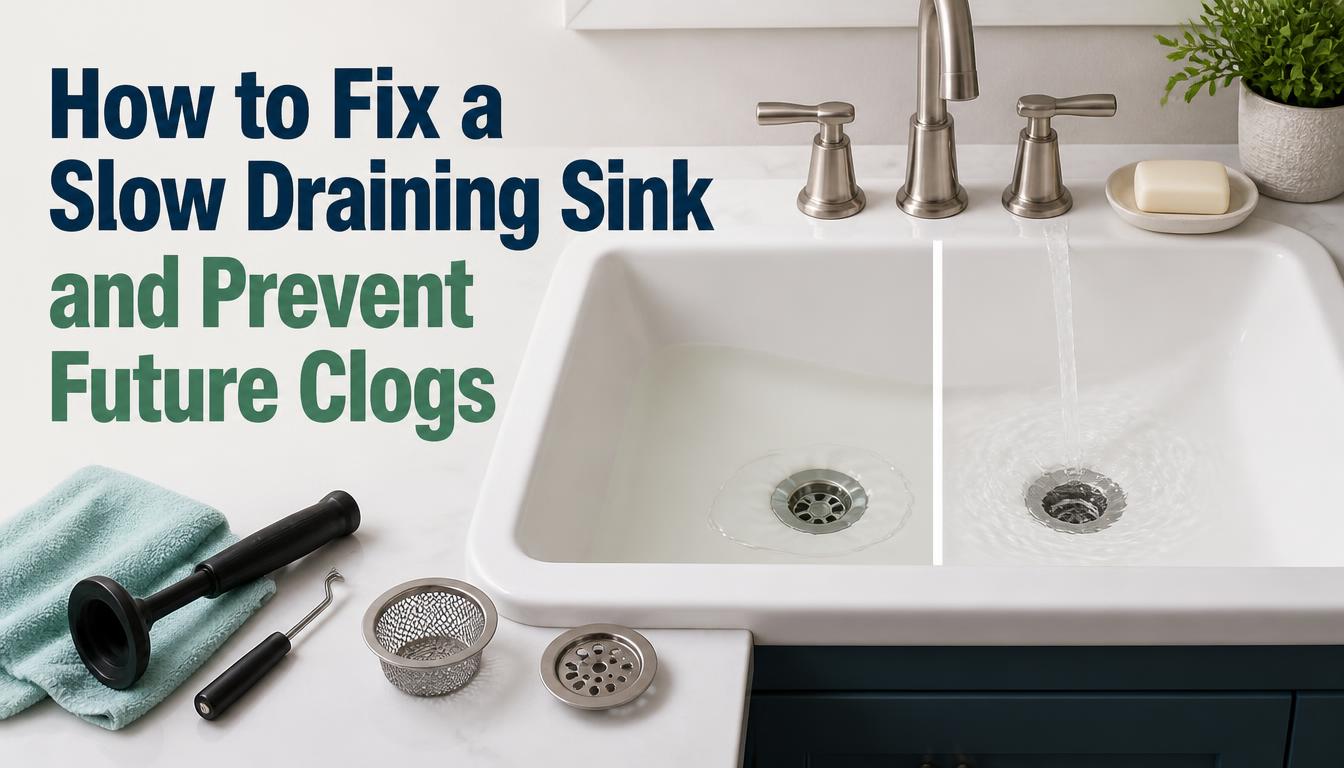
Learning how to fix slow draining sink problems starts with regular maintenance. Remove hair from the stopper before it enters the drain whenever possible. Cleaning the stopper frequently can prevent buildup from becoming a larger blockage. A simple drain cover can also catch hair and other small debris. These small habits can reduce the frequency of bathroom sink clogs.
Avoid allowing thick personal-care products to accumulate around the drain opening. Rinse the basin regularly and remove visible residue before buildup becomes significant. You should also inspect the stopper whenever drainage begins becoming noticeably slower. Addressing partial blockages early can prevent them from becoming complete blockages. Regular attention is usually easier than dealing with severe drainage problems later.
If you want to know how to fix a clogged sink effectively, start early. Try simple physical cleaning before considering more complicated solutions. Avoid repeatedly forcing tools into pipes when you encounter unusual resistance. Persistent odors, gurgling sounds, leaks, or repeated clogs deserve additional attention. Multiple slow drains may also indicate a larger plumbing or venting issue.
You may also like:
Conclusion:
Knowing how to unclog bathroom sink problems can save time during everyday maintenance. Most minor blockages begin with common materials that gradually restrict water movement. Hair, soap residue, toothpaste, and debris can accumulate around several drainage components. Cleaning the stopper should usually be among your earliest troubleshooting steps. Plunging and drain-snaking can then address blockages located farther inside.
When those methods fail, inspecting the P-trap may reveal trapped debris underneath. Always place a bucket beneath the plumbing before disconnecting the curved section. After cleaning, reconnect everything carefully and check for leaks. Avoid aggressive methods when the plumbing appears damaged, fragile, or unusually difficult. Professional help becomes appropriate when simple solutions repeatedly fail.
With regular cleaning, you can keep your bathroom sink flowing more consistently. Simple prevention can also reduce the need for frequent emergency unclogging. Freaky Thread recommends approaching household maintenance with patience and practical troubleshooting. Start with the simplest method and progress only when necessary. A little routine care can help keep your bathroom drain working smoothly.