
Table of Content:
Introduction:
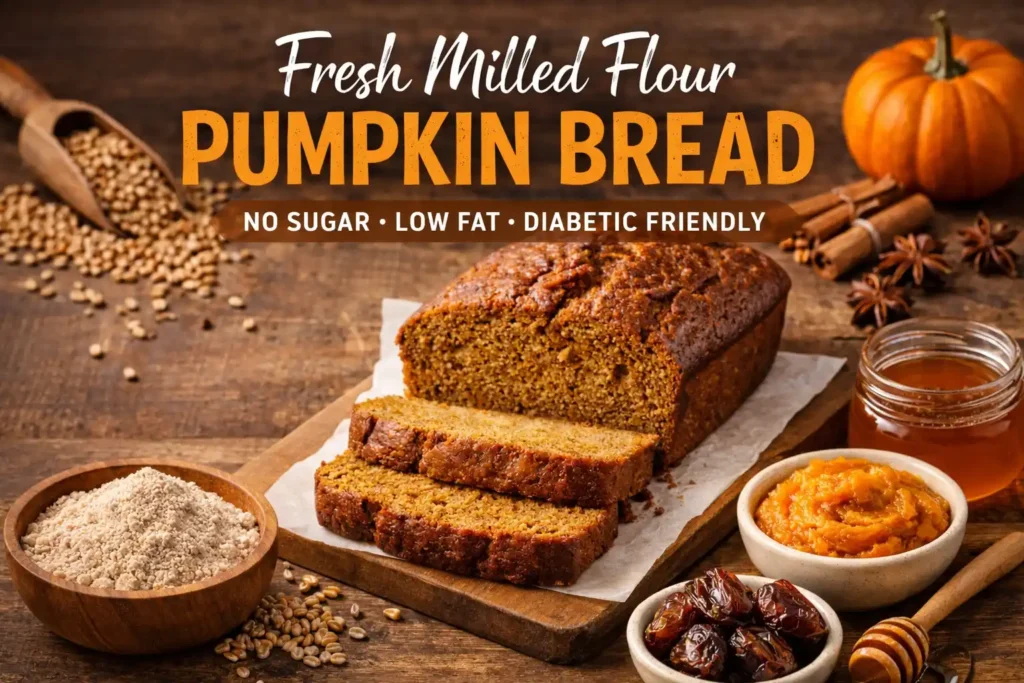
Pumpkin bread is a seasonal favourite, yet most recipes rely on refined flour and sugar that spike blood glucose levels quickly. This version takes a different approach by using fresh milled flour, natural sweeteners, and controlled fat content to create a healthier loaf without sacrificing flavour or texture. You get a moist, aromatic bread that supports balanced eating habits while still feeling like a treat. If you care about fibre intake, glycaemic control, or simply cleaner ingredients, this recipe gives you a practical and reliable option.
Fresh milled flour plays a central role in this recipe, offering a nutritional profile that is significantly richer than standard refined flour. When grains are milled fresh, they retain bran, germ, and endosperm, which together provide fibre, vitamins, and minerals often lost during processing. This improves digestion, promotes satiety, and slows down the release of glucose into the bloodstream. For individuals managing diabetes or aiming for steady energy levels, this is a meaningful upgrade compared to conventional pumpkin bread recipes.
Another critical element is the absence of refined sugar, which is often the primary driver of unhealthy calorie load in baked goods. Instead of using white or brown sugar, this recipe relies on natural alternatives such as mashed dates or a controlled amount of maple syrup. These options still contain sugars, but they come with fibre and micronutrients that reduce their impact on blood sugar spikes. The goal is not to eliminate sweetness entirely, but to moderate it intelligently while preserving taste and texture.
The low fat structure of this bread is achieved by carefully reducing oil content and leveraging the natural moisture of pumpkin puree. Pumpkin is not only rich in flavour, but also contains water, fibre, and beta carotene, which supports overall nutritional value. By using pumpkin as a moisture base, the recipe avoids excessive reliance on oils or butter, which are often responsible for unnecessary calorie density. This balance allows the bread to remain soft and tender without becoming greasy or heavy.
From a diabetic friendly perspective, portion control and ingredient quality are equally important. This recipe is designed to have a lower glycaemic impact than traditional versions, but it should still be consumed in moderation. Pairing a slice with protein or healthy fats, such as nuts or yoghurt, can further stabilise blood sugar response. This makes the bread more suitable for sustained energy rather than quick spikes followed by crashes.
Ingredients You Will Need:
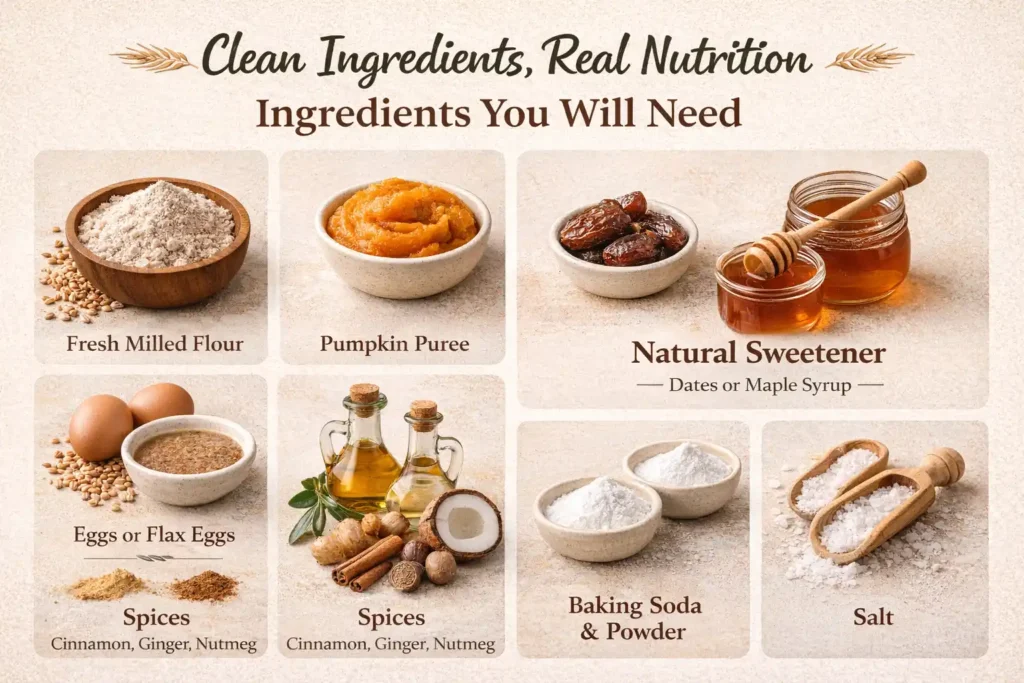
To prepare this pumpkin bread, you need a combination of whole food ingredients that work together to create structure, flavour, and nutrition. Use one and a half cups of fresh milled whole wheat flour, which provides the foundation of the recipe. Add one cup of pumpkin puree, preferably unsweetened and free from additives, to ensure clean flavour and moisture balance.
For sweetness, use half a cup of mashed dates or a quarter cup of pure maple syrup, depending on your preference and dietary needs. Include two large eggs to support structure and binding, or use flaxseed eggs if you prefer a plant based option. Add two tablespoons of olive oil or melted coconut oil to provide minimal fat while maintaining softness.
For leavening, use one teaspoon of baking soda and half a teaspoon of baking powder, ensuring the bread rises properly during baking. Add one teaspoon of cinnamon, half a teaspoon of ginger, and a pinch of nutmeg to create the classic pumpkin spice flavour profile. Include half a teaspoon of salt to balance sweetness and enhance overall taste.
Step by Step Preparation Process:

Begin by preheating your oven to 175 degrees Celsius and preparing a loaf pan with parchment paper for easy removal. In a large mixing bowl, combine the fresh milled flour, baking soda, baking powder, salt, and spices, ensuring even distribution throughout the dry mixture. This step is important because uneven mixing can lead to inconsistent texture or flavour in the final loaf.
In a separate bowl, whisk together the pumpkin puree, eggs, sweetener, and oil until the mixture becomes smooth and uniform. Gradually add the wet ingredients into the dry mixture, stirring gently until just combined. Avoid overmixing, as this can develop excess gluten and result in a dense or tough texture. The batter should appear thick but pourable, with visible specks of whole grain flour.
Pour the batter into the prepared loaf pan and smooth the top using a spatula to ensure even baking. Place the pan in the centre of the oven and bake for approximately thirty five to forty minutes, or until a toothpick inserted into the centre comes out clean. Allow the bread to cool in the pan for ten minutes before transferring it to a wire rack for complete cooling. This prevents excess moisture from being trapped and ensures proper texture development.
Nutritional Benefits and Considerations:
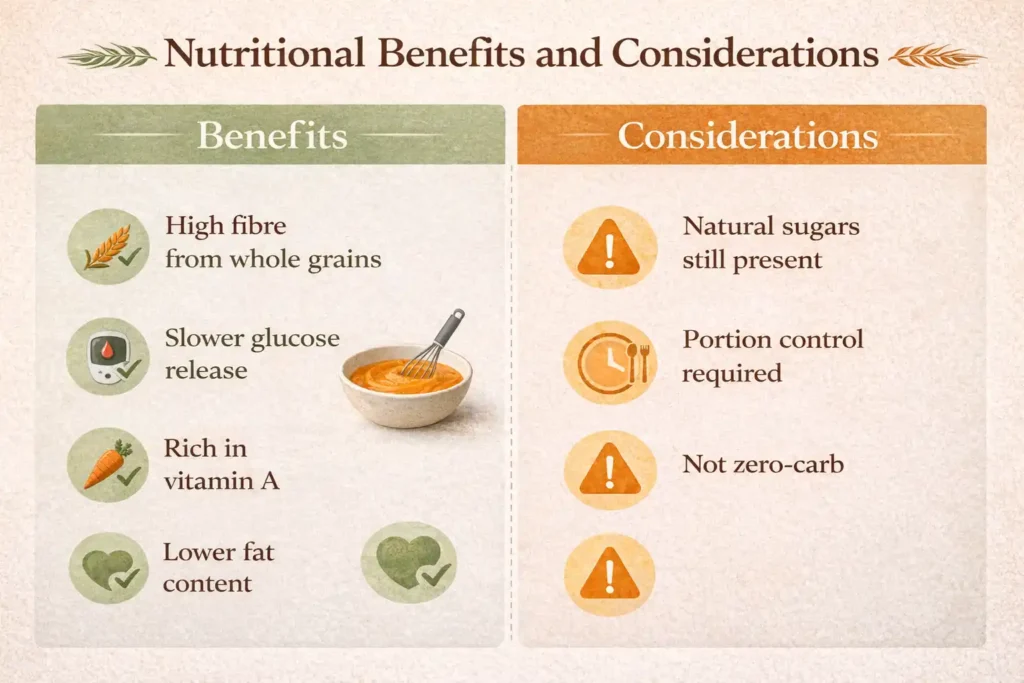
This pumpkin bread offers a more balanced nutritional profile compared to traditional recipes, particularly due to its fibre content and reduced sugar levels. Fresh milled flour contributes complex carbohydrates that digest more slowly, supporting sustained energy release and improved satiety. Pumpkin adds essential nutrients such as vitamin A and antioxidants, which are beneficial for immune function and overall health.
The use of natural sweeteners instead of refined sugar helps reduce rapid spikes in blood glucose, which is especially important for individuals with diabetes or insulin resistance. However, it is important to recognise that natural sweeteners still contain carbohydrates and should be accounted for within daily intake. This recipe is best viewed as a controlled indulgence rather than a completely unrestricted food.
Fat content is intentionally kept low, which can support calorie control and heart health when combined with a balanced diet. Using small amounts of healthy oils ensures that the bread remains palatable without contributing excessive saturated fats. This approach aligns with modern dietary guidelines that emphasise moderation and quality over complete elimination.
What to Eat with Pumpkin Bread?
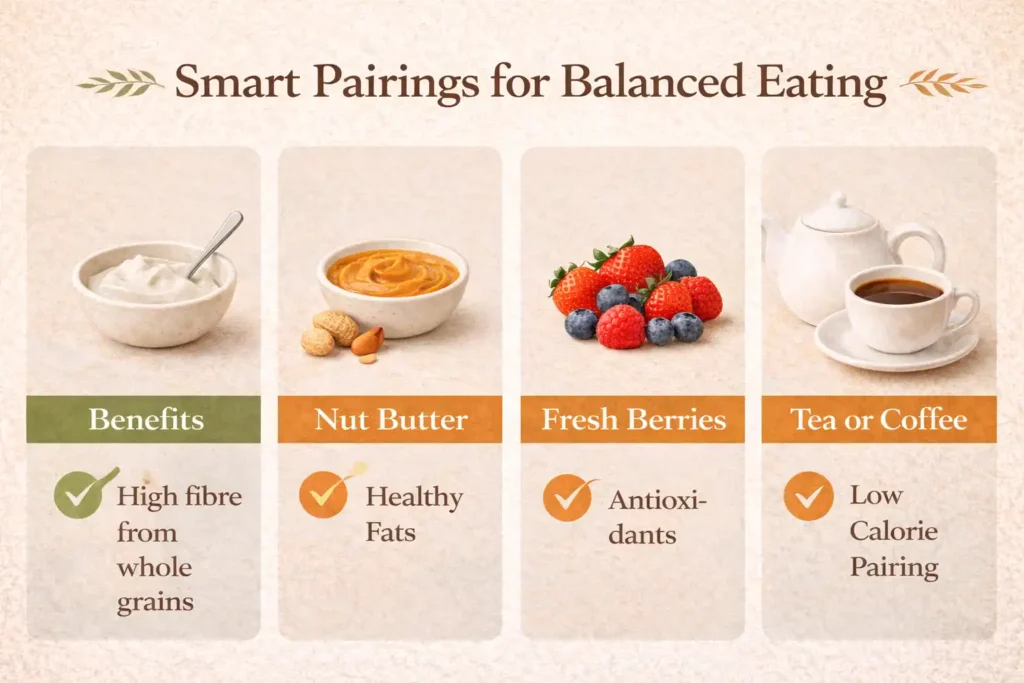
Pairing pumpkin bread with the right foods can enhance both flavour and nutritional balance, especially when aiming for stable energy levels throughout the day. A common option is to serve it with Greek yoghurt, which adds protein and a creamy contrast that complements the bread’s texture. This combination works well for breakfast or as a midday snack, providing both satisfaction and sustained energy.
Another effective pairing is a small portion of nut butter, such as almond or peanut butter, spread lightly on a slice of pumpkin bread. This introduces healthy fats and additional protein, which can help slow down carbohydrate absorption and reduce blood sugar fluctuations. For those who prefer a lighter option, a side of fresh berries offers natural sweetness and antioxidants without significantly increasing calorie intake.
For a more indulgent yet controlled option, you can serve pumpkin bread with a warm beverage such as herbal tea or black coffee. This enhances the sensory experience without adding extra sugar or calories. The key principle is to combine the bread with complementary foods that support balance rather than excess.
Tips for Best Results:

To achieve the best possible outcome, it is important to pay attention to ingredient quality and preparation technique. Always use freshly milled flour when possible, as it provides superior flavour and nutritional value compared to pre packaged whole wheat flour. Ensure that your pumpkin puree is not overly watery, as excess moisture can affect the final texture of the bread.
Monitor baking time carefully, since overbaking can dry out the loaf despite its moisture rich ingredients. If your oven runs hot, consider checking the bread a few minutes earlier than recommended to prevent overcooking. Allowing the bread to cool completely before slicing is also essential, as cutting too early can lead to a crumbly or underdeveloped texture.
Finally, store the bread in an airtight container at room temperature for up to two days, or refrigerate it for longer freshness. You can also freeze individual slices for convenient portion control, which is particularly useful for those managing dietary intake.
Final Thoughts:
This fresh milled flour pumpkin bread recipe demonstrates that healthier baking does not require sacrificing taste or enjoyment. By focusing on whole ingredients, balanced sweetness, and controlled fat content, it is possible to create a loaf that aligns with modern nutritional goals while still delivering comfort and satisfaction. Whether you are managing diabetes, reducing sugar intake, or simply seeking a more wholesome option, this recipe offers a practical solution that fits into a balanced lifestyle.
Want more food and wellness content? Check out our Food category now.
You May Also Like:


